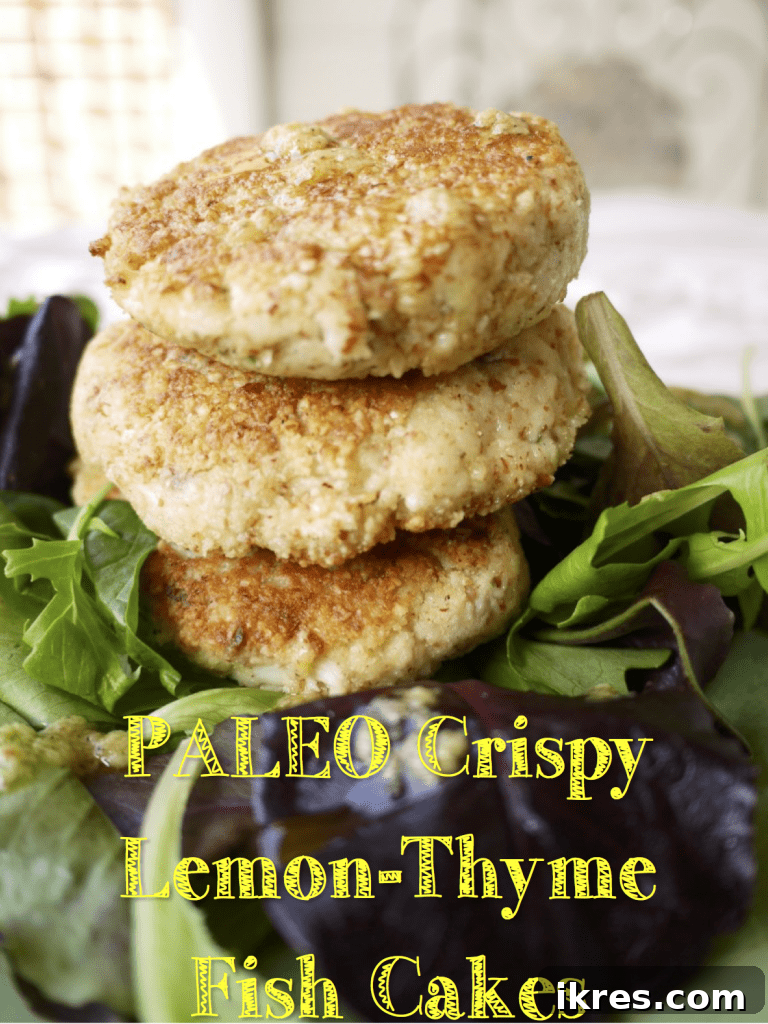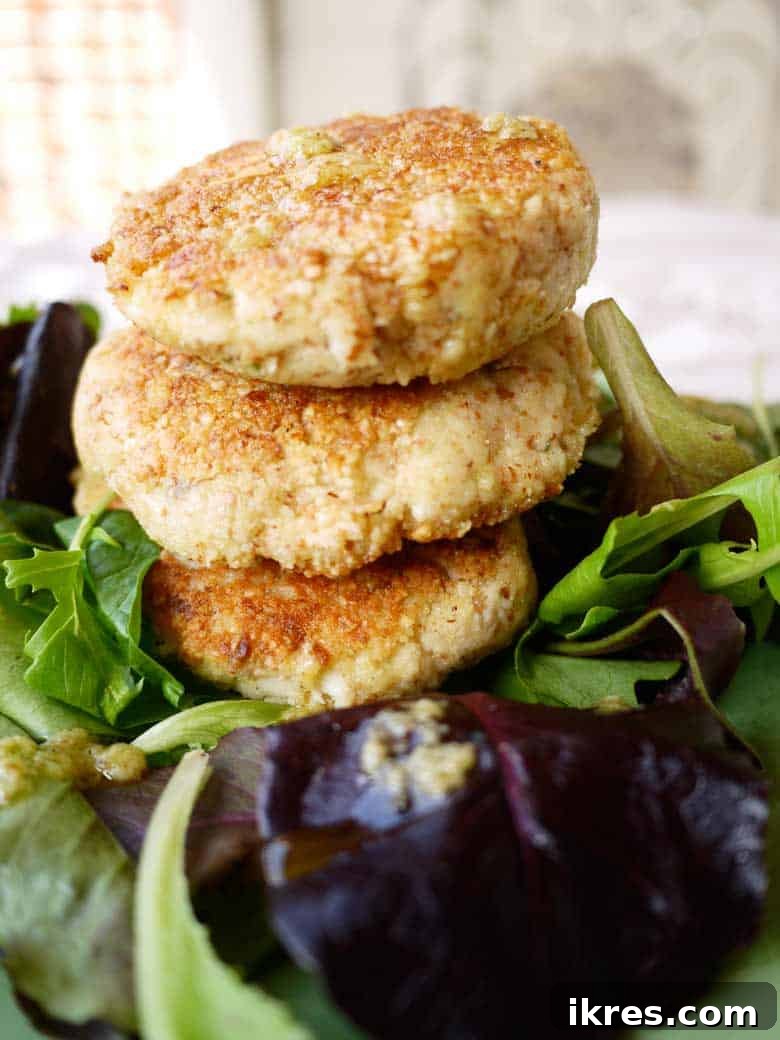
Crispy Lemon-Thyme Fish Cakes: Your New Favorite Paleo & Gluten-Free Dinner
Are you tired of the same old dinner routine? We’ve all been there, staring into the fridge, yearning for something fresh, exciting, and utterly delicious. For far too long, my go-to fish preparation involved a simple bake in the oven with a squeeze of lemon – lovely, but predictable. I craved a culinary adventure, a dish that would awaken my palate and transform a healthy staple into something truly special. That’s when the idea of homemade fish cakes, bursting with flavor and sporting an irresistible crispy crust, sparked my imagination.
Having never ventured into the world of fish cake creation before, I embraced the challenge with enthusiasm. My mind immediately drifted to flavors that perfectly complement delicate white fish: the bright tang of lemon, the aromatic warmth of thyme, and a hint of pungent garlic. The result of this creative exploration? These extraordinary Crispy Lemon-Thyme Fish Cakes. From the first bite, I knew I had stumbled upon a masterpiece. The depth of flavor and the delightful texture felt as though they had been ordered from a high-end restaurant, yet they were lovingly crafted right in my own kitchen. They’re so remarkably tasty, it’s hard to resist devouring them all in one sitting!
Why You’ll Fall in Love with These Paleo & Gluten-Free Fish Cakes
These fish cakes are more than just a meal; they’re an experience. They effortlessly combine health-conscious eating with gourmet taste, proving that gluten-free and paleo doesn’t mean sacrificing flavor or satisfaction. Here’s why they’re destined to become a regular in your recipe rotation:
- Unforgettable Flavor Profile: The vibrant lemon cuts through the richness of the fish, while fresh thyme adds an earthy, fragrant note that elevates every bite. It’s a symphony of tastes that’s both refreshing and comforting.
- Perfectly Crispy Texture: Thanks to a clever almond flour coating and the right cooking method, these cakes achieve an incredibly satisfying golden, crispy exterior that contrasts beautifully with the tender, flaky fish inside. Forget soggy fish cakes; these are all about that irresistible crunch!
- Healthy & Wholesome: Made with lean tilapia and naturally gluten-free almond flour, this recipe is perfect for those following a paleo diet or looking for lighter, healthier meal options. It’s packed with protein and good fats, keeping you satisfied without weighing you down.
- Surprisingly Easy to Make: While they might seem fancy, the process for these fish cakes is straightforward. With a bit of prep and a few simple steps, you’ll have a stunning dish ready to impress.
- Versatile & Adaptable: Tilapia is an excellent choice, but this recipe framework can be adapted for other white fish, or even salmon or tuna. It’s a foundation for endless culinary creativity.
Admittedly, preparing these delightful fish cakes does involve a little hands-on work and can get a bit messy – but trust me, the incredible payoff is absolutely worth it. The joy of creating something so delicious and wholesome from scratch is an unparalleled feeling!
The Simple Ingredients for Extraordinary Flavor
The beauty of these fish cakes lies in their reliance on fresh, high-quality ingredients that truly shine. Each component plays a vital role in building the layered flavors and achieving that perfect texture.
- Tilapia: We start with about 1.3 pounds of tilapia fillets (roughly 6 individual fillets). Tilapia is a fantastic choice for fish cakes due to its mild flavor and flaky texture when cooked, allowing the lemon and thyme to truly take center stage. You can also easily substitute other firm white fish like cod, haddock, or even snapper.
- Fresh Lemon Juice: This is a non-negotiable! Freshly squeezed lemon juice brightens the entire dish, adds a zesty tang, and perfectly complements the fish and herbs. About 1/4 cup is just right to infuse that sunny flavor.
- Eggs: Two large eggs act as the primary binder for our fish cakes, helping them hold their shape during the forming and cooking process.
- Aromatic Spices & Herbs:
- Onion Powder (1 tsp): Provides a subtle, savory onion flavor without the moisture or texture of fresh onion.
- Garlic Powder (1 tsp): A staple for adding depth and a classic savory note that pairs wonderfully with fish.
- Fresh Thyme (1 tsp): The star herb! Fresh thyme leaves bring a beautiful, earthy aroma and a slightly peppery flavor. Take the time to remove the leaves from the woody stems for the best texture and taste.
- Salt (1/2 tsp) & Black Pepper (1/4 tsp): Essential for seasoning and enhancing all the other flavors. Adjust to your personal preference.
- Horseradish Mustard (1 Tbs): This is a secret weapon! Horseradish mustard adds a unique piquant kick and a depth of flavor that really makes these fish cakes stand out. It’s a subtle addition that makes a huge impact.
- Almond Flour (1.5 cups total): The hero of our paleo and gluten-free coating! Fine almond flour creates a delicate, crispy crust when pan-fried, giving the fish cakes their signature texture. We use 1/2 cup in the mixture itself to help bind and add structure, and 1 cup for the external coating.
- Olive Oil (1-1.5 Tbs): Used for cooking the tilapia initially and for pan-frying the cakes to a golden crisp. Extra virgin olive oil adds a lovely Mediterranean note.
Step-by-Step Guide to Crafting Perfect Crispy Lemon-Thyme Fish Cakes
Follow these detailed instructions to create these delightful fish cakes from scratch. Each step is designed to ensure maximum flavor and that coveted crispy texture.
1. Prepare and Cook the Tilapia
Begin by preheating your oven to a comfortable 400 degrees Fahrenheit (200 degrees Celsius). Line a baking sheet with aluminum foil for easy cleanup, then lightly drizzle or brush the foil surface with a little olive oil. Arrange your tilapia fillets on the prepared baking sheet. Bake them for approximately 20 minutes, or until the fish is opaque and flakes easily with a fork. Once cooked, remove the tilapia from the oven and allow it to cool slightly, making it easier to handle.
Once the tilapia has cooled enough to touch, use two forks to gently flake the fish into small, manageable pieces. Aim for a fine, shredded consistency rather than large chunks, as this will help the cakes bind together better and cook more evenly.
2. Create the Flavorful Fish Cake Mixture
In a separate, medium-sized mixing bowl, combine the liquid and powdered ingredients that will form the flavor base of your fish cakes. Whisk together the fresh lemon juice, eggs, onion powder, garlic powder, horseradish mustard, salt, and black pepper until they are well blended. Ensure no lumps remain from the powdered spices.
Next, add the flaked tilapia to this vibrant mixture. Sprinkle in 1/2 cup of the almond flour. Using a fork, gently but thoroughly mix all the ingredients together. At this stage, the mixture will look somewhat lumpy and perhaps a bit messy – this is perfectly normal! It’s all part of the process of creating a rustic, yet cohesive, fish cake base. Be careful not to overmix, as this can make the fish tough.
3. Form and Coat the Fish Cakes
Pour the remaining 1 cup of almond flour onto a shallow plate or a wide, flat dish. This will be your coating station. Now comes the fun part: forming the patties! Using a 1/4 cup measuring scoop for consistency, take a portion of the fish mixture and gently form it into a compact patty or small cake in the palm of your hand. Aim for a thickness of about 1/2 to 3/4 inch.
Once a patty is formed, generously dredge both sides of the fish cake in the almond flour on the plate. I find that a double-coating method works best for an extra-crispy exterior: coat the cake, shake off any excess, then coat it a second time. This creates a robust layer that will become wonderfully crunchy when cooked. Place the fully coated fish cakes onto a separate clean plate.
This next step is crucial for success: transfer the formed and coated fish cakes to the refrigerator and chill them for at least 30 minutes. This chilling period is absolutely essential because it allows the ingredients to firm up, making the cakes much less likely to fall apart during frying. Skipping this step can lead to crumbly fish cakes, so don’t rush it!
4. Pan-Fry to Golden Perfection
After the 30-minute chilling period, it’s time to bring these beauties to life! Heat 1 to 1.5 tablespoons of olive oil in a large frying pan or skillet over medium-high heat. You want the oil to be hot enough to sizzle when a tiny drop of water is flicked into it, but not smoking. Ensure the pan is large enough to accommodate the fish cakes without overcrowding; cook in batches if necessary.
Carefully place the chilled fish cakes into the hot oil. Cook each side for approximately 4 minutes, or until it achieves a rich, golden-brown color and a wonderfully crispy texture. The exact cooking time may vary slightly depending on your stove and the thickness of your cakes, so keep an eye on them. Once both sides are golden and crispy, remove the fish cakes from the pan and place them on a plate lined with paper towels to absorb any excess oil before serving. This brief resting period helps maintain their crispiness.
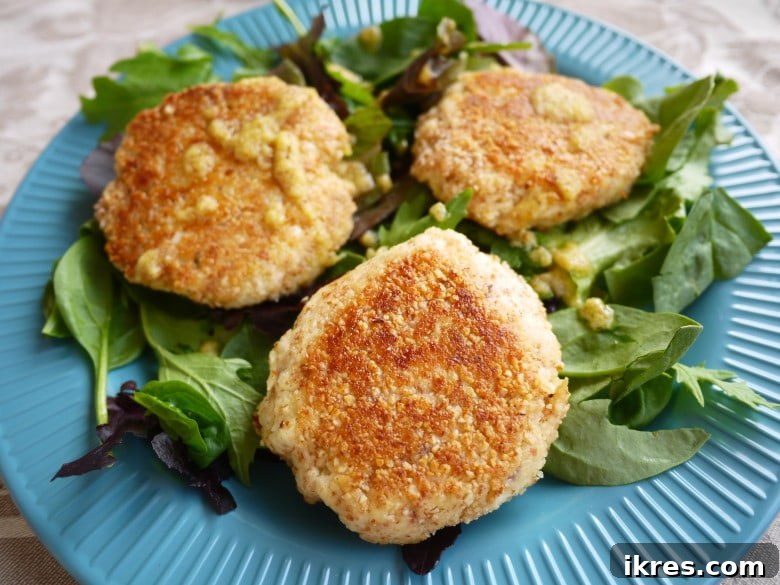
These Crispy Lemon-Thyme Fish Cakes truly elevate everyday fish into something extraordinary. They were absolutely phenomenal served on a bed of fresh greens with a bright, homemade vinaigrette. The contrast of the warm, crispy cake against the cool, crisp salad is simply divine!
Expert Tips for Crispy, Delicious Fish Cakes Every Time
Achieving restaurant-quality fish cakes at home is easier than you think, especially with a few insider tips:
- Don’t Skip the Chill: This is arguably the most important step! Chilling the formed patties for at least 30 minutes in the refrigerator allows the binders to set, preventing the cakes from falling apart in the pan.
- Proper Flaking: Flake the cooked fish into small, even pieces. This ensures the mixture holds together well and distributes the fish throughout each cake.
- Even Coating: Take the time to double-dredge the fish cakes in almond flour. A good, even coating is key to that desirable crispy crust.
- Don’t Overcrowd the Pan: Cook fish cakes in batches if necessary. Overcrowding lowers the oil temperature, leading to steamed rather than crispy cakes. Give each cake space to breathe and brown properly.
- Monitor Oil Temperature: Medium-high heat is ideal. If the oil is too hot, the cakes will burn on the outside before the inside is thoroughly heated. If it’s too cool, they’ll absorb too much oil and become greasy.
- Use Fresh Herbs: While dried thyme can work in a pinch, fresh thyme makes a significant difference in the overall aroma and flavor.
- Taste and Adjust Seasoning: Before forming all the cakes, taste a small amount of the mixture (if safe, or cook a tiny test patty) and adjust salt and pepper to your liking.
Creative Serving Suggestions to Elevate Your Meal
While delicious on their own, these fish cakes truly shine when paired with the right accompaniments:
- Classic Salad: As mentioned, serving them atop a fresh bed of mixed greens with a light vinaigrette is a fantastic, healthy option.
- Dipping Sauces:
- Lemon-Dill Aioli: Whisk together mayonnaise (or a paleo-friendly mayo), fresh lemon juice, chopped fresh dill, and a pinch of salt and pepper.
- Spicy Sriracha Mayo: Combine mayo with a dash of sriracha for a subtle kick.
- Tartar Sauce (Paleo-Friendly): Mix mayo with finely chopped pickles (or relish), capers, and a squeeze of lemon.
- Roasted Vegetables: Pair with roasted asparagus, broccoli, or sweet potatoes for a complete and wholesome meal.
- Cauliflower Rice: For a grain-free option, serve alongside a fluffy bed of cauliflower rice.
- Avocado Slices: The creamy texture of avocado provides a lovely contrast to the crispy fish cakes.
Unleash Your Culinary Creativity: Variations to Try
Once you master this basic recipe, you’ll be eager to experiment. The possibilities are endless!
- Switch the Fish: Don’t limit yourself to tilapia. These cakes would be equally delightful with:
- Salmon: For a richer flavor and a boost of Omega-3s.
- Tuna: Canned tuna (drained well) makes for a quick and budget-friendly option.
- Cod or Haddock: Other firm white fish varieties work beautifully.
- Experiment with Herbs:
- Dill: A classic pairing with fish, offering a fresh, slightly anise-like flavor.
- Parsley: Adds a clean, green note.
- Chives: For a delicate oniony flavor.
- Spice It Up: Add a pinch of cayenne pepper, smoked paprika, or a dash of your favorite chili powder for an extra kick.
- Add Veggies: Finely grated zucchini (squeezed dry), shredded carrots, or diced bell peppers can be folded into the mixture for added nutrients and texture.
- Citrus Zest: For an even more intense lemon flavor, add a teaspoon of lemon zest to the mixture.
Storing and Reheating for Future Enjoyment
These fish cakes are fantastic fresh, but they also store and reheat surprisingly well, making them excellent for meal prep:
- Refrigeration: Store leftover cooked fish cakes in an airtight container in the refrigerator for up to 3-4 days.
- Freezing: You can freeze cooked fish cakes for up to 1-2 months. Allow them to cool completely, then place them in a single layer on a baking sheet and freeze until solid. Transfer to a freezer-safe bag or container, separating layers with parchment paper to prevent sticking.
- Reheating: For best results, reheat fish cakes in the oven or an air fryer to maintain their crispiness.
- Oven: Preheat to 350°F (175°C). Place fish cakes on a baking sheet and heat for 10-15 minutes, or until heated through and crispy.
- Air Fryer: Reheat at 350°F (175°C) for 5-8 minutes, flipping halfway, until crispy and hot.
- Stovetop: A quick pan-fry over medium heat with a little oil can also work to re-crisp them.
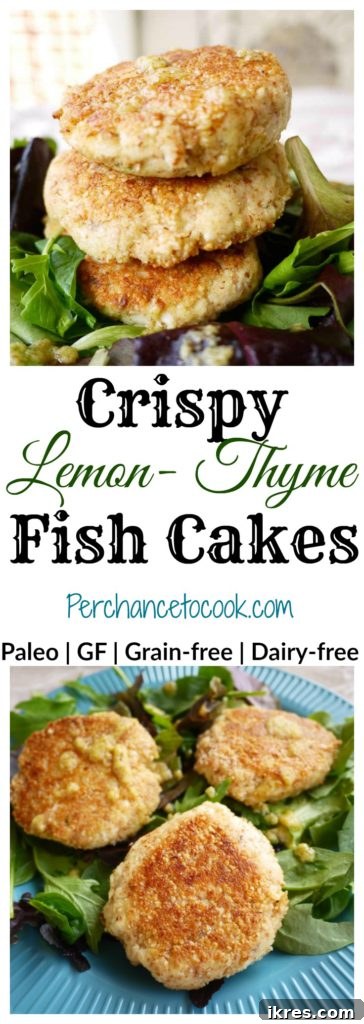
Crispy Lemon-Thyme Fish Cakes (Paleo, GF)
Dominique
3 (Yields 8 fish cakes)
30 mins
28 mins
58 mins
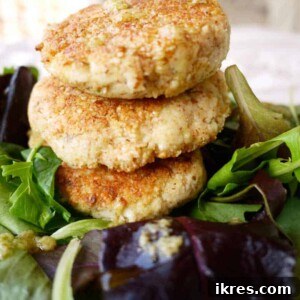
A delicious way to cook tilapia with vibrant lemon and fragrant thyme flavors, creating irresistible crispy fish cakes that are both paleo and gluten-free.
Ingredients
- 1.3 pounds tilapia (approx. 6 fillets)
- 1/4 cup fresh lemon juice
- 2 large eggs
- 1 tsp onion powder
- 1 tsp garlic powder
- 1 tsp fresh thyme (leaves removed from stems)
- 1 Tbs horseradish mustard
- 1/2 tsp salt
- 1/4 tsp black pepper
- 1 1/2 cup almond flour (divided: 1/2 cup for mixture, 1 cup for coating)
- 1-1.5 Tbs olive oil (for cooking)
Instructions
- Preheat the oven to 400°F (200°C). Line a cookie sheet with aluminum foil and lightly grease with olive oil. Place the tilapia fillets on top and bake for 20 minutes, or until cooked through and flaky.
- Once the tilapia is out of the oven and has cooled slightly, use two forks to gently break the fish apart into small, flaky pieces.
- In a separate medium bowl, whisk together the lemon juice, eggs, onion powder, garlic powder, horseradish mustard, salt, and pepper until well blended.
- Add the flaked fish and 1/2 cup of almond flour to the liquid mixture. Mix thoroughly with a fork until all ingredients are well combined and a cohesive (though lumpy) mixture forms.
- Spread the remaining 1 cup of almond flour onto a shallow plate. Using a 1/4 cup measuring scoop, portion out the fish mixture and form it into individual patties or cakes in your hands.
- Dredge each fish cake generously in the almond flour, coating both sides. For an extra crispy crust, you can double-coat: dip, shake off excess, then dip again. Place the coated fish cakes on a separate clean plate.
- Refrigerate the formed fish cakes for at least 30 minutes. This critical step helps them firm up and prevents them from falling apart during cooking.
- Once chilled, heat 1-1.5 tablespoons of olive oil in a large frying pan or skillet over medium-high heat. Ensure the oil is hot before adding the fish cakes.
- Carefully place the fish cakes into the hot pan, making sure not to overcrowd. Cook each fish cake for approximately 4 minutes per side, until they are golden brown and wonderfully crispy.
- Remove the cooked fish cakes from the pan and place them on a plate lined with paper towels to drain any excess oil before serving.
- This recipe yields approximately 8 delicious fish cakes.
Nutrition
Calories:
602kcal
Carbohydrates:
15g
Protein:
56g
Fat:
39g
Saturated Fat:
5g
Polyunsaturated Fat:
2g
Monounsaturated Fat:
6g
Trans Fat:
0.01g
Cholesterol:
207mg
Sodium:
588mg
Potassium:
687mg
Fiber:
7g
Sugar:
3g
Vitamin A:
196IU
Vitamin C:
9mg
Calcium:
165mg
Iron:
4mg
Nutrition information is automatically calculated and should be used as an approximation.
Additional Info
Main Course
American
Tried this recipe?
Mention @perchancetocook or tag #perchancetocook! We’d love to see your creations!