
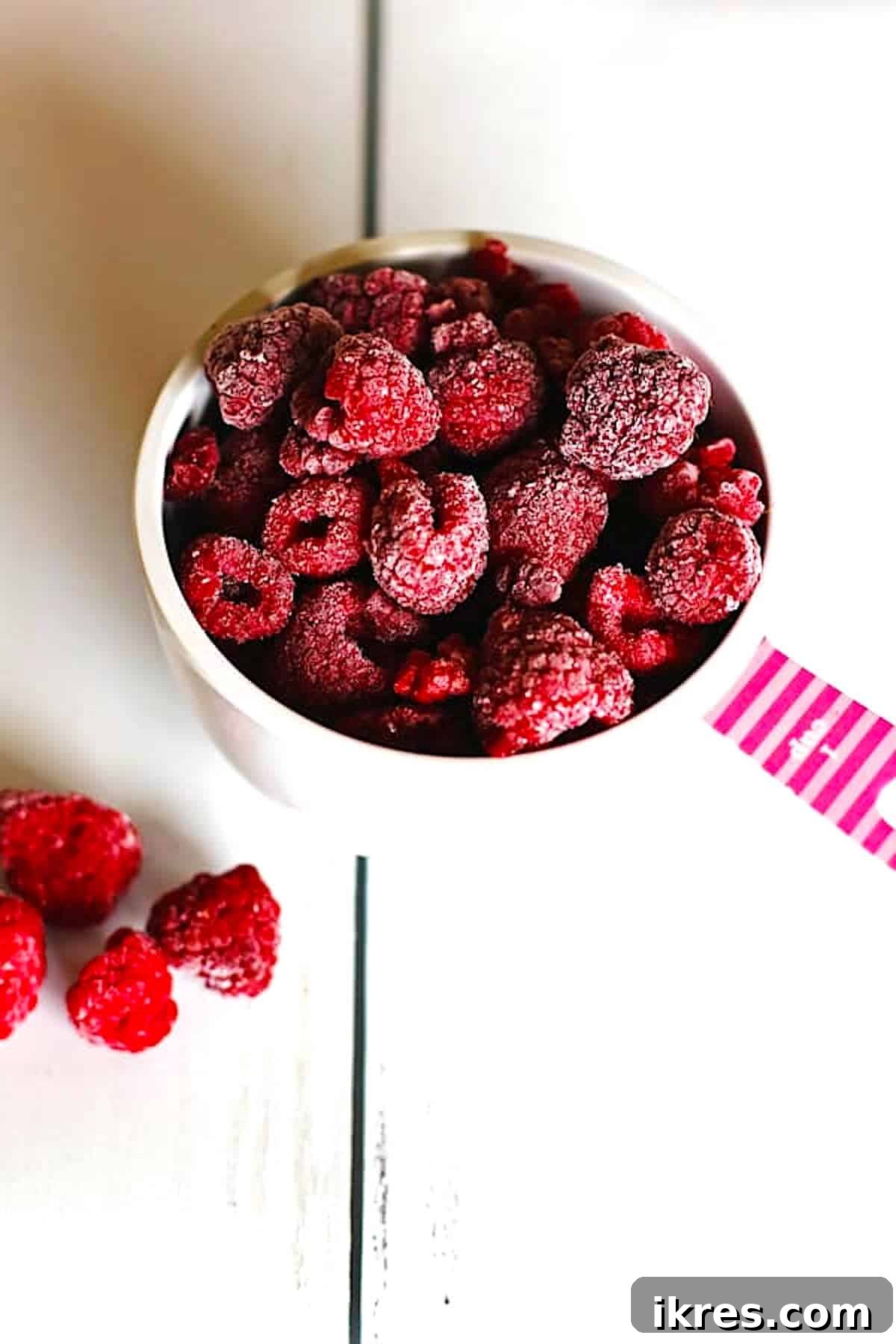
Raspberries, with their jewel-toned hues and irresistible sweet-tart flavor, are a beloved summer fruit. Their delicate nature means a short shelf life, making freezing an invaluable technique for preserving their freshness and nutritional goodness. By mastering the simple art of freezing, you can enjoy the vibrant taste and health benefits of raspberries in your smoothies, desserts, and baked goods long after the harvest season has passed.
This comprehensive guide will walk you through every step, from selecting the perfect berries to various storage methods and creative culinary applications. Say goodbye to food waste and hello to year-round raspberry delight!
Selecting and Preparing Raspberries for Freezing
Choose the Perfect Ripe Raspberries
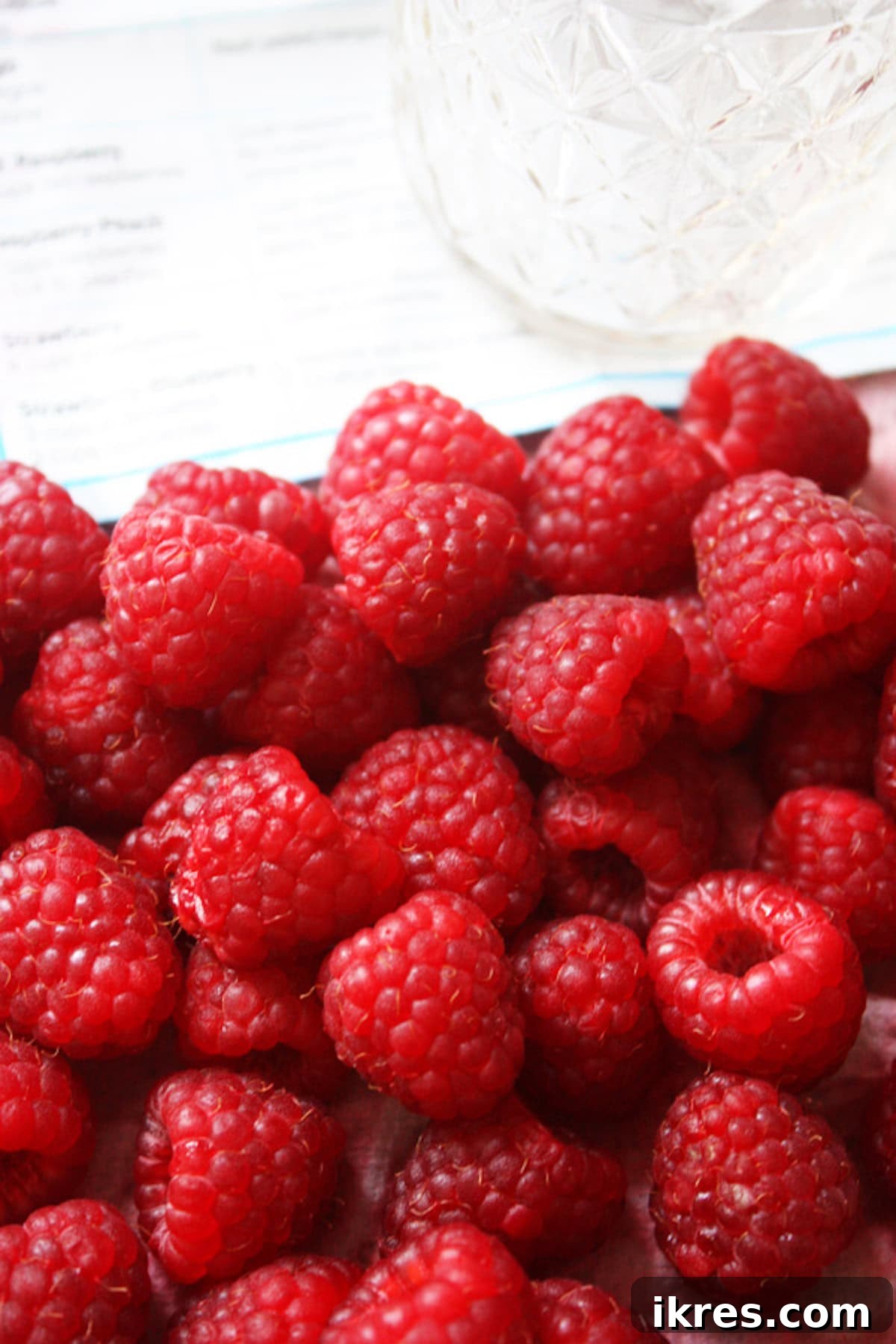
The quality of your frozen raspberries begins with the freshness of your raw produce. For optimal flavor and texture, select raspberries that are perfectly ripe. Look for berries that are plump, firm, and deep in color. They should feel tender but not mushy, indicating a juicy interior without being overly fragile. Avoid any berries that show signs of mold, bruising, or dullness, as these imperfections will only become more pronounced after freezing. If possible, choose organic raspberries to minimize pesticide exposure, especially if you plan not to wash them.
To Wash or Not to Wash: A Raspberry Dilemma
The question of washing raspberries before freezing is a common point of discussion among home cooks, much like with other delicate berries such as blueberries. While washing can effectively remove dirt, debris, and any potential pesticide residues, it also carries the risk of the berries absorbing excess moisture. This extra moisture can lead to the formation of ice crystals, which may compromise the texture of your raspberries once frozen and thawed.
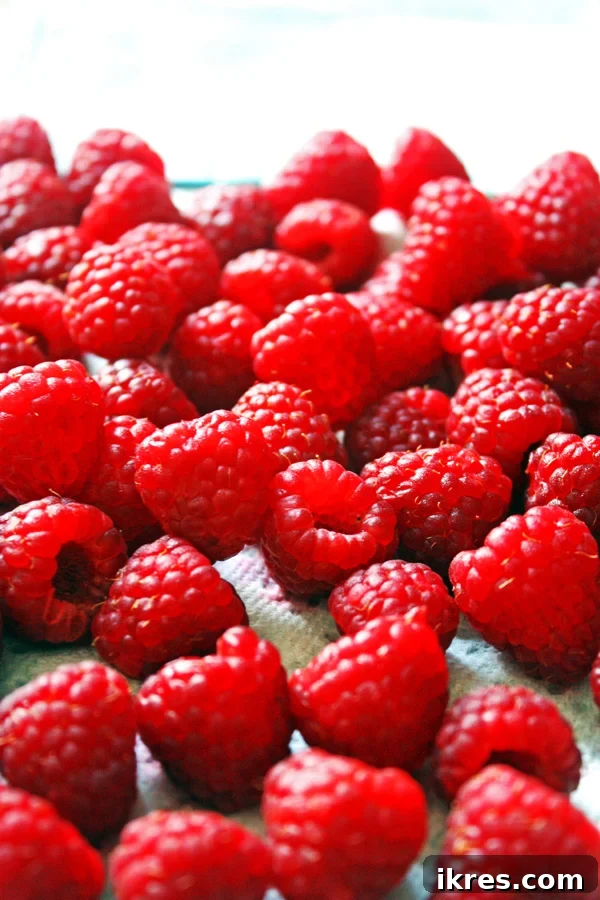
If you opt to wash your raspberries, handle them with extreme gentleness. Place the berries in a colander and rinse them briefly under cool, running water. Avoid soaking them, as this will cause them to become waterlogged and mushy. After rinsing, the most critical step is to ensure they are thoroughly dry. Gently pat the berries with a paper towel and then spread them out in a single layer on a clean dish towel or several layers of paper towels. Allow them to air dry completely, turning them occasionally, until no visible moisture remains. This meticulous drying process is crucial for preventing ice buildup and preserving the berries’ individual shape and texture.
Preparing for Flash Freezing: The Single Layer Advantage
Once your raspberries are perfectly dry, the next step is to prepare them for flash freezing. This technique is key to preventing them from clumping together into one large, unmanageable block. Line a rimmed baking sheet with parchment paper or a silicone baking mat. This non-stick surface ensures that the berries won’t adhere to the tray during freezing. Carefully spread the raspberries in a single layer across the prepared baking sheet, making sure none of the berries are touching. This allows each berry to freeze individually, making them easy to portion out later without having to hack away at a frozen mass.
How to Freeze Fresh Raspberries: A Step-by-Step Guide
The Flash Freeze Method: Preventing Clumps and Preserving Texture
Flash freezing is the secret to perfectly frozen raspberries. Place the baking sheet of prepared raspberries into your freezer. Allow them to freeze for approximately 1 to 2 hours, or until they are firm to the touch and frozen solid. The exact time may vary depending on the temperature of your freezer and the size of your berries. This initial freezing period ensures that each raspberry hardens individually before being transferred to a storage container, preventing them from sticking together. This method is crucial for maintaining the berries’ delicate structure and making them easy to use straight from the freezer.
Pro Tip for Freezer Space
Always double-check that your baking sheet will fit comfortably in your freezer before loading it up with berries! Many modern freezers, especially side-by-side models, can have narrow compartments. A handy alternative is to use the tray from an air fryer or even a sturdy dinner plate if you’re freezing smaller batches. Planning ahead saves time and prevents spills!
Transfer to Airtight Freezer Bags or Containers
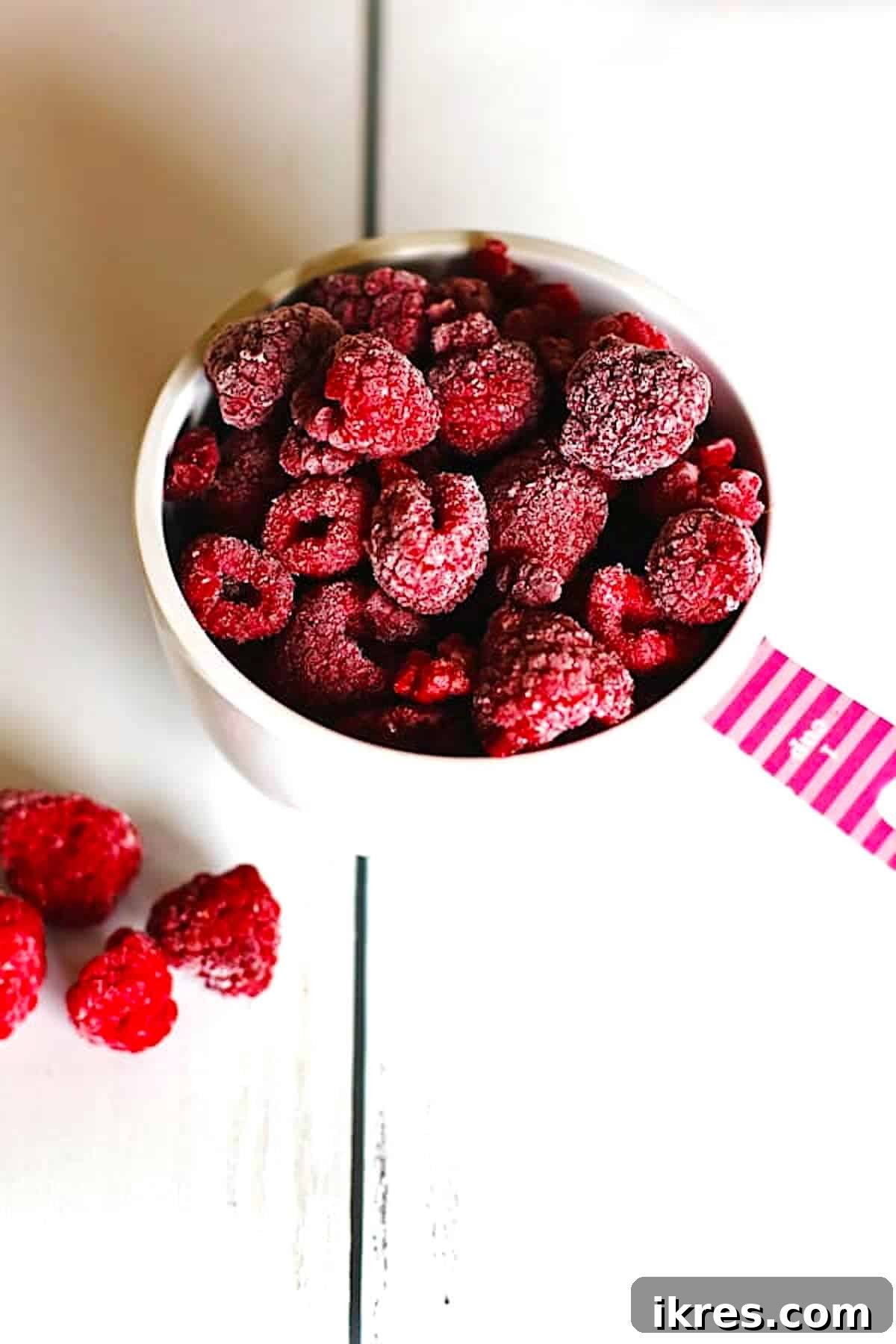
Once the raspberries are fully flash-frozen, it’s time to transfer them to their long-term storage. Resealable plastic freezer bags are an excellent choice due to their flexibility and ability to conform to the shape of the berries, minimizing air exposure. Alternatively, you can use reusable storage bags or rigid, freezer-safe containers. For added convenience, consider portioning the frozen raspberries into smaller, measured batches. This makes it incredibly easy to grab just the right amount for your next smoothie or baking project without having to thaw and refreeze a larger quantity.
Minimize Air for Optimal Preservation
To prevent freezer burn and maintain the quality of your frozen raspberries, it’s essential to remove as much excess air as possible from the storage bags before sealing them tightly. For freezer bags, you can gently press the air out, or even use a straw to suck out the remaining air just before sealing. While vacuum sealing is effective for many foods, it’s generally not recommended for delicate raspberries as they can easily be crushed and crumble under the pressure. The goal is to create an environment with minimal air to protect the berries from dehydration and oxidation, which are the main culprits of freezer burn.
Label and Date for Easy Tracking
A crucial step that is often overlooked is labeling and dating your frozen produce. Clearly label each bag or container with the contents (“Frozen Raspberries”), the quantity (e.g., “2 cups”), and the date of freezing. This simple habit ensures you can easily keep track of your inventory, use your raspberries within their optimal freshness window, and avoid mistakenly discarding perfectly good produce. Using a permanent marker directly on the bag or a waterproof label works best.
Storage and Shelf Life of Frozen Raspberries
Properly frozen and stored raspberries can maintain their peak flavor and texture for an impressive duration, typically up to 10-12 months in a consistently cold freezer (0°F / -18°C or below). While they technically remain safe to eat beyond this timeframe, their quality may gradually diminish. To enjoy them at their best, try to use them within a year of freezing. Always ensure your freezer door is sealed properly and avoid frequent temperature fluctuations, which can negatively impact the berries’ quality over time.
Delicious Ways to Use Frozen Raspberries
The versatility of frozen raspberries knows no bounds. Their vibrant color and tangy sweetness make them a fantastic addition to a wide array of recipes, bringing a taste of summer to your kitchen any time of year.
Frozen Berries in Smoothies: A Burst of Freshness
Frozen raspberries are perhaps most famous for their starring role in smoothies. They add a refreshing chill, a beautiful pop of color, and an intense fruity flavor that elevates any blended drink. There’s no need to thaw them; simply add them directly to your blender along with other fruits, yogurt, milk, or juice for an instantly thick and nutritious beverage. Some of our favorite creations include Triple Berry Smoothies, offering a medley of berry goodness, and indulgent Berry Banana Smoothies Bowls, perfect for a healthy breakfast or snack.
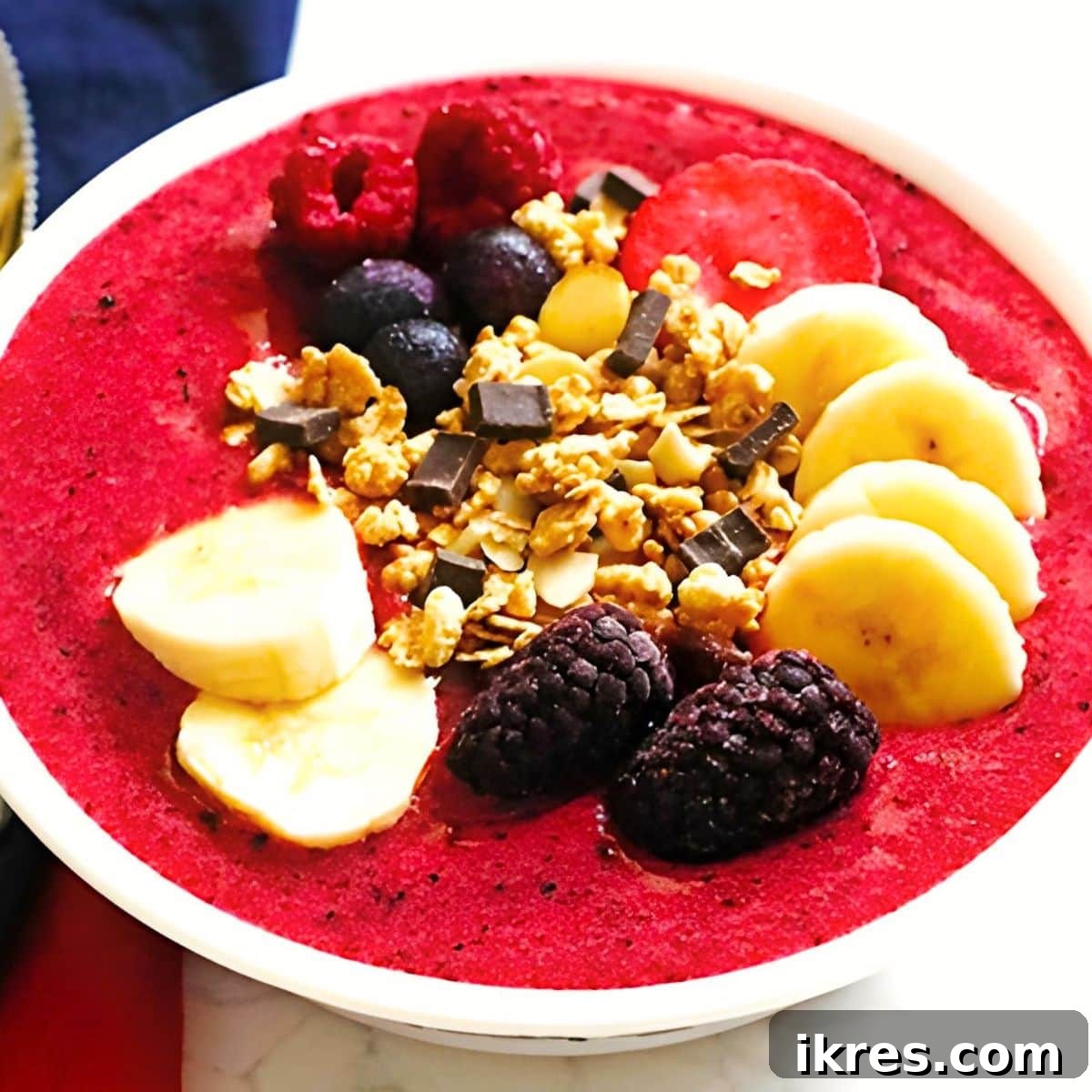
Berry Banana Smoothie Bowls
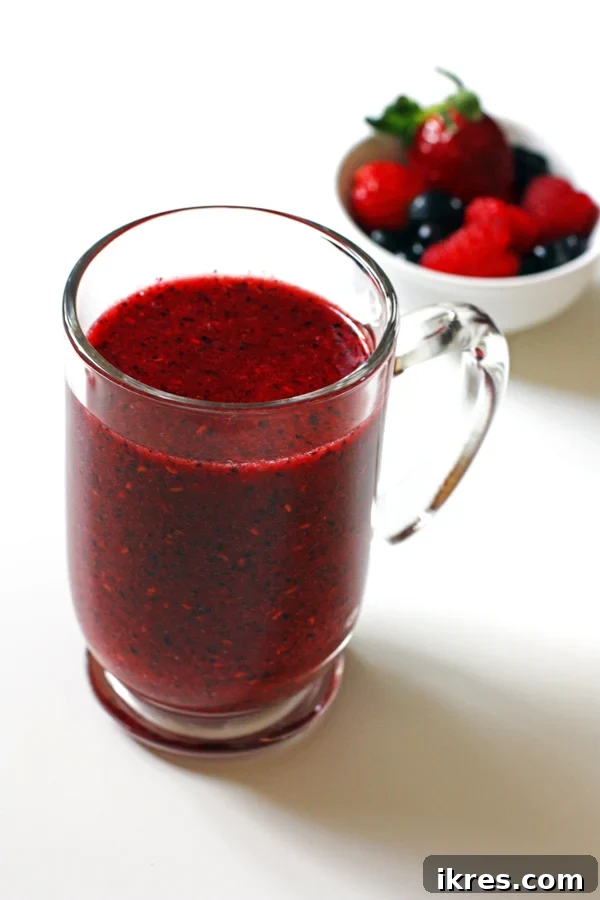
Triple Berry Smoothies
Baking and Cooking with Frozen Raspberries
Frozen raspberries are a baker’s best friend. Their ability to retain shape and flavor through the baking process makes them ideal for a wide range of desserts and dishes. You can fold them directly into batters for Chocolate Raspberry Banana Bread, Chocolate Raspberry Muffins, and Triple Berry Muffins, or sprinkle them over cakes, tarts, and crumbles for a burst of color and tang. They are also perfect for making homemade Raspberry Jam, sauces, coulis, and pie fillings.
When baking, it’s often best to add frozen raspberries directly to the batter without thawing. This prevents them from bleeding too much color into the dough and helps them hold their shape better. For dishes like pies or tarts, a slight thaw might be beneficial depending on the recipe, but generally, frozen is the way to go for maintaining structural integrity and preventing sogginess.
Chocolate Raspberry Banana Bread
Raspberry Jam
Chocolate Raspberry Banana Muffins
Sugar Pack Raspberries: Freezing with Sweetener
While most fruits can be frozen without sugar, the “sugar pack” method is particularly beneficial if you specifically intend to use your frozen raspberries for making jam, pies, or preserves. Adding sugar before freezing helps to preserve the color, flavor, and texture of the berries, making them more vibrant and less prone to breaking down during subsequent cooking. The sugar also helps to draw out some of the natural juices, creating a delicious syrupy mixture.
To prepare sugar-packed raspberries, gently measure out about 1 quart of fresh raspberries. Sprinkle approximately 3/4 cup of granulated sugar over the berries. Carefully toss and gently mash them until the sugar begins to dissolve and the raspberries start to release their juice. This creates a rich, sweet mixture that’s perfect for later use. Transfer this mixture into freezer-safe containers, such as 16-ounce freezer-safe containers (which resemble sturdy Chinese food containers and resist brittleness when frozen). Label and date these containers clearly, indicating that they are sugar-packed. These berries will be perfectly prepped for delicious jams, pies, or fruit preserves later in the year when fresh berries are out of season.
Alternatively, if you prefer to freeze raspberries for jam or pie filling but without added sweetener, you can simply pack crushed raspberries (without sugar) into small containers. This allows you to control the sugar content when you eventually make your jam or pie. Just ensure they are tightly sealed to prevent freezer burn.
Pin this guide to remember for later!
Pin It
Freezing raspberries is a truly simple yet incredibly effective way to extend their brief season and ensure you have a constant supply of this nutritious and flavorful fruit. Whether you incorporate them into a vibrant morning smoothie, bake them into a comforting dessert, or transform them into a tangy jam, frozen raspberries add a delightful burst of taste and beneficial nutrients to any dish. Remember, there’s typically no need to thaw frozen raspberries before using them in most recipes. In fact, allowing them to thaw completely often results in a mushy texture, especially for delicate berries like raspberries. Use them directly from the freezer to enjoy their best qualities!
By following these straightforward steps, you can confidently freeze your raspberries, reduce food waste, and savor the taste of fresh fruit whenever you desire, bringing a touch of summer to your table all year round.
Did you find this guide helpful? Please leave a comment and rating below! Your feedback is greatly appreciated.
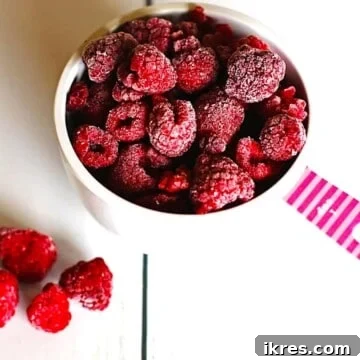
How to Freeze Raspberries for Smoothies and Desserts
Kari A
24 servings
5 minutes
2 hours
2 hours 5 minutes
Ingredients
- 4-6 quarts fresh raspberries
Instructions
-
Choose ripe raspberries. If washing, rinse them gently in a colander with cold water, then spread them out on a towel. Pat dry with paper towels and ensure they dry completely before freezing.4-6 quarts fresh raspberries
-
While the berries dry, line a baking sheet (that fits in your freezer) with parchment paper.
-
Spread the dry raspberries out in a single layer on the prepared baking sheet.
-
Flash freeze for 1-2 hours until firm, then transfer to a freezer bag and freeze overnight. Label and date the bag, gently squeezing out excess air.
-
When ready to use for baking or smoothies, use them directly from the freezer; no thawing needed.
-
Store frozen raspberries for 10-12 months for best quality.
Notes
Sugar Pack Raspberries with Sugar
I normally freeze fruit without sugar, but if you intend to make jam with some of your berries, you can sugar pack some of the berries by measuring out about 1 quart of raspberries and sprinkling 3/4 of a cup of sugar over them. (I use these 16-ounce freezer-safe containers – they look like Chinese food containers but the plastic doesn’t get brittle when frozen.)
Toss and gently mash until the berries start to release some juice and the sugar is dissolved, then freeze the mixture in a bag or container. Label and use these berries for making jam, pie, or preserves later in the year when you can’t get fresh berries.
You can also pack crushed raspberries without sweetener in small containers to use for making jam or pie filling.
Special Equipment Needed
-
parchment paper
-
baking sheet
Nutrition Information
Calories: 31kcal
Carbohydrates: 7g
Protein: 1g
Fat: 0.4g
Saturated Fat: 0.01g
Sodium: 1mg
Potassium: 91mg
Fiber: 4g
Sugar: 3g
Calcium: 15mg
Iron: 0.4mg
Nutrition information is approximate and is automatically calculated, so should only be used as a guide.
Breakfast, Snack
American
frozen raspberries, how to freeze raspberries, how to freeze raspberries for smoothies
Like this? Leave a comment below!