
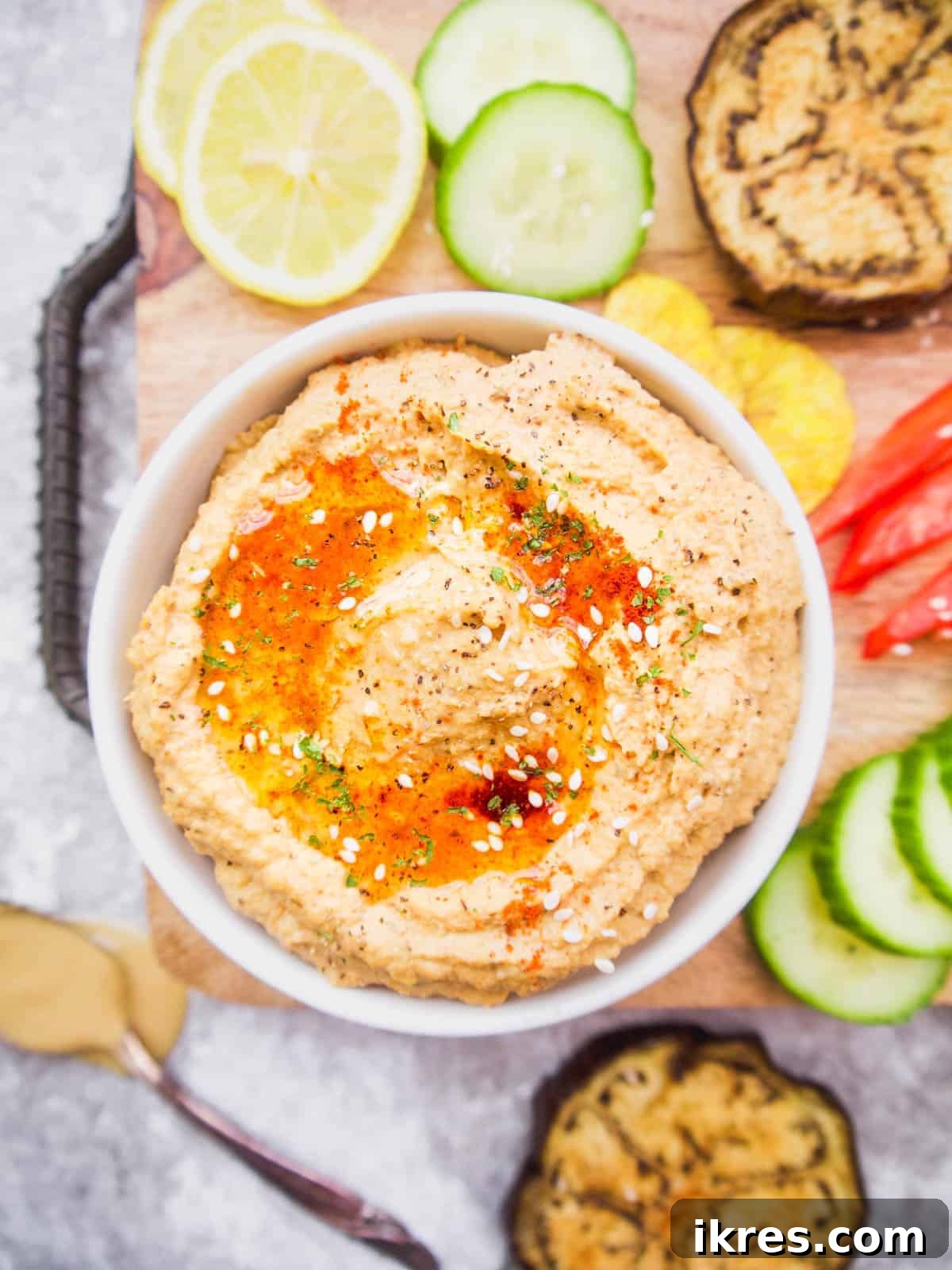
Indulge in a delightfully creamy and flavorful Cauliflower Hummus recipe that’s entirely free of chickpeas! This Mediterranean-inspired dip is crafted by perfectly roasting cauliflower, sweet red peppers, and tender eggplant, then blending them with rich tahini, zesty lemon juice, and an aromatic blend of spices. It’s a truly wonderful and satisfying Paleo hummus without chickpeas, making it an ideal choice for a variety of dietary needs.
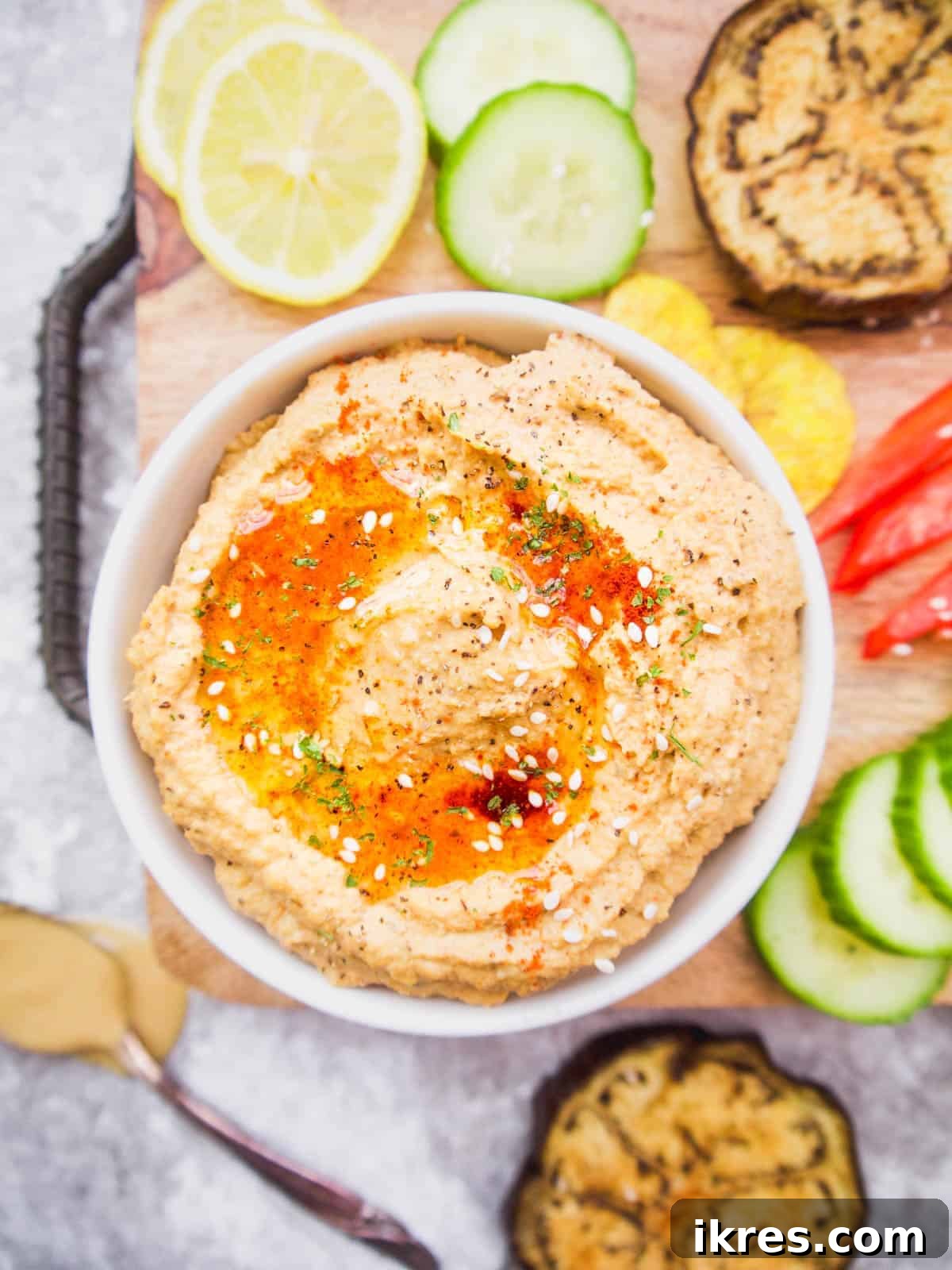
This Mediterranean Cauliflower Hummus stands out as one of my absolute favorite recipes for its incredible depth of flavor and velvety smooth texture. It delivers all the richness and creaminess you’d expect from a traditional roasted vegetable hummus, but ingeniously crafted without any chickpeas. The secret lies in the harmonious blend of sweet roasted red peppers, tender cauliflower, and smoky eggplant, all perfectly seasoned with a classic combination of tahini, bright lemon juice, earthy cumin, aromatic garlic powder, and a touch of high-quality olive oil.
Beyond its fantastic taste, this recipe offers a superb legume-free hummus alternative that naturally aligns with several dietary lifestyles. It is inherently Paleo, Whole30 compliant, entirely Gluten-free, and Dairy-free, making it accessible to a wide audience seeking wholesome and delicious snack options. If your diet includes chickpeas and you’re looking for other exciting variations, you might also enjoy exploring my Savory Pumpkin Hummus or the aromatic Roasted Carrot and Za’atar Hummus.
Table of Contents
- Why This Cauliflower Hummus Is a Must-Try
- Is Traditional Hummus Paleo? A Deeper Look
- Essential Ingredients for Your Mediterranean Hummus
- Step-by-Step Guide to Making Cauliflower Hummus
- Expert Tips for Perfect Cauliflower Hummus
- How to Serve This Versatile Dip
- Storage and Make-Ahead Suggestions
- Frequently Asked Questions About Paleo Hummus
- Other Paleo Snack Recipes You’ll Love
- Mediterranean Cauliflower Hummus (Paleo, Gluten-free) Recipe Card
Why This Cauliflower Hummus Is a Must-Try
This roasted vegetable cauliflower hummus isn’t just a delicious alternative; it’s a stand-alone culinary masterpiece that you’ll want to make again and again. Here’s why it deserves a spot in your recipe rotation:
- Authentic Hummus Flavor, No Chickpeas Needed: Experience the classic, rich, and creamy taste of hummus without any legumes. The clever combination of roasted vegetables and tahini perfectly mimics the traditional profile.
- Perfect for Dietary Restrictions: Whether you’re avoiding chickpeas due to an allergy or following a specific eating plan, this recipe is a game-changer. It’s naturally Paleo, Whole30 compliant, Gluten-free, and Dairy-free.
- Incredibly Easy to Prepare: With straightforward steps, you can whip up a batch of this flavorful hummus quickly, making it ideal for meal prep or last-minute entertaining.
- Rich in Nutrients: Packed with wholesome vegetables like cauliflower, red pepper, and eggplant, this hummus offers a healthy dose of vitamins, minerals, and fiber.
- Versatile and Crowd-Pleasing: It’s a fantastic appetizer, a healthy snack, or a flavorful condiment that pairs beautifully with a wide array of foods, sure to impress any palate.
Is Traditional Hummus Paleo? A Deeper Look
For those adhering to a Paleo diet, understanding which foods are permitted is crucial. The Paleo diet, often referred to as the “caveman diet,” emphasizes foods presumed to have been available to early humans during the Paleolithic era. This typically includes lean meats, fish, fruits, vegetables, nuts, and seeds, while excluding grains, legumes, dairy products, refined sugar, and processed foods.
Given these guidelines, traditional hummus, which is primarily made from chickpeas, does not qualify as Paleo. Chickpeas are legumes, and legumes are generally excluded from the Paleo diet due to their phytic acid and lectin content, which some believe can interfere with nutrient absorption and gut health. Therefore, if you are strictly following Paleo principles, a classic chickpea-based hummus would not be suitable.
However, the good news is that the concept of hummus—a creamy, flavorful dip—can absolutely be adapted to fit a Paleo lifestyle! By substituting chickpeas with other Paleo-friendly ingredients, such as roasted vegetables like cauliflower, you can create a delicious and compliant dip. This recipe does exactly that, transforming humble cauliflower into a rich, creamy, and satisfying “hummus” that adheres perfectly to Paleo and Whole30 guidelines. So, yes, you can enjoy a delicious hummus-like dip while staying true to your dietary choices, as long as it’s made without chickpeas!
Essential Ingredients for Your Mediterranean Hummus
Crafting this incredible chickpea-free hummus requires a simple yet powerful list of fresh produce and pantry staples. Each ingredient plays a vital role in creating its distinctive Mediterranean flavor profile and luscious texture:
- Cauliflower: You’ll need one full head of cauliflower, cut into smaller florets. When roasted, cauliflower becomes wonderfully tender and sweet, providing the perfect creamy base for our hummus. Look for a firm, white head with no dark spots.
- Red Pepper: Half a red pepper, sliced, is essential. Roasting brings out its natural sweetness and a slight smokiness, imparting a vibrant color and authentic Mediterranean flair to the dip.
- Eggplant: Use half of a large eggplant, sliced (or a whole small one if preferred). Roasted eggplant adds an incredible depth of flavor and a silky texture that perfectly complements the other vegetables, enhancing the overall “Mediterranean vibe.”
- Tahini: This rich sesame paste is non-negotiable for that classic hummus taste. Choose a good quality tahini that is smooth and pourable for the best results. It provides a nutty depth and creaminess.
- Olive Oil: You’ll need 5 tablespoons of good quality extra virgin olive oil, divided. One tablespoon is used to coat the vegetables for roasting, helping them caramelize beautifully, while the remaining four tablespoons are blended into the hummus for flavor and a smooth consistency.
- Lemon Juice: Four tablespoons of fresh lemon juice are crucial. It provides a bright, acidic counterpoint to the rich flavors, lifting the entire dip and giving it that signature tangy hummus zing. Always opt for fresh-squeezed!
- Garlic Powder: One teaspoon of garlic powder infuses the hummus with a deep, savory garlic flavor. While fresh garlic can be used, powder integrates smoothly without leaving raw bits.
- Cumin: Half a teaspoon of ground cumin is a classic hummus spice. Its warm, earthy notes are fundamental to the Mediterranean profile of this dip.
- Salt: One teaspoon of salt enhances all the other flavors, bringing them into perfect balance. Adjust to your personal preference.
- Black Pepper: A quarter teaspoon of black pepper adds a subtle warmth and a touch of spice.
- Paprika for Garnish: A sprinkle of paprika not only adds a beautiful pop of color but also a mild, sweet peppery aroma as a final flourish.
- Extra Olive Oil for Garnish: A drizzle of extra olive oil on top before serving adds a luxurious sheen and an extra layer of flavor.
Refer to the recipe card below for precise measurements and detailed instructions.
Step-by-Step Guide to Making Cauliflower Hummus
Creating this rich and creamy Mediterranean Cauliflower Hummus is a simple two-part process: first, roasting the vegetables to perfection, and then blending everything into a smooth, irresistible dip. Follow these detailed steps for the best results:
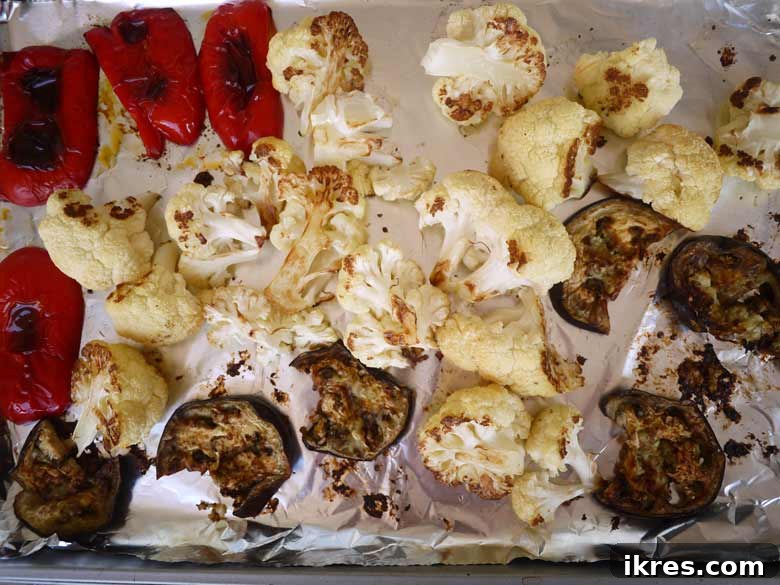
Step 1: Prepare and Roast the Vegetables. Begin by preheating your oven to a robust 400 degrees Fahrenheit (200°C). Line a large cookie sheet with aluminum foil for easy cleanup, then drizzle 1 tablespoon of olive oil evenly over the foil. Arrange the cauliflower florets, sliced red pepper, and sliced eggplant in a single layer on the prepared pan. Toss the vegetables gently to ensure they are nicely coated in the olive oil. Roast them in the preheated oven for approximately 40 minutes, making sure to flip them halfway through to ensure even caramelization. The vegetables should become tender and slightly browned, with beautiful caramelized edges, which intensifies their natural sweetness and depth of flavor. Once roasted, remove the pan from the oven and allow the vegetables to cool completely before proceeding.
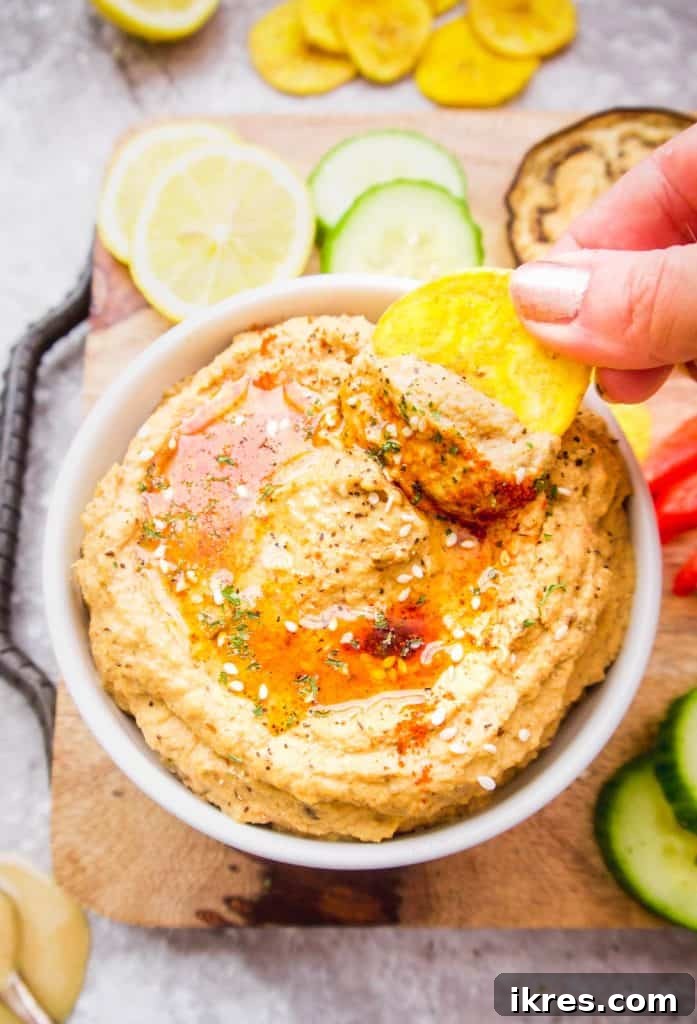
Step 2: Blend to Perfection. Once your roasted vegetables have cooled, transfer them to a high-speed blender or food processor. Add the remaining 4 tablespoons of olive oil, the tahini, fresh lemon juice, salt, garlic powder, black pepper, and cumin. Blend all the ingredients until they transform into a smooth, creamy hummus texture. You may need to stop and scrape down the sides of the blender with a spatula a few times to ensure everything is thoroughly incorporated and to achieve the desired consistency. This blending process typically takes about 3-5 minutes, depending on the power of your blender. Once smooth and creamy, spoon the hummus into a serving bowl.
Expert Tips for Perfect Cauliflower Hummus
Achieving the perfect consistency and flavor for your homemade cauliflower hummus is easy with a few insider tips:
- Customize Seasonings to Your Liking: The beauty of homemade hummus is its adaptability. Feel free to adjust the amounts of lemon juice, tahini, olive oil, cumin, garlic powder, and salt to match your personal taste preferences. Don’t be afraid to taste and tweak!
- Achieve Your Desired Texture: If you prefer a thinner, silkier hummus, gradually add more olive oil or a tablespoon of water while blending until you reach your desired consistency. For a thicker dip, ensure your roasted vegetables are well-drained and blend thoroughly.
- Don’t Skimp on Roasting: The key to the deep, rich flavor of this hummus comes from perfectly caramelized vegetables. Ensure your cauliflower, red pepper, and eggplant are tender and slightly browned with crispy edges. This roasting process develops the natural sugars and adds an incredible depth that raw vegetables simply can’t provide.
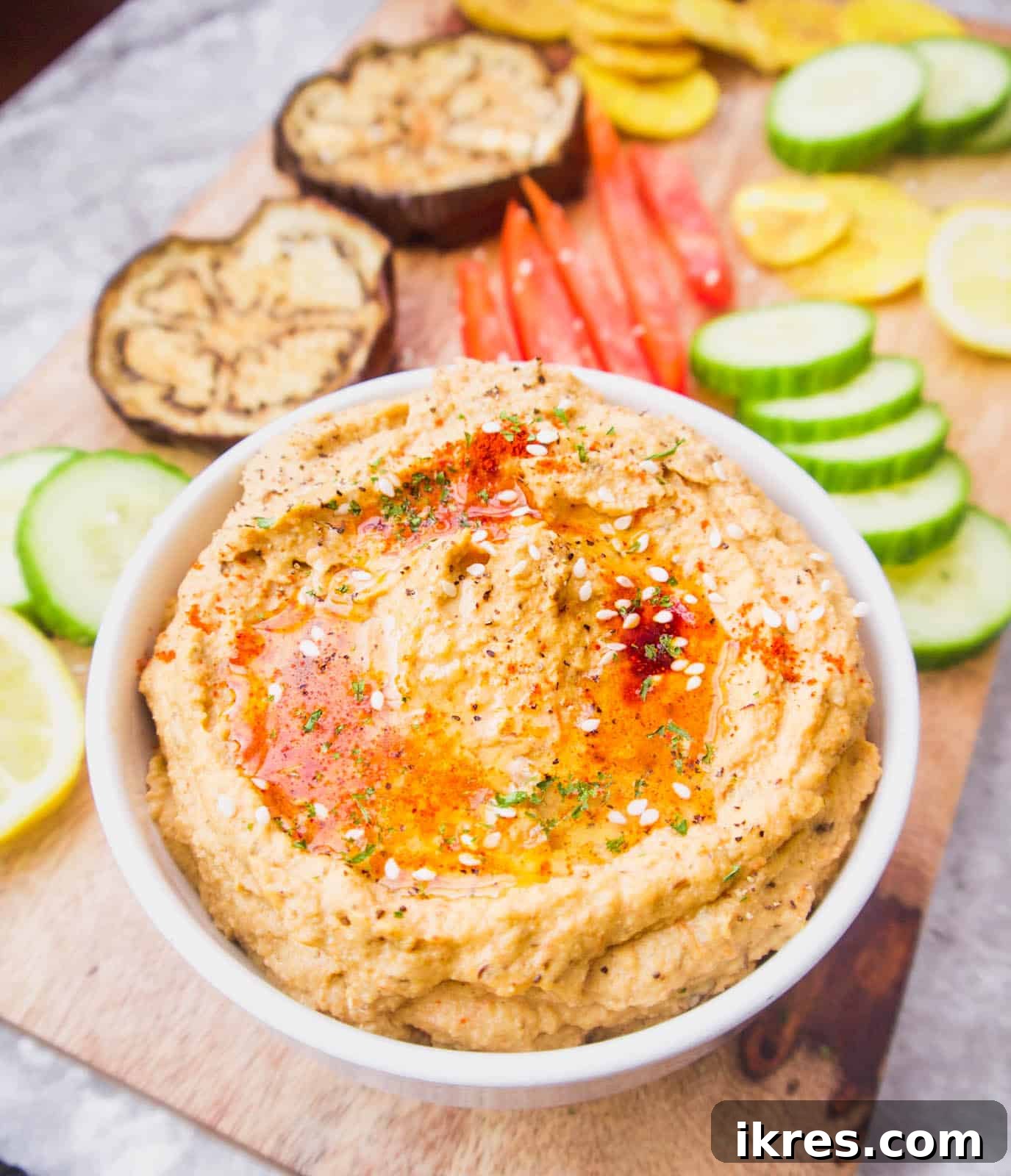
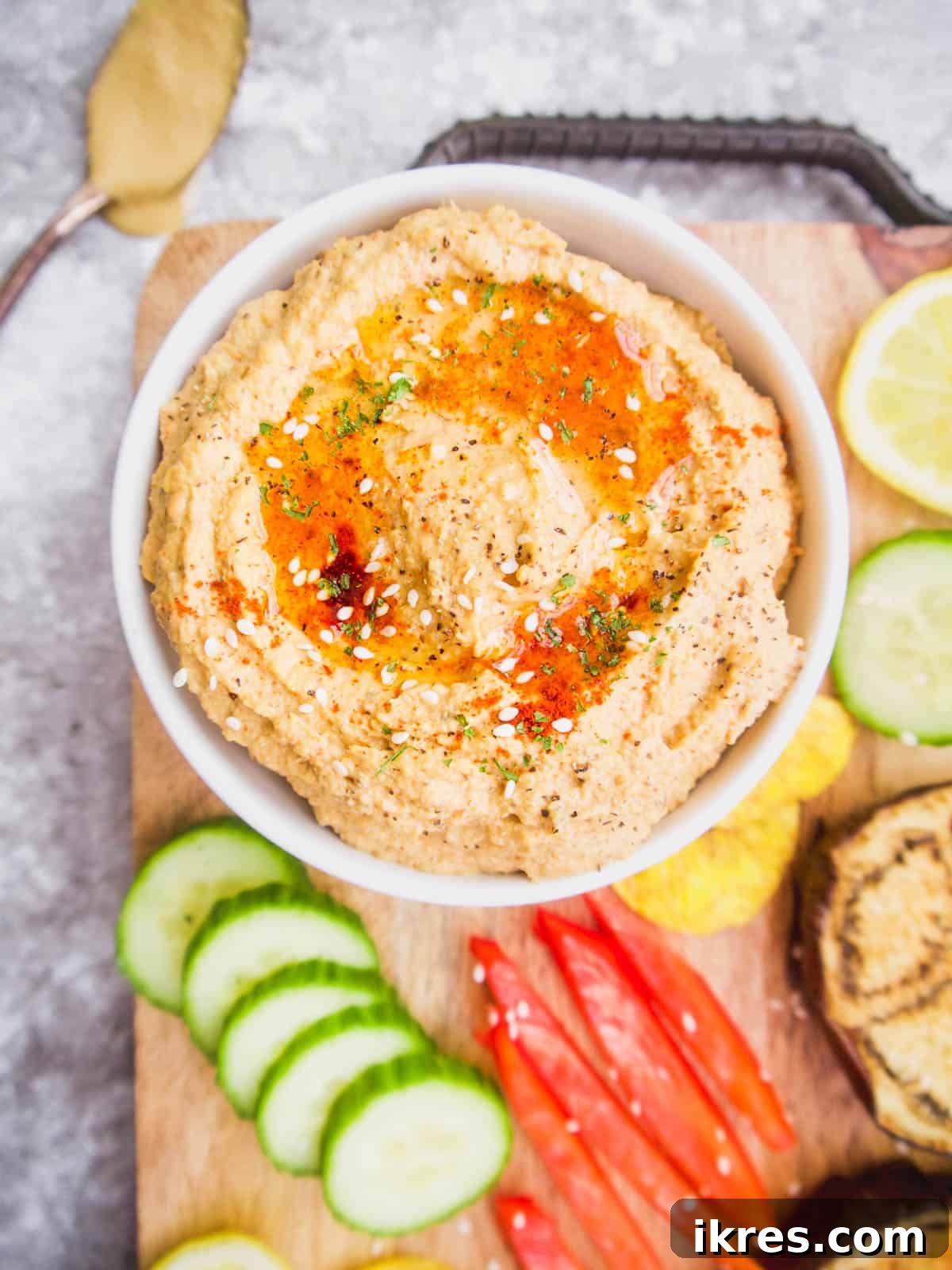
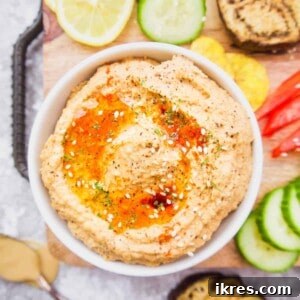
- Serve with a Flourish: For an elevated presentation, transfer your finished hummus to a shallow bowl, create a swirl with the back of a spoon, and drizzle generously with extra virgin olive oil. A sprinkle of paprika and a few fresh herb sprigs (like parsley or cilantro) can add both visual appeal and a fresh aroma.
- Use a High-Speed Blender or Food Processor: While a regular blender might work, a high-speed blender or a powerful food processor will yield the creamiest, smoothest hummus texture with minimal effort. Blend until there are no noticeable chunks.
- Cool Completely: Allow the roasted vegetables to cool down before blending. This prevents the olive oil from separating and helps achieve a better, more stable emulsion for a truly creamy texture.
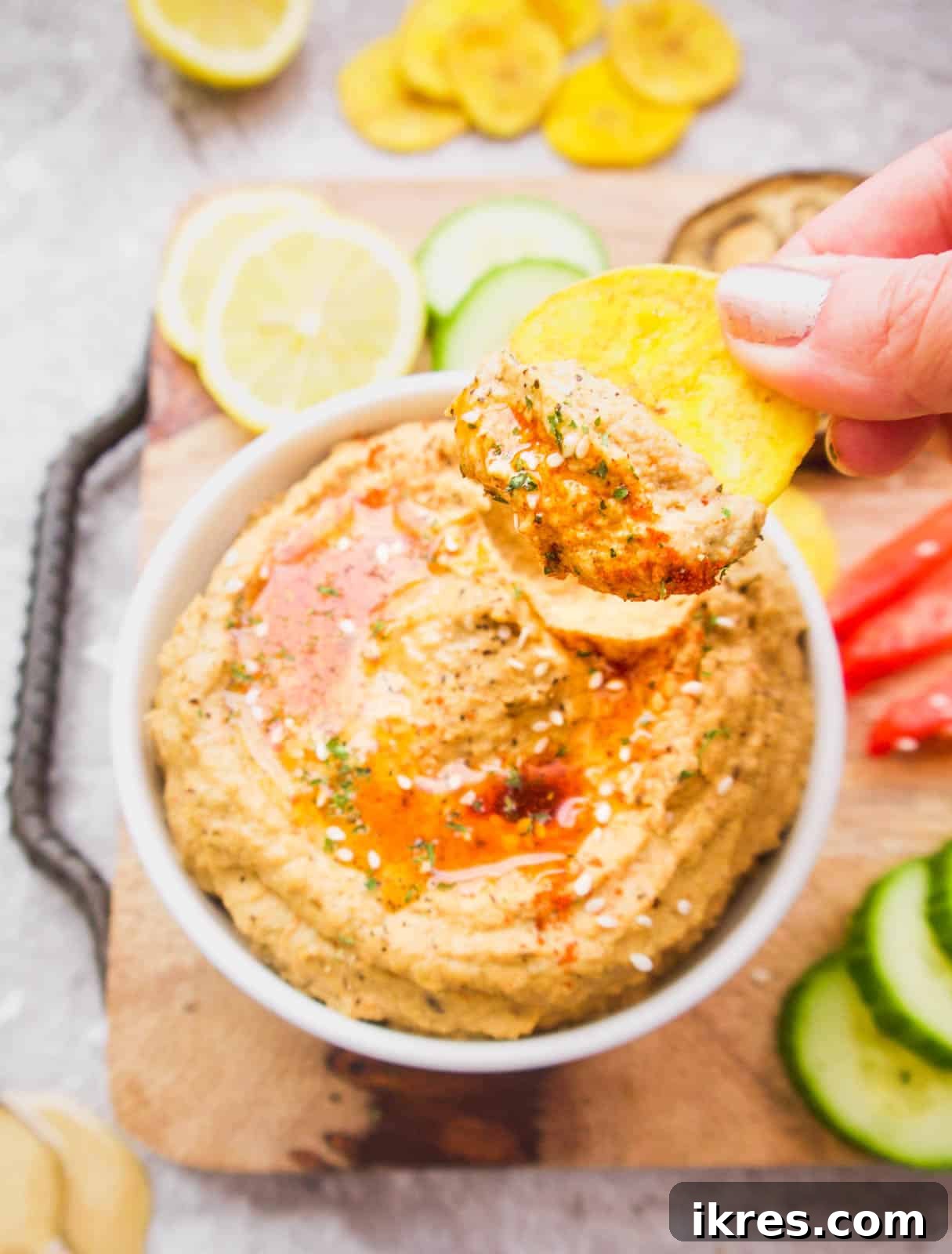
How to Serve This Versatile Dip
This Mediterranean Cauliflower Hummus is incredibly versatile and makes a fantastic addition to almost any meal or snack spread. Here are some delightful ways to serve it:
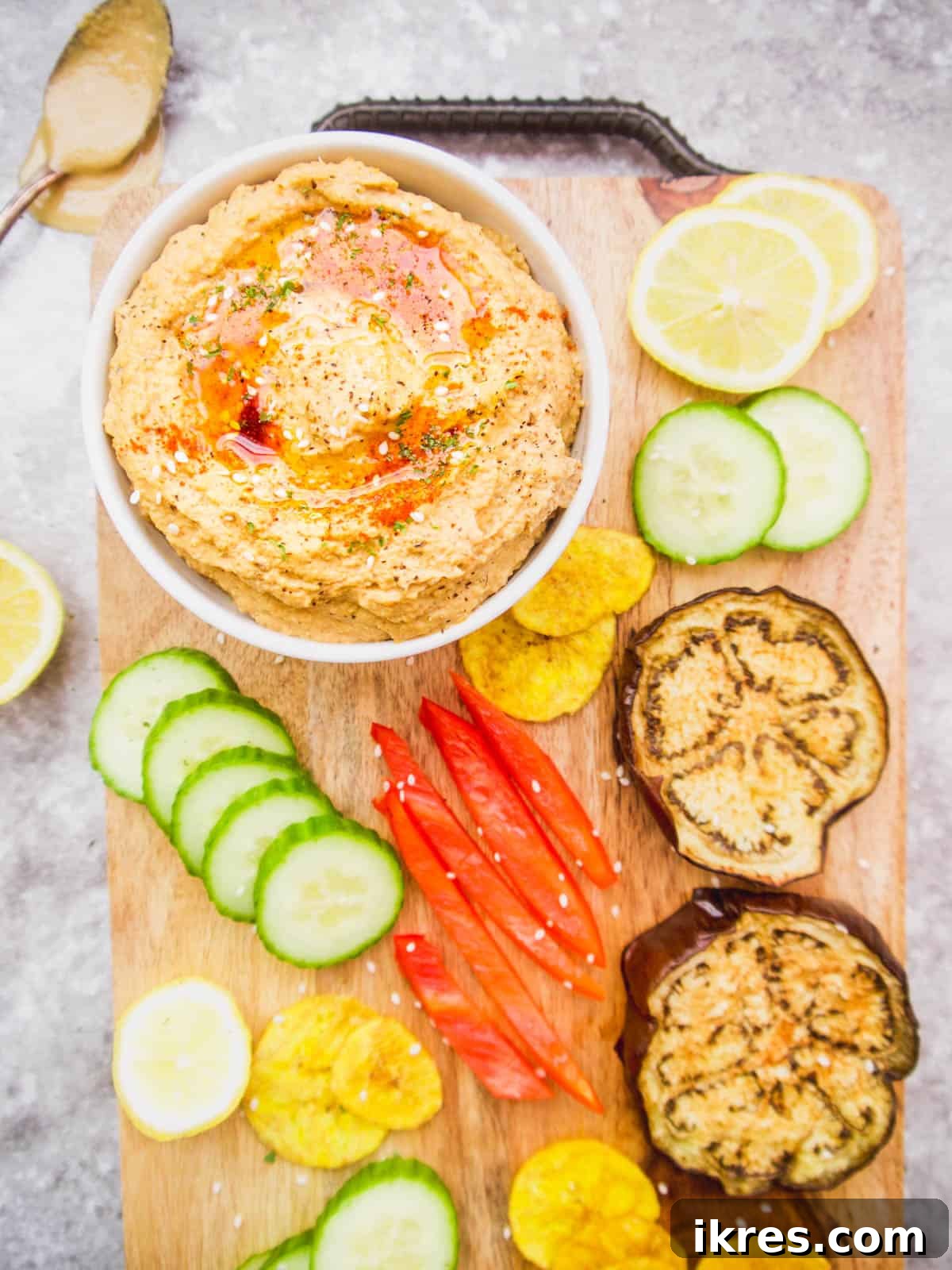
- Classic Veggie Dippers: Pair it with an assortment of crisp, raw vegetables. Think carrot sticks, cucumber slices, vibrant red pepper strips, cherry tomatoes, celery sticks, and broccoli florets. It’s a healthy and refreshing combination.
- Crunchy Chips & Crackers: Serve alongside your favorite chips or crackers that fit your dietary needs. Plantain chips are an excellent Paleo and gluten-free option that adds a satisfying crunch. Consider sweet potato chips or even homemade veggie chips for a nutritious twist.
- Homemade Paleo Crackers: For a completely homemade and compliant snack, check out my Paleo Everything Almond Crackers. They are a perfect crunchy companion for this creamy hummus.
- As a Sandwich or Wrap Spread: Ditch the mayonnaise! This hummus makes a flavorful and healthy spread for lettuce wraps, collard green wraps, or even on gluten-free bread for sandwiches.
- With Grilled Meats or Fish: Serve a dollop of this hummus alongside grilled chicken, lamb, or fish for a burst of Mediterranean flavor. It complements the smoky notes of grilled proteins beautifully.
- In a Mezze Platter: Create an impressive mezze platter with this hummus as the star. Add olives, sun-dried tomatoes, sliced cucumbers, and some fresh herbs for a vibrant spread.
- Healthy Snack Ideas: For more inspiration on gluten-free and dairy-free snack pairings, explore this list of Gluten-free Dairy-free Snacks from Allergy Awesomeness – many options would be fantastic with this hummus.
Storage and Make-Ahead Suggestions
This Mediterranean Cauliflower Hummus is a fantastic candidate for meal prepping, allowing you to enjoy its delicious flavor throughout the week. Proper storage ensures it remains fresh and tasty:
- Refrigeration: Store any leftover hummus in an airtight container in the refrigerator. It will maintain its freshness and best flavor for up to 4-5 days. While storing, you might notice a slight separation of olive oil; simply stir it back in before serving.
- Freezing: For longer storage, this hummus freezes surprisingly well! Transfer the hummus to a freezer-safe airtight container, leaving about an inch of headspace. You can also drizzle a thin layer of olive oil on top before freezing to help preserve its texture and prevent discoloration. It can be frozen for up to 2-3 months. When ready to enjoy, thaw it in the refrigerator overnight. Give it a good stir, and if needed, add a touch more olive oil or lemon juice to restore its original creaminess and zest.
- Make-Ahead Tip: You can prepare a large batch of this hummus on the weekend and have healthy snacks and meal components ready for busy weekdays. The flavors tend to meld and deepen slightly after a day in the refrigerator, often making it even more delicious!
Frequently Asked Questions About Paleo Hummus
Here are some common questions about making and enjoying chickpea-free, Paleo-friendly hummus:
- Is cauliflower hummus healthy?
- Absolutely! Cauliflower hummus is a fantastic healthy alternative to traditional hummus. Cauliflower is low in calories and carbohydrates, and rich in vitamins C and K, as well as fiber. When combined with healthy fats from olive oil and tahini, it becomes a nutrient-dense dip that supports overall well-being.
- Can I use frozen cauliflower?
- While fresh cauliflower is recommended for optimal texture and flavor when roasting, you can use frozen cauliflower. Thaw it completely and pat it very dry before roasting to ensure it caramelizes rather than steams. The texture might be slightly softer, but it will still yield a delicious hummus.
- What if I don’t have tahini?
- Tahini is crucial for the authentic hummus flavor. If you absolutely can’t find it, you could experiment with other nut or seed butters like cashew butter or sunflower seed butter, but the flavor profile will significantly change. It won’t taste like traditional hummus without tahini.
- How can I make it spicier?
- To add a kick, you can blend in a pinch of cayenne pepper or a dash of red pepper flakes. For a more robust spicy flavor, roast a small jalapeño or serrano pepper along with the other vegetables and blend it into the hummus.
- Can I add other roasted vegetables?
- Yes, definitely! This recipe is adaptable. You can experiment by roasting other vegetables like zucchini, bell peppers of different colors, or even carrots to add different flavors and nutritional benefits. Just ensure they are roasted until very tender.
- What’s the best way to get a super smooth consistency?
- For the silkiest hummus, ensure your roasted vegetables are extremely tender. Use a high-speed blender and blend for a longer duration, stopping to scrape down the sides frequently. Gradually adding a bit more olive oil or a tablespoon of ice water can also help achieve extra creaminess.
Other Paleo Snack Recipes You’ll Love:
Did you try this amazing recipe? We would love to hear from you! Please leave me a ⭐ review below! Your feedback helps other home cooks discover and enjoy these wholesome recipes.
Mediterranean Cauliflower Hummus (Paleo, Gluten-free)
Dominique
6
10 mins
40 mins
50 mins
Ingredients
- 1 head cauliflower, cut into smaller florets
- 1/2 red pepper, sliced
- 1/2 large eggplant, sliced (if your eggplant is small, use all of it)
- 4 Tbs tahini
- 5 Tbs olive oil (divided: 4 Tbs for the hummus, 1 Tbs to roast the veggies)
- 4 Tbs lemon juice, freshly squeezed
- 1 tsp salt
- 1 tsp garlic powder
- 1/4 tsp black pepper
- 1/2 tsp cumin
- paprika for garnish
- extra olive oil for garnish
Instructions
- Preheat your oven to 400 degrees Fahrenheit (200°C).
- Cover a large cookie sheet with aluminum foil and pour 1 tablespoon of olive oil on top.
- Place the eggplant, sliced red peppers, and cauliflower florets on the pan. Toss them gently to ensure they are nicely coated in the olive oil.
- Roast for 40 minutes. Remember to flip the vegetables halfway through to ensure even cooking and caramelization.
- Once roasted, remove the pan from the oven and allow the vegetables to cool completely.
- Transfer the cooled roasted vegetables, tahini, the remaining 4 tablespoons of olive oil, lemon juice, salt, garlic powder, black pepper, and cumin into a high-speed blender or food processor.
- Blend the ingredients until they achieve a smooth and creamy hummus texture. You may need to stop and scrape down the sides of the blender with a spatula as needed. This process usually takes about 3-5 minutes, depending on your blender’s power.
- Once the hummus is perfectly blended, spoon it into a serving bowl. Garnish with a sprinkle of paprika and a drizzle of extra olive oil, then serve and enjoy!
Notes
- Customize the seasonings to your tastes. You can always add more or less of the lemon, tahini, olive oil, cumin, etc., to suit your preference.
- If you desire a thinner texture for your hummus, gradually add a little more olive oil or a tablespoon of water while blending until you reach your preferred consistency.
- For an attractive presentation, once the hummus is in a bowl, create a swirl on top with a spoon and add an extra drizzle of high-quality olive oil before serving.
- Store leftover hummus in an airtight container in the refrigerator for up to 4-5 days.
Nutrition
Calories:
203kcal
Carbohydrates:
11g
Protein:
4g
Fat:
17g
Saturated Fat:
3g
Polyunsaturated Fat:
4g
Monounsaturated Fat:
11g
Sodium:
422mg
Potassium:
461mg
Fiber:
4g
Sugar:
4g
Vitamin A:
329IU
Vitamin C:
64mg
Calcium:
43mg
Iron:
1mg
Nutrition information is automatically calculated, so should only be used as an approximation.
Additional Info
Appetizer, Dip, Snack
Mediterranean, American (Paleo Adapted)
Tried this recipe?
Mention @perchancetocook or tag #perchancetocook!