
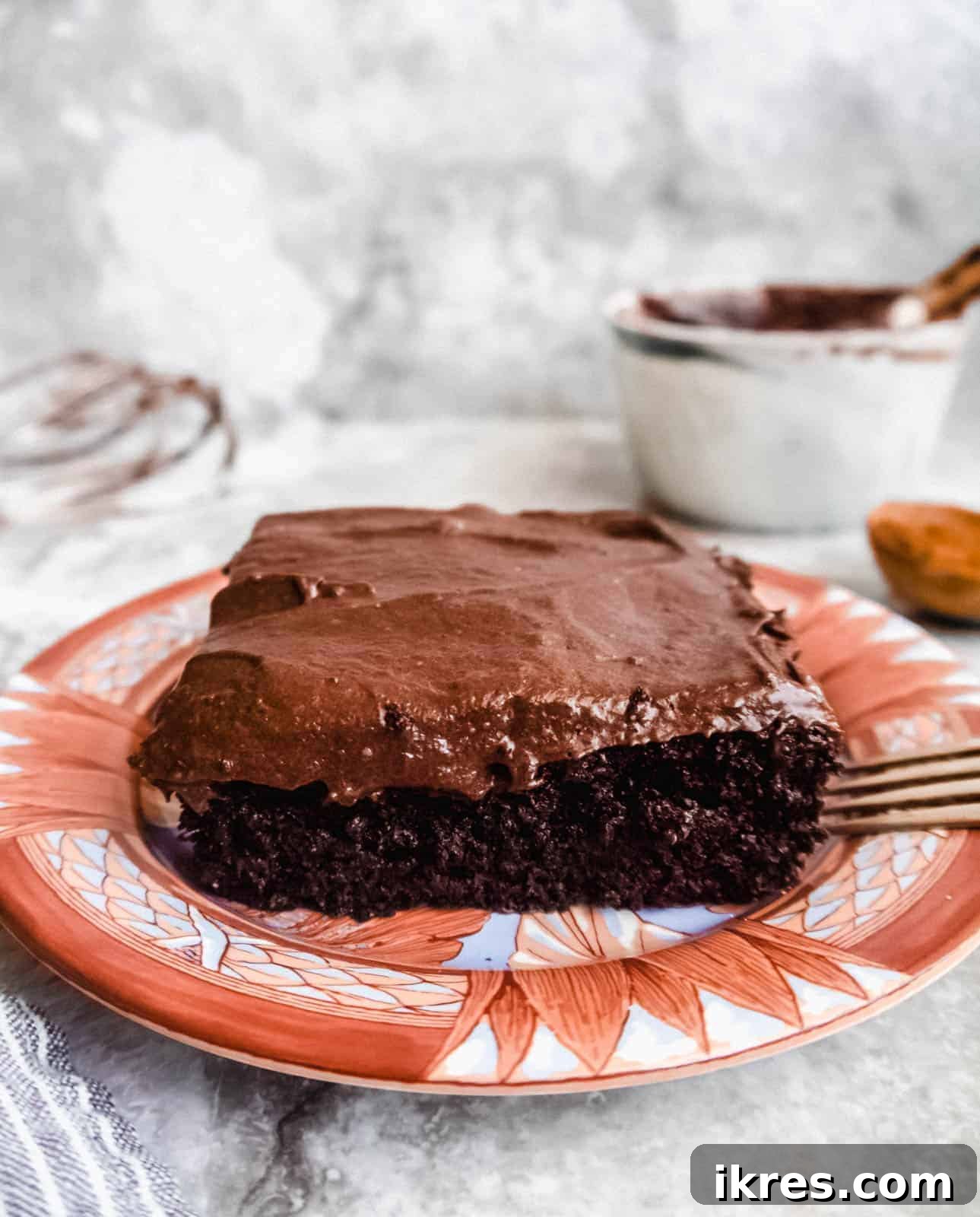
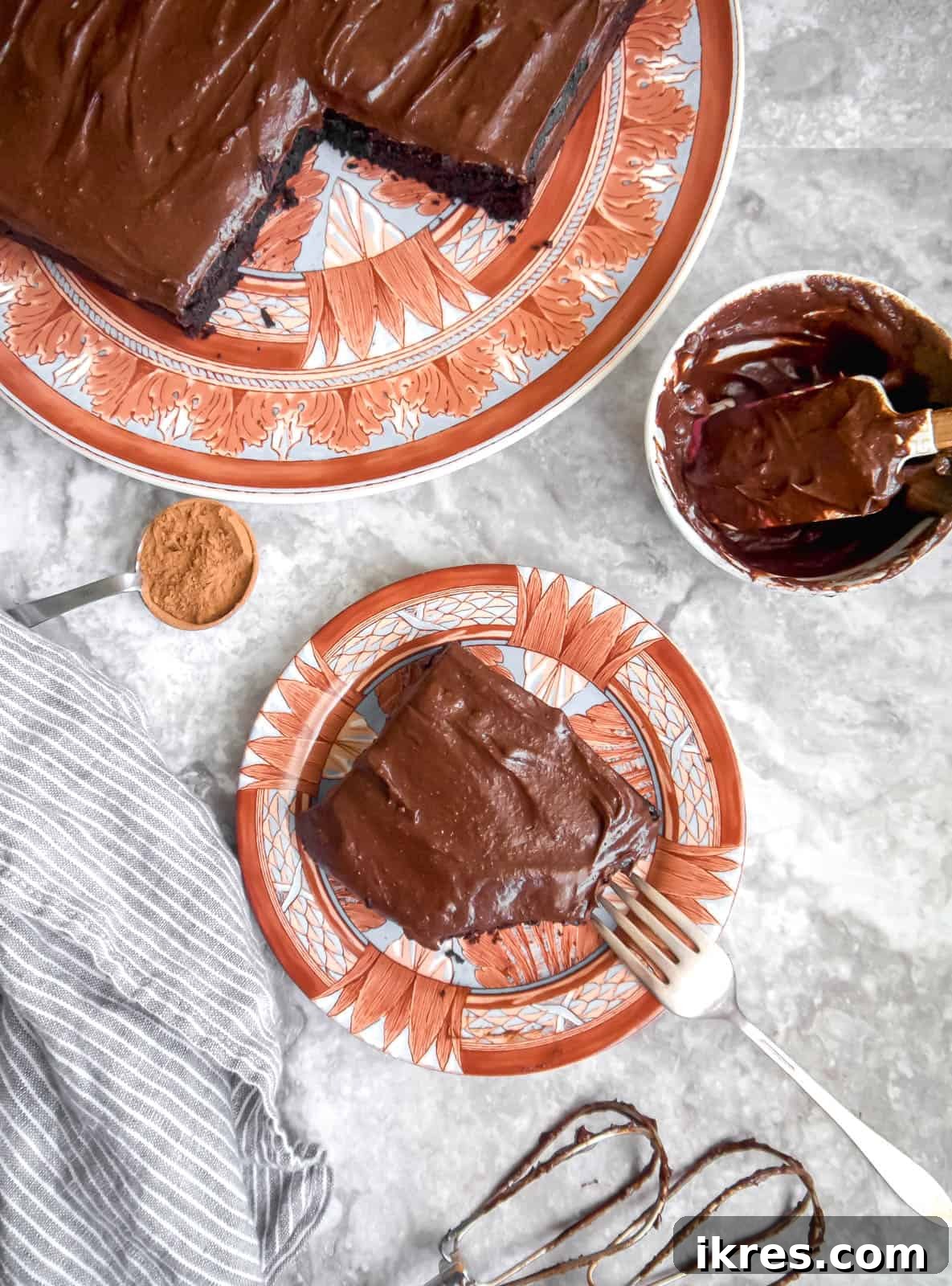
Craving a rich, decadent chocolate cake that satisfies your sweet tooth without compromising your health goals? Look no further than this incredible Paleo Single Layer Chocolate Cake with Chocolate Frosting! This recipe delivers a wonderfully moist, intensely chocolatey cake crowned with a fluffy, mousse-like coconut oil chocolate frosting. It’s a true game-changer for anyone adhering to a Paleo, gluten-free, or dairy-free lifestyle, proving that healthier desserts can be just as indulgent.
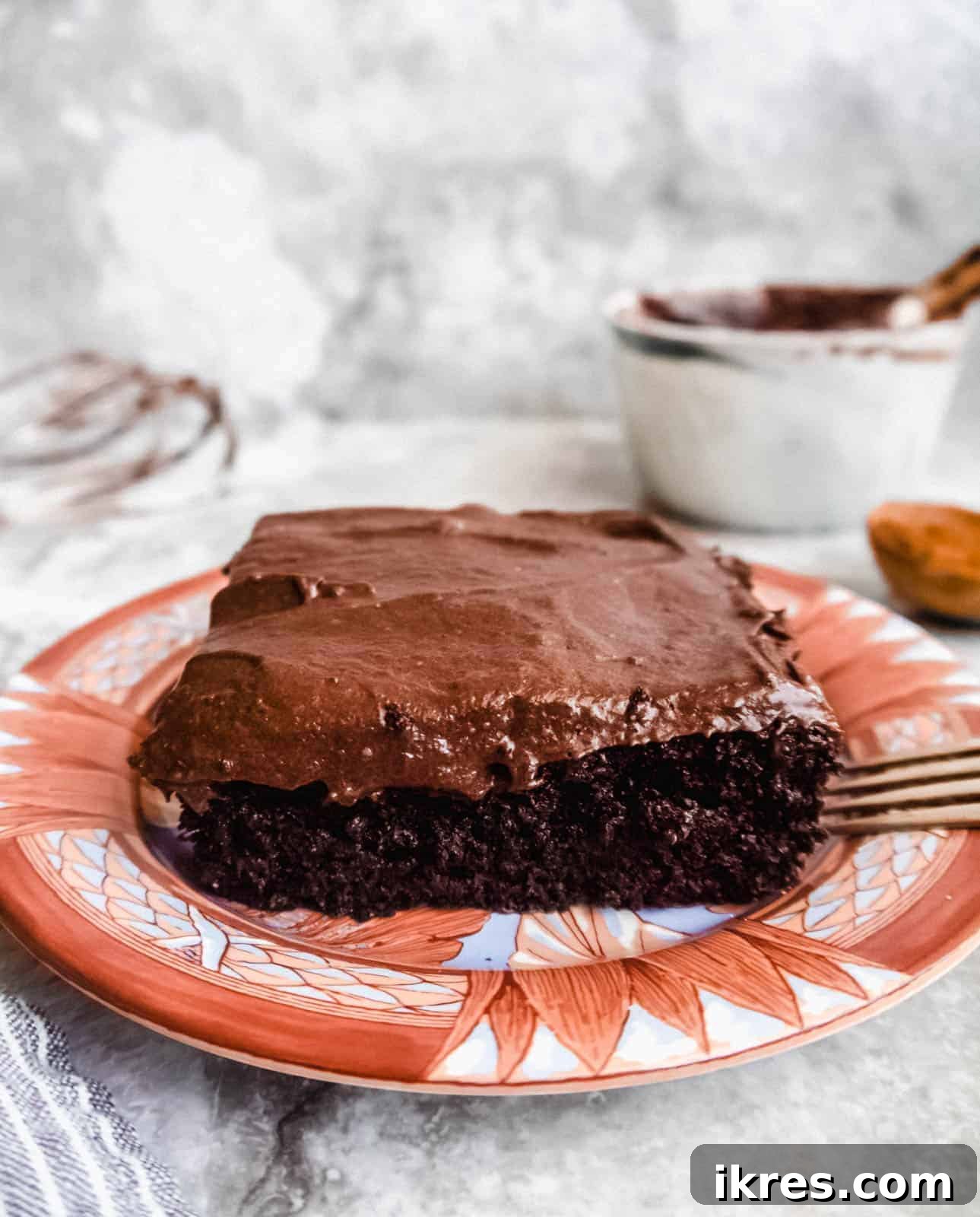
There are moments when only a slice of chocolate cake will do. After weeks of battling a persistent chocolate cake craving, I knew I needed to create a recipe that was not only delicious but also aligned with a healthier lifestyle. The result? This sensational Paleo Single Layer Chocolate Cake with Chocolate Frosting – a recipe designed to curb those cravings in the most delightful way possible.
This cake is an absolute dream. Each bite offers a harmonious blend of deep chocolate flavor and a tender, moist crumb, perfectly complemented by a light, airy frosting that truly melts in your mouth. It’s quickly become my go-to chocolate cake recipe, earning rave reviews from everyone who tries it.
What makes this cake truly remarkable is its ability to taste utterly sinful while being completely Paleo, dairy-free, refined sugar-free, refined flour-free, and gluten-free. It’s a testament to how incredible baking with wholesome, natural ingredients can be, without sacrificing flavor or texture. You honestly won’t believe it’s “healthy”!
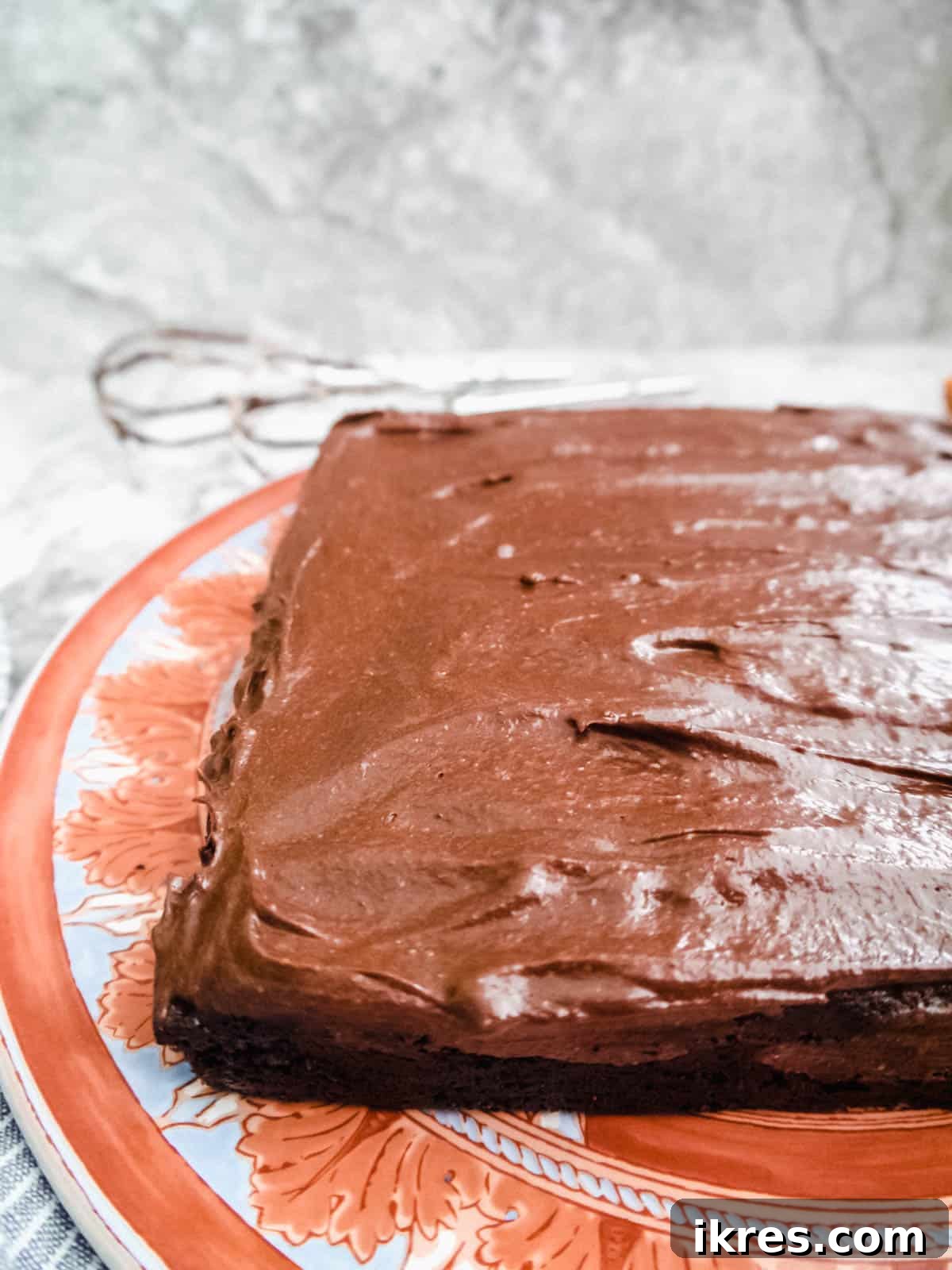
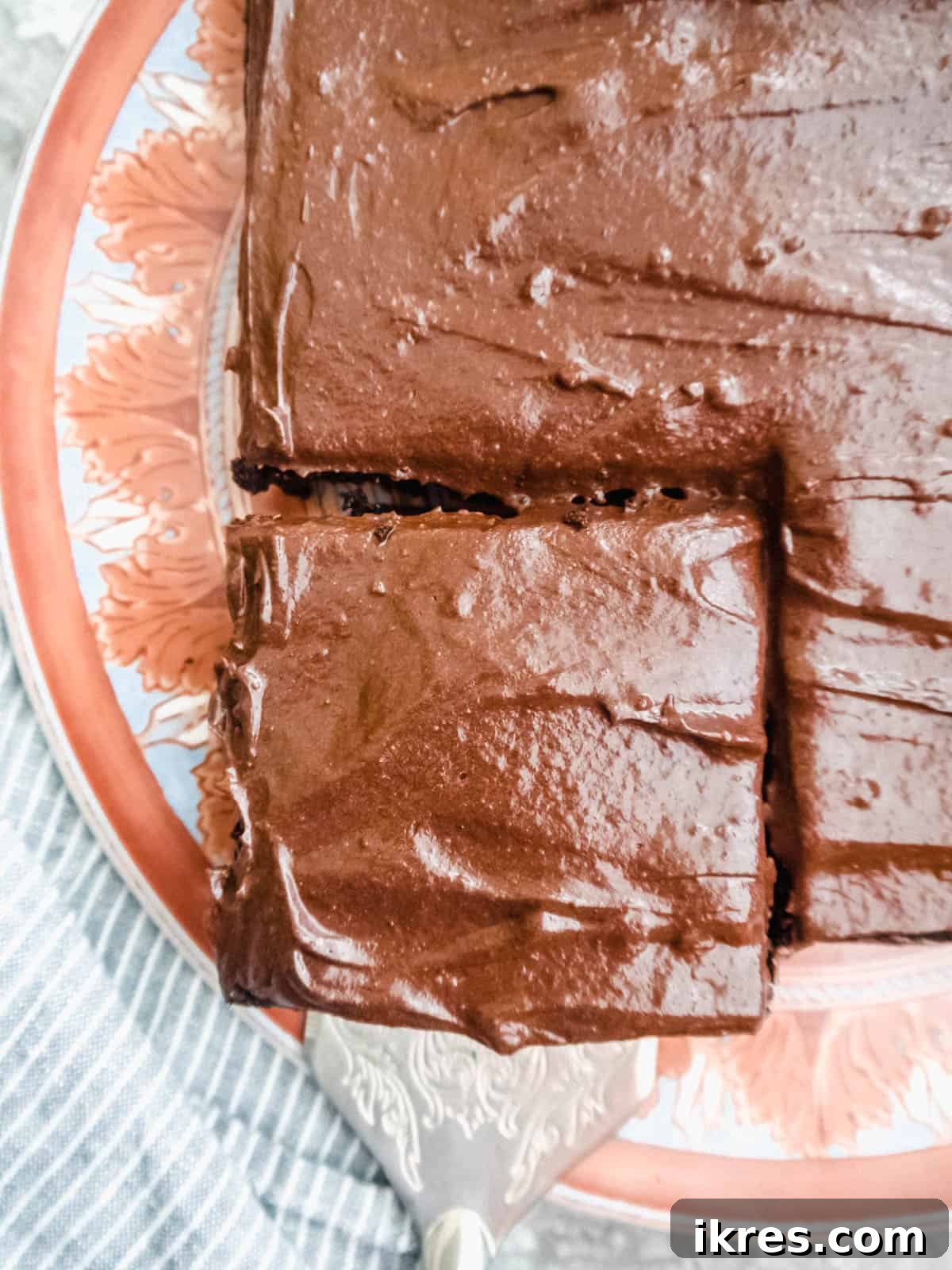
How is this Chocolate Cake Paleo and Gluten-Free? Unlocking Healthy Indulgence
The secret to this cake’s Paleo and gluten-free status lies in a thoughtful combination of alternative, healthier-for-you ingredients that mimic the best qualities of traditional baking components. By making smart swaps, we create a dessert that is not only delicious but also caters to specific dietary needs without compromising on taste or texture.
Instead of relying on conventional white flour, which contains gluten and is not Paleo-friendly, this recipe utilizes a blend of three powerhouse flours: almond flour, tapioca flour, and coconut flour. Almond flour provides a rich, tender texture and a boost of protein and healthy fats. Tapioca flour acts as a superb binding agent, lending a desirable chewiness and structure to the cake, while coconut flour, known for its high absorbency, contributes to the cake’s incredible moisture content and fiber. Together, this trio creates a perfectly balanced, grain-free foundation.
For sweetness, we opt for coconut sugar over refined white sugar. Coconut sugar is a natural sweetener derived from the sap of coconut palm, offering a rich, caramel-like flavor and a lower glycemic index, meaning it causes a slower rise in blood sugar compared to conventional sugars. This makes the cake a more stable and satisfying treat.
When it comes to fats, coconut oil steps in as a fantastic dairy-free alternative to butter. It provides essential healthy fats and contributes to the cake’s luscious moisture. Its unique properties are also crucial for the frosting’s mousse-like consistency.
Finally, almond milk replaces traditional buttermilk or cow’s milk, ensuring the cake remains entirely dairy-free. It adds a delicate creaminess and liquid balance to the batter without introducing lactose or dairy proteins.
The synergy of these carefully selected ingredients results in a truly exceptional chocolate cake that is naturally dairy-free, grain-free, and gluten-free, making it accessible and enjoyable for a wider audience without sacrificing the classic comfort of a homemade chocolate cake.
Key Ingredients for Your Decadent Paleo Chocolate Cake
Crafting this incredible Paleo chocolate cake requires a selection of wholesome ingredients, each playing a vital role in achieving its rich flavor and perfect texture. Here’s what you’ll need for both the cake and its luxurious frosting:
For the Paleo Single Layer Chocolate Cake:
- Almond flour: The foundation for a tender, gluten-free crumb.
- Tapioca flour: Essential for binding and a slight chewiness.
- Coconut flour: Adds fiber and helps maintain moisture.
- Coconut sugar: A natural, lower-glycemic sweetener with a caramel note.
- Unsweetened cocoa powder: For that intense, deep chocolate flavor.
- Cream of tartar: Works with baking soda to give the cake lift.
- Baking soda: A leavening agent for a fluffy texture.
- Salt: Balances sweetness and enhances chocolate flavor.
- Almond milk: A dairy-free liquid that adds moisture.
- Egg: Acts as a binder and contributes to structure.
- Vanilla extract: Enhances the overall flavor profile.
- Coconut oil (melted): Provides richness and healthy fats.
- Black coffee (room temperature): Deepens the chocolate flavor without making the cake taste like coffee.
And for the Paleo Chocolate Frosting:
- Coconut oil (room temperature, hardened): The base for a creamy, mousse-like frosting.
- Coconut sugar: Sweetens the frosting naturally.
- Unsweetened cocoa powder: For that rich chocolate frosting taste.
- Coconut cream (room temperature): Adds richness and creaminess.
- Vanilla extract: Aromatic enhancer for the frosting.
- Maple syrup: Another natural sweetener that contributes to smoothness.
Each ingredient is chosen not only for its Paleo and allergy-friendly attributes but also for its contribution to the cake’s overall taste and texture. The interplay of these components creates a genuinely irresistible dessert that caters to specific dietary needs without compromise.
Expert Tips for Crafting Your Perfect Paleo Chocolate Cake
Baking a Paleo, gluten-free, and dairy-free cake can sometimes require a slightly different approach than traditional baking. These tips will ensure your Paleo Single Layer Chocolate Cake turns out perfectly every time, delivering that rich, moist, and utterly delicious experience you crave.
Tip 1: Precision in Coconut Oil Measurement for Cake & Frosting. Coconut oil behaves differently depending on its temperature, and accurate measurement is key for both the cake and the frosting. For the cake batter, you need to measure the coconut oil in its melted state. This ensures it fully integrates into the liquid ingredients, contributing to the cake’s moistness. For the frosting, however, it’s crucial to measure the coconut oil when it’s in its hardened, room temperature state. This solid form is what allows the frosting to whip up into a fluffy, mousse-like consistency. Being meticulous with this distinction will prevent issues with texture and consistency in both components.
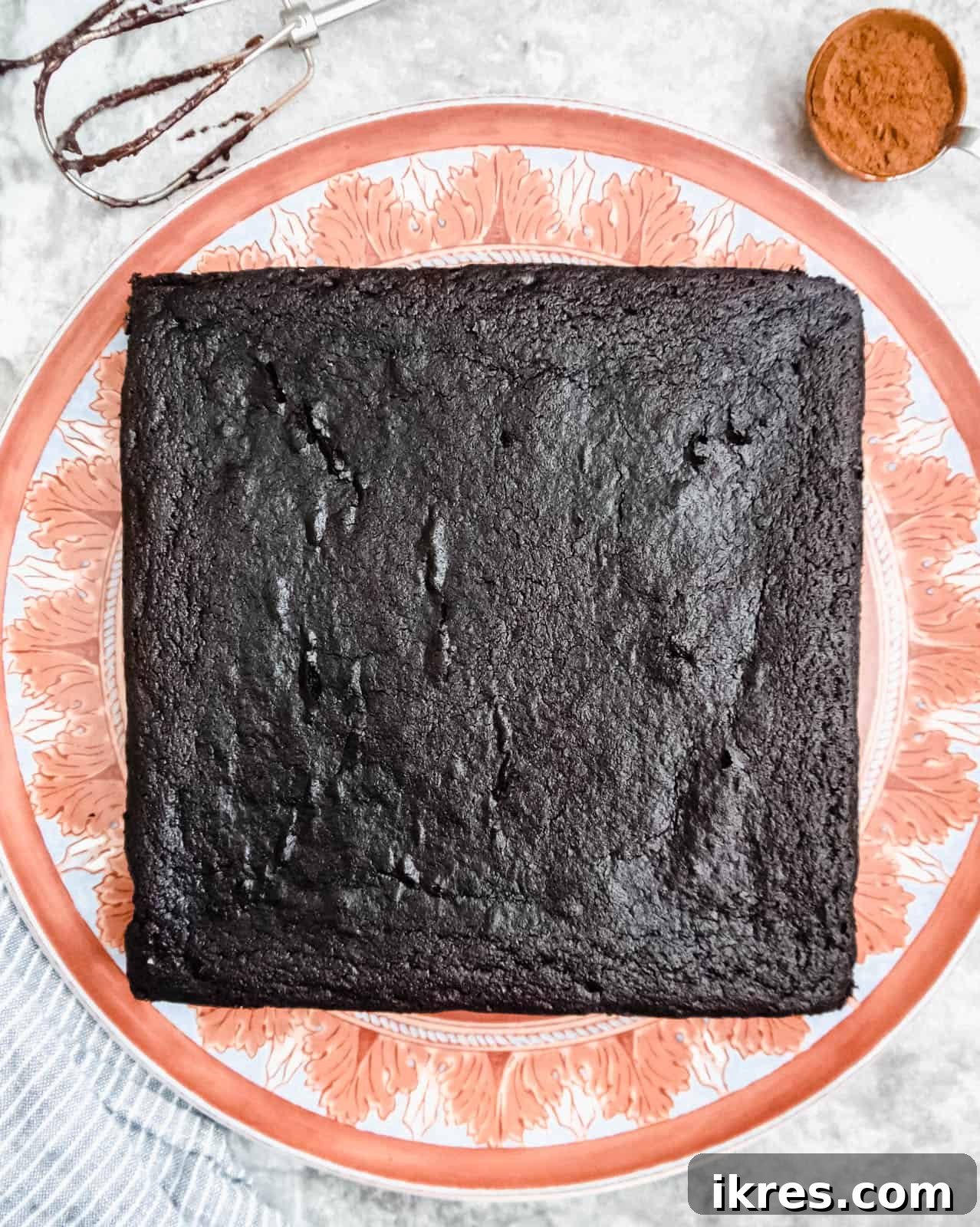
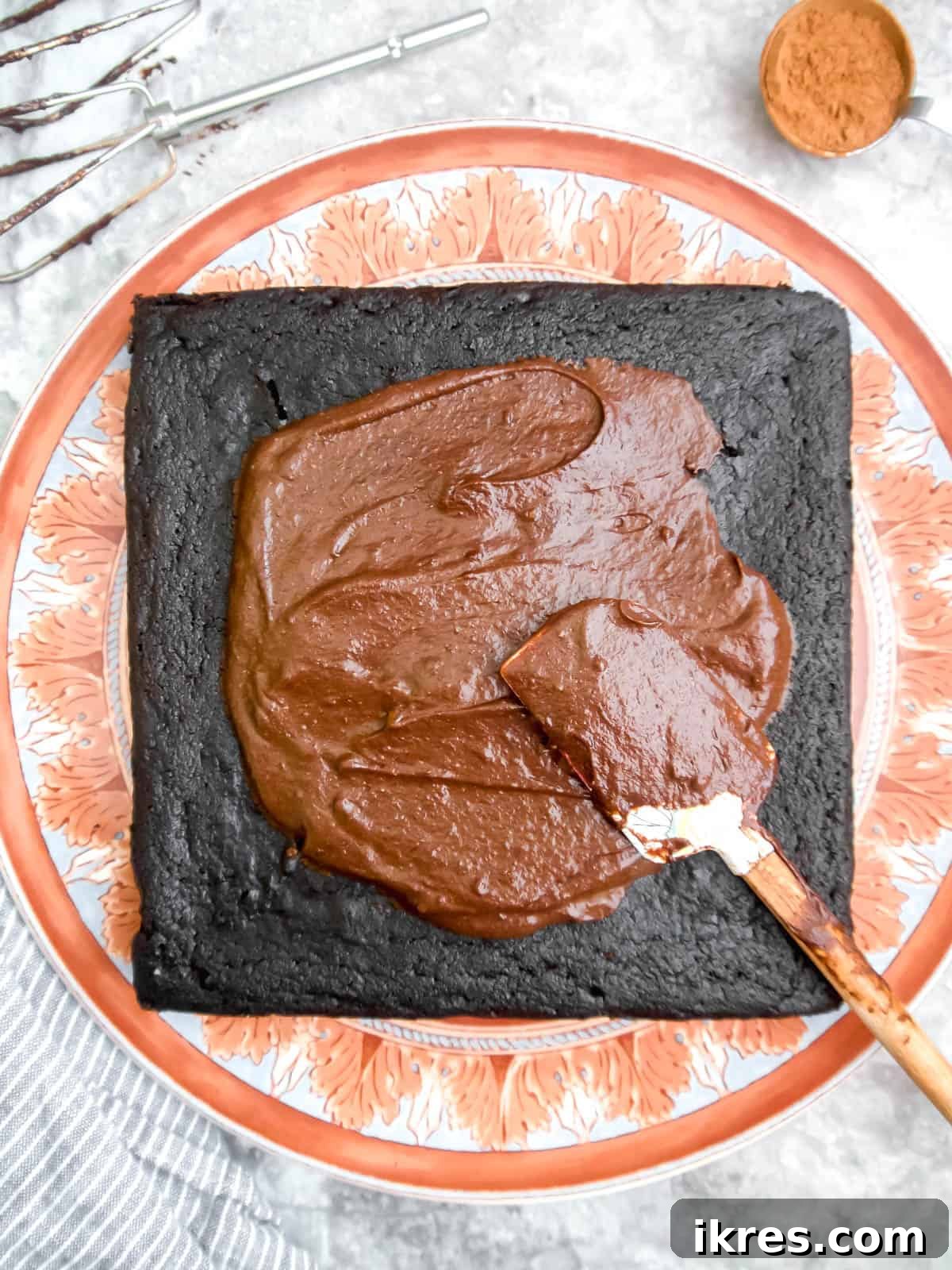
Tip 2: Patience is a Virtue – Cool the Cake Completely. It’s incredibly tempting to frost a cake as soon as it comes out of the oven, but for this recipe, absolute patience is non-negotiable. You must allow the chocolate cake to cool completely before you even think about applying the frosting. Why? The frosting’s delicate, mousse-like texture is achieved with room temperature coconut oil. If the cake is still warm, even slightly, it will melt the coconut oil in the frosting, leading to a runny, greasy mess rather than a beautiful, fluffy topping. Plan ahead and ensure your cake is thoroughly cooled, ideally for at least an hour, or even longer, before proceeding to the frosting stage.
Tip 3: Enjoy at Room Temperature for Optimal Flavor and Texture. This Paleo chocolate cake truly shines when served at room temperature. At this temperature, the cake’s moistness is at its peak, and the flavors are fully developed and vibrant. I strongly advise against storing the cake in the refrigerator, as the cold can cause it to dry out and the coconut oil in both the cake and frosting to harden significantly, resulting in a less pleasant, firmer texture. However, if you must refrigerate leftovers, don’t despair! Simply take the cake out of the fridge an hour or two before serving, allowing it ample time to return to room temperature. This re-warms the coconut oil and restores the cake’s delightful moistness and soft texture.
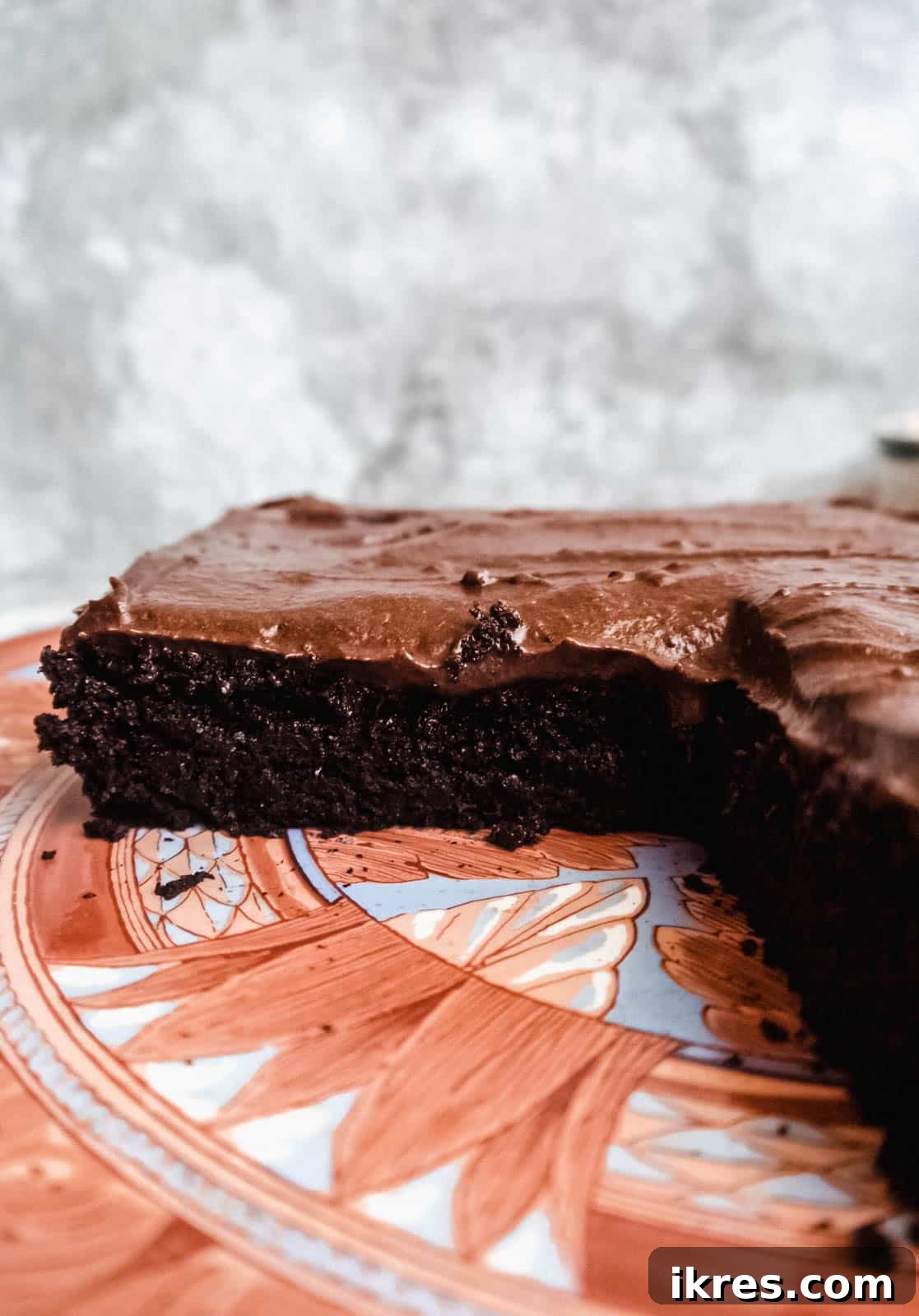
Tip 4: Achieving Silky Smooth Frosting – Tackling Graininess. Because we use coconut sugar, which can sometimes be coarser than refined sugar, you might find your frosting feels a bit “grainy” initially. If this happens, don’t worry – it’s an easy fix! Continue to whip the frosting with your handheld mixer for a bit longer than you think is necessary. The friction from mixing generates a subtle warmth that helps dissolve the coconut sugar crystals. After prolonged whipping, let the frosting sit out at room temperature for 5-10 minutes. Then, give it another good whip with a spatula or the mixer. The combination of mixing and resting allows the coconut sugar to naturally melt and fully integrate, resulting in a perfectly smooth, silky, mousse-like frosting. If it’s still not quite right, an extra tablespoon or two of room temperature coconut cream can also help achieve that desired smooth consistency.
Tip 5: Pan Size and Scaling for Different Needs. This recipe is designed to be made in an 8×8 inch pan, yielding a beautiful square single-layer cake, perfect for a smaller gathering or when you just need a satisfying slice. The single-layer format emphasizes the moistness of the cake and the creamy richness of the frosting without overwhelming complexity. However, if you’re looking to create a stunning layer cake for a special occasion or a larger crowd, simply double the recipe for both the cake batter and the frosting. You can then bake the batter in two separate 8-inch round cake pans for a classic layered presentation.
Why Choose Paleo & Gluten-Free Baking? Embracing a Healthier Lifestyle
Choosing Paleo and gluten-free options for your baking isn’t just a trend; it’s a lifestyle choice for many seeking improved health, better digestion, and reduced inflammation. Gluten, a protein found in wheat, barley, and rye, can cause digestive distress and other symptoms for individuals with celiac disease, gluten sensitivity, or even those who simply prefer to avoid it. By eliminating gluten, we open the door to a wider array of nutrient-dense flours and ingredients that are naturally free from this common allergen.
The Paleo diet, short for Paleolithic, focuses on consuming foods that were available to our ancestors during the Stone Age. This means emphasizing whole, unprocessed foods like fruits, vegetables, lean meats, fish, nuts, and seeds, while avoiding grains, legumes, dairy, refined sugars, and highly processed foods. When applied to baking, this philosophy leads to innovative recipes that replace conventional ingredients with wholesome alternatives, such as the nut and coconut flours, natural sweeteners, and healthy fats used in this chocolate cake.
Beyond catering to specific sensitivities, opting for Paleo and gluten-free desserts often means a reduction in refined sugars and inflammatory ingredients. This can lead to more stable blood sugar levels, fewer energy crashes, and a more satisfying feeling of indulgence without the typical post-dessert guilt or discomfort. This chocolate cake is a prime example of how delightful and fulfilling “clean” eating can be, offering a treat that’s kind to your body while still being a true pleasure for your palate.
The Magic of Paleo Baking Ingredients: A Deeper Dive
Understanding the unique properties of Paleo baking ingredients is key to appreciating this cake’s success. Unlike traditional wheat flour, which contains gluten that provides elasticity and structure, grain-free flours behave differently. This recipe ingeniously combines several flours to achieve a balanced texture:
- Almond Flour: Made from finely ground almonds, this flour is rich in protein, fiber, and healthy monounsaturated fats. It imparts a delicate, tender crumb and a slightly nutty flavor. Its lower carbohydrate content also contributes to a healthier nutritional profile.
- Tapioca Flour: Derived from the cassava root, tapioca flour is a fantastic starch that acts as a binder and thickener. In gluten-free baking, it’s essential for providing chewiness, improving texture, and preventing crumbling, which can sometimes be an issue with nut flours alone. It helps create that desirable cake-like structure.
- Coconut Flour: A highly absorbent flour made from dried coconut meat, coconut flour is packed with fiber and protein. Due to its absorbency, a little goes a long way. It’s crucial for achieving the cake’s moistness and adds a subtle, pleasant coconut undertone that complements the chocolate perfectly.
The choice of coconut sugar is also strategic. While it’s still a sugar, it’s less processed and retains more nutrients than white sugar. Its granular structure helps with texture in both the cake and frosting, while its gentle caramel notes enhance the overall depth of flavor. Coconut oil not only replaces butter for dairy-free needs but also contributes a rich mouthfeel and moisture, while its varying states (melted for cake, solid for frosting) are central to the recipe’s success.
Together, these ingredients work in harmony, demonstrating that you don’t need conventional flour or refined sugar to create a truly spectacular, satisfying, and wholesome chocolate cake.
Paleo Single Layer Chocolate Cake with Chocolate Frosting (Dairy-free, GF) Recipe
By: Dominique
Servings: 9 slices
Prep Time: 20 mins
Cook Time: 30 mins
Resting/Cooling Time: 1 hr
Total Time: 1 hr 50 mins
Rating: 5 out of 5 stars (from 16 votes)
A rich and moist Paleo, GF, Dairy-free chocolate cake covered in a fluffy mousse-like coconut oil chocolate frosting. Perfect for healthy indulgence!
Ingredients
Cake ingredients:
- 3/4 cup almond flour
- 1/4 cup tapioca flour
- 2 Tbs coconut flour
- 3/4 cup coconut sugar
- 1/3 cup unsweetened cocoa powder
- 1/2 tsp cream of tartar
- 1 tsp baking soda
- 1/2 tsp salt
- 1/2 cup almond milk
- 1 large egg
- 1 tsp vanilla extract
- 1/4 cup melted coconut oil (measure the coconut oil in its melted state)
- 1/2 cup black coffee (mine was room temperature)
Frosting ingredients:
- 1/2 cup room temperature coconut oil (measure it in its hardened state)
- 1/2 cup coconut sugar
- 1/3 cup unsweetened cocoa powder
- 4 Tbs coconut cream (room temperature, I always use Savoy coconut cream)
- 1 tsp vanilla extract
- 1 Tbs maple syrup
Instructions
Cake instructions:
- Preheat your oven to 350 degrees F (175 degrees C). Prepare an 8×8 inch baking pan by greasing it lightly and lining it with parchment paper, allowing some overhang on the sides for easy removal.
- In a medium-sized bowl, combine all the dry cake ingredients: almond flour, tapioca flour, coconut flour, coconut sugar, cocoa powder, cream of tartar, baking soda, and salt. Use a fork or whisk to thoroughly mix these ingredients until they are uniformly combined, ensuring no lumps remain.
- In a separate, larger bowl, add the almond milk, egg, and vanilla extract. Beat these wet ingredients with a handheld mixer for about 30 seconds until well combined. With the mixer on low speed, slowly drizzle in the melted coconut oil, continuing to mix until fully incorporated. Now, add the dry ingredient mixture to the wet ingredients in three equal additions, mixing with the handheld mixer after each addition until just blended. Avoid overmixing. Finally, stir in the room temperature black coffee until the batter is smooth and well combined.
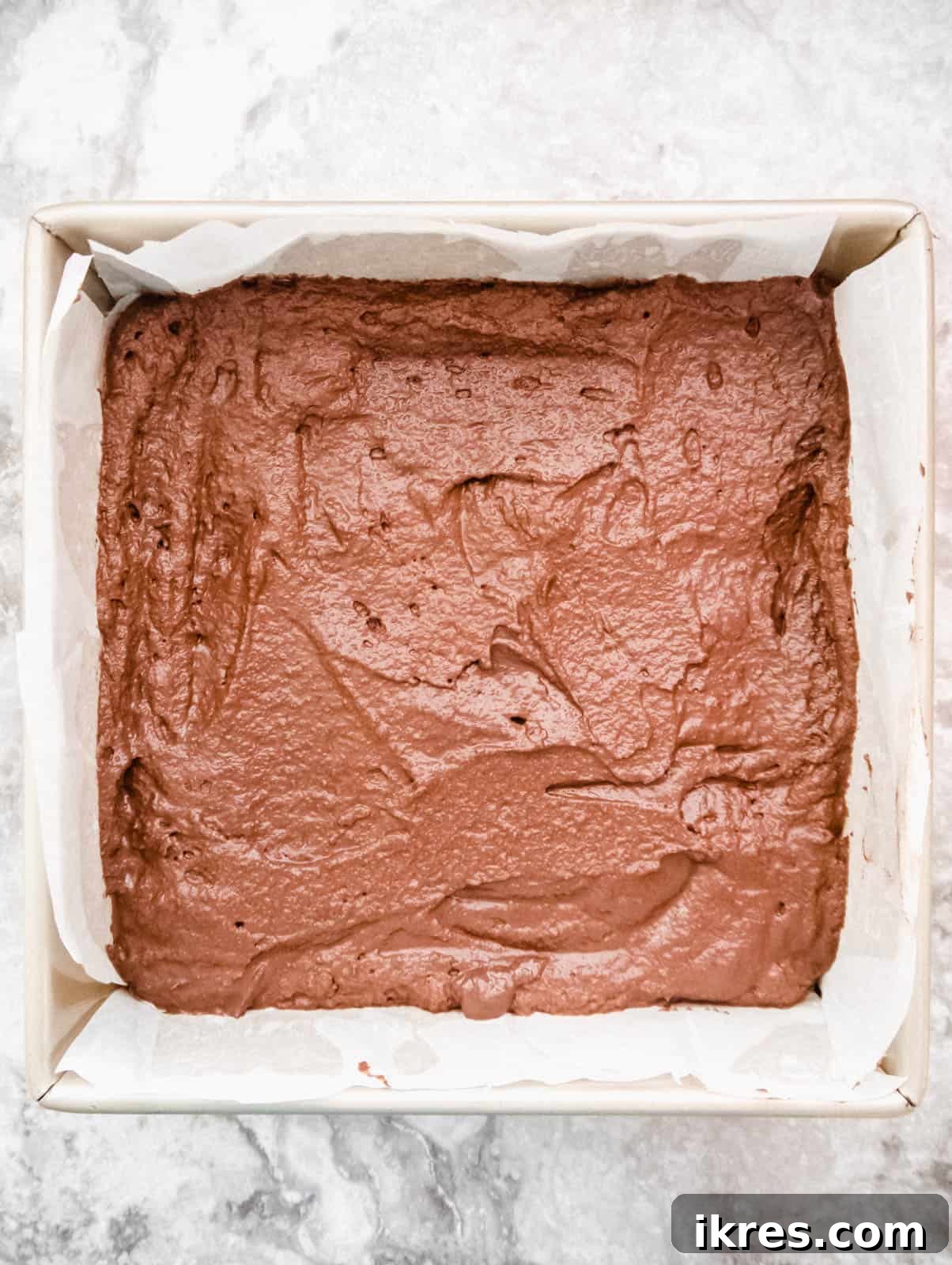
- Pour the prepared cake batter evenly into the lined 8×8 inch pan. Smooth the top with a spatula if needed. Bake for 30 minutes, or until a wooden toothpick inserted into the center of the cake comes out mostly clean, with perhaps a few moist crumbs clinging to it.
- Once baked, remove the cake from the oven and place it on a wire rack to cool completely. This step is critical; do not attempt to frost a warm cake, as the frosting will melt. Allow at least 1 hour for the cake to cool down entirely.
Frosting instructions:
- While the cake is cooling, prepare your frosting. In a medium bowl, use a handheld mixer to beat the room temperature coconut oil until it is smooth and creamy. The coconut oil should be firm yet soft, not melted. Add the coconut sugar and cocoa powder to the whipped coconut oil and mix until thoroughly combined. Next, add the vanilla extract and 1 tablespoon of coconut cream, mixing well. Continue adding the remaining coconut cream, one tablespoon at a time, mixing thoroughly after each addition until a cohesive, creamy mixture forms. Finish by adding the maple syrup and mixing once more until the frosting achieves a light, fluffy, and mousse-like texture.
- If you notice the frosting has a slightly “grainy” texture from the coconut sugar, continue to whip it with the handheld mixer for a bit longer. The warmth generated from continuous mixing will help dissolve the sugar crystals. After extended whipping, let the frosting sit out at room temperature for about 10 minutes. Then, whip it again, perhaps with a spatula, to further encourage the sugar to dissolve. Repeat this process until you achieve your desired smooth consistency. You may also add an extra tablespoon or two of room temperature coconut cream to aid in smoothing the frosting if necessary.
Notes
- This recipe typically yields approximately 1 1/4 cups of delicious chocolate frosting and 9 generous slices of cake.
- For the absolute best flavor and texture, it is highly recommended to serve this cake on the day it is made. Storing the cake in the refrigerator tends to dry it out and causes the coconut oil in both the cake and frosting to harden, affecting its delightful moistness and soft texture. However, if you have leftovers or need to prepare it in advance, ensure you wrap the cooled cake tightly in plastic wrap (saran wrap) and store it at room temperature for up to two days. If refrigeration is unavoidable, remember to take the cake out of the fridge several hours before serving to allow it to warm up completely to room temperature, restoring its ideal texture and flavor.
Nutrition Information (Approximate per serving)
- Calories: 375 kcal
- Carbohydrates: 38 g
- Protein: 7 g
- Fat: 28 g
- Saturated Fat: 19 g
- Polyunsaturated Fat: 1 g
- Monounsaturated Fat: 2 g
- Trans Fat: 0.002 g
- Cholesterol: 18 mg
- Sodium: 331 mg
- Potassium: 354 mg
- Fiber: 8 g
- Sugar: 17 g
- Vitamin A: 26 IU
- Vitamin C: 0.2 mg
- Calcium: 64 mg
- Iron: 3 mg
Nutrition information is automatically calculated and should only be used as an approximation. Individual ingredient variations may affect actual nutritional values.
Additional Information
- Course: Dessert
- Cuisine: American
Serving Suggestions for Your Paleo Chocolate Cake
While this Paleo Single Layer Chocolate Cake is absolutely divine on its own, a few simple additions can elevate your dessert experience even further. Consider serving it with a dusting of extra cocoa powder or a sprinkle of flaky sea salt to enhance the chocolate’s depth. A side of fresh berries, such as raspberries or strawberries, adds a bright, tart contrast that cuts through the richness beautifully.
For an extra treat, pair a slice with a scoop of your favorite dairy-free ice cream or a dollop of coconut whipped cream. A warm cup of black coffee or herbal tea also makes an excellent companion, making this cake perfect for an afternoon pick-me-up or a delightful after-dinner indulgence. No matter how you choose to enjoy it, this cake is guaranteed to be a hit!
Storing Your Decadent Paleo Chocolate Cake
Proper storage ensures that every slice of your Paleo Chocolate Cake remains as delicious as the first. As mentioned in the recipe notes, this cake is truly at its best when enjoyed on the day it’s made, at room temperature. The moistness of the cake and the creamy consistency of the coconut oil-based frosting are optimally preserved in these conditions.
If you have any leftovers, the ideal storage method for up to two days is to wrap the cooled cake tightly in plastic wrap or place it in an airtight container. Keep it on your kitchen counter, away from direct sunlight or heat, to maintain its soft texture. If you need to store it for a longer period, say up to 4-5 days, or if your kitchen is particularly warm, refrigeration becomes necessary.
However, when refrigerating, be mindful that the cold temperature will cause the coconut oil in both the cake and frosting to firm up, making the cake denser and potentially less moist. To counteract this, always remove the cake from the refrigerator at least 1-2 hours before serving. This allows it to slowly return to room temperature, softening the coconut oil and restoring the cake’s original moistness and tender crumb. Avoid reheating the cake in a microwave, as this can alter its delicate texture. With these tips, you can extend the enjoyment of your delectable Paleo chocolate cake!
Tried this recipe? We’d love to see your creations! Share your photos on Instagram and mention @perchancetocook or tag #perchancetocook!
More Paleo Chocolate Desserts You’ll Love
If this Paleo chocolate cake has sparked your love for healthier chocolate treats, you’re in luck! There’s a whole world of delicious Paleo chocolate desserts waiting to be discovered. Here are some other fantastic recipes that celebrate chocolate in its most wholesome form:
Fudgy Chocolate Chunk Brownies: Indulge in rich, chewy brownies packed with chocolate chunks, all while staying true to your Paleo and gluten-free lifestyle. These are incredibly satisfying!
Chocolate Chocolate Chip Sea Salt Cookies: For cookie lovers, these deeply chocolatey cookies with a hint of sea salt are a perfect blend of sweet and savory, and completely Paleo and gluten-free.
Paleo Fondant Au Chocolat Et Cerises–For Two!: A truly elegant and romantic dessert, this rich chocolate fondant with cherries is perfect for a special occasion, serving two beautifully.
Other Amazing Healthier Cake Recipes You May Enjoy
Beyond the realm of Paleo chocolate, there are many other delightful and healthier cake recipes worth exploring. Whether you’re looking for different dietary needs or simply new flavors, these cakes are sure to impress:
This Healthy Chocolate Cake recipe from Food Doodles looks incredibly decadent, yet it’s crafted with wholesome, delicious ingredient choices, proving that health and indulgence can coexist.
Treat yourself to this Gluten-free Birthday Ice-cream Cake recipe. An amazing-looking, melt-in-your-mouth ice-cream cake from my friend at Eat at Our Table, perfect for celebrations.
Discover this mouthwatering Keto Tres Leches Cake recipe from Wholesome Yum. It’s a fantastic sugar-free and low-carb version of the classic Tres Leches, and it looks absolutely delicious!
This Keto Chocolate Cake looks truly spectacular – like the ultimate low-carb and gluten-free chocolate cake for anyone on a ketogenic diet.
Indulge in this Dairy-free Chocolate Cake from Texanerin. It’s described as incredibly rich, moist, and intensely chocolaty, perfect for those avoiding dairy.
Finally, this Gluten-free Vegan Chocolate Cake from Tessa the Domestic Diva promises a rich and fluffy experience, catering to both gluten-free and vegan dietary preferences.