
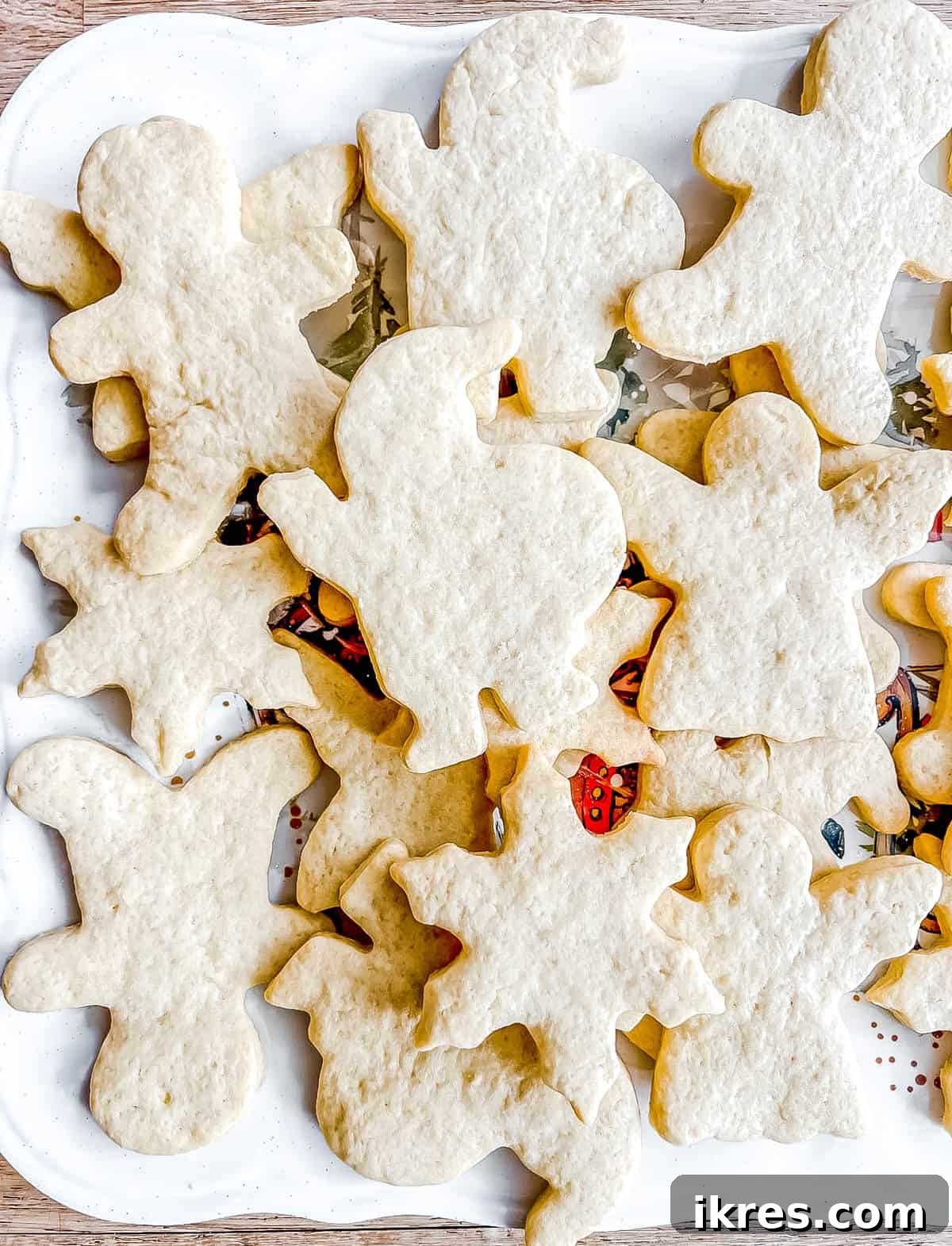
Delicious Sable Cut Out Sugar Cookies: Buttery, Delicate & Perfect for Decorating
These sable cookies are a delightful take on classic cut out sugar cookies. They are wonderfully buttery yet delicate, offering a light sweetness that never overwhelms the palate. With a rich flavor that shines on its own, they also provide the perfect canvas for creative frosting and decorations.
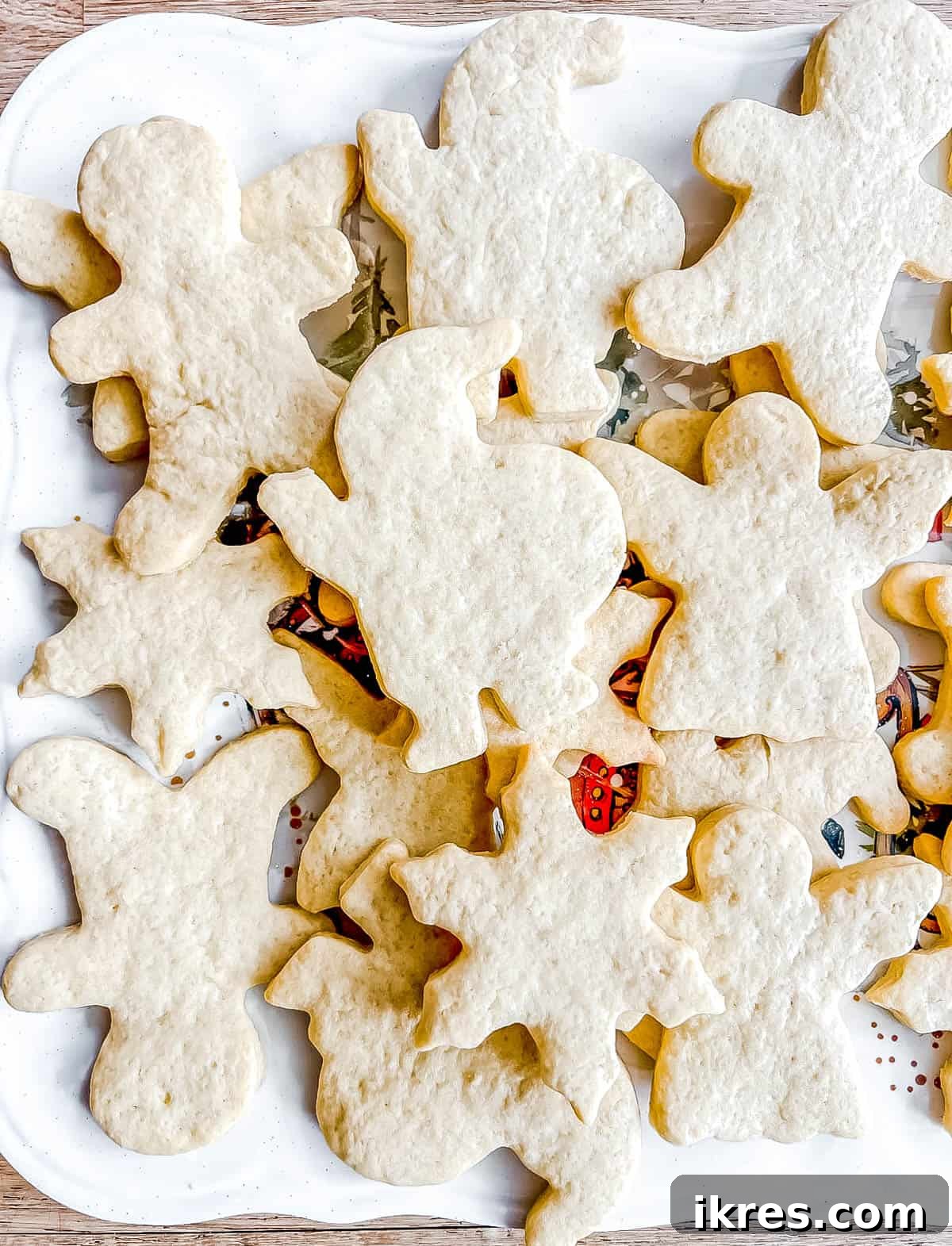
The holiday season, or any festive occasion for that matter, is simply incomplete without a batch of homemade cookies. Year after year, I find myself baking my family’s favorite olive oil chocolate chip cookies, festive Paleo gingerbread men, and these exquisitely simple Sable Cut Out Sugar Cookies. They have become a cherished tradition, bringing joy and delicious aromas to our home.
What Are Sable Cookies? A French Butter Cookie Delight
The term “sable” translates to “sand” in French, a fitting name that perfectly describes the unique texture of the cookie dough during its preparation. As you follow the step-by-step instructions, you’ll observe the dough transforming into a crumbly, sandy consistency before it comes together to form a smooth, workable mass. This distinctive characteristic is what gives these cookies their delicate, melt-in-your-mouth quality, reminiscent of traditional French butter cookies.
What sets this particular sable cookie recipe apart is its mindful approach to sweetness. Unlike many conventional sugar cookie recipes that can be overly sugary, these sable cookies contain less sugar. This balance means you can generously apply frosting without making the overall treat excessively sweet. The inherent buttery flavor is so pronounced and satisfying that these cookies are truly delicious even when left undecorated, making them a versatile choice for any occasion.
Table of Contents
- Why You’ll Love This Sable Cookie Recipe
- Essential Ingredients for Your Perfect Sable Cookies
- Step-by-Step Guide to Making Sable Cut Out Sugar Cookies
- Expert Tips for Sable Cookie Success
- Creative Frosting and Decorating Options
- Other Delightful Cookie Recipes You’ll Love
- Sable Cut Out Sugar Cookies Recipe Card
Why You’ll Love This Sable Cookie Recipe
This Sable Cut Out Sugar Cookie recipe is a must-try for any baking enthusiast, offering simplicity, versatility, and an unforgettable taste:
- Minimal Ingredients: You only need 6 basic ingredients to create these exquisite cookies, making it an accessible recipe for bakers of all skill levels.
- Perfectly Balanced Sweetness: With significantly less sugar than typical sugar cookie recipes, these cookies provide a delicate base that allows for generous frosting without becoming overly sweet. They are an ideal choice for those who appreciate nuanced flavors.
- Versatile for Any Occasion: Whether it’s for a holiday celebration, a birthday party, or just a casual afternoon treat, these cookies are perfect. Their simple elegance and delicious taste make them suitable for any season or event.
- Customizable: Enjoy them plain to savor their rich, buttery flavor, or get creative with frosting and decorations. They hold their shape beautifully, making them excellent for intricate designs.
- French-Inspired Flavor: These cookies offer a sophisticated, European-style butter cookie taste that stands out from the crowd, providing a delicate crunch and a satisfying richness.
Essential Ingredients for Your Perfect Sable Cookies
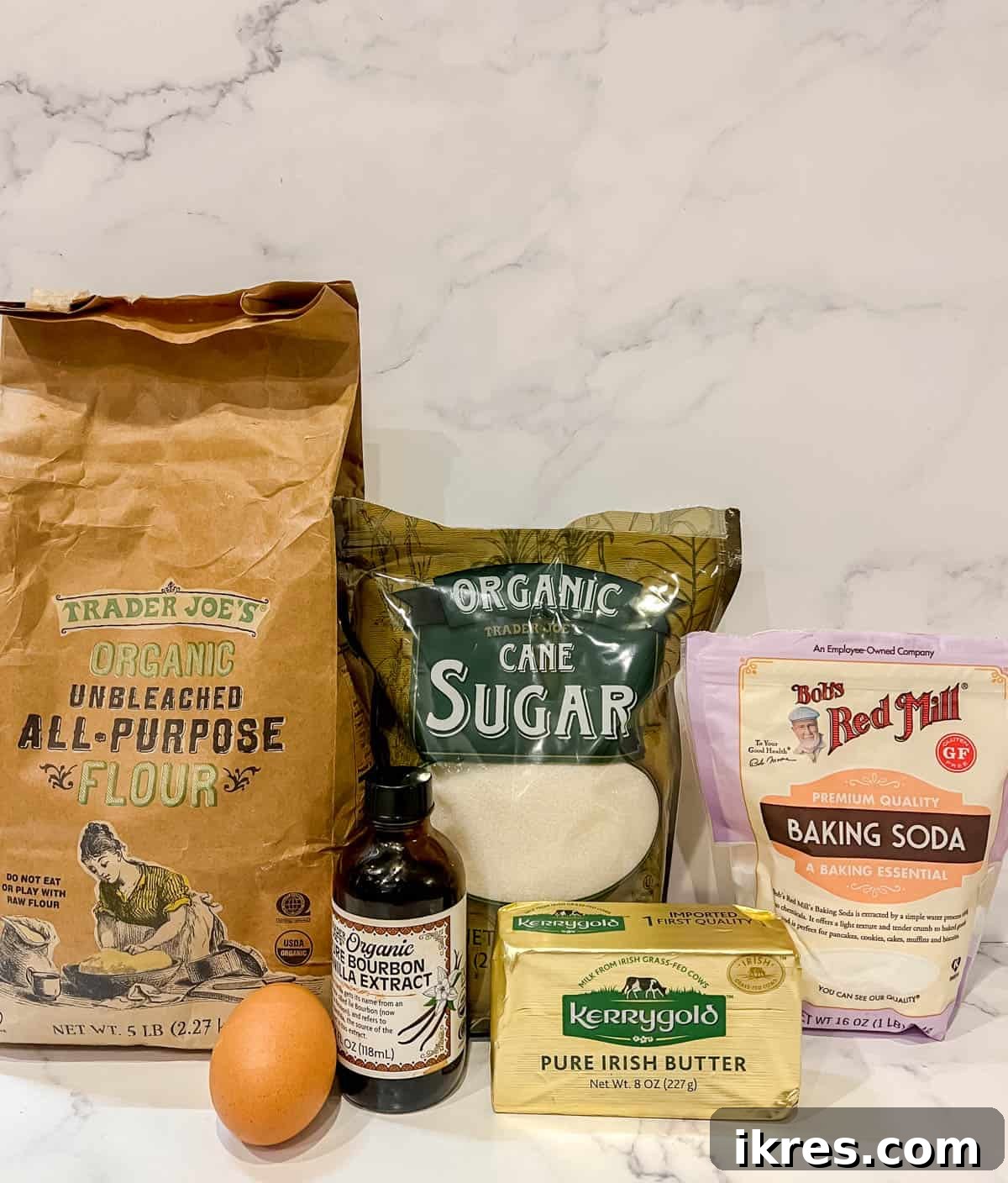
- Flour: For the best results, an unbleached all-purpose flour is recommended. It provides the ideal structure and texture for these delicate cookies.
- Sugar: I prefer using organic cane sugar in this recipe. Its slightly finer texture contributes to the cookie’s smooth consistency and dissolves beautifully into the butter.
- Egg: A large egg is standard for this recipe, acting as a binder and adding richness. Ensure your egg is at room temperature for better emulsification with the butter.
- Vanilla Extract: Use a high-quality vanilla extract to enhance the overall flavor profile of the cookies. The better the vanilla, the more aromatic and delicious your cookies will be. Feel free to experiment with other extracts like almond for a different twist.
- Butter: The quality of your butter is paramount in sable cookies, as it forms the foundation of their signature rich flavor. Opt for a good quality, organic grass-fed butter if possible, and make sure it’s softened to room temperature for optimal creaming.
- Baking Soda: A small amount of baking soda helps the cookies achieve a slight rise and contributes to their delicate texture.
- Water: Just a couple of tablespoons of water are needed to bring the sandy dough together. It’s crucial not to add too much, as this dough is intentionally on the drier side.
For a full list of ingredients and precise measurements, please refer to the comprehensive recipe card below.
Step-by-Step Guide to Making Sable Cut Out Sugar Cookies
Creating these delightful sable cookies is a rewarding process. Follow these detailed steps to achieve perfect results:
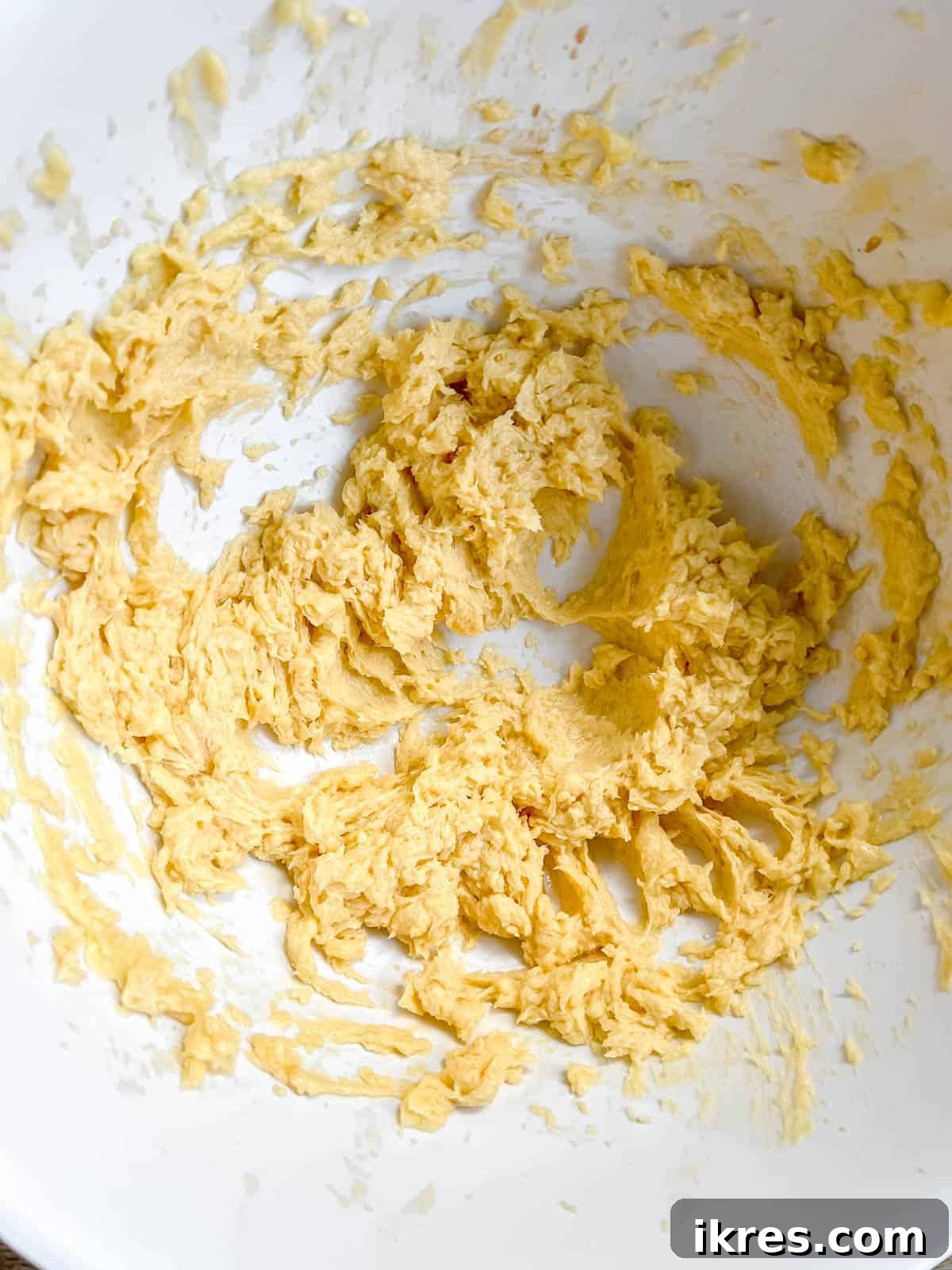
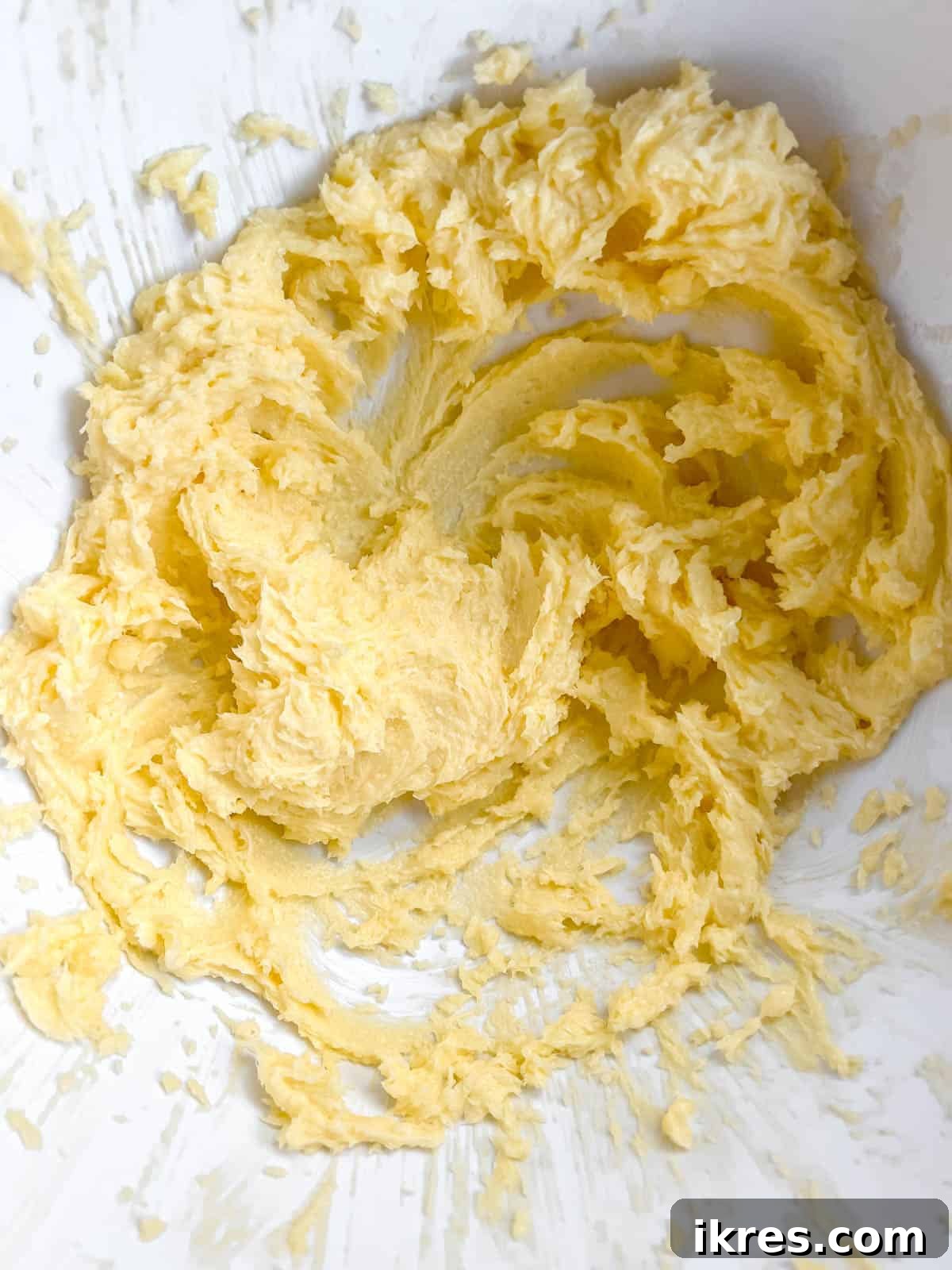
Step 1: In a large mixing bowl, begin by beating the softened butter and sugar together with an electric hand-held mixer on low speed. Gradually increase the speed to high and continue to beat until the mixture becomes wonderfully creamy and light yellow in color, indicating it’s well aerated.
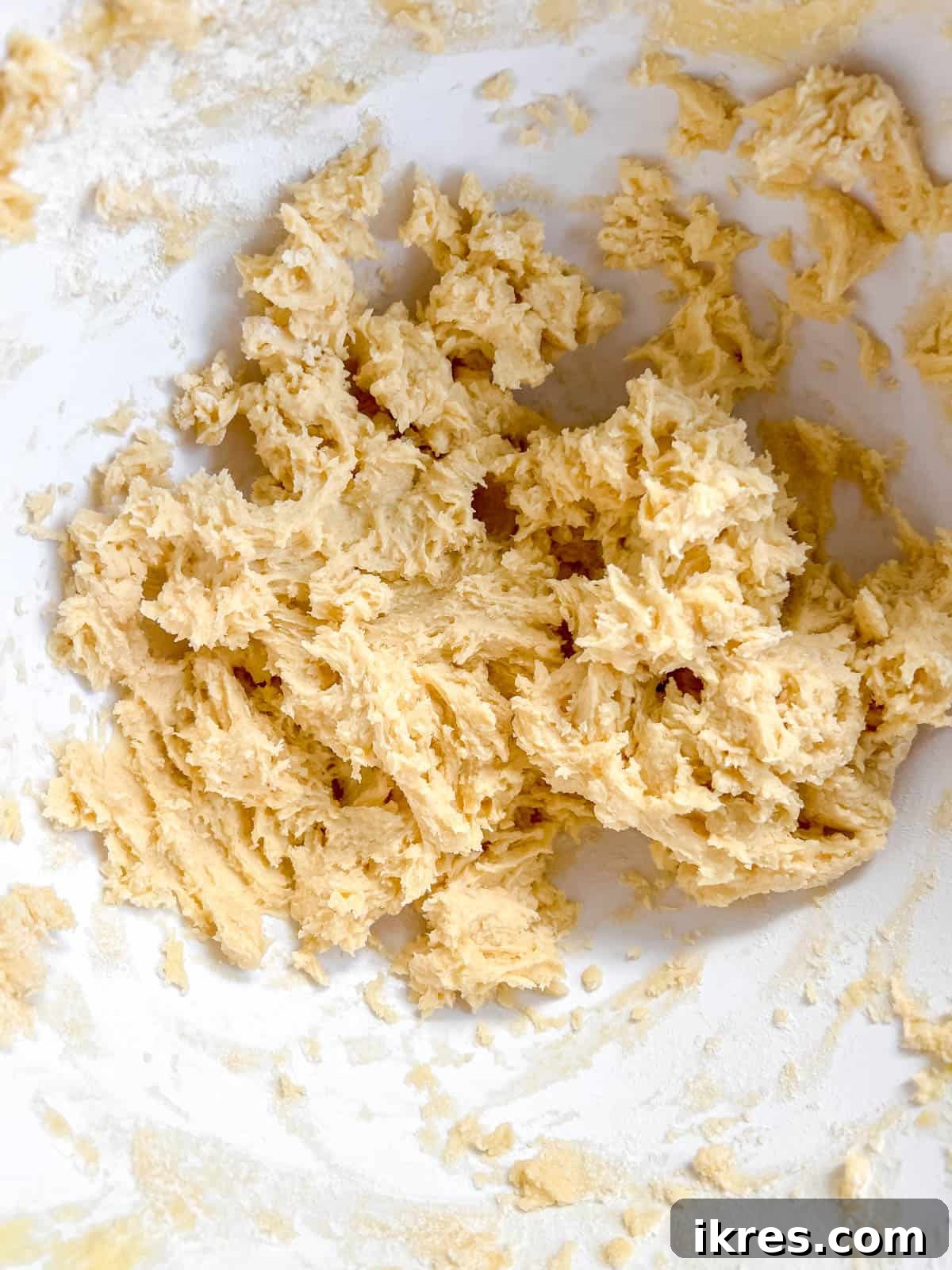
Step 2: Add the large egg and vanilla extract to the creamed butter and sugar. Mix on a low speed until these wet ingredients are fully combined and incorporated into the batter, ensuring a smooth base for your cookies.
Step 3: Now, add the baking soda and one cup of flour to the mixture. Beat on low speed just until blended. The dough will start to thicken and become more crumbly.
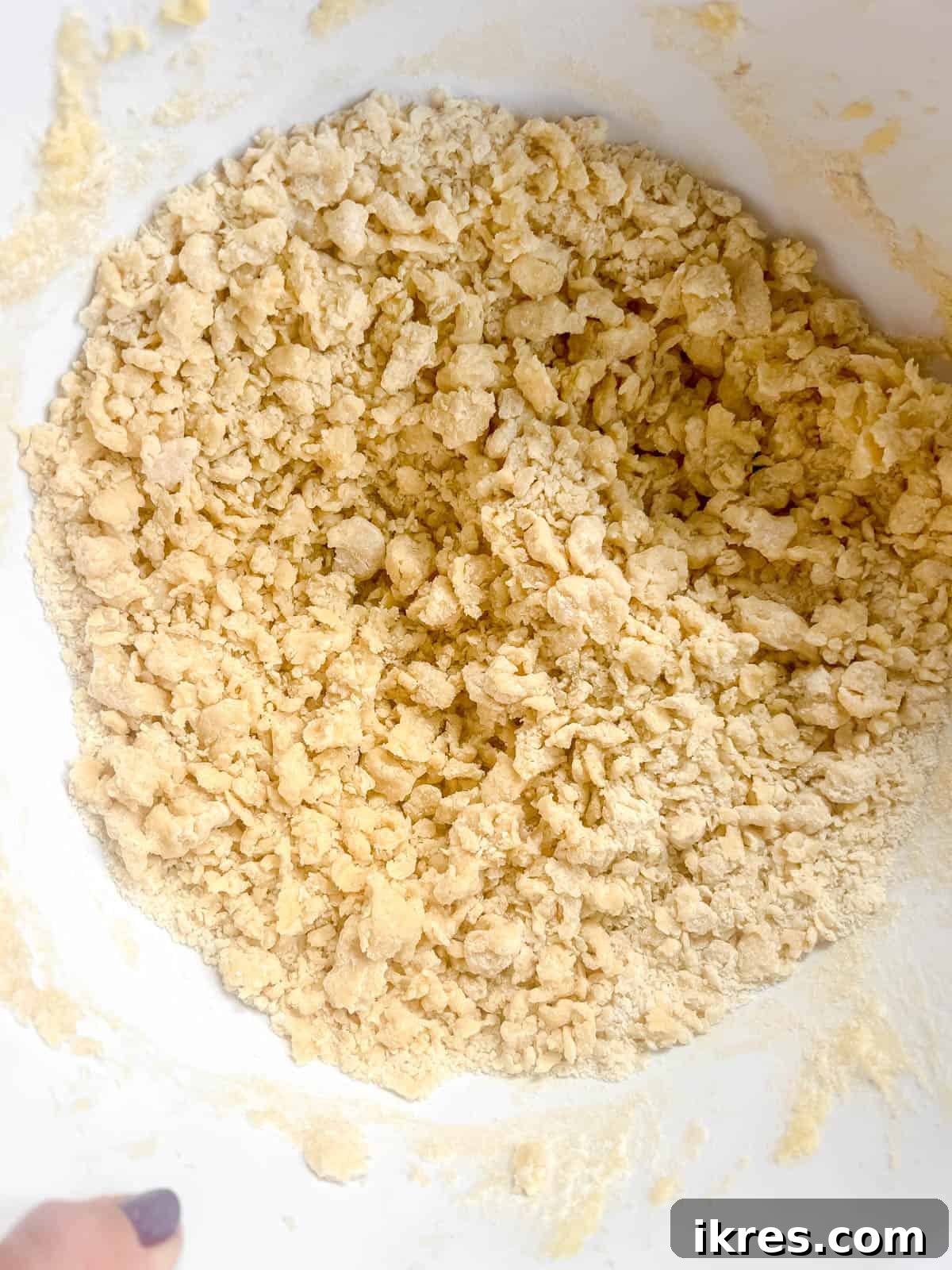
Step 4: Continue by adding the second cup of flour and mixing until well blended. Then, add the final cup of flour and beat until just incorporated. At this stage, you will notice the mixture takes on a distinctive “sand” or “sable” texture, appearing crumbly and in smaller pieces. This sandy appearance is precisely what gives these cookies their name and characteristic delicate crumb.
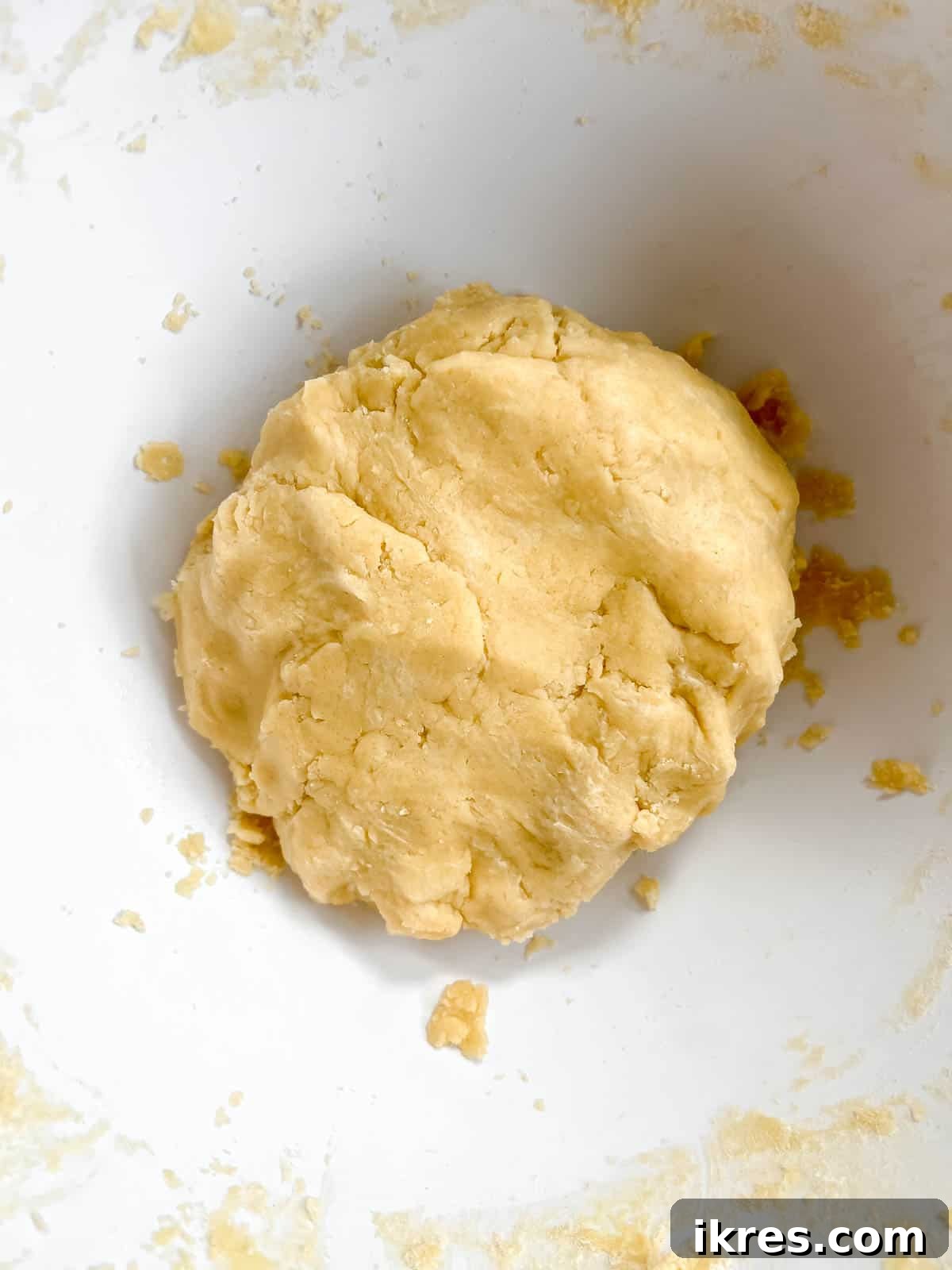
Step 5: Add 2 Tablespoons of water to the dough. Now, it’s time to get your hands in there! Gently mush and press the dough with your hands until it comes together to form a cohesive ball. This might take a few moments of patient kneading, but resist the urge to add more water than specified.
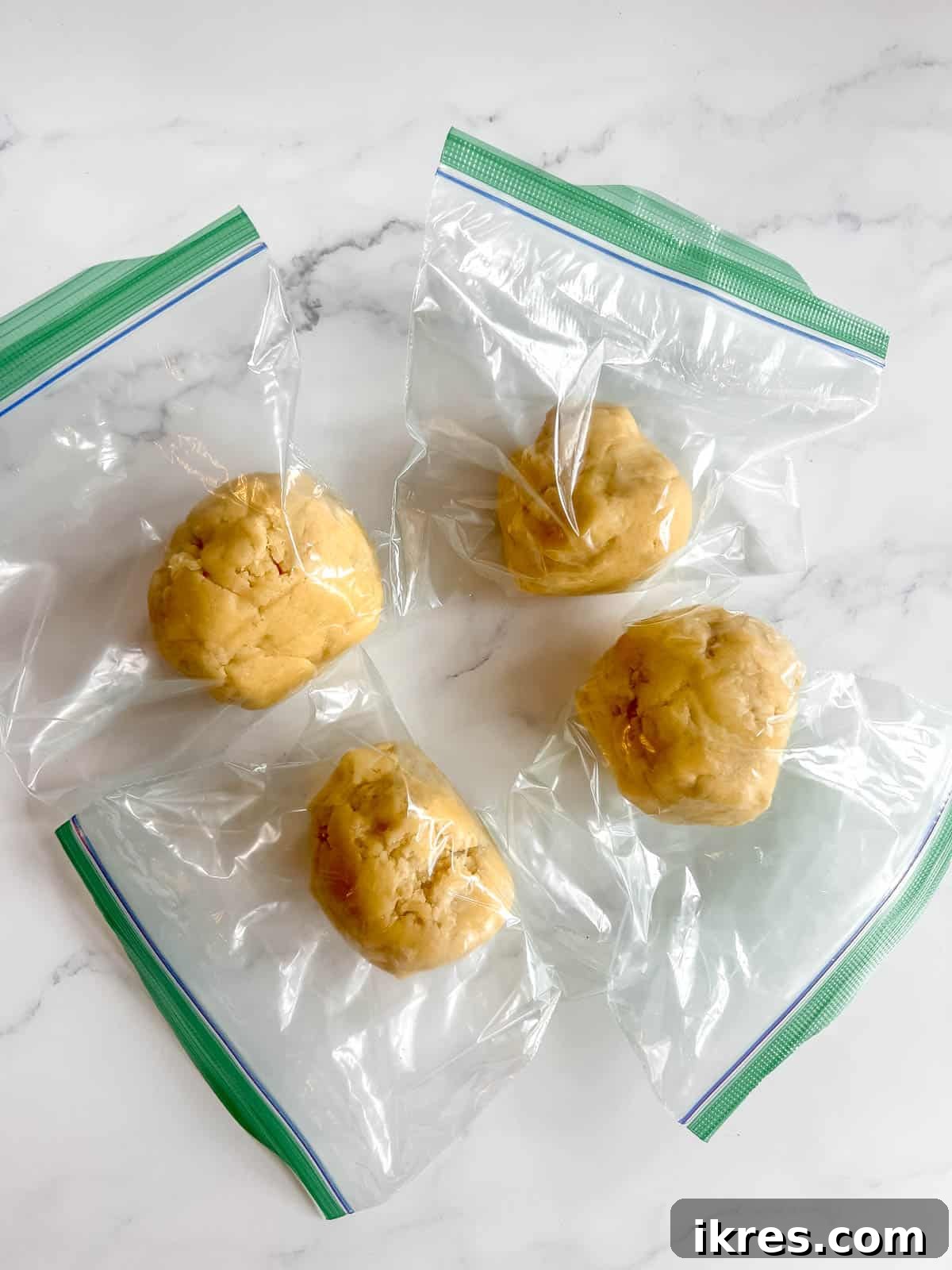
Step 6: Divide the dough into four equal pieces. Shape each piece into a small disk or ball, then place them into separate plastic bags or wrap tightly in plastic wrap. Refrigerate the dough for at least one hour (or freeze for 20 minutes) to allow it to firm up, which is crucial for easy rolling and cutting.
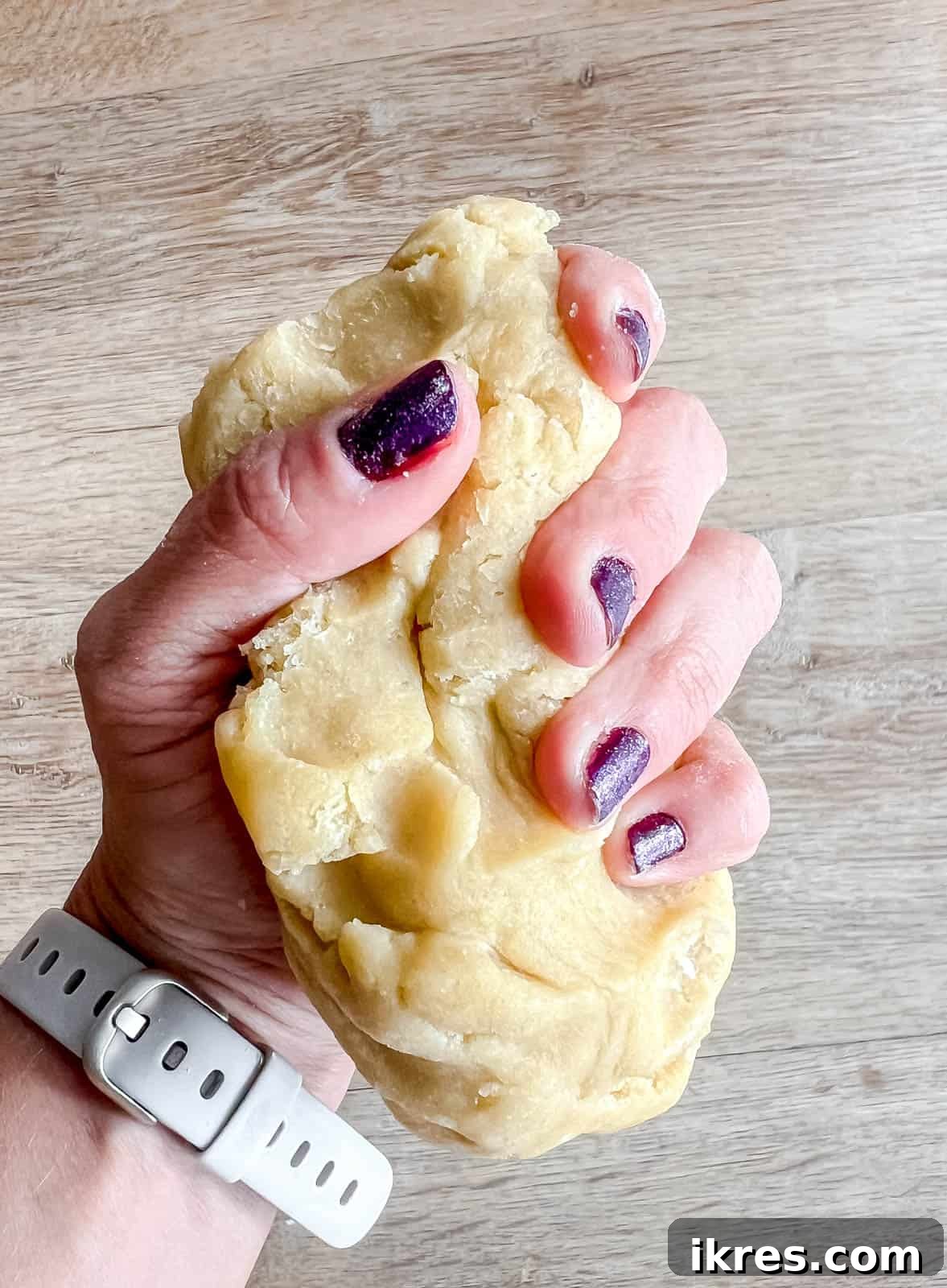
Step 7: Once the dough has chilled sufficiently, take one piece out of the refrigerator or freezer. Squish and massage it gently in your hands until the dough has softened and is pliable enough to roll without cracking. This step ensures a smooth rolling process.
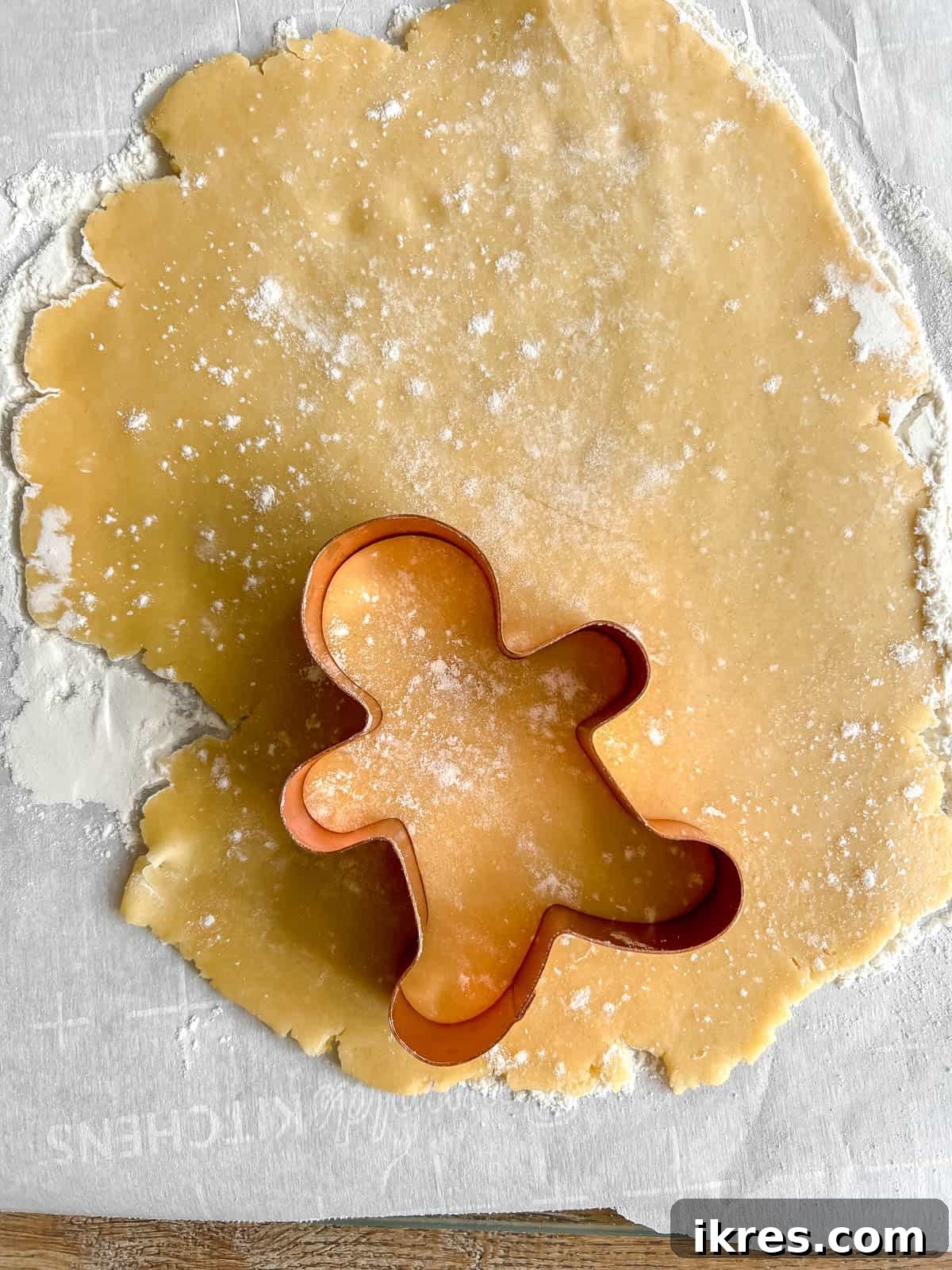
Step 8: On a lightly floured surface or between two sheets of parchment paper, roll out your dough to your desired thickness, typically about 1/8 inch. Use your favorite cookie cutters to create various shapes. Don’t forget to gather the scraps, gently re-roll them, and cut out more cookies until all the dough is used.

Step 9: Carefully place the cut out cookie dough onto a baking sheet lined with parchment paper. Leave a little space between each cookie to ensure even baking.
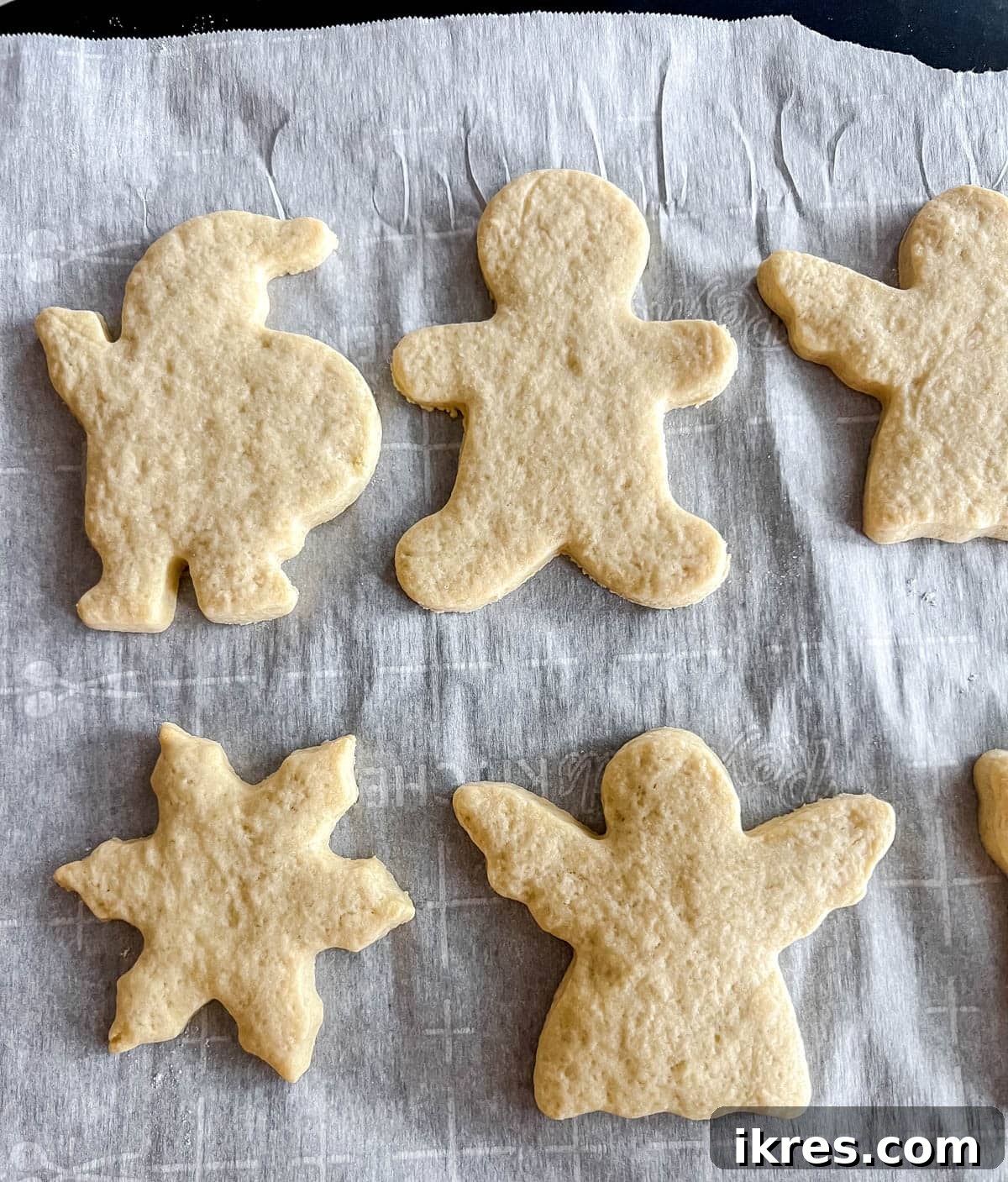
Step 10: Bake the cookies in your preheated oven! Keep an eye on them, as baking times can vary slightly. They are ready when the edges are lightly golden. Allow them to cool on the baking sheet for a few minutes before transferring to a wire rack.

Step 11: Once your sable cookies have completely cooled, unleash your creativity! Frost and decorate them with your favorite icings, sprinkles, or edible glitters. The subtle sweetness of the cookie makes them an ideal base for any frosting flavor.
Expert Tips for Sable Cookie Success
Achieving perfect sable cookies is easy with a few insider tips:
- Dough Hydration is Key: This dough is naturally on the drier side, which is crucial for its delicate texture and ability to hold shape. Resist the temptation to add more than the specified 2 Tablespoons of water, even if it seems a bit crumbly at first. Trust the process; it will come together.
- Softening Chilled Dough: If your dough feels too hard directly out of the refrigerator, don’t worry. Simply knead and massage it in your hands for a minute or two. The warmth from your hands will quickly soften it, making it pliable and easy to roll without cracking.
- Understanding the Sable Profile: If you’re accustomed to a very sweet, soft, classic American sugar cookie, this recipe offers a different experience. Sable cookies are more akin to French butter cookies or shortbread—less sweet, with a richer, more delicate, and slightly crumbly texture. They are prized for their pure buttery flavor rather than overwhelming sweetness.
- For gluten-free and Paleo-friendly sugar cookie alternatives, you might enjoy these Paleo Sugar Cookies or these delightful Maple Sugar Cut Out Cookies.
- Cookie Cutter Creativity: Unleash your imagination with cookie cutters! These cookies hold their shape beautifully. For festive occasions, I love using these holiday cookie cutters for Christmas. For a touch of romance, these heart cookie cutters are perfect for Valentine’s Day or anniversaries.
- Even Baking: To ensure all your cookies bake evenly and perfectly, always bake only one cookie sheet at a time. This allows for consistent heat distribution in your oven.
- Storage and Freshness: Store undecorated sable cookies in an airtight container at room temperature for up to a week, or freeze for up to three months. If decorated with frosting, store them in an airtight container in the refrigerator for up to 3-4 days.
- For another fun holiday dessert option that’s sure to impress, try Texanerin’s Snowman Cupcakes.
- If you enjoy sugar cookies for holiday celebrations, consider this vibrant 4th of July Fruit Pizza, which is fantastic any time of year.
Creative Frosting and Decorating Options
The subtle sweetness of these sable cookies makes them an ideal foundation for various frostings. Here are some fantastic options to elevate your decorating game:
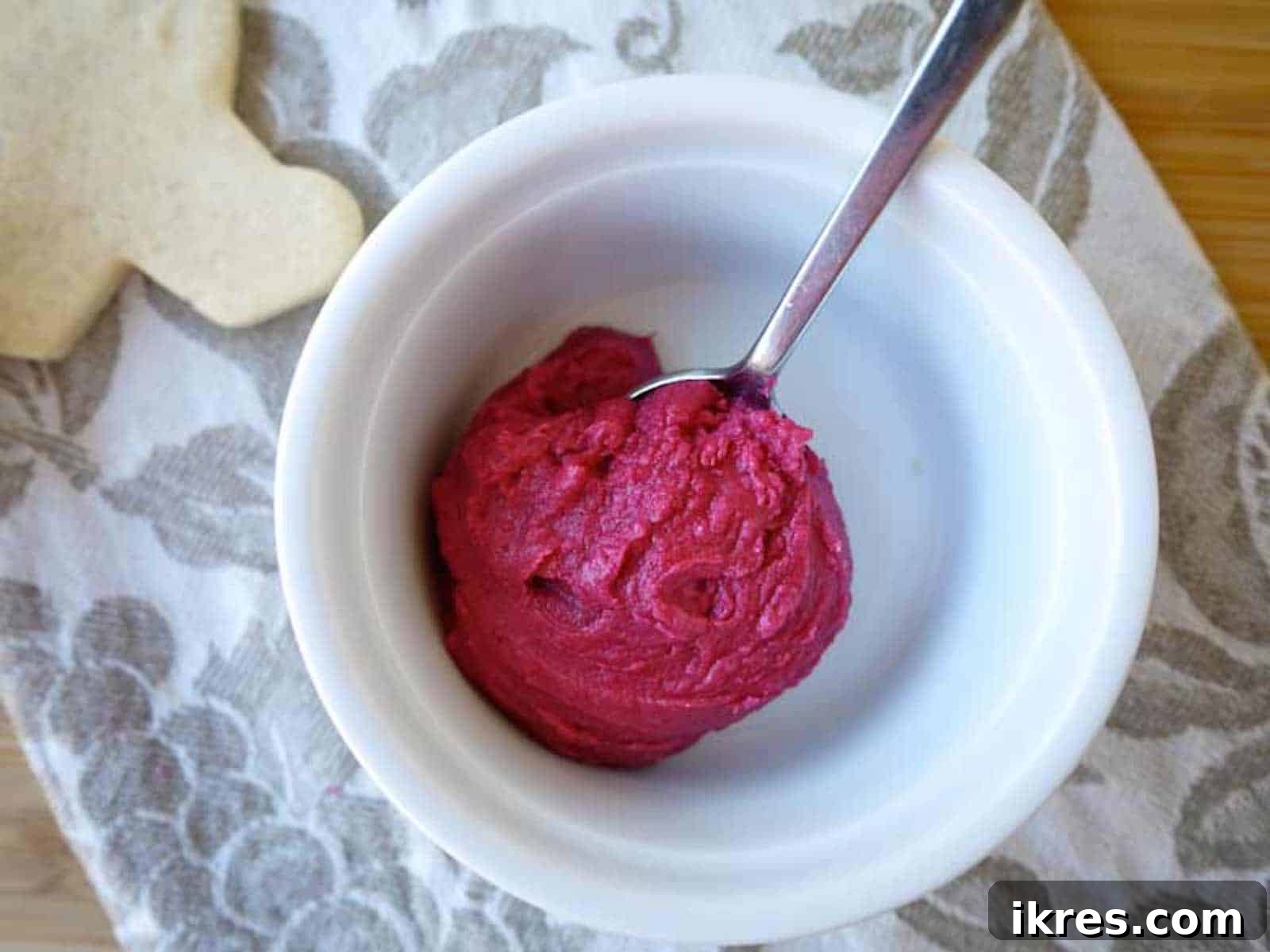
Option 1 – Homemade Beet Coconut Oil Frosting:
For those seeking a naturally colored and dairy-free frosting, my homemade beet juice coconut oil frosting is an excellent choice. It provides a beautiful vibrant color without the need for artificial food dyes or questionable ingredients.
Beet Juice Frosting Ingredients:
- 1 1/2 cups powdered sugar
- 3 Tablespoons melted coconut oil
- 1 Tablespoon vanilla extract
- 1 Tablespoon canned coconut cream
- 2 Tablespoons beet juice
To make it: Simply combine all the ingredients in a food processor and blend until you achieve a smooth, creamy consistency. Store any leftover frosting in an airtight container to prevent it from hardening.
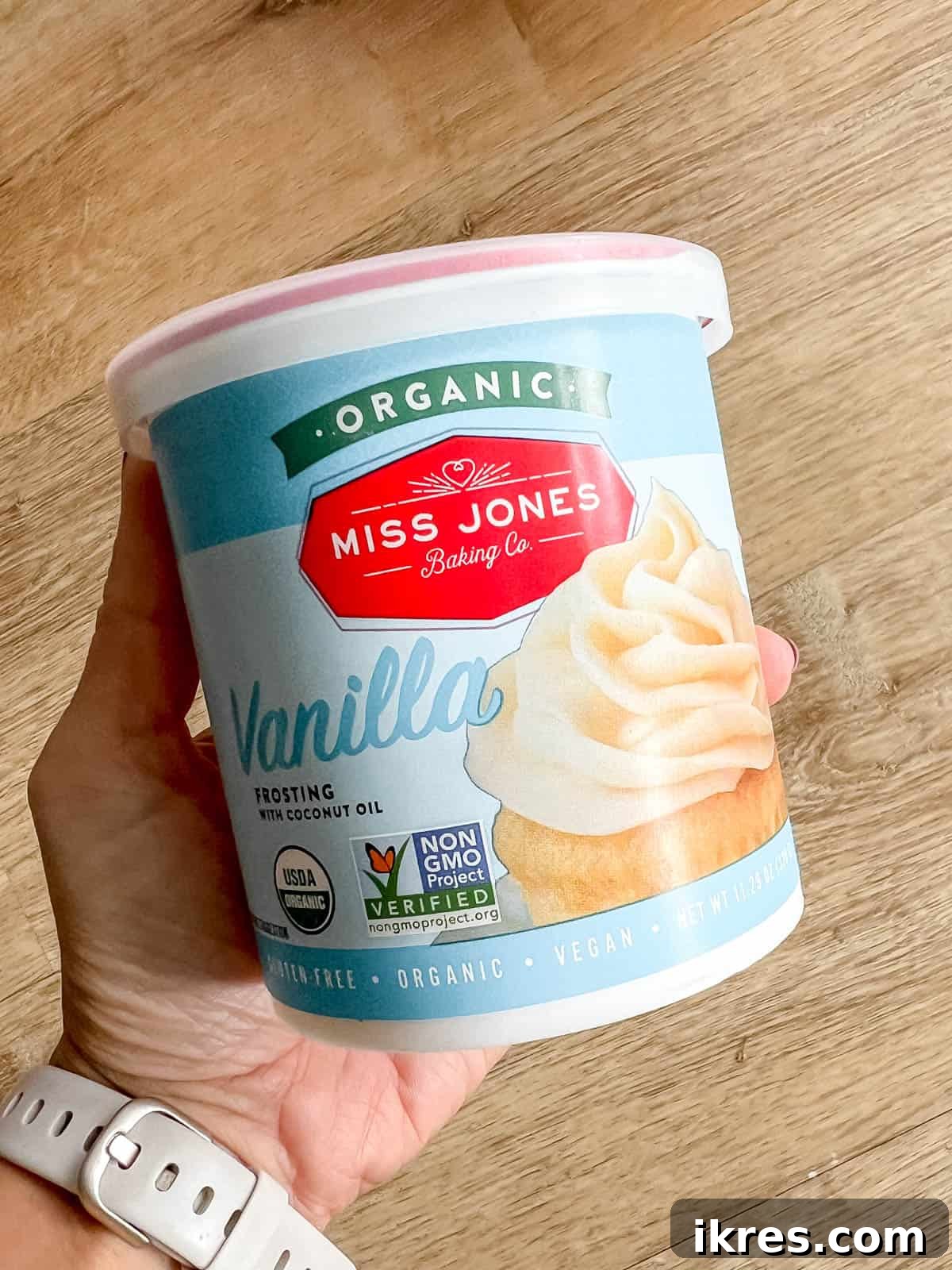
Option 2 – Quality Store-Bought Frosting:
When time is of the essence, a high-quality store-bought frosting can be a fantastic shortcut. My top recommendation is Mrs. Jones’ frosting. What makes it stand out is that it’s not only dairy-free but also crafted without artificial dyes, high-fructose corn syrup, titanium dioxide, or other undesirable chemicals often found in grocery store frosting brands. This Vegan, organic option is made with only six simple, wholesome ingredients, ensuring a delicious and cleaner choice for your cookies.
Option 3 – Gluten-Free, Vegan, and Dairy-Free Sugar Cookie Icing: For another excellent healthy frosting choice, consider the Sugar Cookie Icing Recipe by Veggie Balance. This incredible recipe requires just three ingredients and yields a beautifully glossy, healthy sugar cookie frosting that’s perfect for decorating your sable delights.

Other Delightful Cookie Recipes You’ll Love
Did you try this recipe? Please leave me a ⭐ review below!
Rating: 5 from 6 votes
Sable Cut Out Sugar Cookies
By: Dominique
Servings: 24
Prep Time: 10 mins
Cook Time: 8 mins
Refrigeration Time: 1 hr
Total Time: 1 hr 18 mins
Email Recipe
Print Recipe
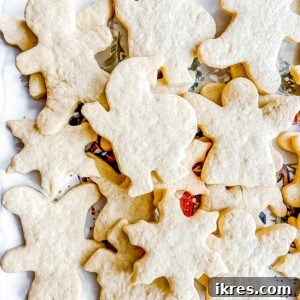
These sable cookies are delicious cut out sugar cookies that are buttery yet delicate and light on sugar, but not on flavor. They are the perfect cookies to decorate with frosting!
Ingredients
Cookie Ingredients:
- 8 ounces organic grass-fed butter, softened (2 sticks)
- 1/2 cup white sugar
- 1 large egg
- 1 Tablespoon vanilla extract
- 3 cups organic white flour
- 1/2 teaspoon baking soda
- 2 Tablespoons water
Instructions
- In a large bowl, beat the butter and sugar with an electric hand-held mixer at low speed until combined. Increase the speed to high and beat until creamy and light yellow.
- Add the egg and vanilla extract and beat at a low speed until well mixed.
- Gradually add the baking soda and flour, one cup at a time. Beat until just blended after each addition. After the final cup of flour, the mixture will resemble a sandy texture, giving these cookies their “sable” name.
- Add 1 Tablespoon of water to the dough. Using your hands, gently press and mix the dough until it begins to come together. If needed, add the second Tablespoon of water and continue mixing until a cohesive, evenly textured ball forms. Be careful not to add too much water; a little goes a long way.
- Divide the dough into 4 equal pieces and shape each into a ball. Place each piece in a separate plastic bag and refrigerate the dough in the fridge for one hour or in the freezer for 20 minutes. This chilling step is crucial for easy handling and preventing spread during baking.
- Preheat your oven to 350 degrees F (175 degrees C). Prepare baking sheets with parchment paper.
- Remove one dough ball from the fridge or freezer. Knead it gently in your hands or on a clean, lightly floured surface until it becomes smooth and pliable. This helps prevent cracks when rolling.
- On a lightly floured surface, or between two sheets of parchment paper, roll the dough to approximately 1/8 inch thick (or however thick you like it). Use your favorite cookie cutters to create various shapes.
- Carefully transfer the cut-out cookies to the prepared baking sheets. Reroll any dough scraps and continue cutting until all dough is used.
- Bake for 8-10 minutes, or until the edges are lightly golden. Bake only one cookie sheet at a time for even cooking. Let the cookies cool on the baking sheet for a few minutes before transferring them to a wire rack to cool completely.
- Once cooled, get creative and frost and decorate your delicious sable cookies!
Notes
Frosting options:
Option 1 – Homemade Beet Coconut Oil Frosting:
I have used a beet juice coconut oil frosting to decorate these cookies in the past. Which is great because there are no food dyes or crap inside of them.
Beet Juice Frosting Ingredients:
- 1 1/2 cups powdered sugar
- 3 Tablespoons melted coconut oil
- 1 Tablespoon vanilla extract
- 1 Tablespoon canned coconut cream
- 2 Tablespoons beet juice
To make it: Put all of the ingredients into a food processor and mix.
Option 2 – Quality Store-Bought Frosting:
My favorite store-bought frosting is Mrs. Jones frosting. Not only is it dairy-free and made without dyes or crazy chemicals, but it tastes delicious!
Nutrition
Carbohydrates: 16g
Protein: 2g
Fat: 8g
Saturated Fat: 5g
Polyunsaturated Fat: 0.4g
Monounsaturated Fat: 2g
Trans Fat: 0.3g
Cholesterol: 27mg
Sodium: 87mg
Potassium: 22mg
Fiber: 0.4g
Sugar: 4g
Vitamin A: 246IU
Calcium: 6mg
Iron: 1mg
Nutrition information is automatically calculated, so should only be used as an approximation.
Additional Info
Course: Dessert
Cuisine: American