
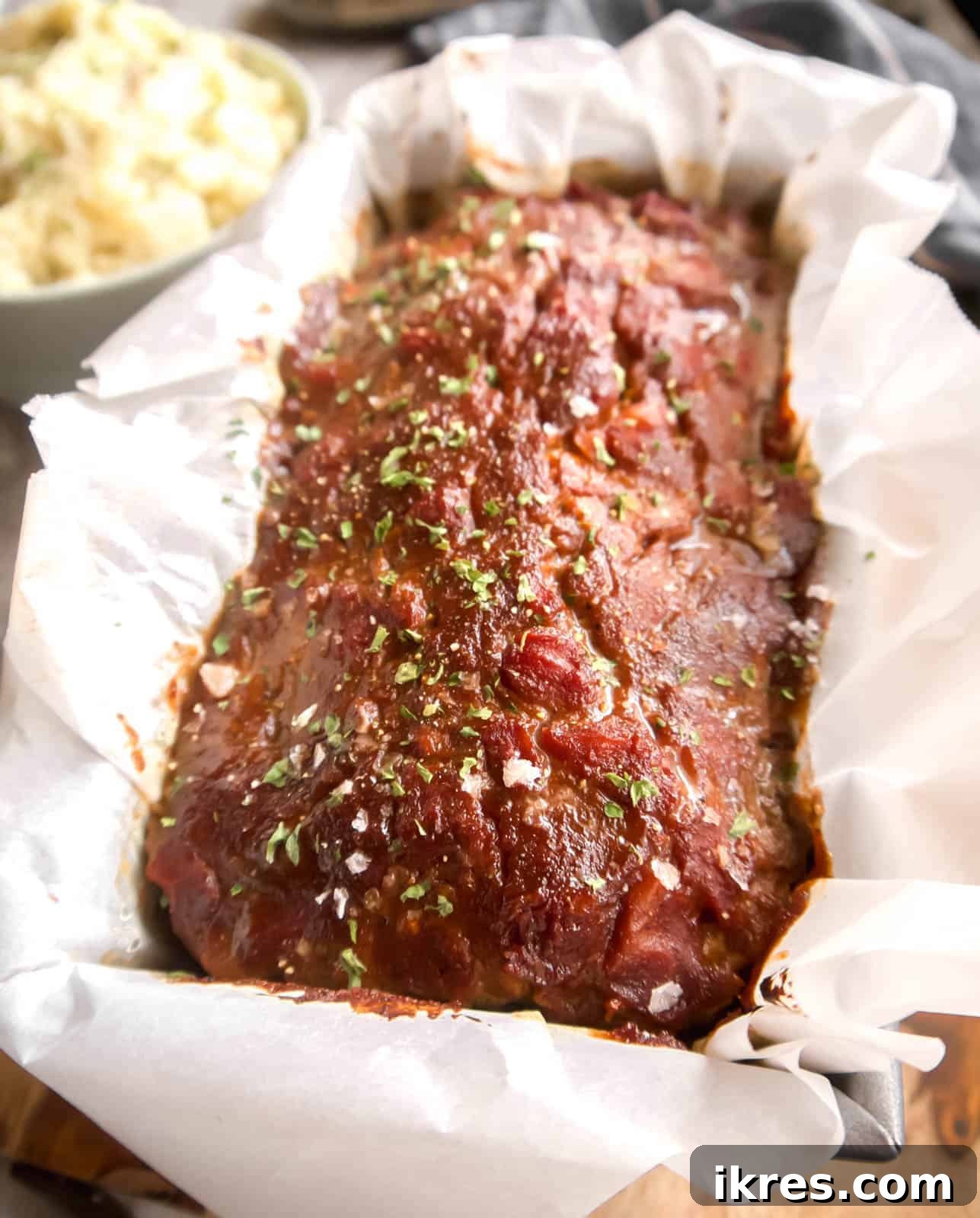
Mastering the Art of Paleo Meatloaf: A Wholesome, Flavorful Family Favorite
This paleo meatloaf stands out as a truly delicious, high-protein meal, beautifully crowned with a rich, savory homemade meatloaf sauce. Crafted to be naturally gluten-free and dairy-free, it caters to various dietary needs without sacrificing an ounce of flavor. Prepare to transform your dinner table with this comforting and wholesome dish.
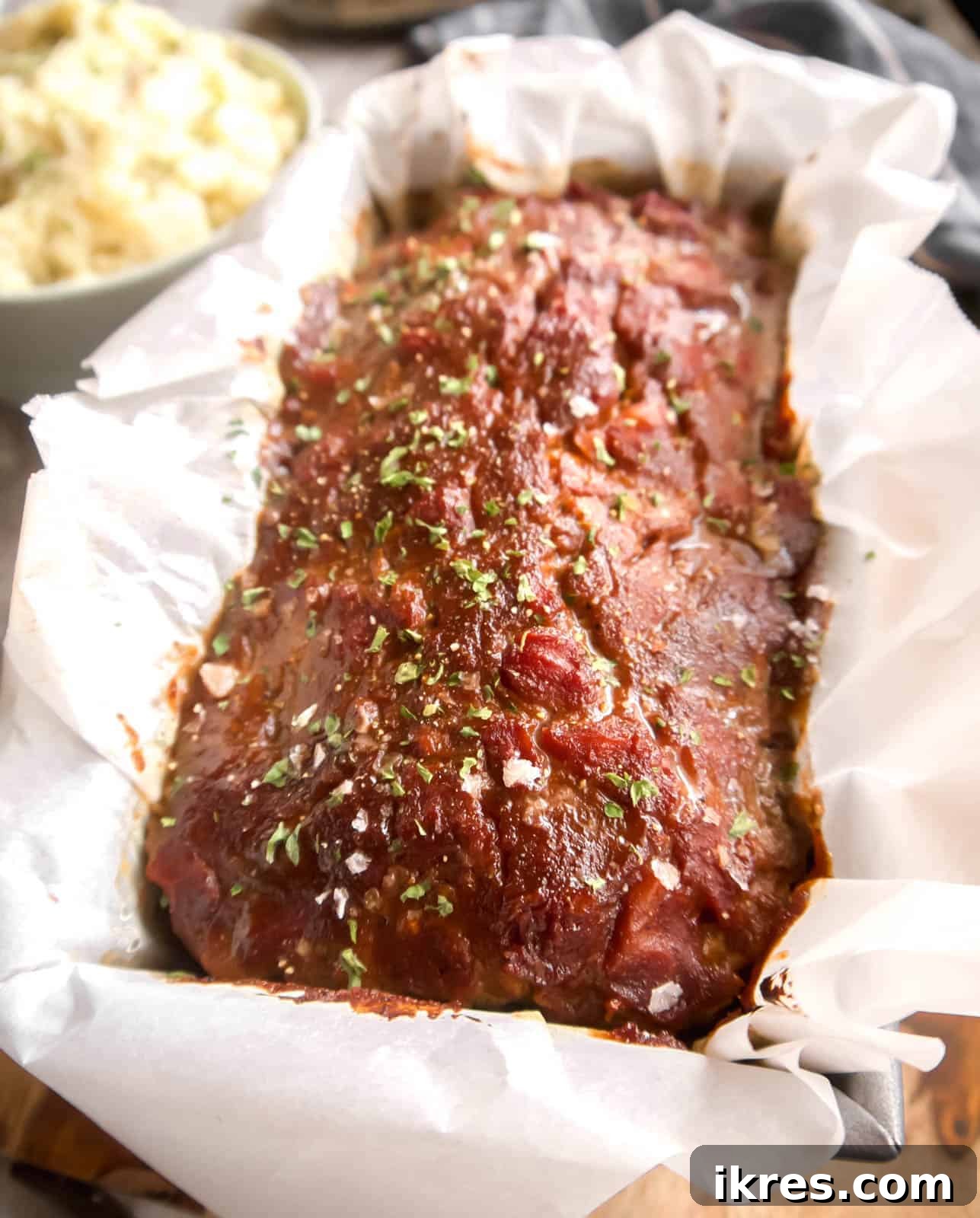
The timeless appeal of a classic meatloaf is undeniable, and this paleo-friendly version elevates that comforting experience to a new pinnacle of health and flavor. I genuinely adore this particular paleo meatloaf recipe; it’s a symphony of robust flavors, incredibly moist, and utterly satisfying. Its versatility shines through as it perfectly complements a wide array of side dishes. Imagine savoring a slice alongside a creamy roasted garlic mashed cauliflower and potato blend, or even a delightful Greek yogurt mashed potatoes for those who don’t strictly adhere to a dairy-free regimen. And let’s not forget the homemade meatloaf sauce – it’s truly the secret weapon that transforms this dish from merely good to absolutely phenomenal!
Beyond its delicious taste, this meatloaf offers practical benefits for busy households. It makes fantastic leftovers, streamlining meal prep for the week and simplifying weekday lunches or dinners. To truly maximize your efficiency, consider doubling the recipe to prepare two loaves simultaneously. This smart approach ensures you have an abundance of ready-to-eat meals, making healthy eating both convenient and achievable.
Table of Contents
- Why Go Paleo for Meatloaf?
- What Makes This Paleo Meatloaf Recipe Exceptional
- Essential Recipe Ingredients & Flavor Deep Dive
- Step-by-Step Guide to Crafting Your Perfect Meatloaf
- Expert Tips, Storage & Serving Suggestions
- Frequently Asked Questions (FAQs) About Paleo Meatloaf
- Other Healthy Meatloaf Recipes You’ll Adore
- Paleo Meatloaf (Gluten Free) Full Recipe Card
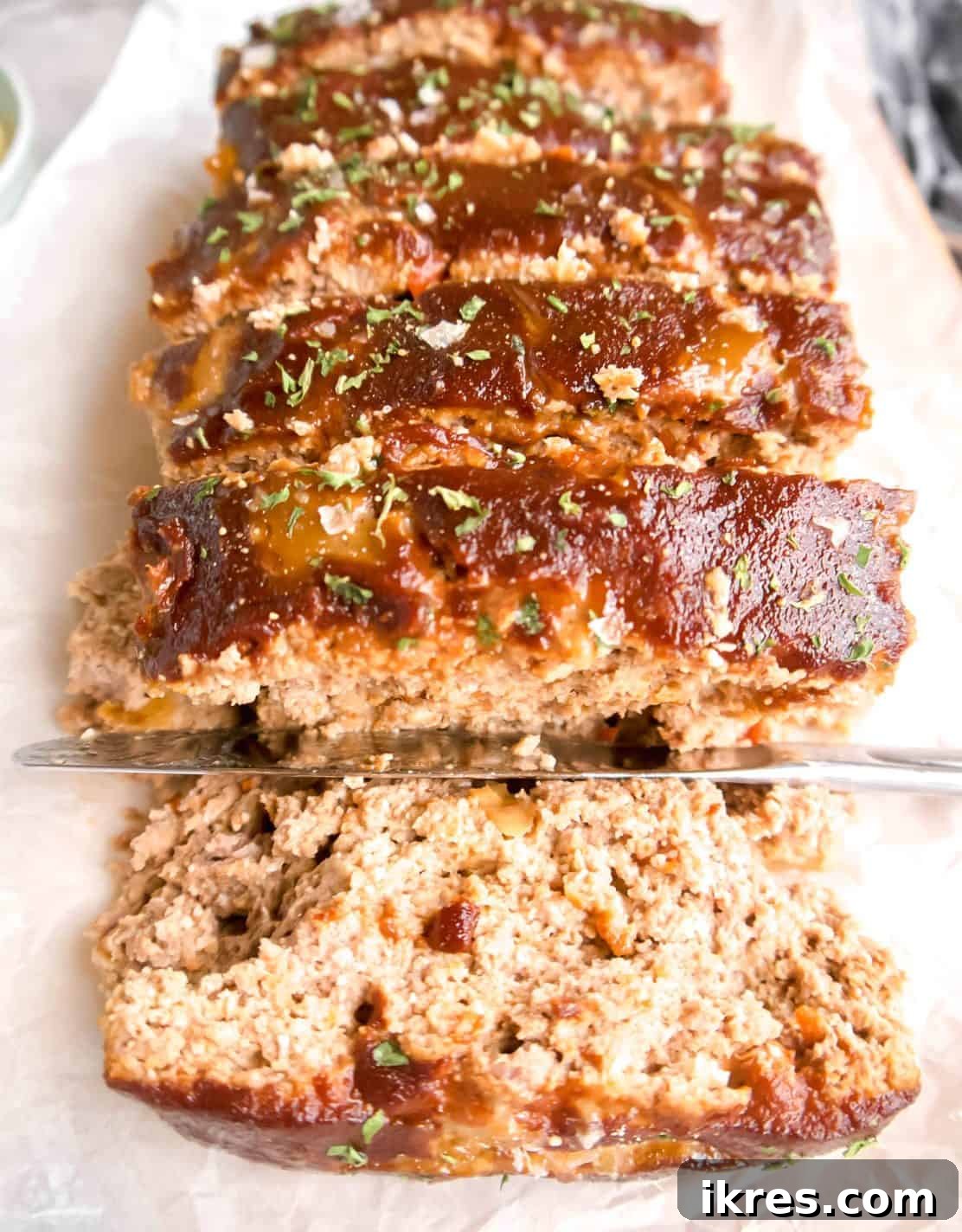
Why Go Paleo for Meatloaf? Embracing Wholesome and Healthy Eating
The Paleo diet, often inspired by the eating habits of our Stone Age ancestors, emphasizes whole, unprocessed foods. This dietary philosophy centers around consuming lean proteins, abundant fruits and vegetables, healthy fats from nuts and seeds, while consciously avoiding grains, legumes, dairy products, refined sugars, and highly processed ingredients. Our delightful Paleo meatloaf recipe perfectly embodies these principles, allowing you to enjoy a deeply satisfying and flavorful meal that aligns seamlessly with a natural, wholesome eating plan.
Choosing a Paleo meatloaf offers numerous advantages, particularly for those with specific dietary needs. It’s inherently free from common allergens like gluten and dairy, making it an excellent and safe option for individuals with sensitivities or those looking to minimize their intake of these food groups. Beyond allergy considerations, the Paleo approach is celebrated for promoting nutrient-dense eating. Every ingredient is chosen for its health benefits, providing your body with essential vitamins, minerals, and high-quality protein necessary for sustained energy, optimal digestive health, and overall vitality. This recipe not only delivers on taste but also on the promise of clean, nourishing fuel for your body, proving that healthy eating can indeed be both simple and incredibly delicious.
What Makes This Paleo Meatloaf Recipe Exceptional
This isn’t just any meatloaf; it’s a carefully crafted dish designed to deliver maximum flavor and nutritional benefits. Here’s what makes our Paleo meatloaf truly special:
- Made with Simple, Wholesome Ingredients: Our recipe champions the use of fresh, unprocessed ingredients. You won’t find any mysterious additives here, just pure, nourishing components that contribute to both flavor and health. This focus on whole foods ensures a cleaner, more natural meal experience.
- An Excellent Source of Protein: Each generous serving provides an impressive 37 grams of high-quality protein. This makes it an ideal meal for promoting satiety, supporting muscle development and repair, and maintaining stable energy levels throughout your day. It’s a powerhouse of nutrition in every bite.
- Perfect for Diverse Dietary Needs: This meatloaf is a versatile solution for various healthy eating lifestyles. It’s inherently suitable for those following Paleo, dairy-free, gluten-free, and grain-free diets, simplifying meal planning for individuals with specific dietary requirements or preferences.
- Irresistibly Delicious Flavor: Prepare your taste buds for an unforgettable experience! The harmonious blend of savory meat with our tangy, subtly sweet homemade sauce creates a deeply satisfying flavor profile. Its consistently moist texture ensures it’s never dry or bland, making it a guaranteed crowd-pleaser.
- Outstanding for Meal Preparation: Meatloaf is renowned for its ability to transform into delicious leftovers, and this Paleo version is no exception. It reheats beautifully, making it an excellent candidate for batch cooking. Prepare a larger quantity at the beginning of the week, and enjoy effortless, healthy meals for days to come, significantly simplifying your kitchen routine.
Essential Recipe Ingredients & Flavor Deep Dive
The remarkable taste and texture of this Paleo meatloaf are a direct result of its carefully selected, high-quality ingredients. Each component plays a vital role in building a complex and satisfying flavor profile. Let’s explore what you’ll need and why these ingredients are so important:
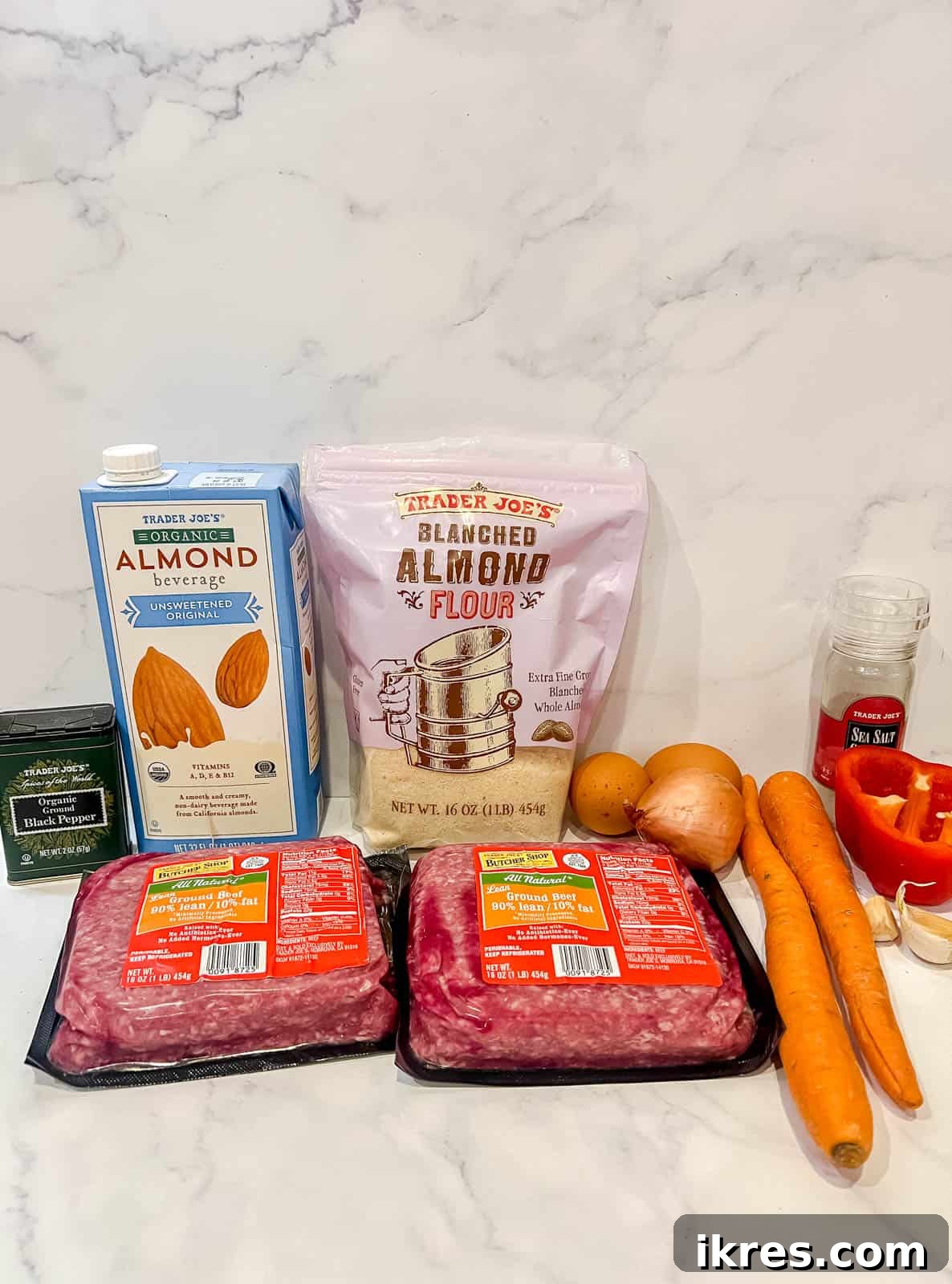
- Ground Beef: For optimal flavor and a slightly leaner profile, I highly recommend using 90% lean ground beef. This ensures a rich, meaty taste without excessive grease. However, standard ground beef works perfectly fine if that’s your preference. For those looking to experiment, ground turkey or chicken can also be used, though you might need to adjust the cooking time slightly and possibly add a touch of extra fat to prevent dryness.
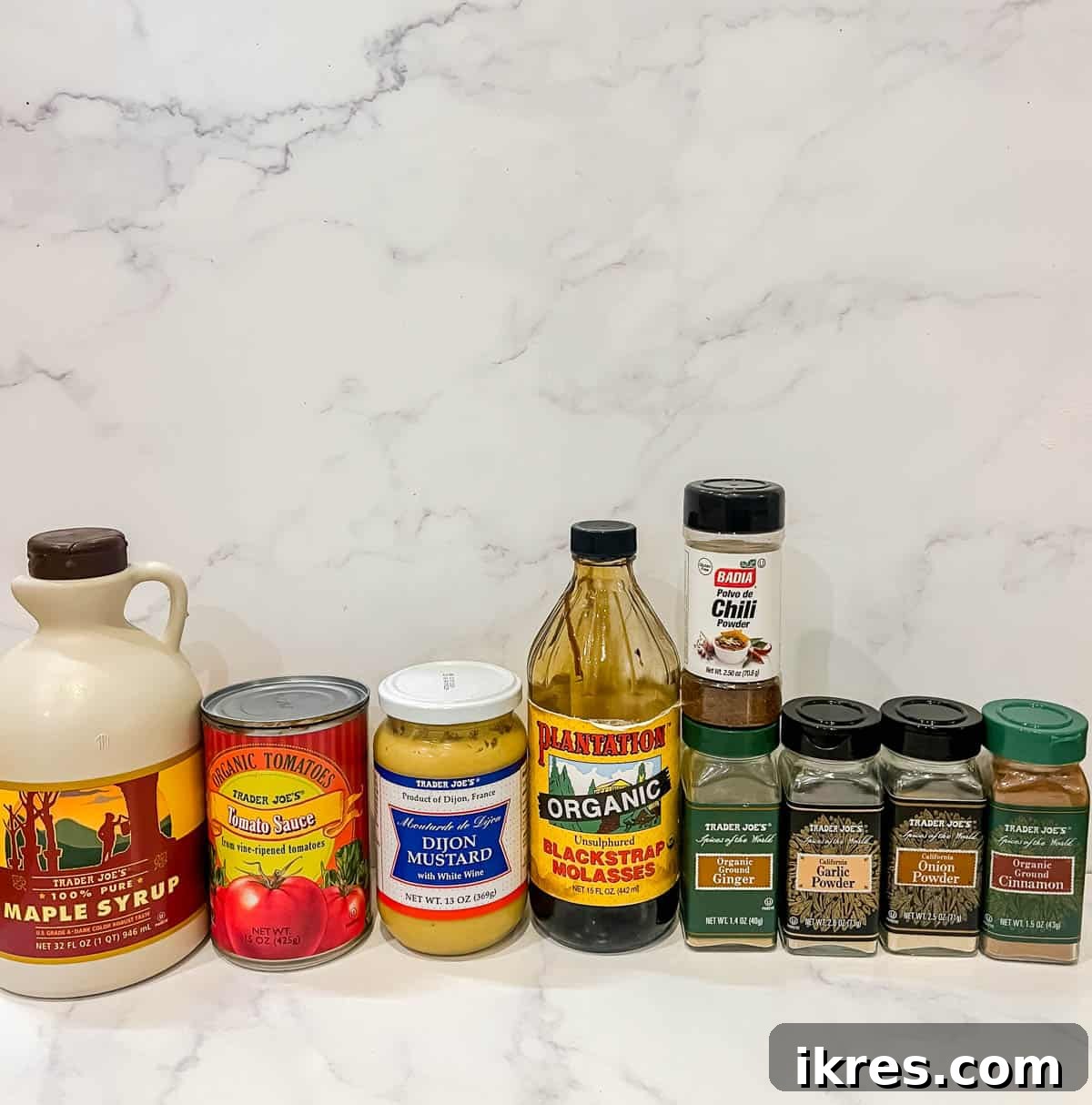
- Strained Tomatoes (Passata): This forms the essential foundation of our irresistible homemade meatloaf sauce. Strained tomatoes provide a smooth, vibrant tomato base, free from seeds and skins, which results in a velvety and concentrated sauce. I particularly favor brands like Pomi, often available in convenient cardboard containers, for their consistent quality.
- Blackstrap Molasses: A unique ingredient that adds a deep, complex, and slightly bittersweet flavor, which is crucial to the sauce’s distinctive character. Unlike refined sugar, blackstrap molasses is a byproduct of sugar refining that is surprisingly rich in essential minerals like iron, calcium, and magnesium. In small, measured amounts, it is considered acceptable within Paleo guidelines due to its nutritional density. For an insightful deep dive into its Paleo compatibility, I encourage you to read this informative article from The Paleo Mom.
- Aromatic Spice Blend (Onion Powder, Ground Ginger, Cinnamon, Garlic Powder, Chili Powder): This carefully balanced combination of spices is where the magic truly happens for our meatloaf sauce. Onion and garlic powders lay a savory groundwork, while ground ginger and a whisper of cinnamon introduce an unexpected warmth and fragrant complexity. The chili powder provides a gentle, earthy heat, creating a dynamic and incredibly well-rounded flavor profile.
- Maple Syrup and Spicy Mustard: These two components work in tandem to create a harmonious sweet and spicy kick in the sauce. Pure maple syrup, a natural and Paleo-friendly sweetener, contributes a subtle sweetness. Spicy mustard (ensure it’s sugar-free for strict Paleo adherence) adds a tangy zest and a pleasant, invigorating heat that perfectly balances the sweetness.
- Almond Milk: Incorporated into the meatloaf mixture, almond milk serves as a vital moisturizing agent. It helps ensure the meatloaf remains wonderfully tender and juicy throughout the baking process. Always opt for unsweetened plain almond milk to avoid any unwanted added sugars or flavors.
- Almond Flour: This is our clever, gluten-free alternative to traditional breadcrumbs, which are typically grain-based and not Paleo. Almond flour provides essential structure and acts as a binder, holding the meatloaf together while keeping the recipe entirely grain-free and Paleo-compliant.
- Fresh Vegetables (Onion, Red Bell Pepper, Carrots, Garlic): These vegetables, finely minced and sautéed, are indispensable for layering deep flavor, maintaining moisture, and boosting the nutritional content of the meatloaf. They form an aromatic base that permeates the entire dish and contributes a delightful texture.
- Eggs: Acting as the primary natural binder, eggs are crucial for holding the meatloaf mixture together, preventing it from crumbling and ensuring it maintains its classic loaf shape during cooking. Using large eggs will provide consistent results.
For a complete list of ingredients and precise measurements, please refer to the detailed recipe card provided further down. Remember, the quality and freshness of your ingredients will significantly impact the final taste and texture of your homemade Paleo meatloaf!
Step-by-Step Guide to Crafting Your Perfect Paleo Meatloaf
Creating this flavorful Paleo meatloaf is a rewarding and relatively simple process. By following these clear, detailed instructions, you’ll achieve a perfectly moist, tender, and delicious meatloaf every time, even if you’re a beginner in the kitchen:

Step 1: Prepare Your Oven and Loaf Pan. Begin by preheating your oven to 375 degrees F (175 degrees C). To ensure easy removal of your cooked meatloaf and simplify cleanup, lightly grease a standard 9×5 inch loaf pan. For extra convenience, consider lining it with a strip of parchment paper, allowing some overhang on the longer sides. This creates “handles” for lifting. Position your oven rack in the top third of the oven for optimal heat distribution.
Step 2: Whisk Together the Homemade Meatloaf Sauce. In a small mixing bowl, combine all the designated meatloaf sauce ingredients: the strained tomatoes, blackstrap molasses, onion powder, ground ginger, cinnamon, garlic powder, chili powder, maple syrup, and spicy mustard. Whisk these ingredients vigorously until they are thoroughly blended and the sauce achieves a smooth, consistent texture. Set this flavorful sauce aside, as it will be used in two stages of the meatloaf preparation.

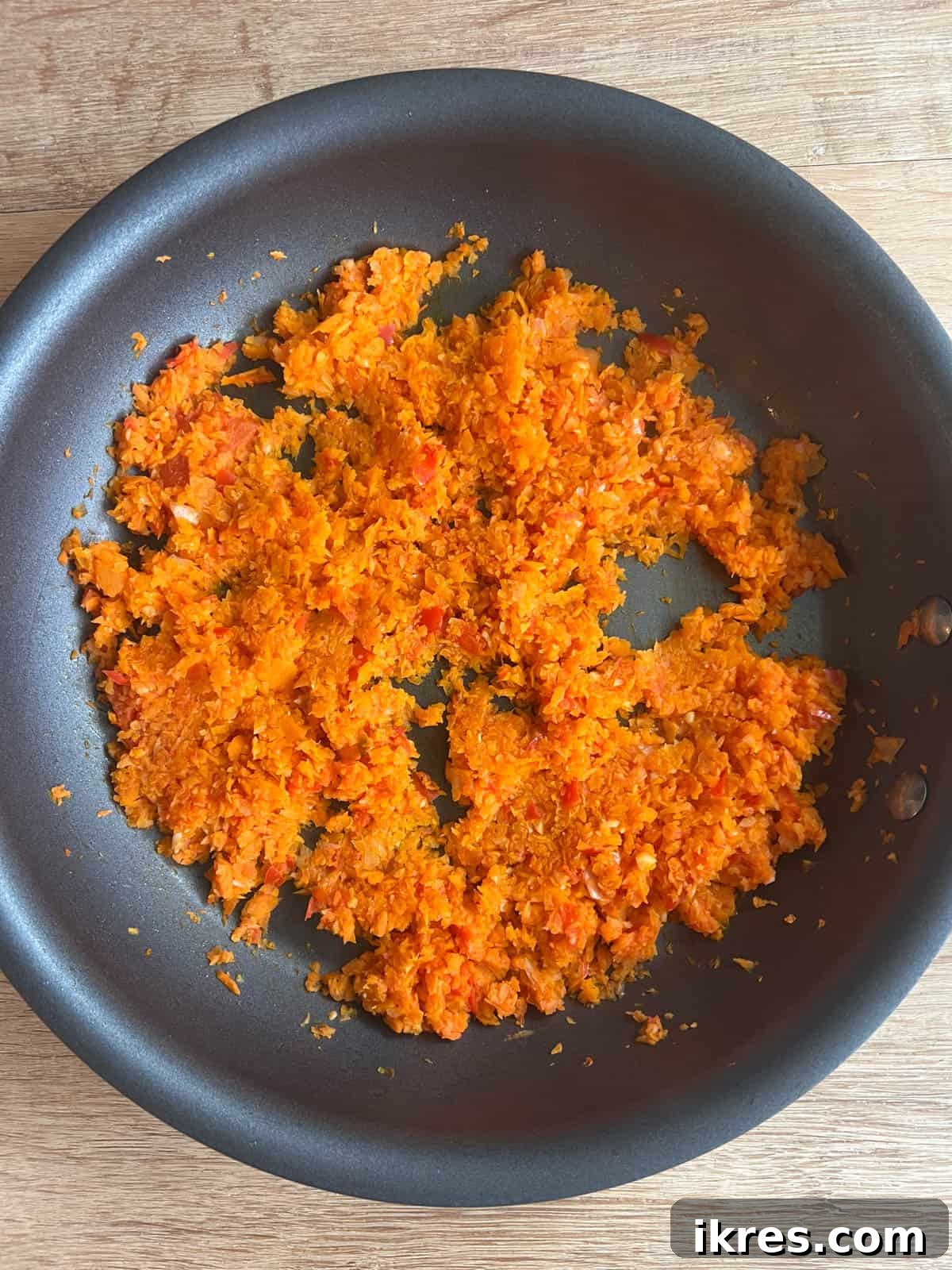
Step 3: Mince and Sauté the Vegetables. To ensure a fine texture and even flavor distribution throughout your meatloaf, place the garlic cloves, carrots, onion, and red bell pepper into a food processor. Pulse the vegetables until they are finely minced, creating a uniform, small chop (avoid pureeing them). Transfer these minced aromatics into a frying pan. Cook over medium heat, stirring occasionally, until the vegetables are softened and any moisture released into the pan has fully evaporated. This process typically takes about 4-5 minutes and helps to concentrate their flavors.
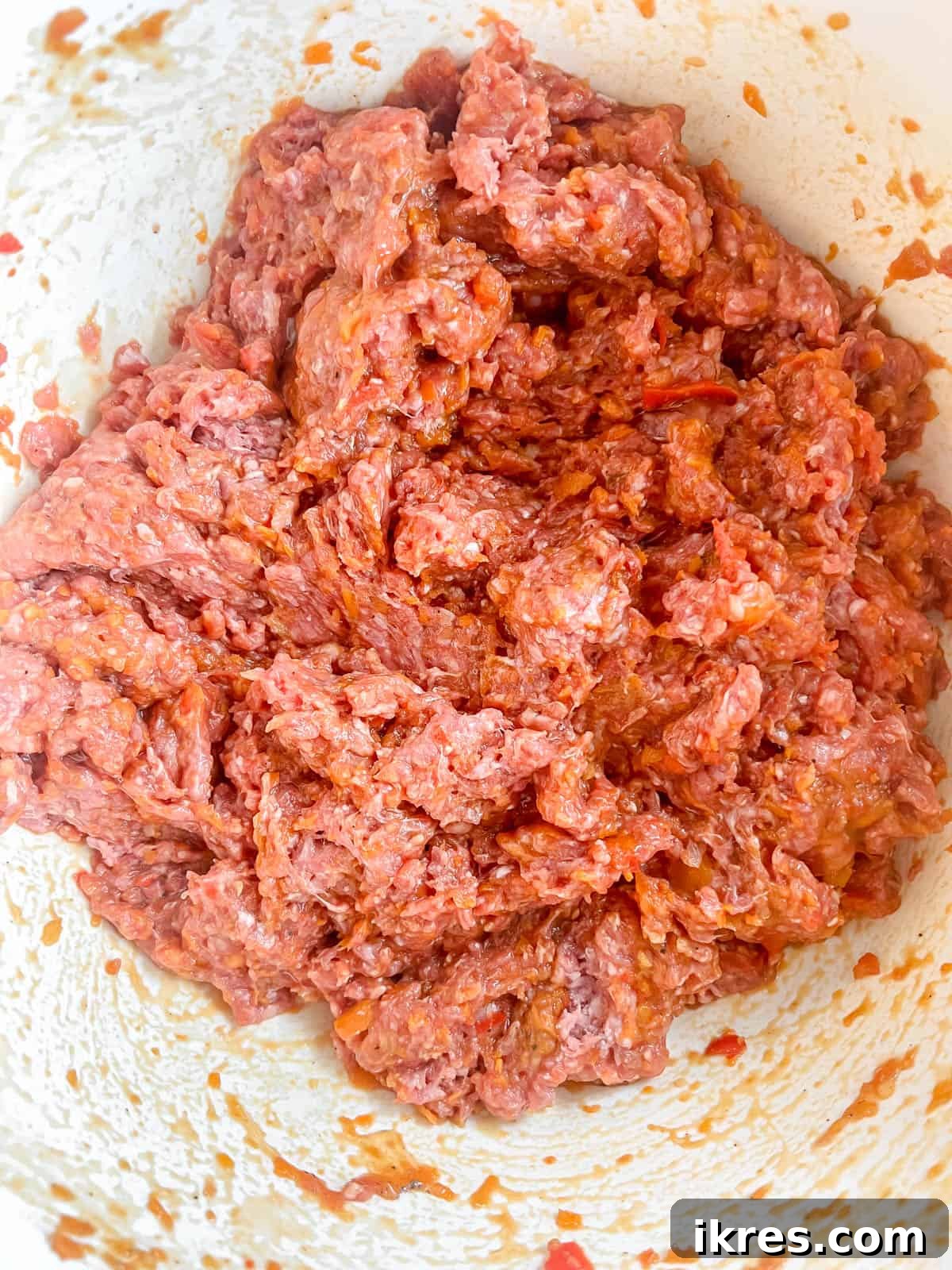
Step 4: Assemble the Meatloaf Mixture. In a generously sized mixing bowl, combine the lean ground beef, salt, and black pepper. Add the two beaten eggs, the fully sautéed vegetables from the previous step, the almond flour (which acts as our gluten-free binder), and the almond milk. Now, crucially, incorporate 3 tablespoons of your prepared homemade meatloaf sauce into this mixture. Using a fork or your clean hands, gently mix all the ingredients until they are just combined. It’s important not to overmix, as this can lead to a denser, tougher meatloaf. The mixture should feel well-integrated but not compacted.
Step 5: Shape and Initiate Baking. Carefully transfer the prepared meatloaf mixture into your greased and parchment-lined loaf pan. Using your hands or the back of a spoon, gently pat and shape the mixture so that it is evenly distributed and fills the pan. This ensures uniform cooking. Place the loaf pan into your preheated oven and bake for an initial 20 minutes. This partial cooking allows the meatloaf to begin setting its shape before the final sauce layer is applied.
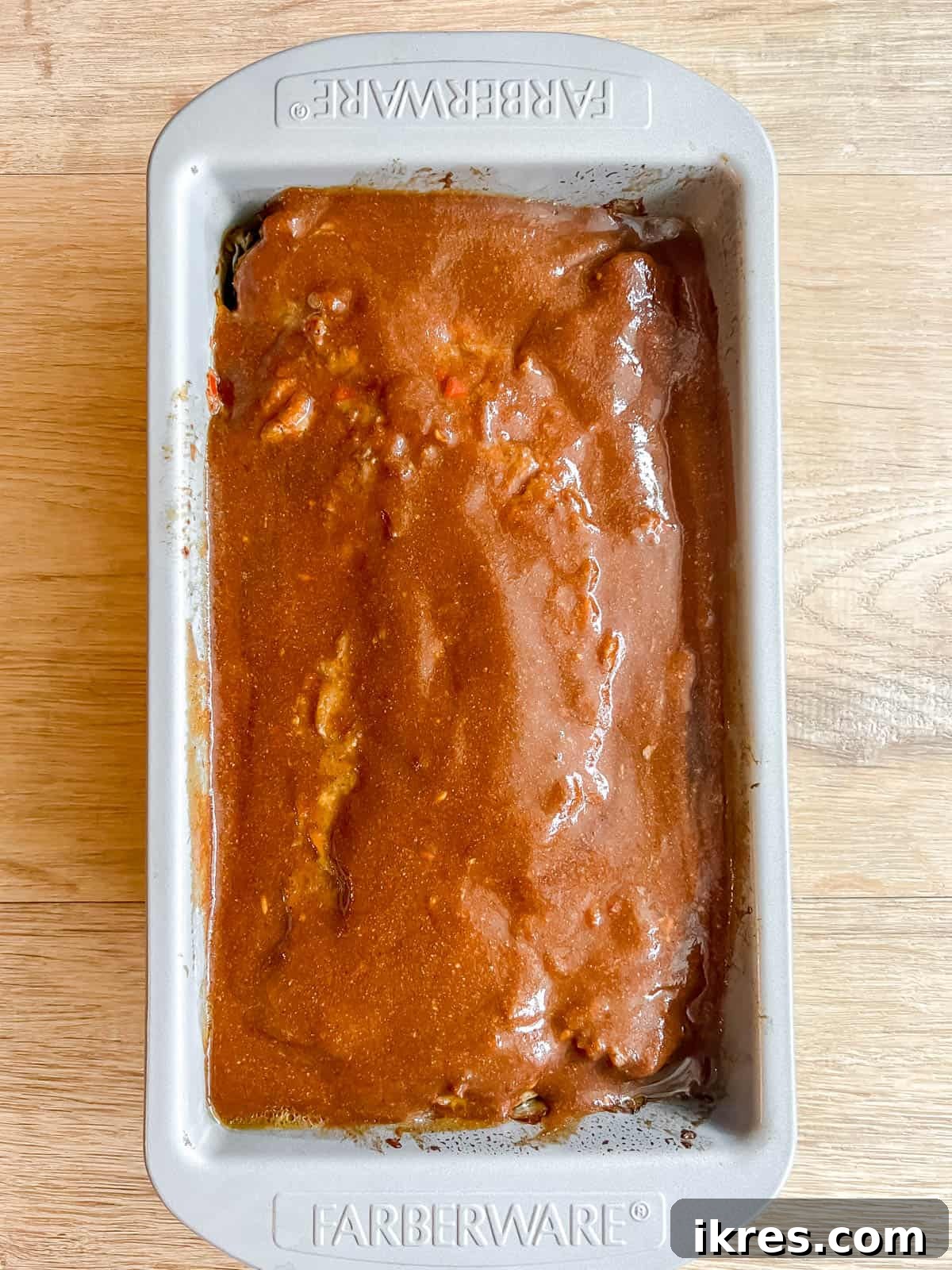
Step 6: Glaze and Complete Baking. After the initial 20-minute baking period, carefully remove the meatloaf from the oven. Take the remaining homemade meatloaf sauce and generously spread it evenly over the entire top surface of the loaf using a spatula. Return the meatloaf to the oven and continue baking for another 40 minutes, or until the center is thoroughly cooked. To accurately determine doneness and ensure food safety, use a meat thermometer inserted into the thickest part of the meatloaf; it should register an internal temperature of 160 degrees F (71 degrees C).
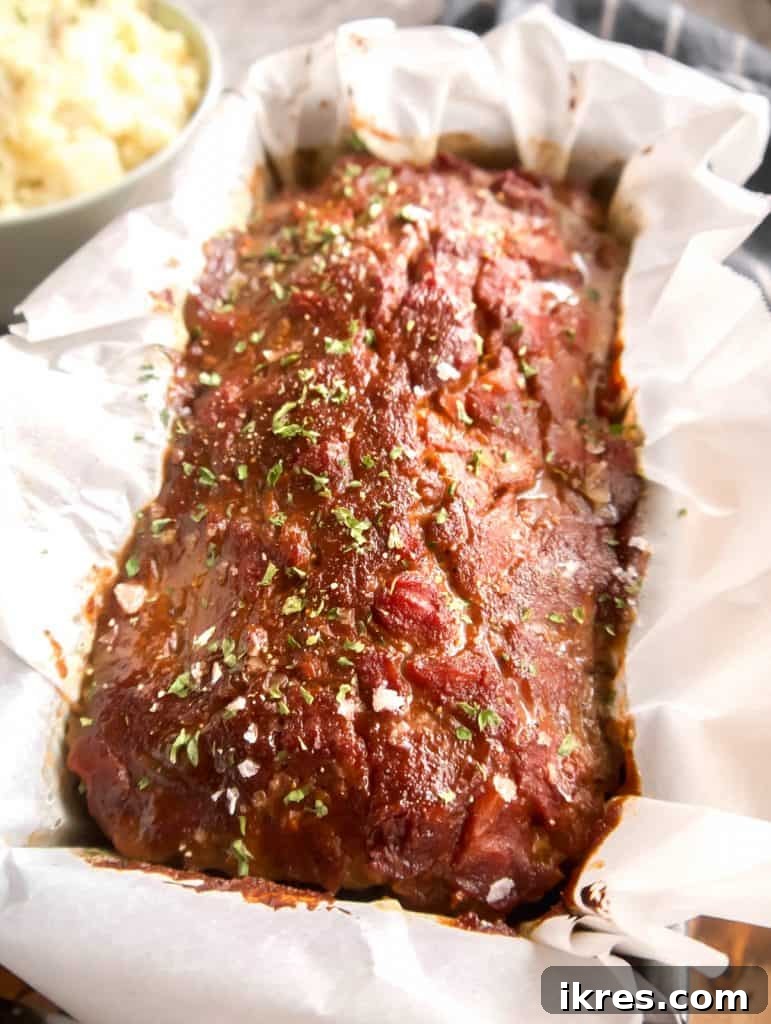
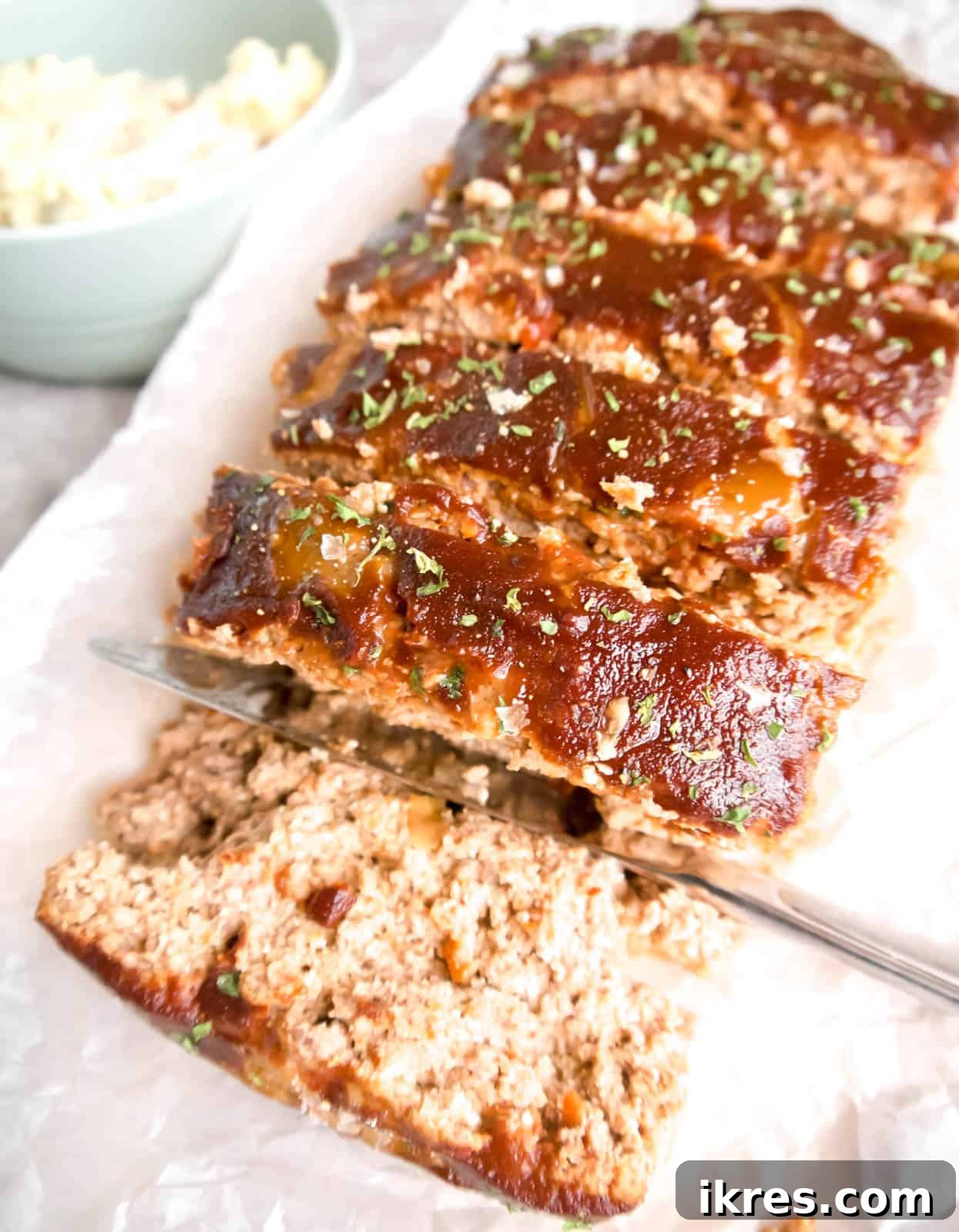
Step 7: Rest, Slice, and Serve. Once the meatloaf has reached the correct internal temperature, remove it from the oven. This next step is absolutely critical for the best results: allow the meatloaf to rest in the loaf pan for at least 10-15 minutes before you even think about slicing it. This resting period enables the meat’s juices to redistribute throughout the loaf, guaranteeing a more moist, tender, and flavorful slice. After resting, carefully lift the meatloaf out of the pan using the parchment paper, transfer it to a cutting board, slice into generous portions, and serve your perfectly prepared Paleo meatloaf!
Expert Tips, Storage & Serving Suggestions for the Ultimate Meatloaf Experience
Elevating your meatloaf from good to extraordinary involves a few simple tricks and thoughtful considerations. Here are our expert tips to help you achieve the best possible Paleo meatloaf every time, along with delicious serving and practical storage advice:
- The Golden Rule: Always Let Your Meatloaf Rest: This is, without a doubt, the most critical step for a truly moist and tender meatloaf. After removing your meatloaf from the oven, resist the temptation to slice it immediately. Allow it to stand undisturbed in the loaf pan for a minimum of 10-15 minutes. This vital resting period permits the muscle fibers to relax and reabsorb all those delicious juices that have gathered in the center during cooking. The result? A significantly more succulent, flavorful, and uniformly textured meatloaf that won’t dry out when sliced.
- Perfect Serving Companions: This versatile Paleo meatloaf pairs beautifully with a wide variety of wholesome side dishes. For a truly Paleo-friendly meal, consider roasted green vegetables like crisp broccoli, tender asparagus, or caramelized Brussels sprouts. Sweet potatoes are another excellent and comforting accompaniment, whether roasted into wedges, mashed to creamy perfection, or even transformed into homemade fries. If you’re incorporating non-Paleo options into your diet, cottage cheese mashed potatoes offer a wonderfully creamy texture, while maple-glazed turmeric carrots add a touch of natural sweetness and vibrant color. A crisp, simple side salad with a homemade vinaigrette also provides a refreshing contrast.
- Storing and Reheating Leftovers: Leftover meatloaf is a true gift for meal planning! Once your meatloaf has cooled completely to room temperature, wrap it tightly in plastic wrap or transfer slices to an airtight container. It will keep fresh and delicious in the refrigerator for 3-5 days. To reheat, individual slices can be gently warmed in the microwave. For best results and to maintain moisture, reheat larger portions in the oven at 300°F (150°C), covered with foil, until warmed through. Adding a splash of broth or water to the pan can help prevent drying.
- Freezing for Future Convenience: Meatloaf freezes exceptionally well, making it ideal for batch cooking and future busy nights. After baking and allowing the meatloaf to cool entirely, you can freeze it whole or as individual slices. Wrap it first in plastic wrap, then snugly in aluminum foil, and finally place it in a freezer-safe bag or container. It can be stored in the freezer for up to 3 months. When you’re ready to enjoy, thaw it overnight in the refrigerator before reheating as directed above.
- Avoid Overmixing the Meat: When combining your meatloaf ingredients, handle the mixture gently. Mix just enough until all components are evenly incorporated. Overmixing can compact the ground meat, leading to a tougher, denser, and less tender meatloaf. Light hands are key to a tender result.
- Embrace Vegetable Creativity: While onion, carrots, and red bell pepper provide a fantastic foundational flavor, feel free to experiment with other finely minced vegetables. Zucchini, mushrooms, or spinach can be excellent additions, boosting both nutrients and flavor. Just remember to sauté any high-water-content vegetables thoroughly to remove excess moisture before adding them to the meat mixture.
- Explore More Paleo Meatloaf Ideas: If you’re eager to try another intriguing Paleo meatloaf variation, check out this Paleo meatloaf recipe from Ditch the Wheat. It creatively incorporates earthy mushrooms and other delightful ingredients for a unique twist on the classic.
Frequently Asked Questions (FAQs) About Paleo Meatloaf
Here are answers to some common questions that often arise when preparing and enjoying this wholesome Paleo meatloaf:
- Can I use different types of ground meat? Absolutely! While lean ground beef is recommended for its rich flavor and texture, this recipe is quite adaptable. You can successfully substitute it with ground turkey, ground chicken, or even a blend of different meats. When using leaner options like ground turkey, you might consider adding a tablespoon of olive oil or other fat to the mixture to help maintain moisture and prevent the meatloaf from drying out. Be mindful that cooking times may vary slightly with different meats.
- How do I ensure my meatloaf is fully cooked and safe to eat? The most accurate and safest way to determine if your meatloaf is perfectly cooked is by using a reliable meat thermometer. Insert the thermometer into the thickest part of the loaf, ensuring it doesn’t touch the bottom of the pan. The internal temperature should register a minimum of 160°F (71°C) for ground beef. Visually, the top should be nicely browned and the sauce caramelized.
- Is this recipe suitable for a Whole30 program? Yes, this Paleo meatloaf recipe can easily be made Whole30 compliant with a minor adjustment. To align with Whole30 guidelines, you will need to omit the maple syrup and blackstrap molasses from the sauce, as these are not allowed on the program. You can compensate for the lost sweetness and depth by enhancing the spices or adding a small amount of date paste (made from blended dates and water) if preferred. Always double-check the label of your spicy mustard to ensure it contains no added sugars or non-compliant ingredients.
- Why is it so important to let the meatloaf rest after baking? Resting the meatloaf is a critical step that significantly impacts its moisture and tenderness. During cooking, the juices in the meat tend to migrate towards the center. If you slice the meatloaf immediately after removing it from the oven, these juices will simply run out, leaving you with a drier, less flavorful result. The 10-15 minute resting period allows the muscle fibers to relax and redistribute these juices evenly throughout the loaf, ensuring every slice is succulent and tender.
- What should I do if my meatloaf comes out too crumbly? A crumbly meatloaf can sometimes be due to overmixing the meat, which can break down proteins and prevent proper binding. Ensure you mix just until the ingredients are combined. Also, check your binding agents: make sure the eggs are sufficiently beaten and the almond flour is evenly incorporated. The sautéed vegetables also contribute to moisture and binding. If you consistently find your meatloaf crumbly, you could try adding an extra tablespoon of almond flour or an additional beaten egg in future attempts, adjusting for consistency.
Other Healthy Meatloaf Recipes You’ll Adore
If you’ve enjoyed the wholesome goodness of this Paleo Meatloaf, you’ll be thrilled to explore more delicious and healthy variations. Expand your culinary horizons with these equally satisfying meatloaf recipes, perfect for any occasion:
Did you give this recipe a try? Please take a moment to leave me a ⭐ review below! Your feedback is invaluable and helps others discover this fantastic dish!
Paleo Meatloaf (Gluten Free) Full Recipe Card
Paleo Meatloaf (Gluten Free)
Dominique
6 servings
15 mins
1 hr
1 hr 15 mins
Email Recipe
Print Recipe
A yummy meat loaf recipe made with Paleo ingredients and topped in a savory homemade steak sauce.
Ingredients
Meatloaf Sauce Ingredients:
- ½ cup strained tomatoes, (canned or cardboard container- Pomi is favorite)
- 1 ½ Tablespoons blackstrap molasses
- ¼ teaspoon ground ginger
- ½ teaspoon onion powder
- ½ teaspoon garlic powder
- ⅛ teaspoon cinnamon
- ¼ teaspoon chili powder
- 1 Tablespoon maple syrup
- 1 Tablespoon spicy mustard
Meatloaf Ingredients:
- 2 Tablespoons almond milk
- ½ cup almond flour
- 1 small onion, minced
- 2 cloves garlic, minced
- ½ red bell pepper, minced
- 1 large carrot, minced
- 2 lbs lean ground beef
- 2 eggs, beaten
- 1 teaspoon salt
- ½ teaspoon black pepper
Instructions
- Preheat oven to 375 degrees F (175 degrees C). Lightly grease and line a 9 x 5 loaf pan with parchment paper. Put the oven rack into the top 1/3 of the oven.
- Make the homemade meatloaf sauce. Add all of the sauce ingredients into a small bowl, and mix. Set aside.
- Put the garlic, carrots, onion, and red pepper in a food processor and mince. Put into a frying pan and cook over medium heat, until soft, and the liquid in the pan has evaporated. About 4-5 minutes.
- In a large bowl, add the ground beef, salt, pepper, eggs, 3 Tablespoons of the homemade meatloaf sauce, the sautéed veggies, almond flour and almond milk. Mix with a fork or your hands until just combined.
- Put the meatloaf mixture into the greased loaf pan. Pat it down so that it is evenly distributed. Cook for 20 mins. Then, take the meatloaf out of the oven and add the remaining meatloaf sauce on top. Smooth the sauce out on top of the meatloaf with a spatula. Put the meatloaf back in the oven and cook for another 40 minutes, until the center is cooked. The meatloaf should have an internal temp of 160 degrees F (71 degrees C).
- Let the meatloaf sit for 10-15 minutes before slicing.
Notes
- Let the meatloaf rest after cooking. One key to this recipe is to let the meatloaf stand for about 10-15 minutes after it comes out of the oven so that the fat and juices from the meat get reabsorbed into the meatloaf. This makes for a better, more moist meatloaf texture.
- How to serve: With a side of roasted veggies and potatoes in any form. I like cottage cheese mashed potatoes and maple glazed turmeric carrots with it. For strict Paleo, choose roasted sweet potatoes or cauliflower mash.
- How to store: Cover and store in the refrigerator for 3-5 days. Meatloaf also freezes well; wrap tightly and store for up to 3 months.
Nutrition
Carbohydrates: 13g
Protein: 37g
Fat: 12g
Saturated Fat: 4g
Polyunsaturated Fat: 1g
Monounsaturated Fat: 4g
Trans Fat: 1g
Cholesterol: 148mg
Sodium: 584mg
Potassium: 786mg
Fiber: 2g
Sugar: 9g
Vitamin A: 3008IU
Vitamin C: 17mg
Calcium: 76mg
Iron: 5mg
Nutrition information is automatically calculated, so should only be used as an approximation.
Additional Info
Main Course
American
Tried this recipe?
Mention @perchancetocook or tag #perchancetocook! We’d love to see your creations!