
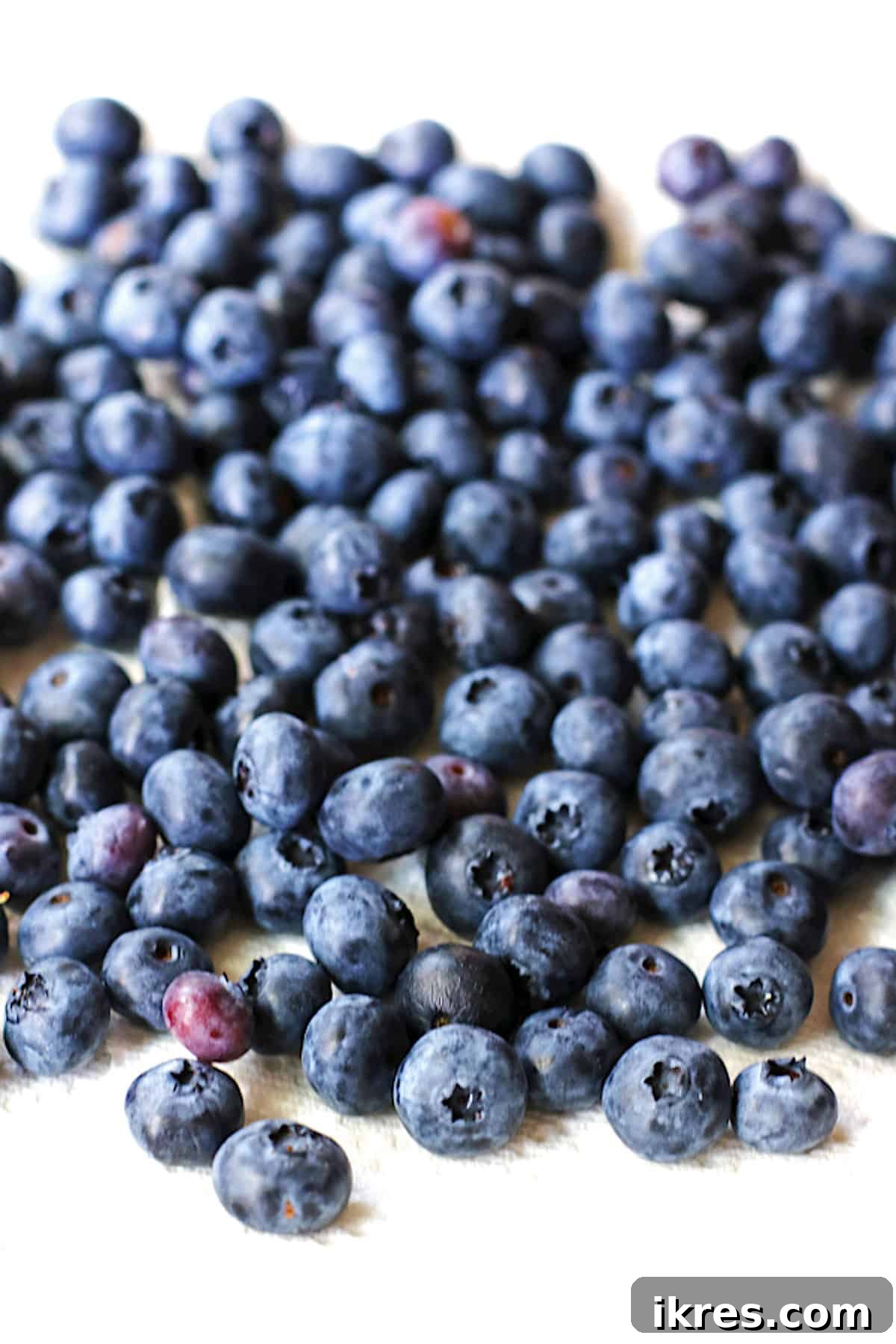
Blueberries, those delightful little gems bursting with vibrant flavor and powerful antioxidants, are a culinary chameleon. They effortlessly elevate everything from refreshing smoothies and wholesome breakfast bowls to decadent baked goods and elegant desserts. As summer arrives and blueberry bushes brim with their seasonal bounty, savvy home cooks know it’s the perfect time to stock up. Freezing fresh blueberries when they’re at their peak allows you to capture their natural goodness, ensuring a taste of summer even in the depths of winter. This comprehensive guide will walk you through the simple yet effective process of freezing blueberries, so you can enjoy these versatile fruits all year long. (Just like freezing other seasonal treasures such as raspberries, strawberries, and cherries, which also deserve a spot in your freezer!)
Selecting the Perfect Blueberries for Freezing
The secret to perfectly frozen blueberries begins with choosing the best fresh fruit. The quality of your frozen berries will directly reflect the quality of the berries you start with.
How to Choose Ripe Blueberries
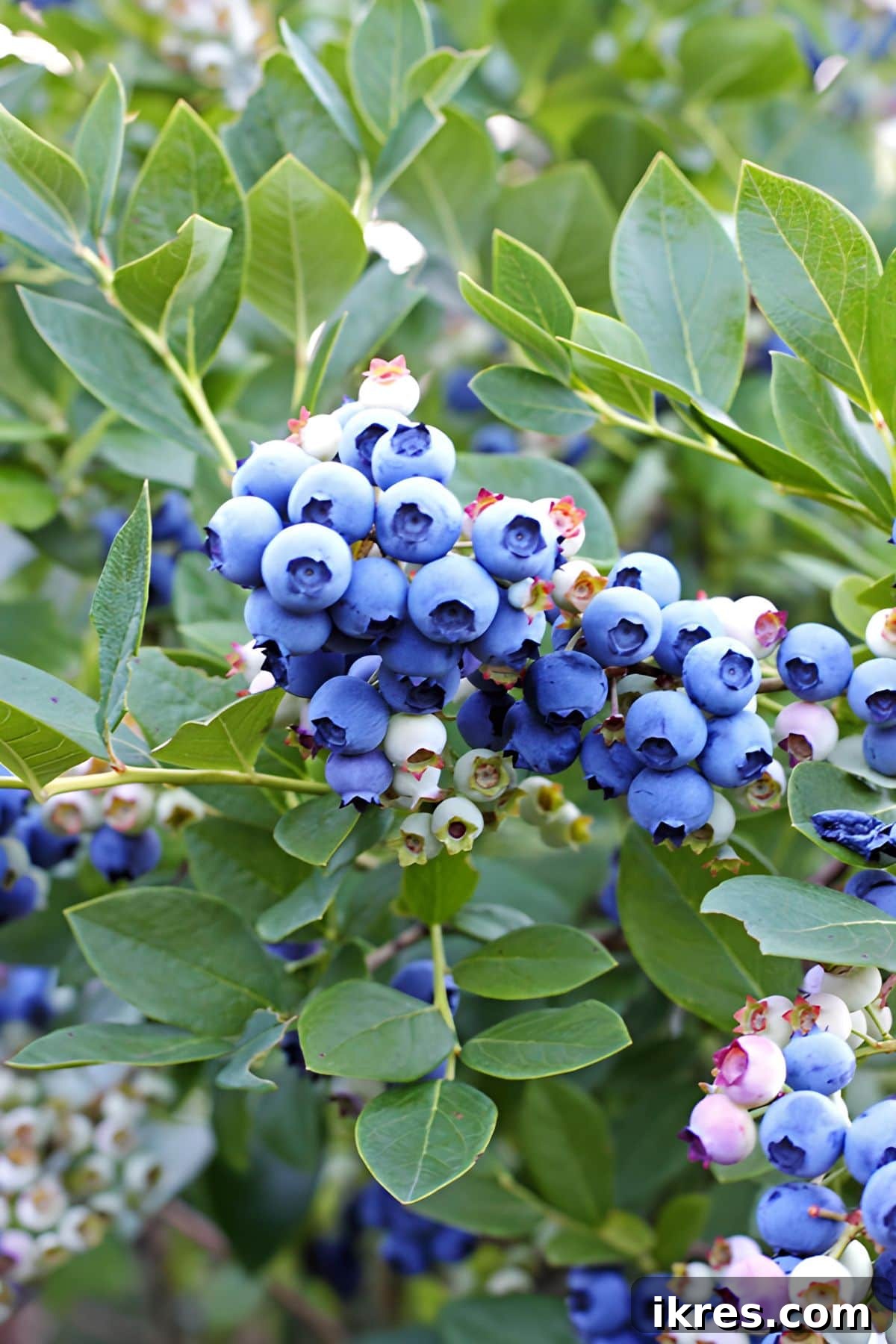
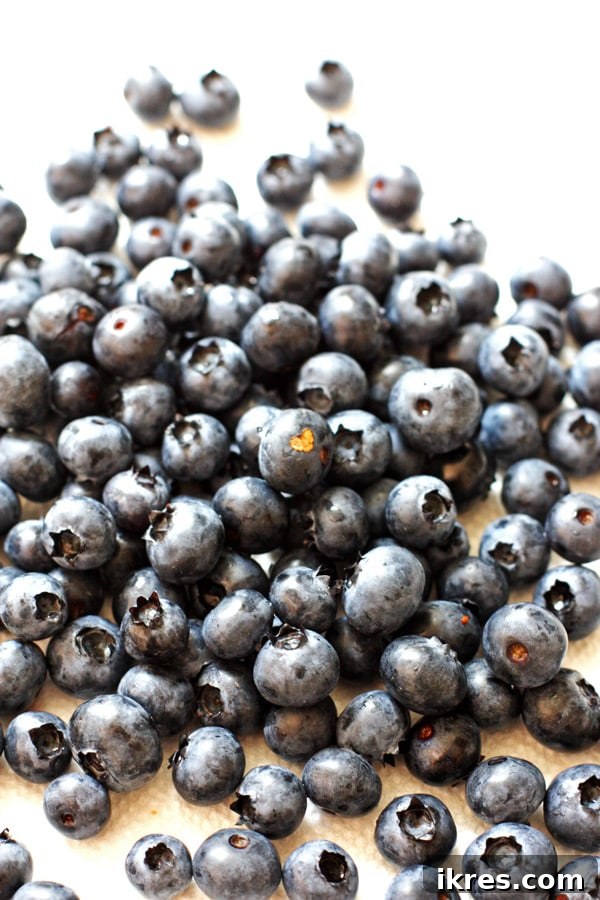
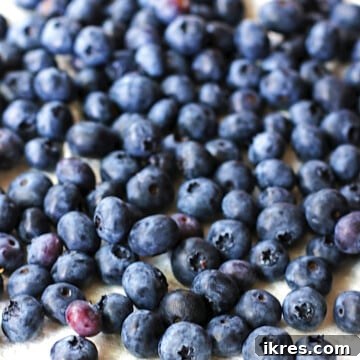
When selecting blueberries for freezing, look for plump, firm berries that are uniformly deep blue in color. A tell-tale sign of a perfectly ripe blueberry is the presence of a dusty white coating on its surface, often referred to as “bloom.” This natural protective layer indicates freshness and that the berries have not been overly handled. Avoid any blueberries that appear soft, shriveled, bruised, or show any signs of mold. While a few slightly under-ripe berries (which tend to be reddish-purple) are acceptable, as they will still freeze well, prioritize fully ripe ones for optimal sweetness and flavor.
Where to Find the Best Blueberries
During blueberry season, typically late spring through summer, you have several excellent options for sourcing these delicious berries:
- Farmers’ Markets: Often the best place to find locally grown, freshly picked blueberries directly from the farm. This guarantees peak freshness and supports local agriculture.
- U-Pick Farms: For an immersive experience and potentially the freshest berries, visit a “pick-your-own” blueberry farm. This allows you to select each berry by hand, ensuring you get exactly what you want while enjoying the outdoors.
- Grocery Stores: Most grocery stores carry blueberries year-round, but look for sales and displays during peak season when quality is highest and prices are best. Check the packaging carefully to ensure there are no crushed or moldy berries at the bottom.
Regardless of your source, aiming for organic blueberries can reduce pesticide exposure, a common concern for fruits like blueberries. However, conventional blueberries are also perfectly fine for freezing after proper washing.
Preparing Blueberries for Freezing
Proper preparation is key to preventing freezer burn and ensuring your blueberries retain their quality and flavor for months. This involves careful washing and, crucially, thorough drying.
To Wash or Not to Wash? The Great Blueberry Debate
The question of whether to wash blueberries before freezing often sparks debate among home cooks. While some purists argue that washing adds excess moisture, potentially leading to freezer burn and a less desirable texture, general consensus and food safety recommendations lean towards washing. It’s advisable to rinse blueberries to remove any dirt, dust, tiny leaves, small stems, or pesticide residues.
The trick is *when* and *how* you wash them. Wash them gently and thoroughly dry them immediately before the freezing process. Avoid washing berries days in advance, as this can accelerate spoilage. If you choose to skip washing, be prepared to rinse them thoroughly after thawing (if thawing is required for your recipe) or directly before use in smoothies or cooked dishes.
How to Wash and Dry Blueberries Properly
If you opt to wash, which is highly recommended for cleanliness and peace of mind, follow these steps:
- Gentle Rinse: Place your ripe blueberries in a colander. Rinse them gently under cool, running water. Avoid soaking them, as this can cause them to absorb too much water and become mushy.
- Initial Drain: Shake the colander gently to remove as much surface water as possible.
- Thorough Drying: This is arguably the most critical step to prevent ice crystals and freezer burn. Spread the rinsed blueberries in a single layer on a clean kitchen towel or several layers of paper towels. Gently pat them dry with additional paper towels. Allow them to air dry completely for at least 30 minutes to an hour, or even longer, until there is no visible moisture on their skin. You can also use a salad spinner to remove excess water before laying them out to air dry. The drier the berries, the better they will freeze and maintain their texture.
Prepping for Flash Freezing: The Baking Sheet Method
After your blueberries are perfectly dry, the next step is crucial for achieving individually quick frozen (IQF) berries that don’t clump together in the freezer. This method is called “flash freezing.”
Spread the clean, dry blueberries in a single layer on a rimmed baking sheet. Lining the baking sheet with parchment paper or a silicone baking mat is highly recommended. This prevents the berries from sticking to the tray, making them much easier to transfer once frozen. Ensure the berries do not touch each other as much as possible to allow for proper individual freezing.
Smart Kitchen Tip
Before you load up your baking sheet with precious berries, always double-check that it will comfortably fit inside your freezer! Freezers, especially side-by-side models, can have surprisingly narrow compartments. If a standard baking sheet is too large, consider using smaller trays, a cutting board, or even the tray from your air fryer or toaster oven. A little foresight can save you a lot of frustration!
The Step-by-Step Guide: How to Freeze Fresh Blueberries
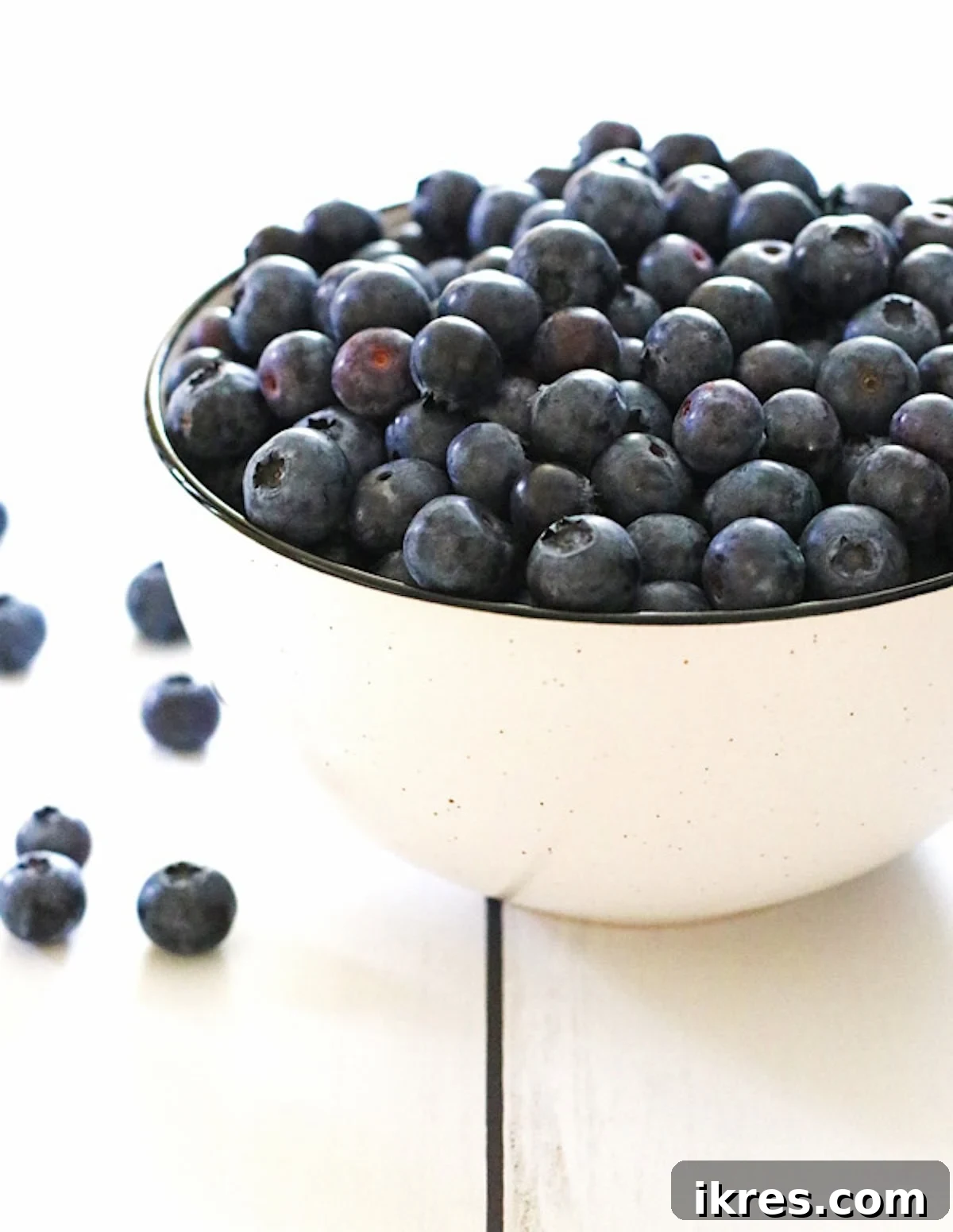
Once your blueberries are clean, dry, and spread out, it’s time to put them in the freezer. This method ensures they maintain their individual form and quality, making them easy to use later without having to chip away at a solid block of berries.
1. Flash Freeze for Individual Berries
Carefully place the baking sheet loaded with blueberries into your freezer. Allow them to freeze for approximately 1 to 2 hours, or until each berry is firm to the touch and completely frozen solid. The goal here is for each blueberry to freeze independently. This initial flash-freezing stage is vital for preventing the berries from clumping together in the storage bag, which is a common problem with poorly frozen fruit.
2. Transfer to Freezer-Safe Storage
Once the blueberries are fully flash-frozen, carefully remove the baking sheet from the freezer. Gently lift the parchment paper or silicone mat and transfer the solid, individual blueberries into appropriate freezer-safe containers. Resealable plastic freezer bags (like ziplock bags) are a popular choice due to their flexibility and ability to conform to the freezer’s shape. Alternatively, reusable silicone freezer bags (such as Stasher bags) or rigid airtight containers made from BPA-free plastic or glass are excellent eco-friendly options. For convenience, consider portioning your blueberries into smaller, measured batches (e.g., 1-cup or 2-cup portions) before sealing. This makes it incredibly easy to grab just the right amount for your recipes without needing to thaw a larger quantity.
3. Remove as Much Air as Possible
This step is critical for preserving the quality and flavor of your frozen blueberries and preventing freezer burn. Before sealing your freezer bags or containers, press out as much air as possible. For freezer bags, flatten them and use your hands to push air towards the opening before sealing. For rigid containers, fill them as close to the top as possible to minimize air space. Oxygen exposure is the primary culprit behind freezer burn, which can lead to dry, discolored, and flavorless fruit. For the ultimate protection against air, a vacuum sealer system is highly effective. Vacuum-sealing removes nearly all air, significantly extending the shelf life and quality of your frozen blueberries.
4. Label and Date for Freshness
Never skip this important organizational step! Use a permanent marker to clearly label each bag or container with the date of freezing and the contents (e.g., “Frozen Blueberries – August 2024”). This simple practice ensures you can easily keep track of your inventory and use the oldest berries first, ensuring you enjoy them within their optimal quality window. Proper labeling helps prevent waste and ensures you’re always using fresh-tasting frozen fruit.
Storage Guidelines and Shelf Life of Frozen Blueberries
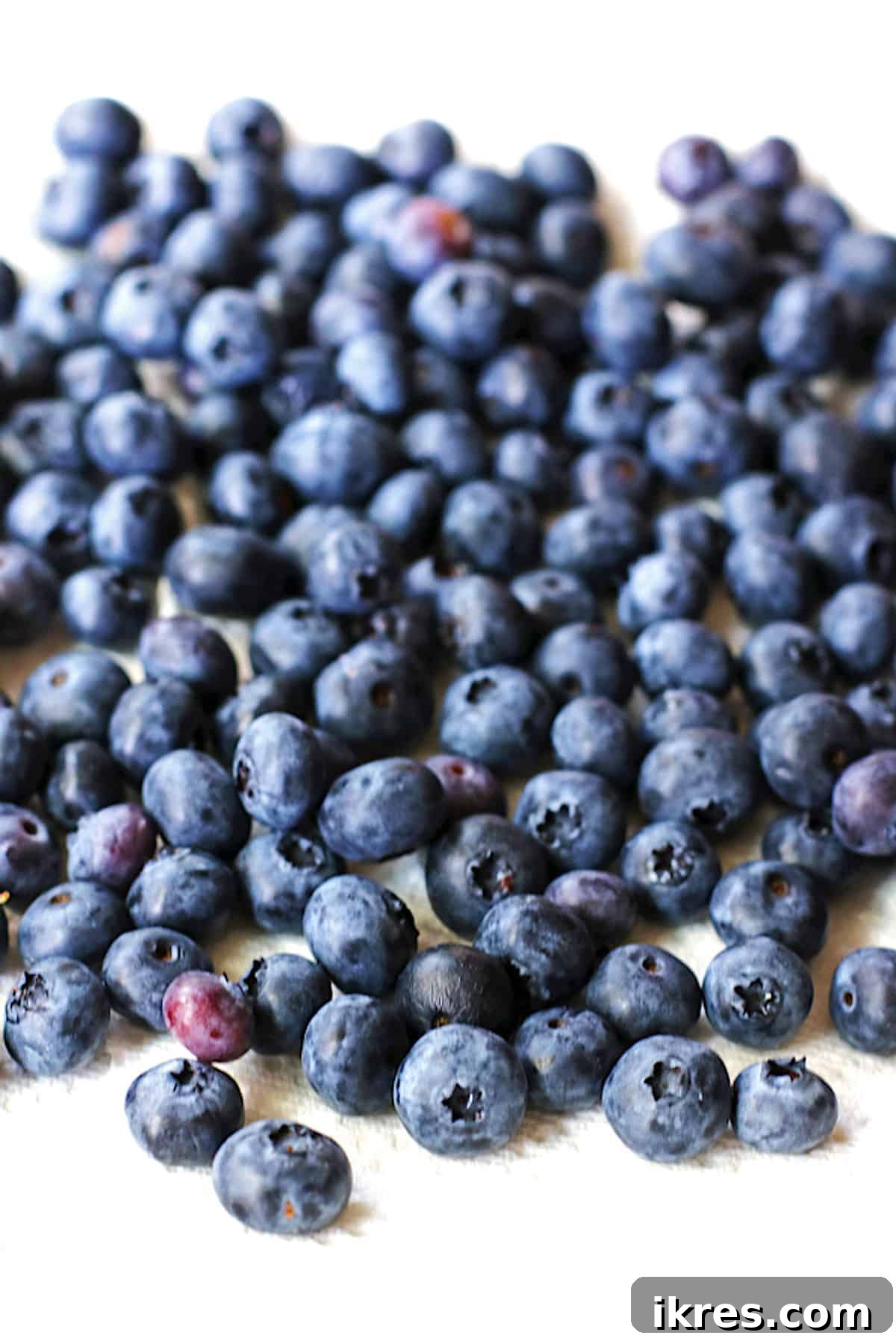
With proper freezing and storage techniques, your blueberries can maintain their peak quality for an impressively long time, allowing you to enjoy summer’s flavors deep into the colder months.
Frozen blueberries can be stored in a well-functioning freezer at 0°F (-18°C) or colder for up to 10-12 months. While they technically remain safe to eat beyond this period, their quality, texture, and flavor may start to diminish. Properly sealed and stored blueberries will maintain their vibrant color, firm texture, and delicious taste, making them virtually indistinguishable from fresh berries in many applications.
To maximize shelf life and prevent freezer burn, always ensure your freezer bags are tightly sealed with as little air as possible. Storing them towards the back of the freezer, where temperatures are most consistent and less affected by the door opening, is also a good practice. If you notice any signs of freezer burn – typically dry, discolored patches – the berries are still safe to consume, but their texture might be slightly altered, and flavor diminished. These are best used in cooked dishes like jams or pies where texture is less critical.
Creative Ways to Use Your Frozen Blueberries All Year Round
The beauty of frozen blueberries lies in their incredible versatility. They can be used directly from the freezer in most recipes, eliminating the need for thawing and making them a convenient ingredient for a wide array of dishes, both sweet and savory.
Refreshing Smoothies and Drinks
Frozen blueberries are a smoothie game-changer. They add a natural sweetness, vibrant color, and an essential chill factor, making your smoothies wonderfully thick and frosty without needing extra ice. Simply toss them directly into your blender with other fruits, leafy greens, protein powder, and your liquid of choice (milk, water, yogurt, juice) for a nutritious and delicious drink. Some popular combinations include Triple Berry Smoothies, Blueberry Banana Peanut Butter Smoothies, and bright Blueberry Lemon Smoothies. Beyond smoothies, frozen blueberries are fantastic for making homemade fruit popsicles, infusing water for a subtle fruity flavor, or chilling cocktails.

Lemon Blueberry Smoothie
A zesty and refreshing blend of sweet blueberries and tart lemon, perfect for a vibrant start to your day or a midday pick-me-up.
You can also use frozen blueberries to make delightful and healthy blueberry popsicles.
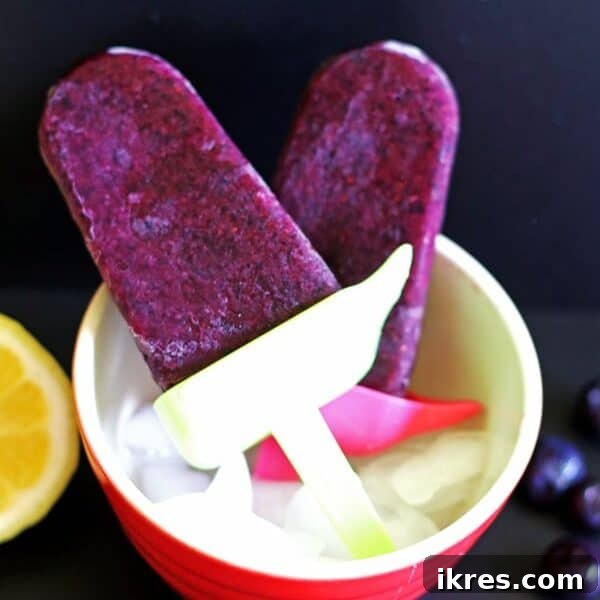
Blueberry Popsicles
A cool, sweet, and healthy treat, these homemade blueberry popsicles are a guilt-free pleasure for all ages, bursting with natural fruit flavor.
Baking and Cooking with Frozen Blueberries
Frozen blueberries are a baker’s best friend. They can be incorporated directly into a wide range of recipes, including fluffy blueberry muffins, light and airy blueberry pancakes, comforting cobblers, classic blueberry pies, sauces, and homemade blueberry jam. The key when baking is generally NOT to defrost the blueberries. Adding them frozen helps them retain their shape better and prevents their vibrant color from bleeding excessively into the batter, ensuring a beautiful appearance in your finished product. For muffins and quick breads, tossing frozen blueberries with a tablespoon of flour before adding them to the batter can help prevent them from sinking to the bottom.
Frozen blueberries are also excellent for making rich sauces to serve over ice cream, cheesecake, or savory dishes like roasted pork or chicken. They burst open and release their juices beautifully when cooked, creating a thick, flavorful reduction.
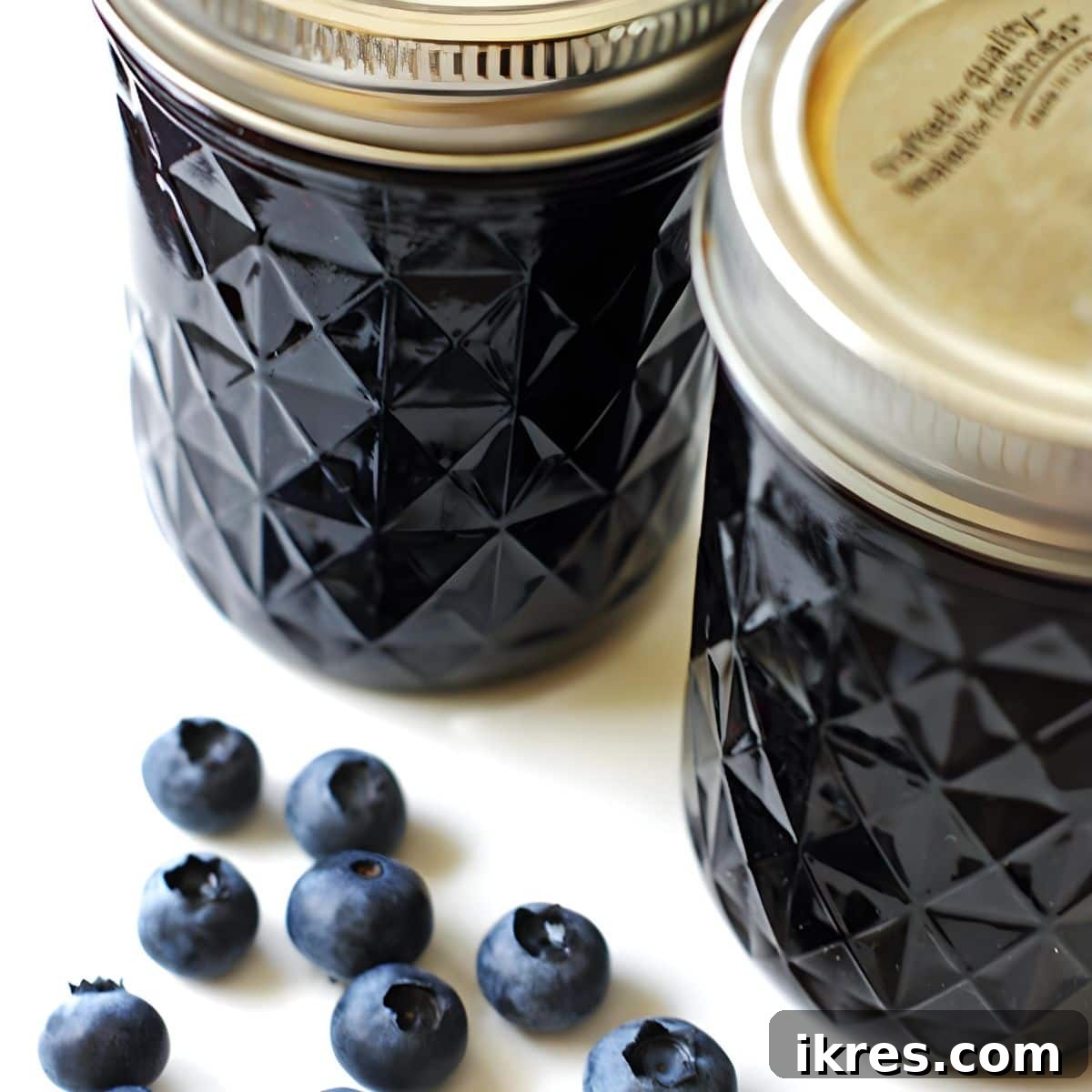
Blueberry Jam
Craft your own sweet and tangy blueberry jam with ease, a delightful spread for toast, scones, or as a topping for desserts. Frozen blueberries work perfectly here.

Blueberry Pancakes
Fluffy stacks of golden pancakes studded with sweet, juicy blueberries, making for an unforgettable breakfast or brunch experience.
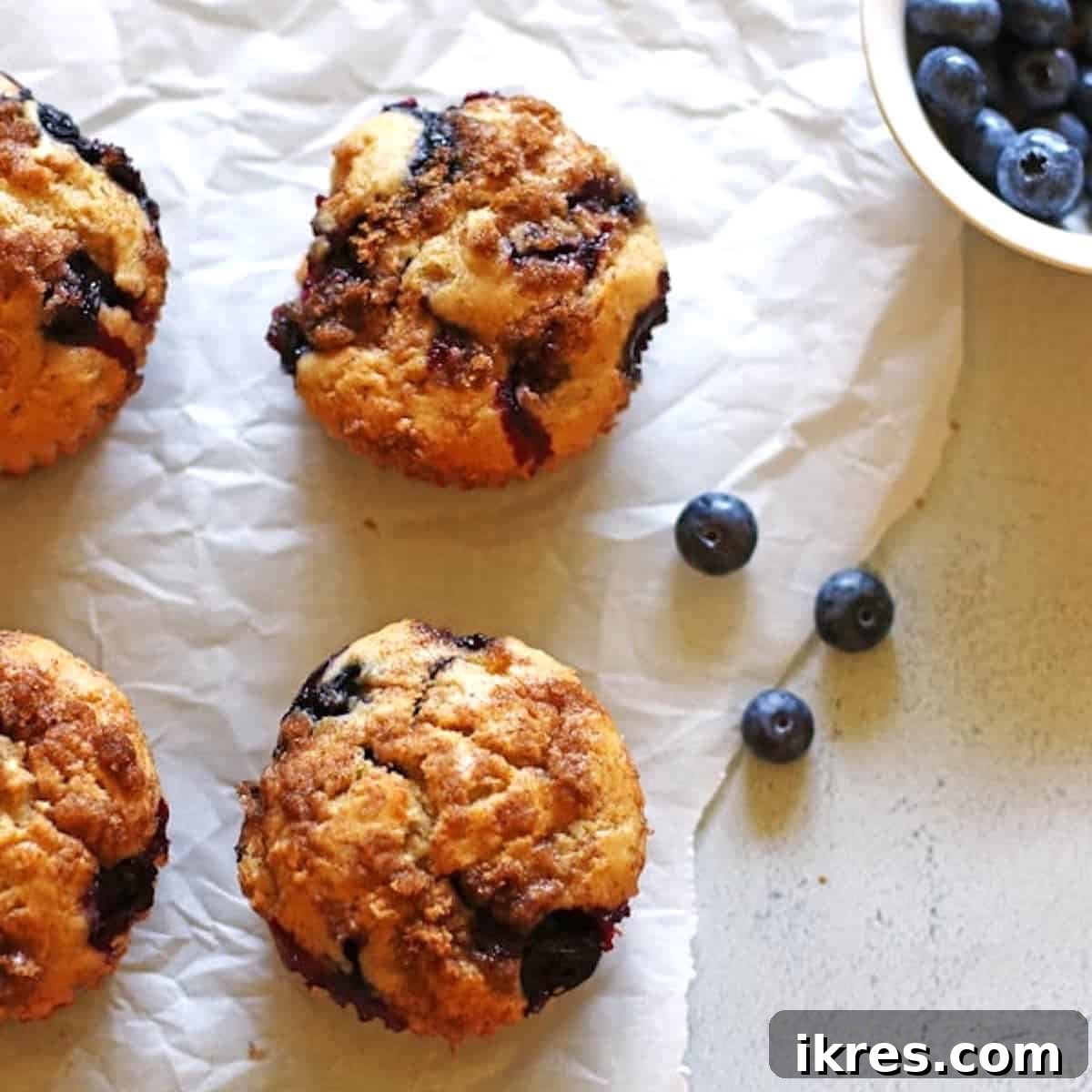
Blueberry Banana Muffins
A perfect combination of ripe bananas and sweet blueberries baked into moist, flavorful muffins, ideal for breakfast or a snack.
Other Delicious Uses for Frozen Blueberries
- Breakfast Toppings: Sprinkle frozen blueberries over oatmeal, cereal, yogurt, or granola for added nutrition and flavor. They’ll thaw slightly as they sit, creating a delicious burst of juice.
- Dessert Enhancements: Use them to make homemade blueberry compote, a vibrant topping for ice cream, cheesecakes, or waffles.
- Salads: Lightly thaw a handful of blueberries and add them to a fresh spinach or mixed green salad with a vinaigrette for a touch of sweet and tangy flavor.
Sugar Pack Blueberries: Freezing Blueberries with Sugar for Specific Uses
While the dry-pack method (freezing without sugar) is suitable for most uses, some applications, particularly jams, preserves, or pies, benefit from sugar-packed blueberries. Sugar helps to preserve the fruit’s color, texture, and flavor, and it prevents some of the mushiness that can occur when berries are frozen plain and then thawed for specific cooked recipes.
I typically prefer to freeze fruit without sugar for maximum versatility. However, if your primary goal for a portion of your berries is to make jam, preserves, or pie filling, then the sugar-pack method is an excellent choice. To sugar-pack, measure out approximately 1 quart of fresh blueberries and gently sprinkle about 3/4 cup of sugar over them. You can use 16-ounce freezer-safe containers, which resemble sturdy Chinese food containers but are designed to withstand freezing without becoming brittle.
Gently toss the berries with the sugar, and if desired, lightly mash a few berries to encourage them to release some juice and help the sugar dissolve. Once the sugar has mostly dissolved into the berry juices, transfer the mixture into a freezer bag or container. Ensure you remove as much air as possible before sealing. Label and date these sugar-packed berries, noting their intended use (e.g., “Blueberries for Jam – August 2024”). This specialized method ensures they are perfectly prepped for making delicious homemade jam, preserves, or a classic blueberry pie later in the year, long after the fresh berry season has ended.
Alternatively, for a simpler preparation that still works well for jam or pie filling, you can pack crushed blueberries without any added sweetener into small freezer-safe containers. This offers the advantage of having pre-mashed fruit ready for cooking, and you can adjust the sugar content later according to your recipe.
Common Questions and Troubleshooting for Freezing Blueberries
Even with careful preparation, you might encounter a few common issues when freezing blueberries. Here are some solutions to typical questions:
Why are my blueberries sticking together?
This is usually due to insufficient flash freezing. If berries aren’t completely frozen solid in a single layer before being transferred to a bag, they’ll stick together. Ensure they are bone dry and frozen for the recommended 1-2 hours (or longer if your freezer is packed) on the baking sheet until truly individual.
What is freezer burn, and how can I prevent it?
Freezer burn occurs when food is exposed to air, causing dehydration and oxidation. It appears as dry, discolored patches on the surface of your frozen blueberries. While harmless, it degrades flavor and texture. To prevent it, ensure you remove as much air as possible from your freezer bags or containers. Vacuum sealing is the most effective method. Also, maintain a consistent freezer temperature (0°F / -18°C or below).
Can I refreeze thawed blueberries?
Generally, it’s not recommended to refreeze blueberries once they have fully thawed. Refreezing causes ice crystals to form again, further breaking down the cell structure of the fruit, resulting in a mushy texture upon the second thaw. If you only partially thaw them and decide against using them, they might be refreezable, but expect a noticeable drop in quality. It’s best to freeze them in portion sizes that you’re likely to use at once.
Do I need to wash organic blueberries before freezing?
Yes, even organic blueberries should be washed. While they may not have pesticide residues, they can still have dirt, dust, or tiny insects from the field. A gentle rinse and thorough drying are always good practice before freezing any produce.
Freezing blueberries is a simple, effective, and incredibly rewarding way to preserve their freshness and enjoy them in your favorite recipes year-round. It’s an easy process that pays dividends in convenience and flavor.
Pin this now to find it later
Pin It
Whether you’re blending them into a refreshing smoothie, baking them into a comforting dessert, or stirring them into your morning oatmeal, frozen blueberries add a burst of flavor, nutrition, and vibrant color to any dish. Remember, you can use them directly from frozen for most applications, so there’s usually no need to thaw. So, embrace the seasonal bounty, stock up on fresh blueberries, and freeze them with confidence. You’ll be able to enjoy the sweet and tangy taste of blueberries whenever the craving strikes, all year long!
Did you find this guide helpful? If so, please leave a comment and rating below. I love hearing from you.
How to Freeze Blueberries for Smoothies and Baking
Kari A
24
5 minutes
2 hours
2 hours
5 minutes
Ingredients
-
4-6
quarts
fresh blueberries
Instructions
-
Choose ripe blueberries and rinse them gently in a colander with cold water, then spread them out on a towel. Pat dry with paper towels and make sure to let them dry completely before freezing.4-6 quarts fresh blueberries
-
While the berries dry, line a baking sheet that will fit in your freezer with parchment paper.
-
Spread the dry blueberries in a single layer on the prepared baking sheet.
-
Freeze for 1-2 hours, then transfer to a freezer bag and freeze overnight. Label and date the bag and gently squeeze out excess air.
-
When you’re ready to bake with the blueberries or make a smoothie, use them directly from the freezer – there’s no need to thaw.
-
Store frozen blueberries for 10-12 months.
Notes
Sugar Pack Blueberries: Freezing Blueberries with Sugar
I normally freeze fruit without sugar, but if you intend to make jam with some of your berries, you can sugar pack some of the fruit by measuring out about 1 quart of blueberries and sprinkling 3/4 of a cup of sugar over them. (I use these 16-ounce freezer-safe containers – they look like Chinese food containers but the plastic doesn’t get brittle when frozen.)
Toss the berries and gently mash them until they start to release some juice and the sugar is dissolved, then freeze the mixture in a bag or container. Label and use these berries for making jam, preserves, or pie later in the year when you can’t get fresh berries.
You can also pack crushed blueberries without sweetener in small containers to use for making jam or pie filling.
Special Equipment Needed
-
parchment paper
-
baking sheet
Nutrition
Serving:
1
cup
Calories:
90
kcal
Carbohydrates:
23
g
Protein:
1
g
Fat:
1
g
Saturated Fat:
0.04
g
Sodium:
2
mg
Potassium:
121
mg
Fiber:
4
g
Sugar:
16
g
Calcium:
9
mg
Iron:
0.4
mg
Nutrition information is approximate and is automatically calculated, so should only be used as a guide.
Breakfast, Dessert, Snack
American
how to freeze blueberries, how to freeze blueberries for baking, how to freeze blueberries for smoothies
Like this? Leave a comment below!