
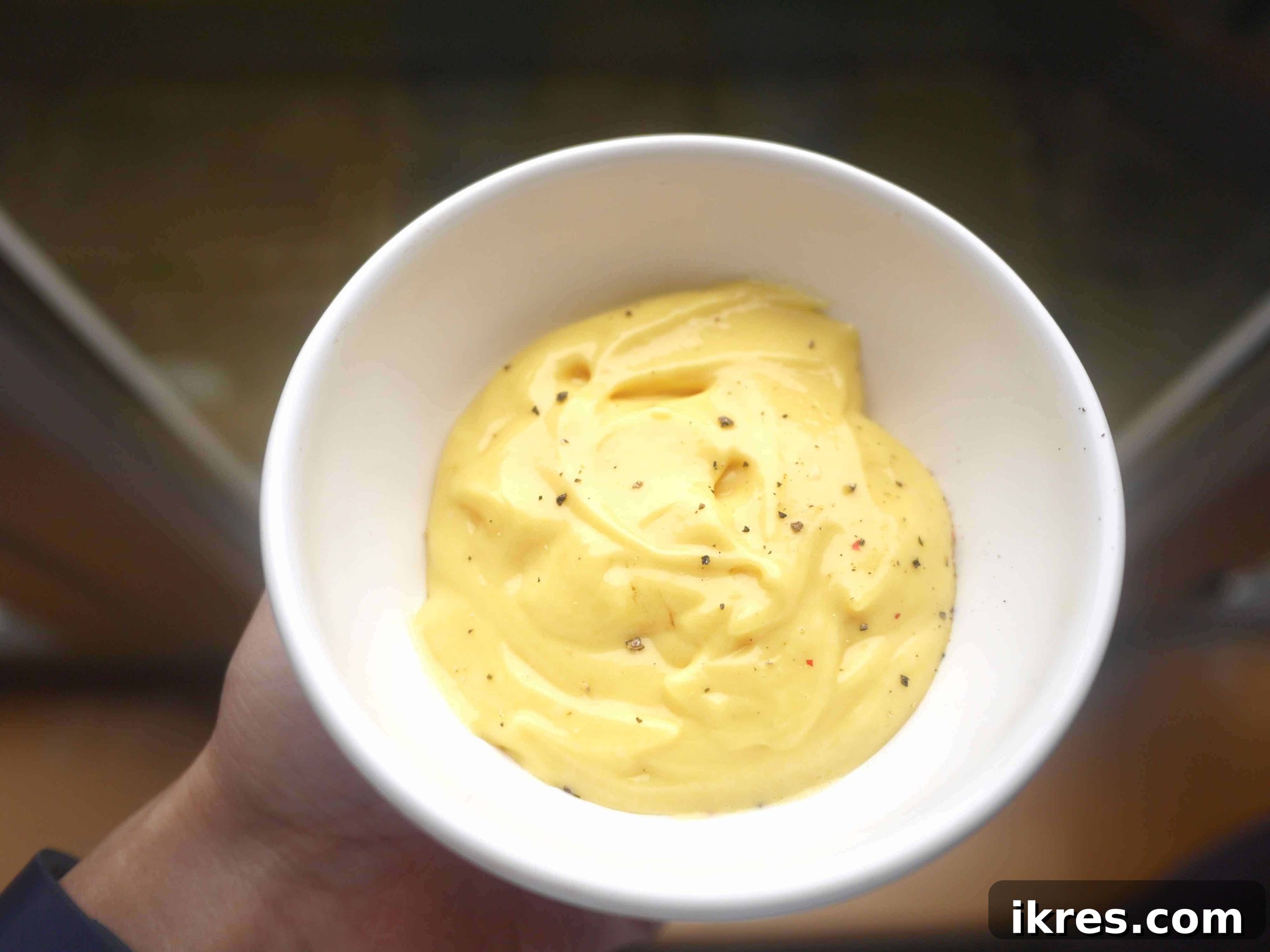
Homemade Paleo Mayonnaise: Your Go-To Guide for a Delicious & Healthy Condiment
As an ardent lover of mayonnaise, it might seem surprising that a definitive Paleo mayonnaise recipe hadn’t graced this blog sooner. Especially given my passion for discovering and creating versatile condiments, like that amazing paleo sweet and spicy sauce, perfect for dipping crispy sweet potato fries. Yet, for too long, a truly perfect Paleo mayo remained an elusive goal, despite its fundamental role in a clean-eating kitchen.
The truth is, there wasn’t a good reason for my delay in perfecting this staple. However, once my sister not only shared her incredibly delicious homemade mayonnaise recipe with me but also demonstrated the remarkably simple process, all my excuses vanished. The revelation was profound: homemade mayo is simply too good and astonishingly easy to justify living without it any longer.
Why Homemade Paleo Mayonnaise is a Game Changer
For those following a Paleo or Whole30 lifestyle, finding compliant and genuinely delicious condiments can be a challenge. Many store-bought mayonnaise brands, even those marketed as “healthy,” often contain undesirable ingredients such as industrial seed oils (like canola or soybean oil), added sugars, or artificial preservatives. Making your own Paleo mayonnaise at home means you have complete control over every ingredient, ensuring a clean, healthy, and incredibly flavorful product.
Beyond the health benefits, the taste difference between homemade and store-bought mayonnaise is truly remarkable. Homemade mayo boasts a fresh, vibrant flavor and a silky-smooth texture that elevates any dish. It’s richer, creamier, and far more satisfying, transforming ordinary meals into extraordinary culinary experiences.
The Inspiration: A Sister’s Secret Recipe from France
My sister, Caroline, holds the key to a truly divine homemade mayonnaise recipe. This isn’t just any recipe; it’s the perfect accompaniment to her equally delightful homemade French fries. Just thinking about that combination makes my mouth water!
The pairing is nothing short of incredible and, fittingly, very French, which makes perfect sense as Caroline and her family reside in France. During my last visit to their home, I witnessed their culinary teamwork in action: her husband expertly handled the fries, while Caroline meticulously prepared the mayonnaise. It was a beautiful display of shared passion for good food.
I am incredibly grateful that she generously shared her recipe with me recently, and even more thrilled that she was happy for me to feature it here on the blog. Truly, you can’t beat the light yet creamy, fresh taste of homemade mayo. I find myself regretting not making her recipe sooner!
Crafting the Perfect Paleo Mayo: Adapting Caroline’s Recipe
The beauty of Caroline’s recipe lies in its simplicity and adaptability. The primary adjustment needed to transform her traditional recipe into a Paleo-compliant version was straightforward: replacing canola oil with a suitable Paleo-friendly alternative. For this recipe, I opted for extra light olive oil. It’s crucial to select an olive oil that is light in color and flavor profile to ensure it doesn’t overpower the delicate taste of the mayonnaise. Regular extra virgin olive oil, while healthy, often has too strong a flavor for a classic mayo.
The result was phenomenal: Caroline’s Homemade Paleo Mayo. It maintains the same luxurious texture and exquisite flavor of her original, but with the added peace of mind that comes from using whole, healthy ingredients. This simple switch makes all the difference, opening up a world of culinary possibilities for those adhering to a Paleo or gluten-free diet.
While light olive oil is my preferred choice for its mild flavor and health benefits, you could also experiment with avocado oil. Avocado oil is another fantastic Paleo-friendly option that is virtually tasteless and has a very high smoke point, making it excellent for various cooking applications, including mayonnaise. Whichever oil you choose, ensure it’s of good quality and organic if possible.
For the mustard, I used hot English mustard, which adds a lovely kick, but classic Dijon mustard works just as beautifully. Mustard acts as an emulsifier, helping the oil and egg yolk blend into that stable, creamy consistency we all love. Additionally, a touch of fresh lemon juice is essential. It not only brightens the flavor profile but also helps to balance any residual olive oil taste, resulting in a perfectly zesty and refreshing mayonnaise. Delish, indeed!
The Versatility of Homemade Paleo Mayo
This revolutionary homemade Paleo mayonnaise is set to transform so many of my favorite dishes. The future of my tuna salads, egg salads, burger toppings, and especially those glorious French fry dipping sessions has vastly improved. It’s also fantastic with healthy coleslaw and countless other meals. I literally can’t wait to incorporate this homemade mayo into everything! I think I’ll start with a big batch of coleslaw tonight. The possibilities are truly endless.
5 out of 5 stars from 1 vote
Caro’s Homemade Mayo (Paleo, GF)
By: Dominique
Servings: 4
Prep Time: 5 mins
Total Time: 5 mins
Pin Recipe |
Email Share |
Print Recipe
A tasty homemade mayo that’s suitable for paleo and gluten-free diets.
Ingredients
- 1 egg yolk (preferably at room temperature)
- 1 tsp mustard (hot English mustard or Dijon mustard)
- A pinch of salt
- 5 Tbs extra light olive oil (ensure it’s light in flavor to avoid overpowering the mayo)
- 1 tsp lemon juice (freshly squeezed for best results)
Instructions
- In a medium-sized bowl, combine the egg yolk, mustard, and salt. Using a hand-held mixer, whisk for approximately 45 seconds until the mixture is well combined and slightly thickened. This initial mixing helps to properly integrate the foundational ingredients.
- Next, turn the mixer back on to a medium speed. Begin to slowly and steadily pour 1 tablespoon of olive oil into the bowl while continuously mixing. This slow, gradual addition is crucial for creating a stable emulsion. Continue mixing for about 15-20 seconds for this first tablespoon, allowing the oil to fully incorporate.
- Repeat step 2 for each subsequent tablespoon of olive oil, adding them one at a time and ensuring each addition is fully emulsified before adding the next. This patience is key to preventing the mayo from breaking.
- Once all the olive oil has been incorporated and the mixture is thick and creamy, add the lemon juice. Mix for a few more seconds to evenly distribute the lemon flavor and achieve the final desired consistency. Your homemade Paleo mayonnaise is now ready!
- This recipe typically yields between 1/4 to 1/2 cup of mayonnaise, providing a perfect small batch for fresh use.
Nutrition Information (per serving)
- Calories: 170 kcal
- Carbohydrates: 0.3 g
- Protein: 1 g
- Fat: 19 g
- Saturated Fat: 3 g
- Polyunsaturated Fat: 2 g
- Monounsaturated Fat: 13 g
- Cholesterol: 49 mg
- Sodium: 26 mg
- Potassium: 8 mg
- Fiber: 0.1 g
- Sugar: 0.1 g
- Vitamin A: 66 IU
- Vitamin C: 0.5 mg
- Calcium: 7 mg
- Iron: 0.2 mg
Nutrition information is automatically calculated and should only be used as an approximation.
Additional Info
- Course: Sauce
- Cuisine: Paleo
Tips for Success & Troubleshooting Your Homemade Mayo
Making homemade mayonnaise is a simple process, but a few key tips can ensure perfect results every time. Firstly, ensure all your ingredients, especially the egg yolk, are at room temperature. Cold ingredients are more resistant to emulsifying, increasing the risk of your mayonnaise “breaking.”
The speed and consistency of pouring the oil are paramount. A slow, steady stream, almost a trickle, is crucial during the initial stages. If you add the oil too quickly, the emulsion won’t form properly, resulting in a thin, oily mess rather than a thick, creamy sauce. Use an immersion blender for the easiest and most foolproof method, as it creates a powerful vortex that perfectly emulsifies the mixture. A hand mixer or whisk can also work, but requires more patience and a very steady hand.
What if My Mayonnaise Breaks?
Don’t despair if your mayonnaise separates! It’s a common issue and often easily fixable. To rescue a broken emulsion, get a clean bowl and add another fresh egg yolk. Begin whisking the fresh yolk, and then very, very slowly drizzle your broken mayonnaise mixture into it, as if it were oil. The fresh egg yolk will help re-emulsify the mixture. Alternatively, you can try adding a teaspoon of hot water or vinegar to a fresh egg yolk, whisking, and then slowly incorporating the broken mayo.
Storing Your Homemade Paleo Mayonnaise
Once prepared, transfer your homemade Paleo mayonnaise to an airtight container, such as a glass jar, and store it in the refrigerator. Due to the fresh egg yolk, homemade mayonnaise has a shorter shelf life than its store-bought counterparts, which are packed with preservatives. It typically lasts for about 5-7 days when properly refrigerated. Always check for any off smells or discoloration before use.
Frequently Asked Questions About Paleo Mayonnaise
Can I use a different type of oil?
Yes, absolutely! While extra light olive oil is recommended for its mild flavor, avocado oil is another excellent Paleo-compliant choice. It’s neutral in taste and provides a great texture. Avoid strong-flavored oils like extra virgin olive oil unless you specifically want that robust flavor in your mayonnaise.
Can I make this recipe without eggs?
This particular recipe relies on egg yolk for emulsification. For an egg-free or vegan Paleo mayonnaise, you would need to use different ingredients and methods, often involving aquafaba (chickpea brine) or an alternative emulsifier. This specific recipe is not egg-free.
How can I adjust the consistency?
If your mayonnaise is too thick, you can whisk in a tiny amount of water (1/2 teaspoon at a time) until it reaches your desired consistency. If it’s too thin, it likely means the emulsion broke or not enough oil was added slowly. Refer to the troubleshooting tips above to fix a broken mayo.
Embrace the Deliciousness of Homemade Paleo Mayonnaise!
There’s truly nothing like the taste and satisfaction of homemade Paleo mayonnaise. It’s a simple recipe that yields incredibly delicious and healthy results, free from unhealthy oils and preservatives. This recipe, inspired by my sister Caroline’s culinary wisdom, is now a permanent fixture in my kitchen, enhancing everything from humble sweet potato fries to elaborate salads and sandwiches.
Don’t wait as long as I did to try this recipe. Embrace the ease and flavor of fresh, homemade mayo. It’s a small change that makes a huge difference in your Paleo cooking journey. Give it a try, and prepare to be amazed by the rich, creamy goodness!
If you try this recipe, please share your experience! Mention @perchancetocook or tag #perchancetocook on social media. I love seeing your creations!