
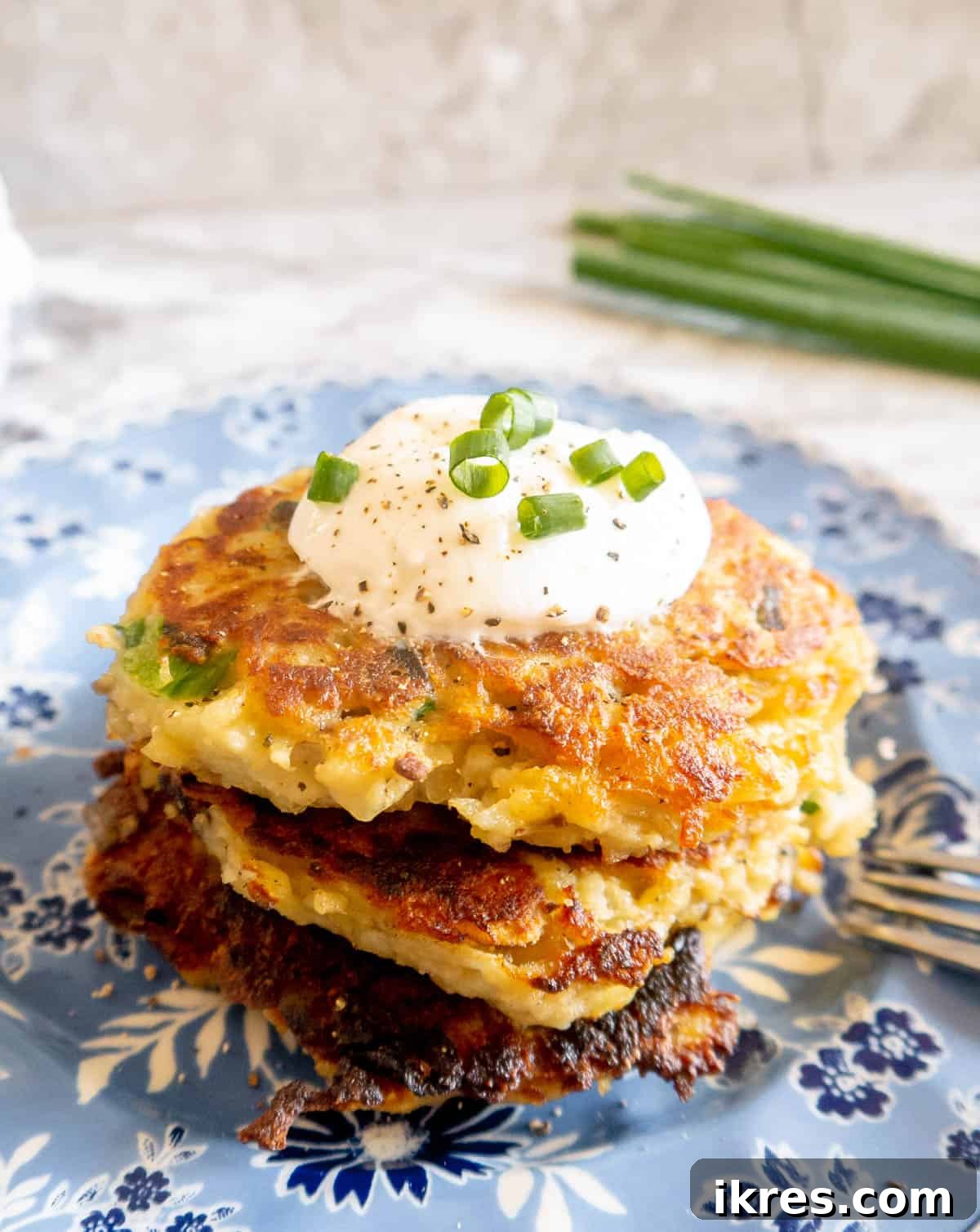
These gluten-free potato pancakes are the epitome of comfort food: incredibly crispy on the outside, wonderfully soft and fluffy on the inside, and packed with savory flavor. Crafted with a unique combination of raw shredded potatoes and creamy mashed potatoes, bound together with almond flour and tapioca flour, and seasoned with fresh scallions and rich butter, they are truly irresistible. For those following a Whole30 lifestyle, simply swap butter for ghee, and you’ll have delicious Whole30 potato pancakes ready to enjoy.
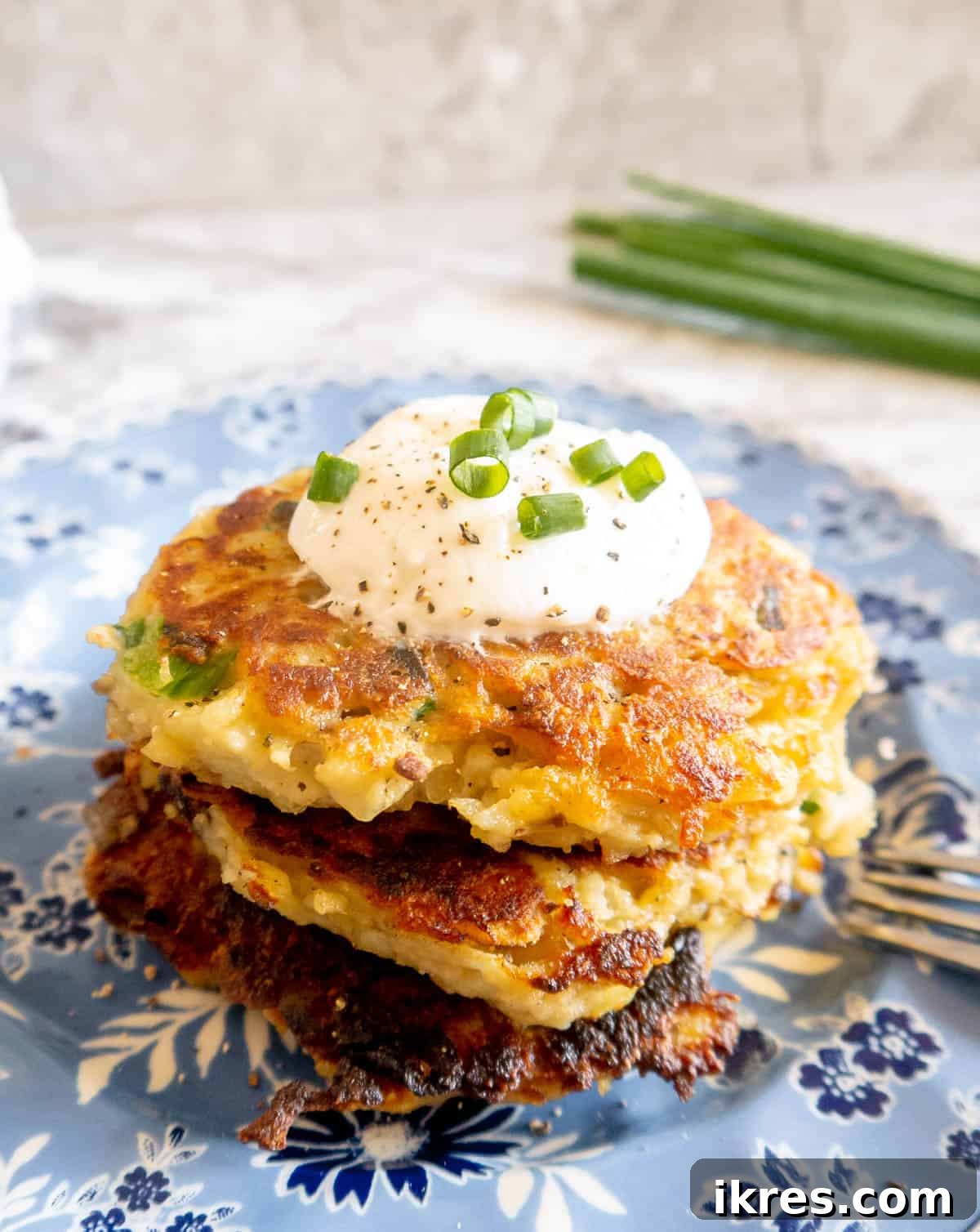
Crispy Gluten-Free Potato Pancakes (Whole30 Option)
There’s something uniquely satisfying about a perfectly made potato pancake, and these are no exception. My recipe takes inspiration from the beloved Irish Boxty, a traditional potato pancake I fell in love with during my time living in Ireland. Boxty pancakes are renowned for their rustic charm and delightful texture, and I’ve worked to capture that essence while making them naturally gluten-free and accommodating various dietary needs. By using a blend of almond flour and tapioca flour instead of conventional all-purpose flour, this recipe ensures everyone can enjoy a taste of authentic Irish-inspired comfort.
Whether you’re celebrating St. Patrick’s Day or simply craving a hearty and wholesome dish, these potato pancakes are incredibly versatile. They pair wonderfully with a variety of meals, from a classic breakfast spread featuring eggs and sausage to a sophisticated dinner alongside smoked salmon. And for an extra layer of creamy goodness, a dollop of Greek yogurt or a swirl of apple jelly on top elevates the experience to pure perfection. I often prepare these alongside my dairy-free Irish cream liqueur and savory lamb shepherd’s pie for a complete Irish-themed feast.
Table of Contents
- Why You’ll Love This Recipe
- The Secret to Perfect Potato Pancakes: Raw & Mashed Potatoes
- Essential Ingredients
- Additions & Substitutions for Dietary Needs
- Step-by-Step Instructions for Crispy Perfection
- Pro Tips for Best Results
- Serving Suggestions
- Recipe FAQs
- More Healthy Potato Recipes You’ll Love
- Full Recipe Card: Gluten-Free Potato Pancakes
Why You’ll Love This Recipe: Healthy & Delicious Potato Pancakes
These gluten-free potato pancakes are more than just a side dish; they’re a culinary experience designed to bring joy and satisfying flavors to your table. Here’s why this recipe is destined to become a household favorite:
- Simple, Wholesome Ingredients: You only need a handful of readily available, simple ingredients to create these incredibly flavorful and healthy potato pancakes. No exotic items required!
- Irresistible Flavor & Texture: Experience the best of both worlds with a pancake that’s wonderfully soft and fluffy on the inside, encased in a perfectly golden and crispy exterior. The savory notes from scallions and garlic powder elevate the natural goodness of the potatoes.
- Dietary Inclusivity: This recipe is naturally Gluten-Free and Grain-Free, making it suitable for many dietary restrictions. It’s also Paleo-friendly. For those on a Whole30 program, simply use ghee instead of butter. Need a Dairy-Free option? Vegan butter works perfectly!
- Incredibly Versatile: Enjoy these potato pancakes at any time of day. They make an excellent breakfast or brunch item, a satisfying lunch, a hearty dinner side, or even a delicious snack.
- Inspired by Tradition: Drawing inspiration from traditional Irish Boxty, this recipe offers an authentic taste experience with a modern, health-conscious twist.
The Secret to Perfect Potato Pancakes: Raw & Mashed Potatoes
The magic behind the incredible texture of these potato pancakes lies in combining two forms of potatoes: raw shredded and cooked mashed. This unique approach creates a pancake that is both wonderfully dense and fluffy from the mashed potatoes, while the raw shreds caramelize beautifully, yielding that sought-after crispy edge. This technique is often found in classic Irish Boxty recipes, and it’s the key to achieving a truly authentic and satisfying potato pancake.
Essential Ingredients for Your Gluten-Free Potato Pancakes
Gathering these quality ingredients will set you up for success in creating the most delicious potato pancakes:
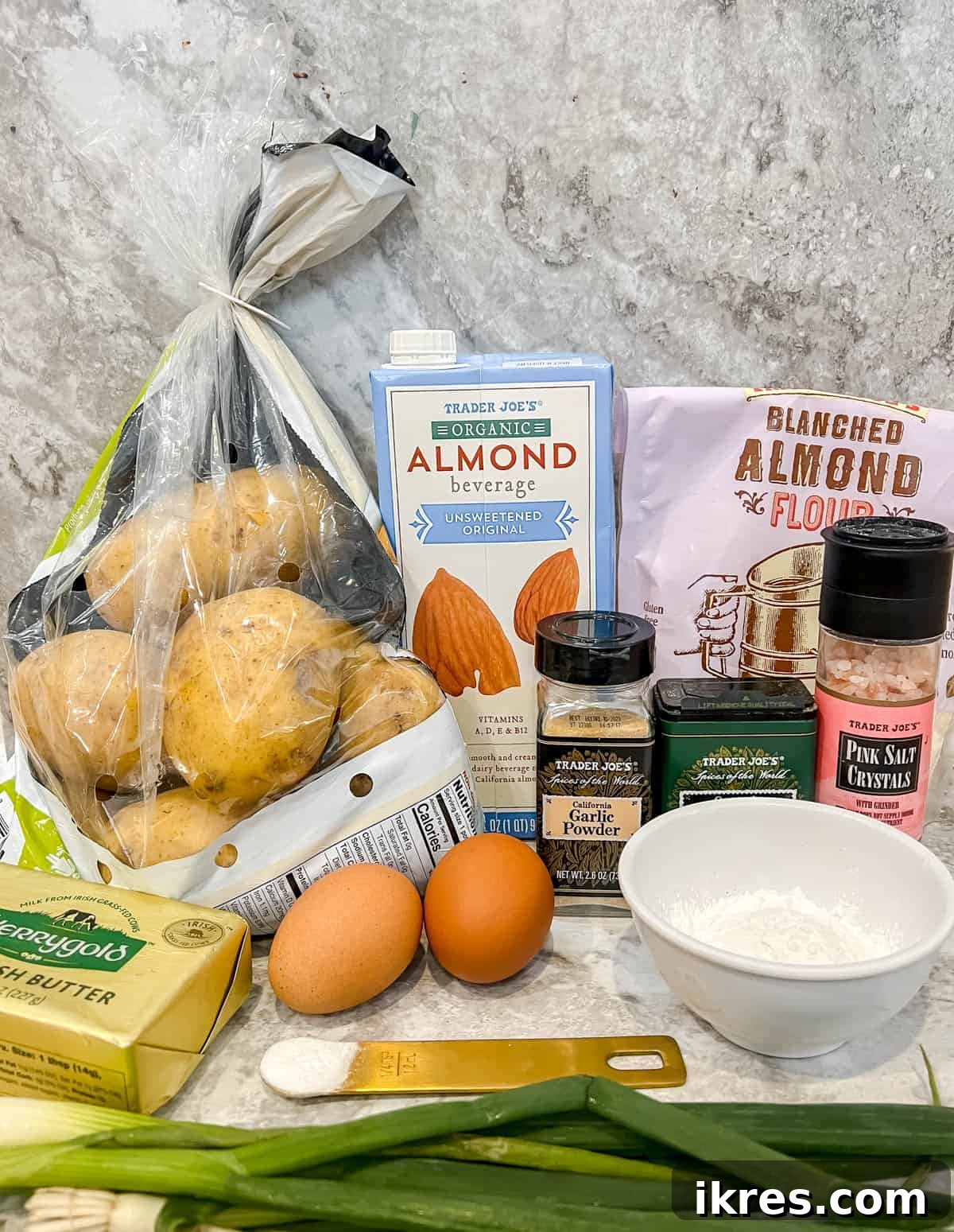
- Potatoes: I recommend using gold potatoes or russet potatoes. Gold potatoes offer a slightly creamier texture, while russets are starchier and fry up extra crispy. Both work wonderfully in this recipe, so choose based on your preference for texture.
- Grass-Fed Butter: For a rich, authentic flavor. Kerrygold is a great option. For Whole30, use ghee. For dairy-free, opt for a good quality vegan butter.
- Almond Milk: Unsweetened almond milk adds moisture without dairy. Any milk of your choice can be used, but almond milk keeps the recipe dairy-free and paleo-friendly.
- Eggs: Essential binders that help hold the pancakes together, ensuring they don’t fall apart during cooking.
- Green Onions/Scallions: Also known as pencil onions, both the white and green parts contribute a delicate oniony flavor.
- Garlic Powder: A foundational seasoning that adds depth and savory notes to the potato mixture.
- Almond Flour: This serves as the primary gluten-free flour replacement, contributing a fine texture and subtle nutty flavor.
- Tapioca Flour: Also known as tapioca starch, this helps to thicken the batter and contributes to the crispy exterior.
- Baking Soda: A small amount helps to lighten the texture of the pancakes, making them less dense.
- Avocado Oil: Ideal for frying due to its high smoke point, ensuring a perfectly golden and crispy finish without burning.
Refer to the full recipe card below for precise measurements.
Additions & Substitutions for Dietary Needs and Flavor Variations
One of the best aspects of this recipe is its adaptability. Feel free to customize it to fit your dietary preferences or to experiment with different flavors:
- For a Dairy-Free Recipe: Simply substitute grass-fed butter with your favorite vegan butter. Brands like Miyoko’s Kitchen or Earth Balance work beautifully.
- For Whole30 Compliance: Use ghee (clarified butter) instead of regular butter. Ghee provides the same rich flavor and fat content while being Whole30 approved.
- Onion Alternatives: If fresh green onions aren’t available or preferred, you can use 1/2 teaspoon of onion powder in the batter for a similar savory note.
- Tapioca Flour Swap: Arrowroot powder (also known as arrowroot starch) is an excellent 1:1 substitute for tapioca flour, offering similar thickening properties and a light texture.
- Milk Options: While almond milk is recommended for its dietary benefits, you can use regular dairy milk if Whole30 or Paleo isn’t a concern. Other non-dairy milks like cashew milk or oat milk can also work, just ensure they are unsweetened.
- Herbs & Spices: Enhance the flavor profile with chopped fresh chives, parsley, or a pinch of dried dill. A dash of cayenne pepper can add a subtle kick.
- Vegetable Boost: Finely grated zucchini or carrots, squeezed dry, can be added to the batter for extra nutrients and texture.
Step-by-Step Instructions for Crispy Perfection
Follow these detailed steps to create your perfect batch of gluten-free potato pancakes. The process involves a clever blend of preparation techniques that guarantee delicious results.
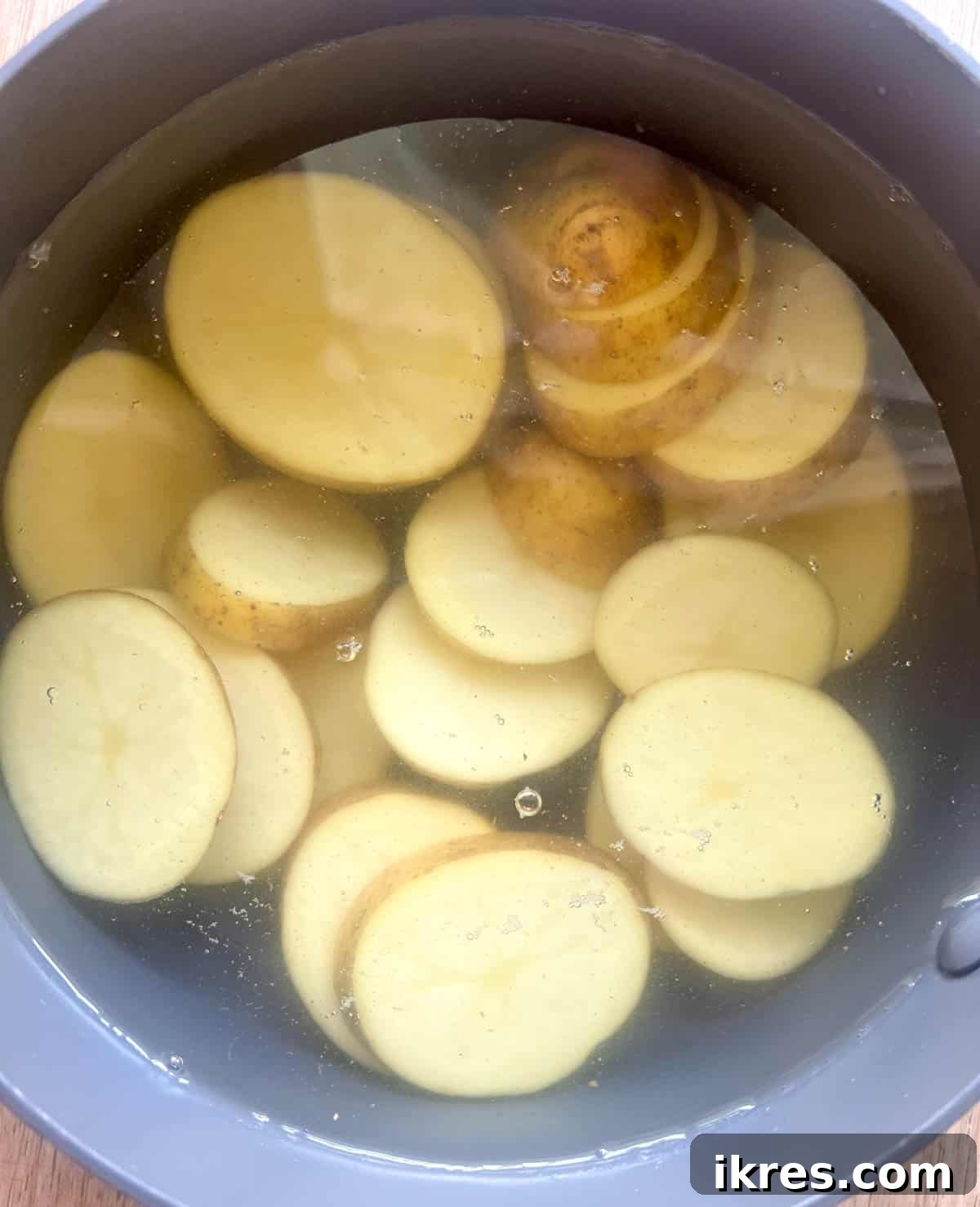
Step 1: Boil Half the Potatoes. Begin by dividing your raw potatoes in half. Take one half and slice them into approximately 3/4-inch thick pieces. Place these sliced potatoes into a large pot and cover them with water. Bring the water to a boil and cook the potatoes until they are fork-tender, which typically takes about 20-25 minutes. Once cooked, drain them thoroughly and set aside.
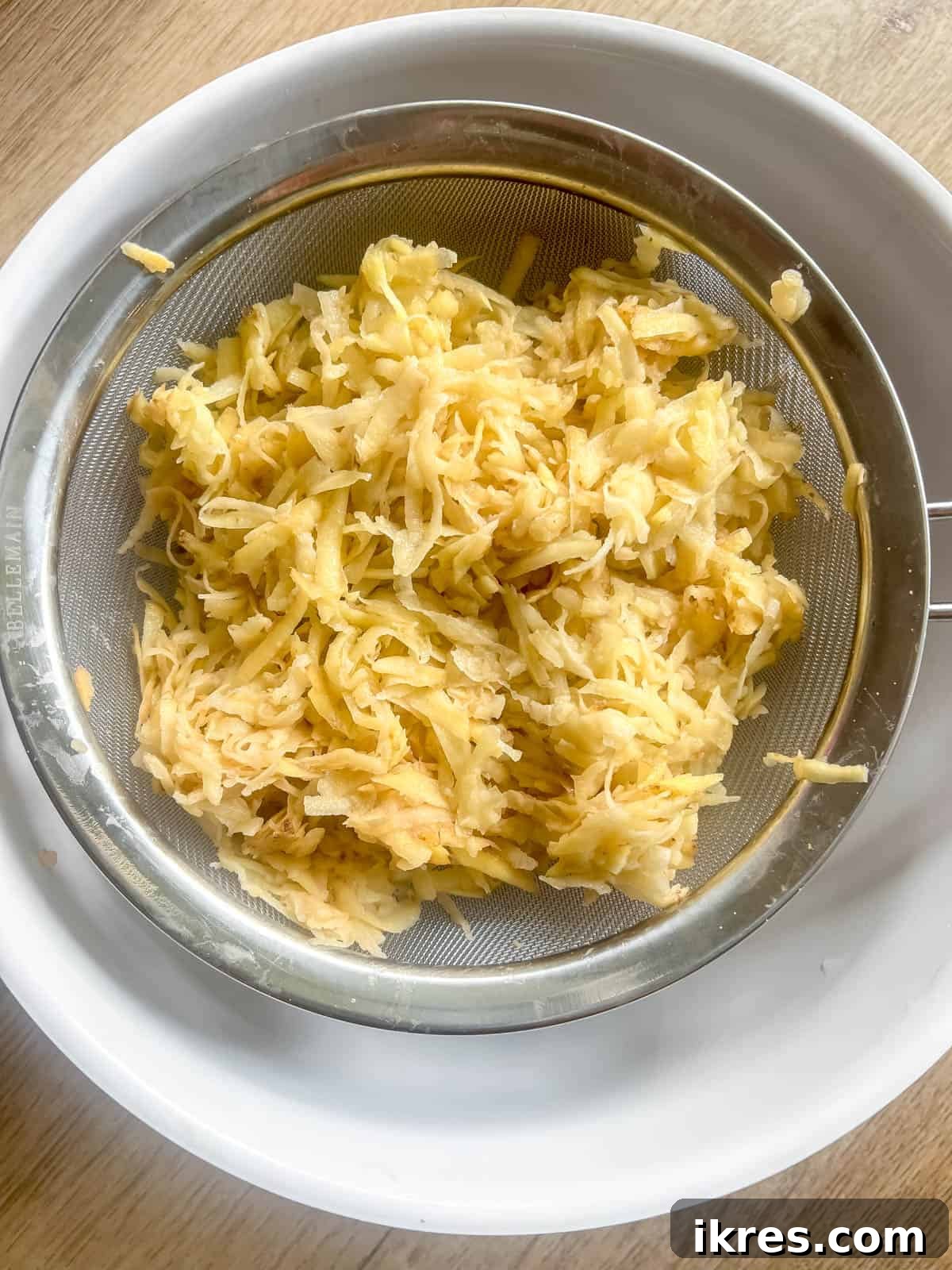
Step 2: Shred and Drain the Remaining Potatoes. With the other half of the raw potatoes, use a grater (the large holes work best) to shred them. Transfer these shredded potatoes into a fine-mesh sieve or colander, placing it over a bowl or directly in your sink. Sprinkle about 1 teaspoon of salt over the shredded potatoes and mix well. Allow them to rest for 15-20 minutes; this crucial step helps to draw out excess moisture. After resting, discard the potato water that has collected, and use a paper towel to pat the shredded potatoes as dry as possible. Set aside.
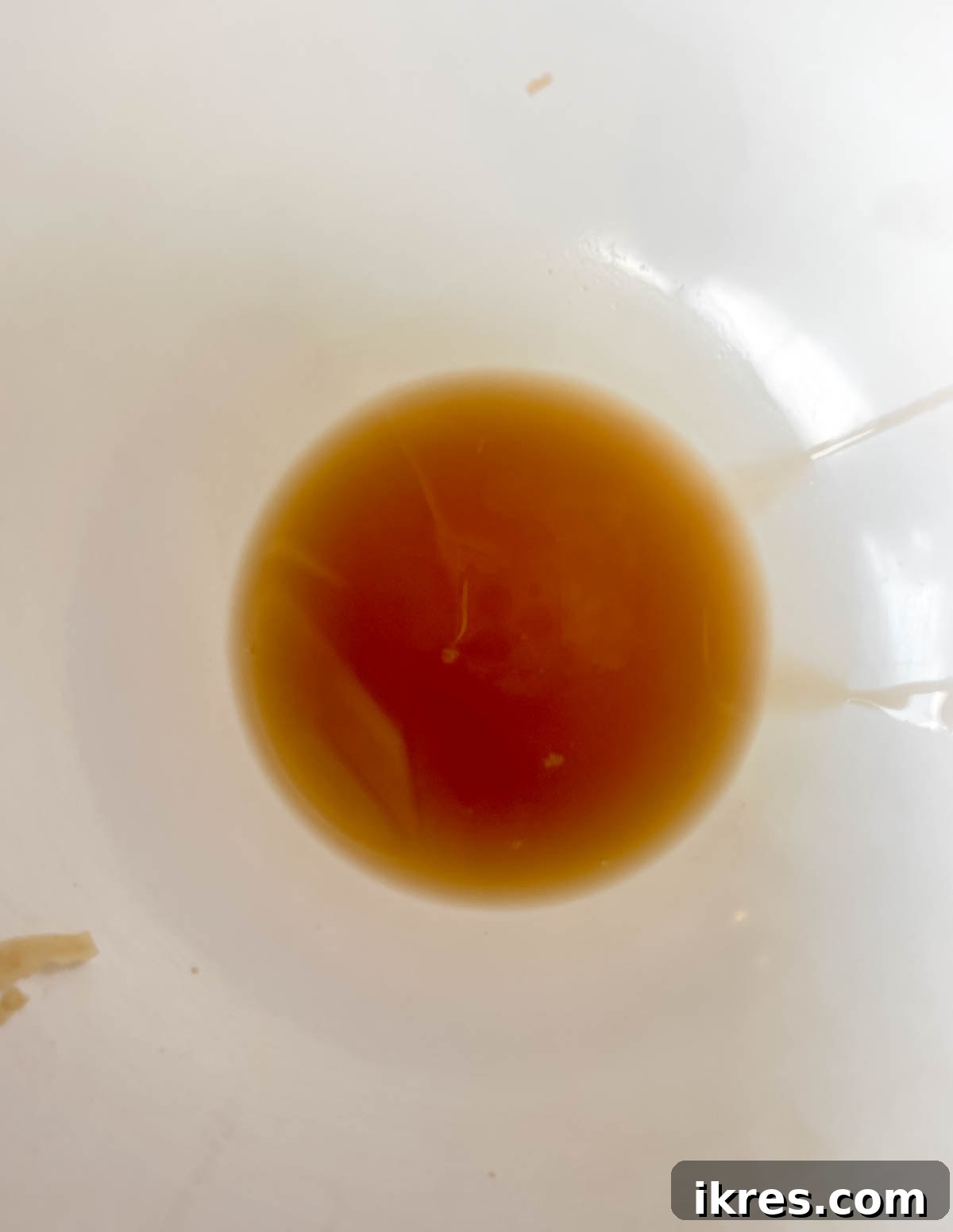
Step 3: Discard Potato Water. Ensure all excess liquid from the shredded potatoes is discarded. This step is critical for achieving crispy pancakes and preventing a soggy outcome.
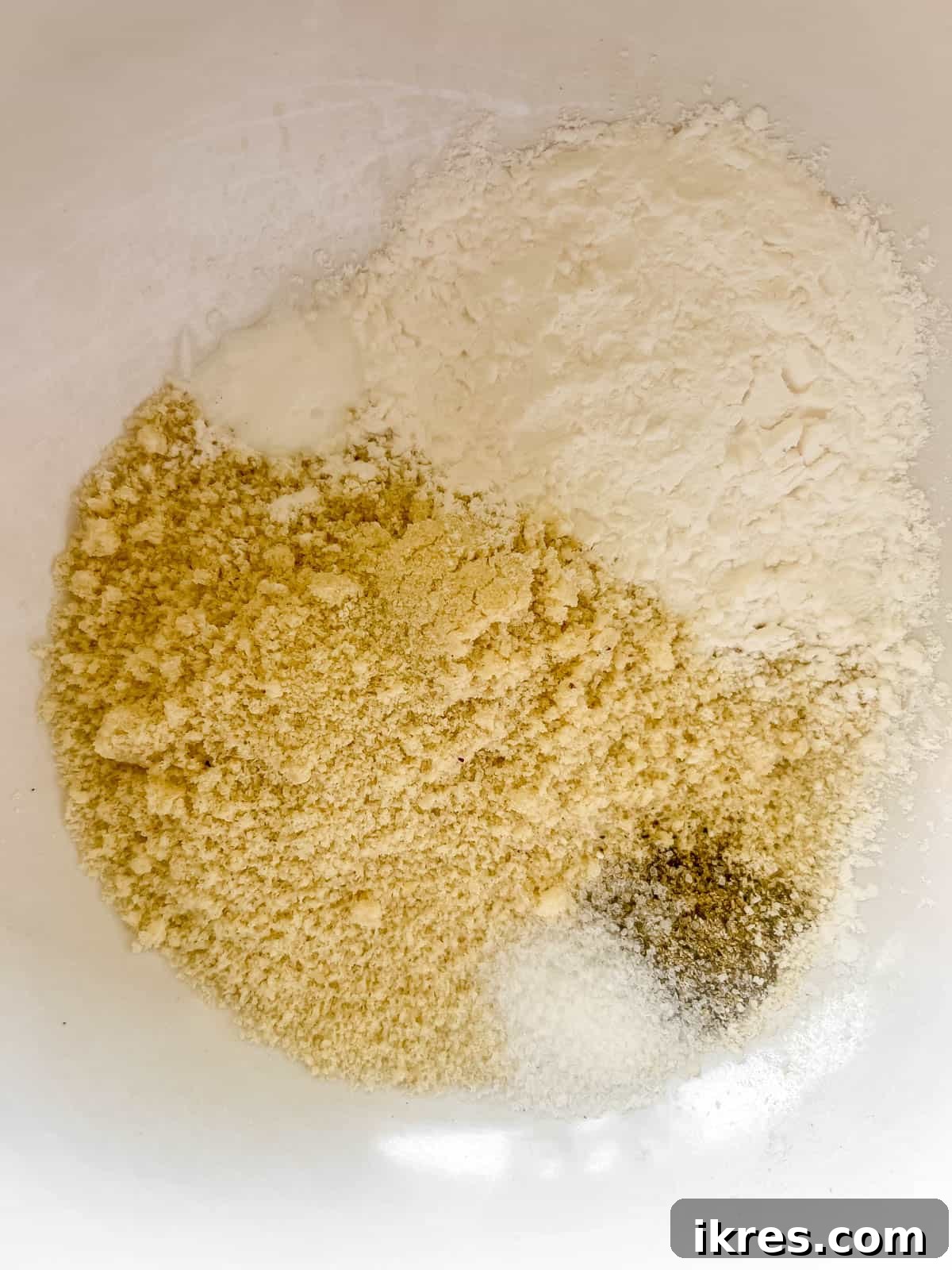
Step 4: Prepare Dry Ingredients. While the potatoes are boiling and draining, take a medium-sized bowl. Add 1/2 teaspoon of salt, 1/2 teaspoon of black pepper, 1/2 cup of almond flour, 2 tablespoons of tapioca flour, and 1/4 teaspoon of baking soda. Mix these dry ingredients thoroughly with a fork until they are well combined. Set this bowl aside for later.
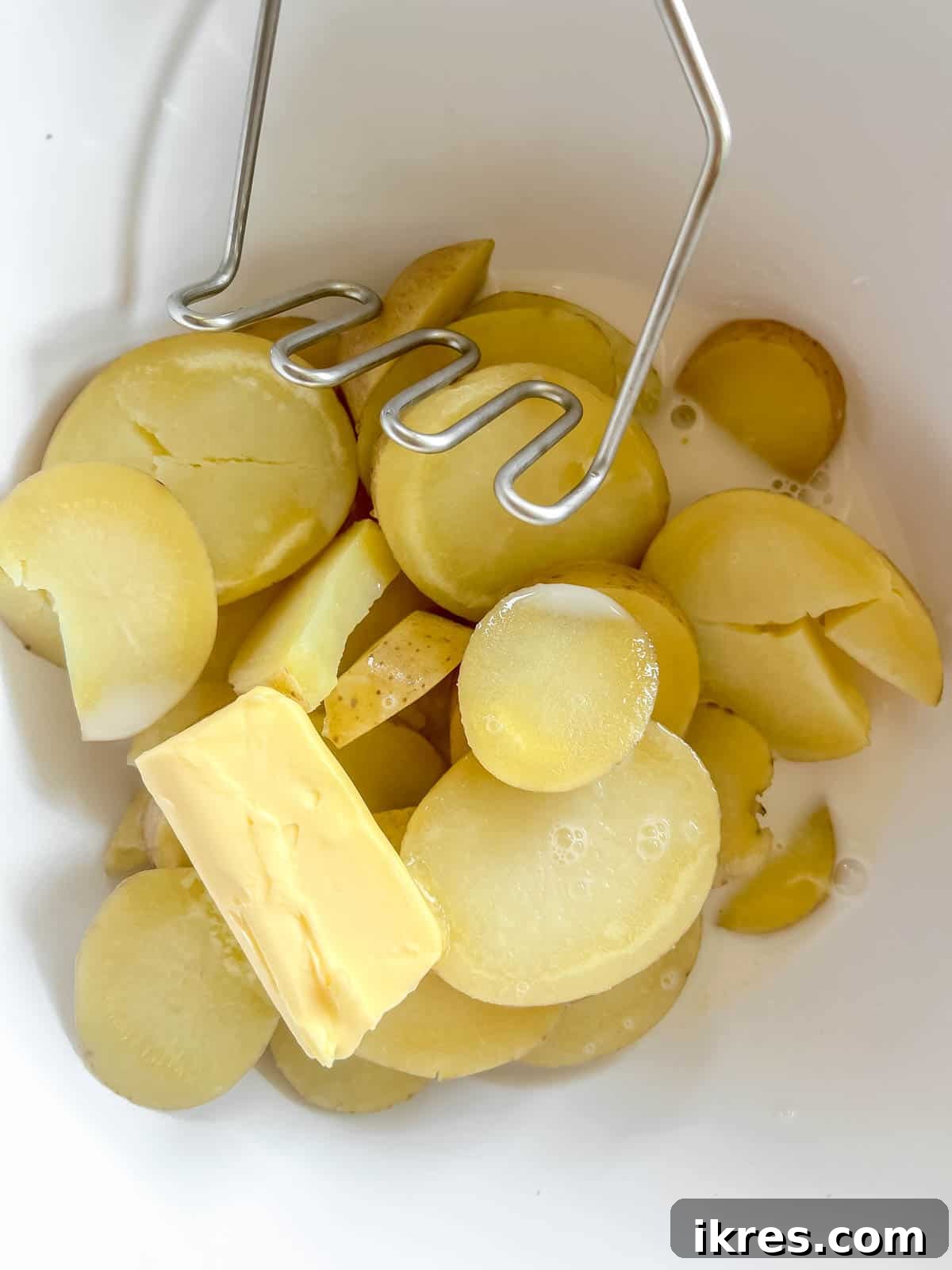
Step 5: Mash Boiled Potatoes with Wet Ingredients. Once the boiled potatoes are drained, transfer them to a large mixing bowl. Add 4 tablespoons of butter (or ghee for Whole30) and the almond milk. Use a potato masher to thoroughly mash the potatoes until smooth and creamy. A few small lumps are perfectly fine for a rustic texture.
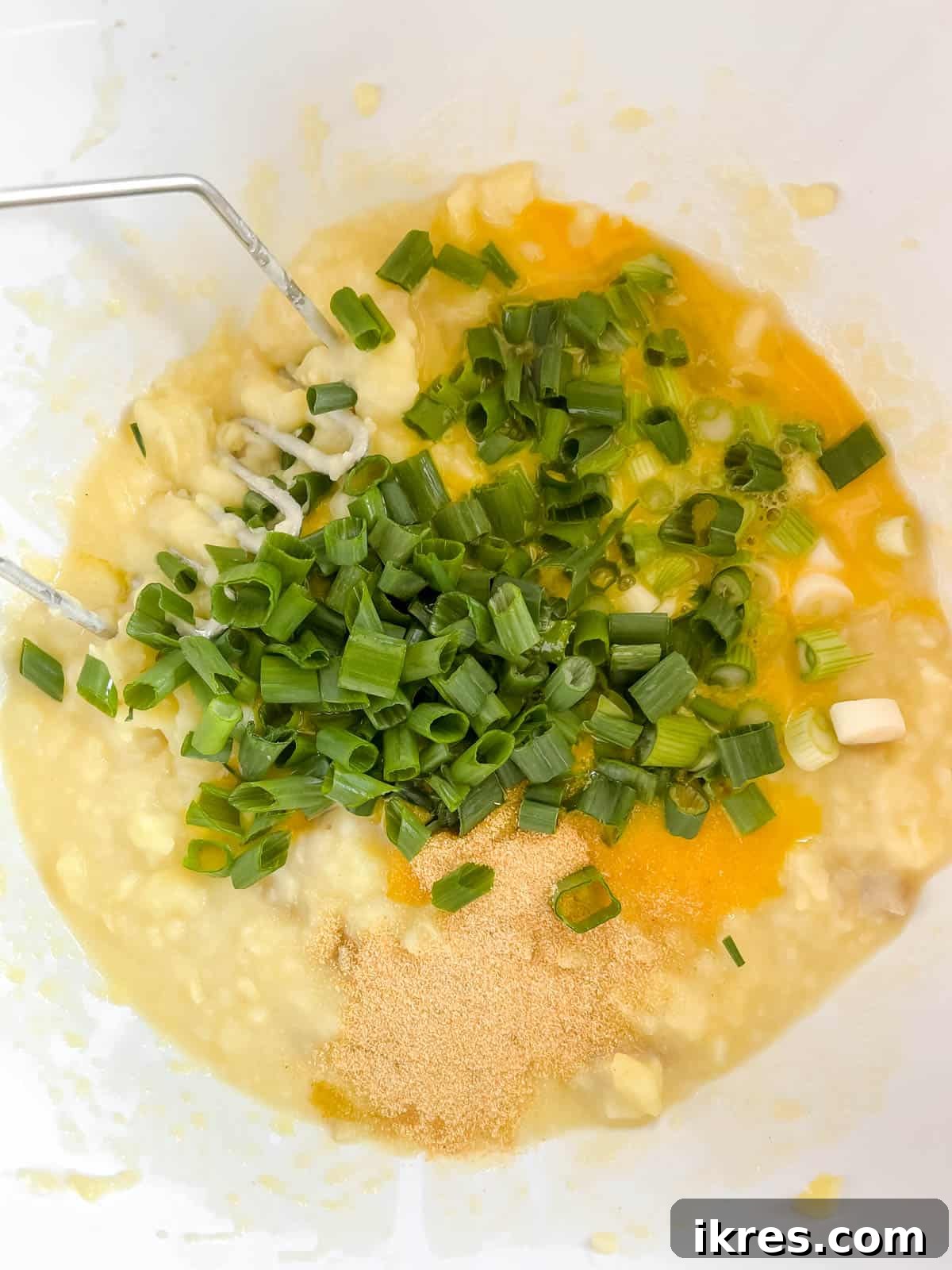
Step 6: Add Seasonings to Mashed Potatoes. To the mashed potatoes, add the garlic powder, lightly beaten eggs, and the sliced green onions (scallions). Mix these ingredients well until they are evenly distributed throughout the mashed potato mixture. The eggs will act as an additional binder, while the garlic and green onions infuse the base with flavor.
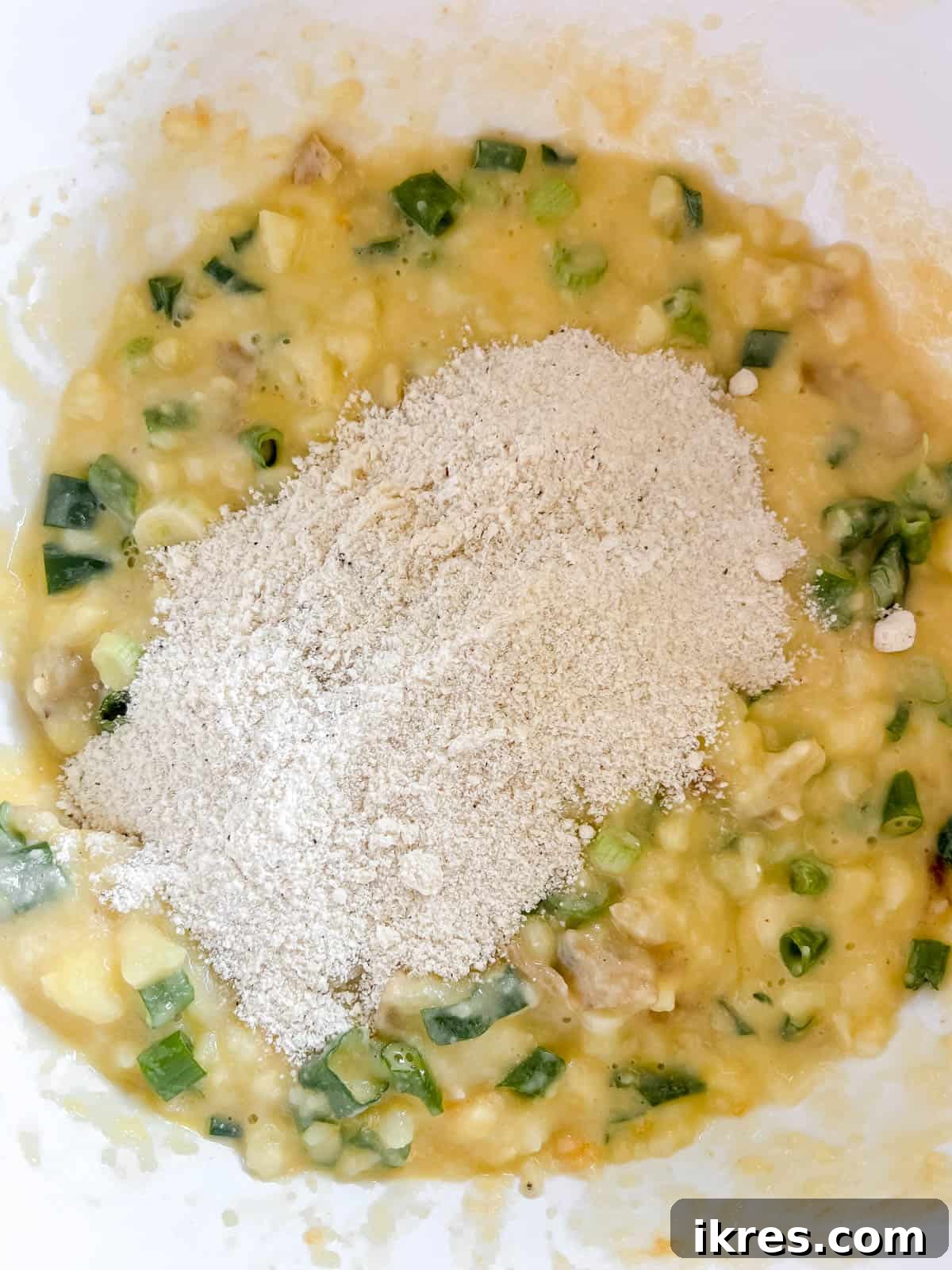
Step 7: Incorporate Flour Mixture. Now, add the previously prepared dry almond flour mixture to the large bowl with the mashed potatoes. Mix gently but thoroughly until no streaks of dry flour remain and everything is well combined into a cohesive batter.
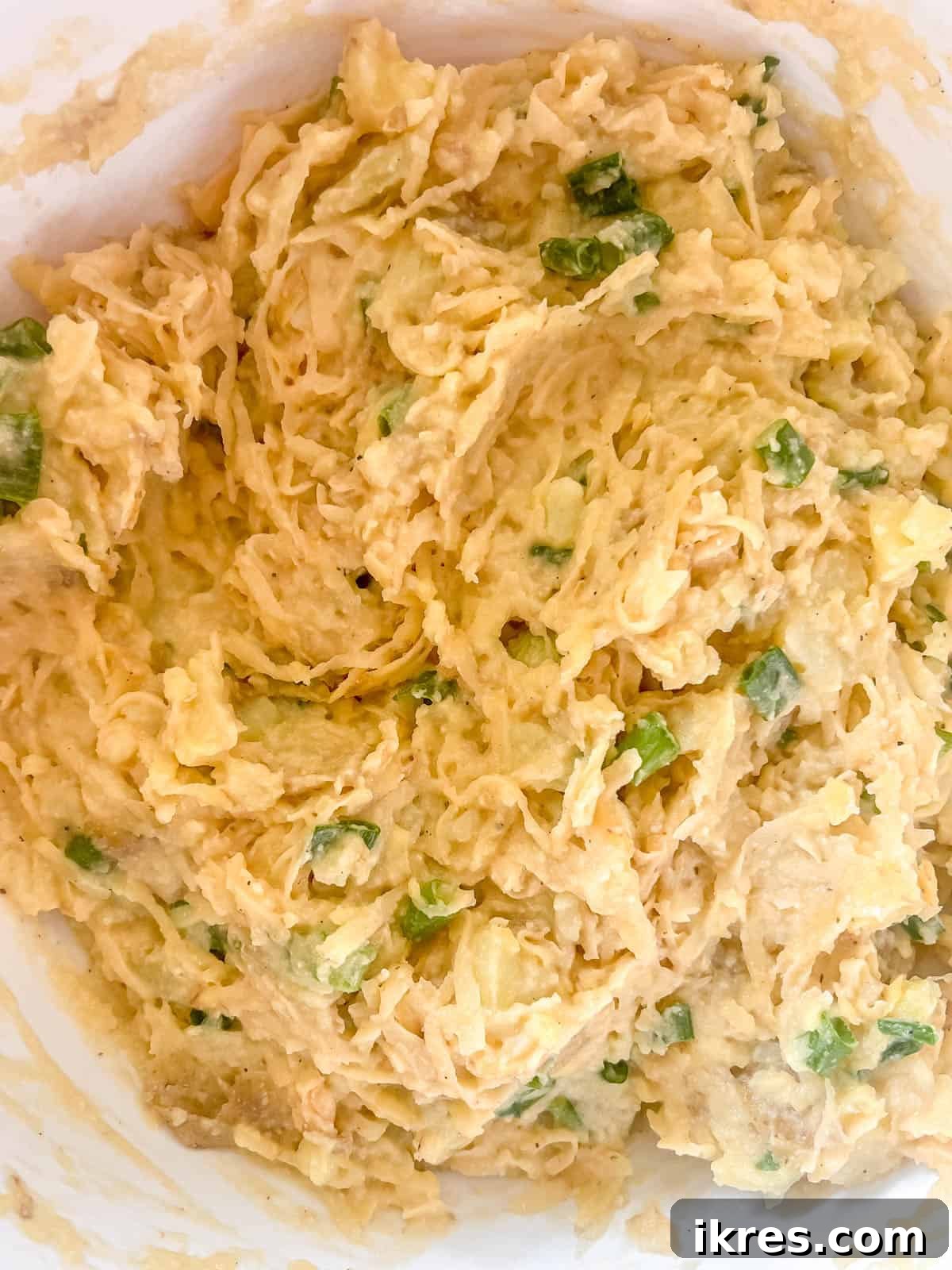
Step 8: Add Shredded Potatoes. Finally, take the thoroughly dried shredded potatoes and gently fold them into the mashed potato batter. Mix just until they are evenly distributed. Overmixing can make the pancakes tough, so be mindful. This step is key to getting that wonderful crispy texture in your finished pancakes.
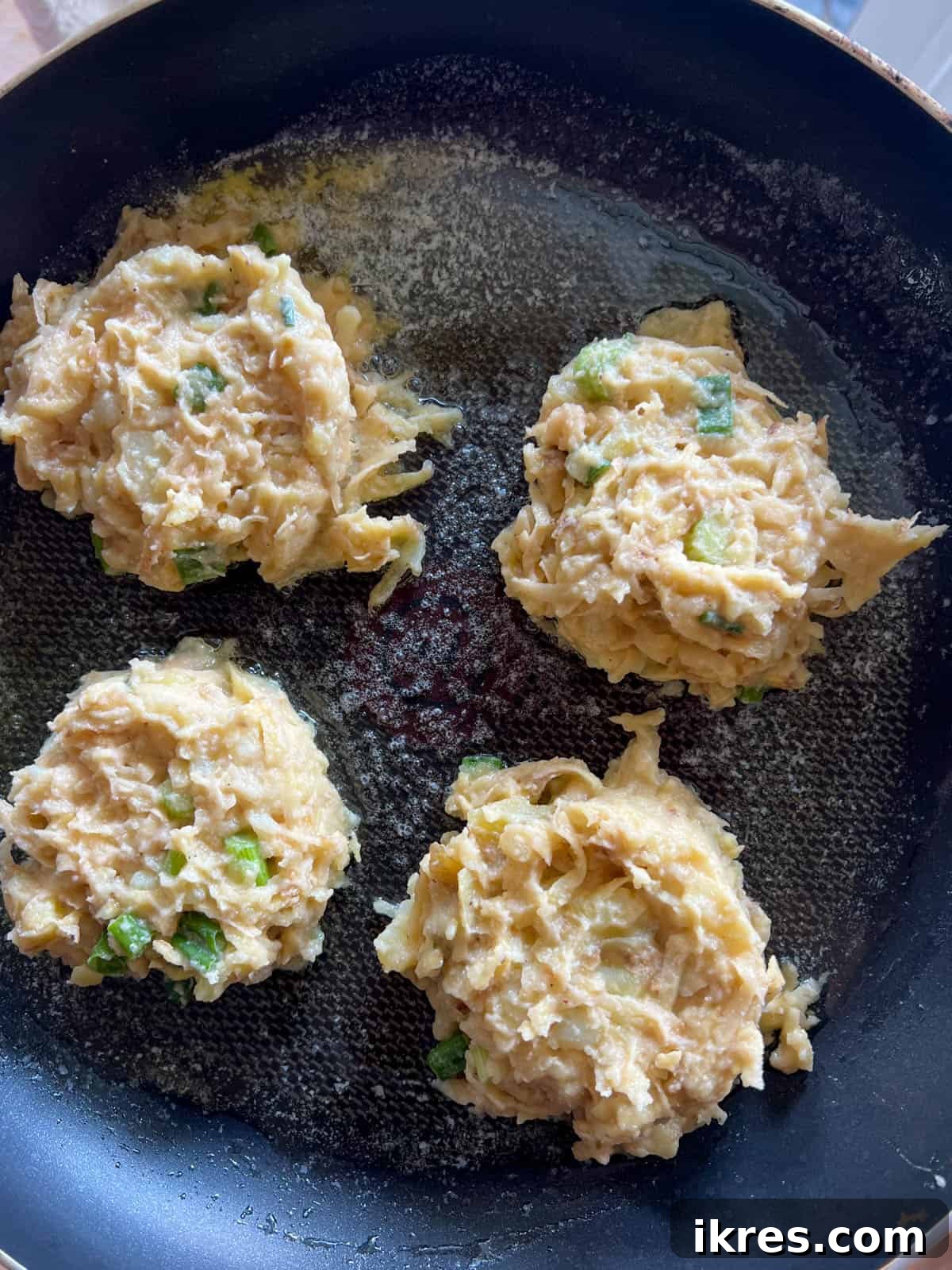
Step 9: Cook the Pancakes. Heat 2 tablespoons of avocado oil and 1 tablespoon of butter (or ghee/vegan butter) in a large frying pan over medium-high heat. Once hot, use a 1/2 cup measuring cup to scoop portions of the batter and carefully place them into the pan. Gently pat each pancake down a little to flatten it slightly and ensure even cooking. Cook for approximately 3 to 3.5 minutes per side, or until beautifully golden brown and crispy.
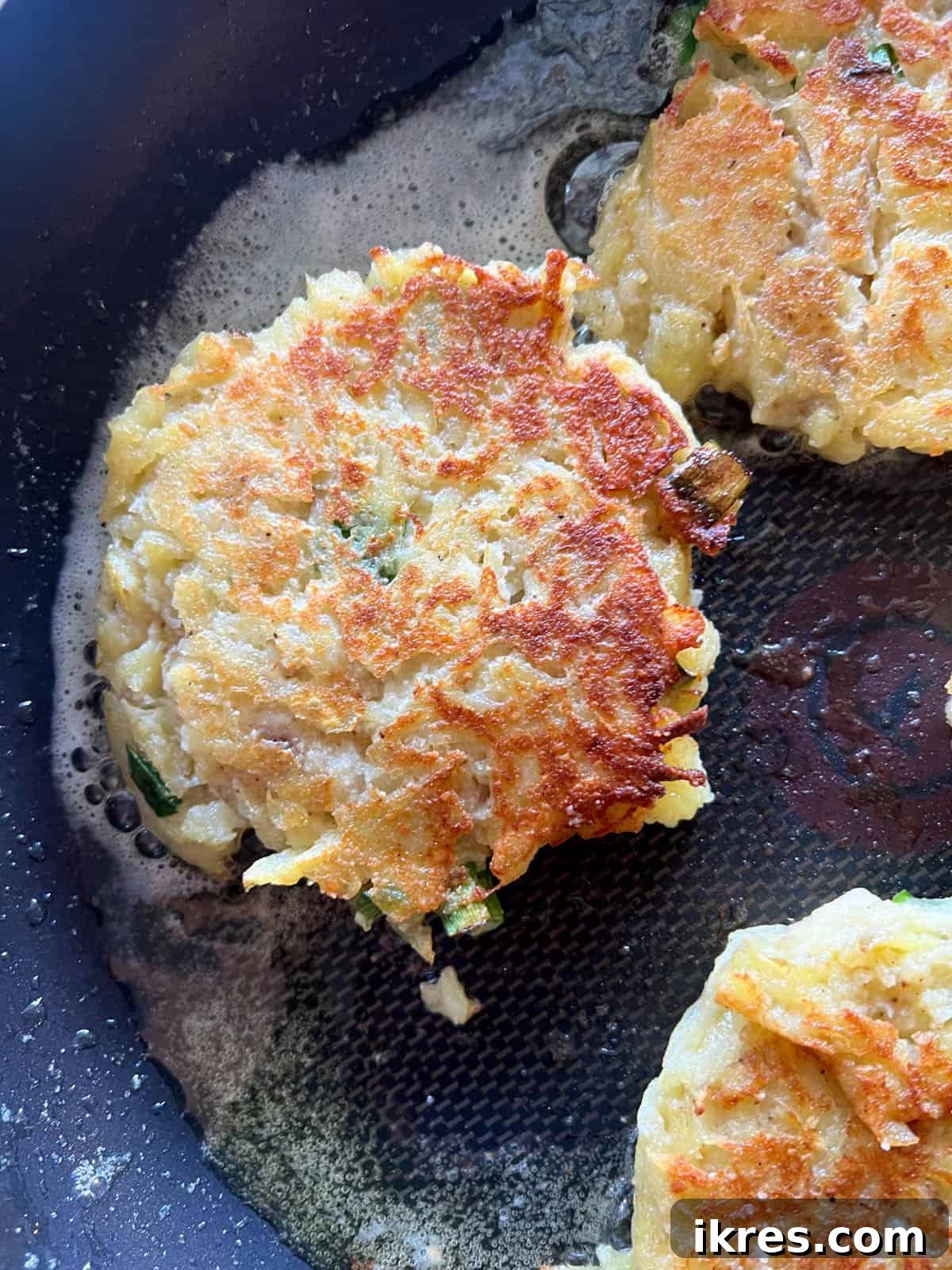
Step 10: Flip and Finish. After the first side is golden brown and crispy, carefully flip each potato pancake with a spatula. Cook the second side for another 2.5 to 3 minutes, or until it matches the golden crispness of the first side. Adjust heat as needed; if your pan gets too hot, reduce it to medium to prevent burning. You may need to add a little more oil and butter between batches to maintain that perfect frying consistency.
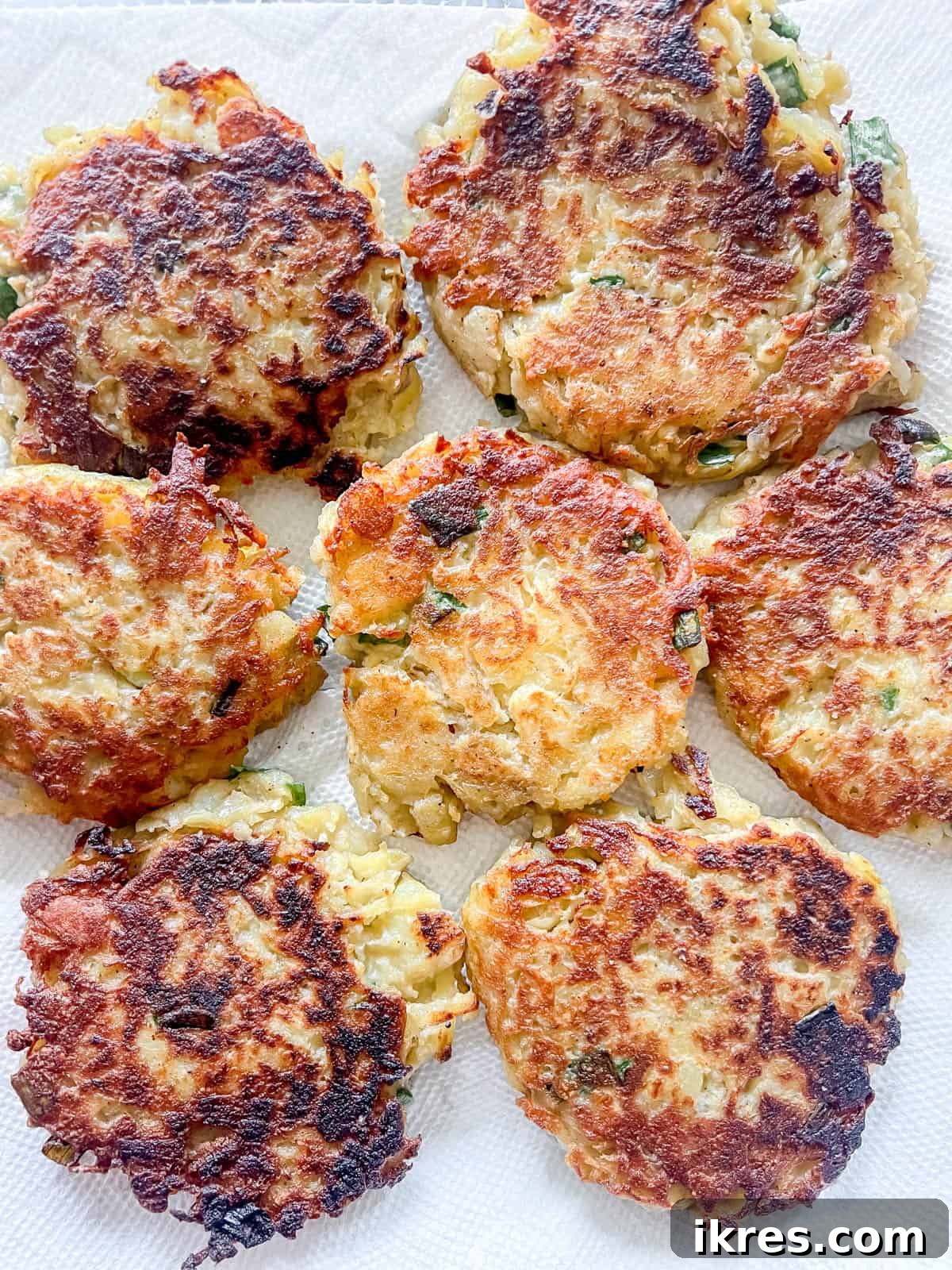
Step 11: Drain Excess Oil. As each batch finishes cooking, transfer the hot potato pancakes onto plates lined with paper towels. This will help absorb any excess oil, ensuring they remain wonderfully crispy. Serve immediately and enjoy the fruits of your labor! This recipe typically yields about 12-14 delectable potato pancakes.
Pro Tips for Best Results
Achieving the perfect crispy and flavorful potato pancake is easy with a few insider tips:
- Drain Potatoes Thoroughly: This is arguably the most crucial step for crispiness. Squeeze out as much liquid as possible from the shredded potatoes. Excess moisture leads to soggy pancakes.
- Don’t Overmix the Batter: Once the shredded potatoes are added, mix just until combined. Overmixing can activate the starch in the flours, leading to a tougher texture.
- Even Thickness: Try to keep your pancakes of similar thickness for uniform cooking. Gently pat them down in the pan.
- Maintain Pan Temperature: Start with medium-high heat to get a good sear, then adjust to medium if the pancakes are browning too quickly. Consistent heat is key to both internal cooking and external crispiness.
- Don’t Crowd the Pan: Cook in batches, leaving enough space between pancakes. Crowding lowers the pan temperature and can steam the pancakes instead of frying them, preventing them from getting crispy.
- Freshness Matters: While you can freeze cooked pancakes, they are always best when enjoyed fresh off the pan.
- Salt Balance: Taste your potato mixture before frying a test pancake to ensure the seasoning is to your liking. Adjust salt and pepper as needed.
Serving Suggestions for Your Delicious Potato Pancakes
These versatile gluten-free potato pancakes can be enjoyed in countless ways. Here are some delicious ideas to inspire you:
- Classic Breakfast or Brunch: Serve them alongside scrambled or fried eggs, crispy bacon or sausage, and a side of fresh fruit.
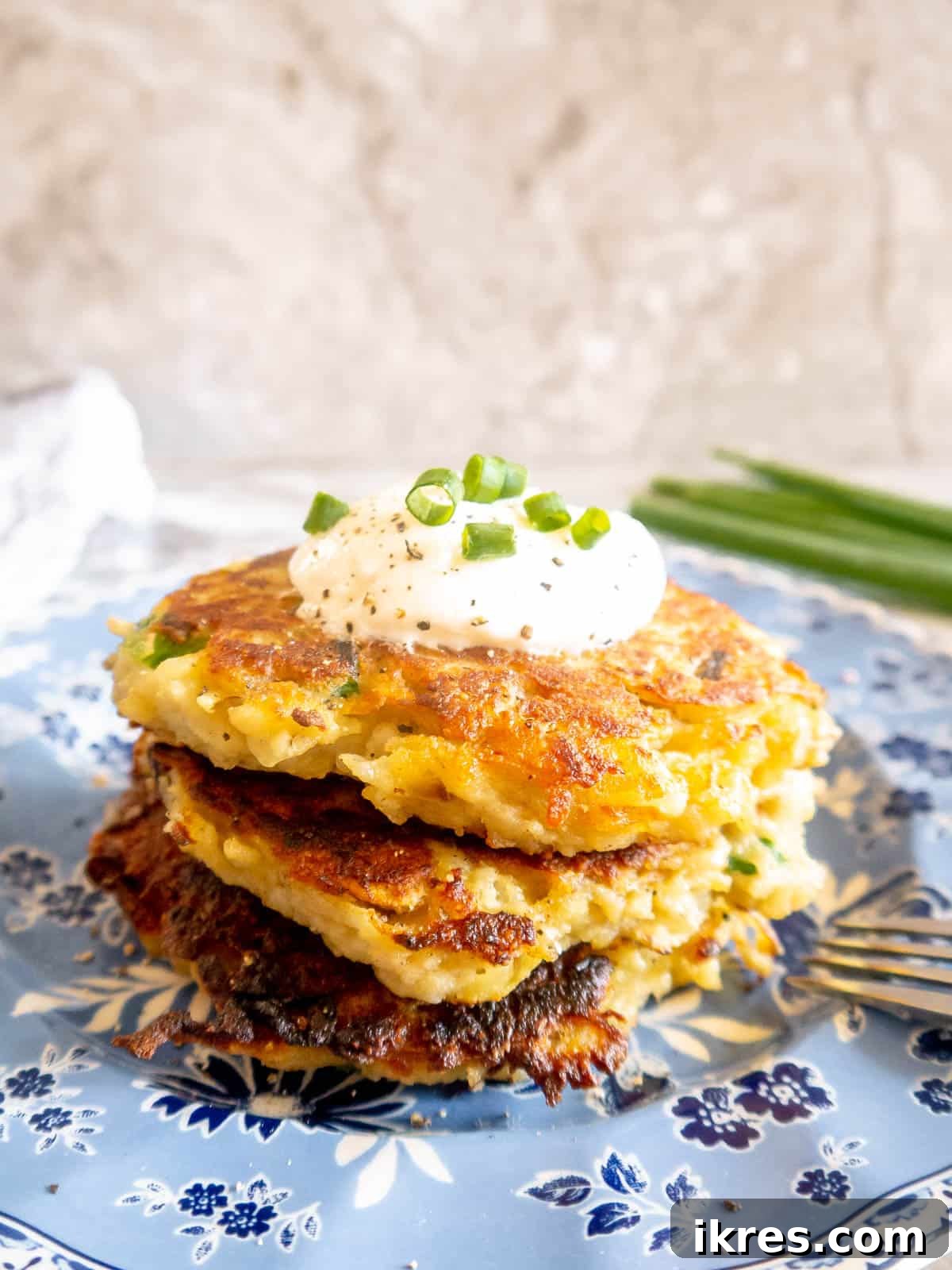
- Savory Toppings: A dollop of plain Greek yogurt or sour cream (dairy-free options available!) is a traditional and delightful pairing, adding a tangy contrast to the rich potatoes. Smoked salmon and a sprinkle of fresh dill also make a fantastic combination.
- Sweet & Savory: Don’t shy away from pairing them with a touch of sweetness! A spoonful of apple sauce, apple butter, or even a drizzle of maple syrup can create an unexpected yet delicious flavor profile, especially if you enjoy the sweet and savory combination.
- Side Dish Extraordinaire: These pancakes are a wonderful alternative to traditional mashed or roasted potatoes. Serve them alongside roasted chicken, pork chops, or beef stew for a comforting meal.
- Appetizer Perfection: Mini versions of these pancakes can be served as appetizers with various toppings like smoked salmon, crème fraîche, or a spicy aioli.
Recipe FAQs: Your Questions Answered
No, traditional potato pancakes often use all-purpose flour as a binder, making them unsuitable for a gluten-free diet. However, this recipe is specifically designed to be gluten-free by utilizing almond flour and tapioca flour, ensuring a delicious and safe option for everyone.
These potato pancakes are incredibly versatile! They are fantastic served with breakfast proteins like sausage, eggs, or smoked salmon. For a simple yet delightful option, top them with Greek yogurt, sour cream, or even a savory apple jelly. They also make a hearty and comforting side dish for almost any meal.
Yes, these potato pancakes are freezer-friendly! To freeze, first cook them completely and let them cool. Then, arrange them in a single layer on a baking sheet and freeze until solid. Once frozen, transfer them to a freezer-safe bag or airtight container, separated by parchment paper, for up to 2-3 months. Reheat in a preheated oven or toaster oven until warmed through and crispy again.
Irish Boxty is a traditional Irish potato pancake made from a mixture of grated raw potato and mashed potato. The combination gives it a unique texture that is both soft and slightly chewy, with crispy edges when fried. This recipe honors Boxty by using the same ingenious blend of raw shredded and mashed potatoes, ensuring an authentic taste and texture experience, adapted to be gluten-free.
Soggy potato pancakes are usually a result of excess moisture in the shredded potatoes. It’s crucial to really squeeze out as much liquid as possible after grating them. Patting them dry with paper towels after draining also helps immensely. Additionally, ensure your frying pan is hot enough and not overcrowded, allowing the pancakes to fry rather than steam.
This delightful recipe is adapted from the Traditional Irish Boxty Recipe from Fusion Craftiness. I deeply appreciate their foundational tips and techniques, which I’ve thoughtfully adapted to create this truly gluten-free version.
For those looking for delicious non-potato options, consider these vibrant cabbage fritters by Primal Edge Health – a wonderfully creative way to enjoy vegetables!
More Healthy & Delicious Potato Recipes You’ll Love
If you have a passion for potatoes, explore these other fantastic recipes that celebrate this versatile vegetable:
- For a savory snack, you must try these Gluten-Free Cuban-Style Croquetas from Eat at Our Table. They are utterly addictive!
- If you’re a fan of fresh herbs and creamy textures, our Dill Ranch Potato Salad with Avocado and Eggs is a vibrant and satisfying choice.
- Indulge in the rich and comforting flavors of these Dairy-Free Scalloped Potatoes, featuring an amazing texture and incredible taste without the dairy.
Did you try this recipe? We would love to hear from you! Please leave us a ⭐ review below!
Full Recipe Card: Gluten-Free Potato Pancakes (Whole30 Option)
Rating: 5 out of 5 stars from 14 votes
Gluten-Free Potato Pancakes (Whole30 Option)
By: Dominique
Yields: 12 pancakes
Prep Time: 30 minutes | Cook Time: 24 minutes | Total Time: 54 minutes
Potato pancakes that are crispy on the outside, soft on the inside, and incredibly delicious and comforting.
Ingredients
- 3 lbs gold potatoes
- 5 Tablespoons grassfed butter, divided (note: use ghee for Whole30, vegan butter for dairy-free)
- 1 cup unsweetened almond milk
- 2 eggs, lightly beaten
- 1 cup sliced green onions/scallions (about 5, including white and green parts)
- 1 teaspoon garlic powder
- 1 1/2 teaspoons salt, divided
- 1/2 teaspoon black pepper
- 1/2 cup almond flour
- 2 Tablespoons tapioca flour
- 1/4 teaspoon baking soda
- 2 Tablespoons avocado oil (and a little extra for cooking multiple batches)
Instructions
- Prepare Boiled Potatoes: Divide the raw potatoes in half. Slice half of the potatoes into 3/4-inch slices. Place the sliced potatoes into a large pan filled with water. Bring to a boil and cook until fork-tender, about 20-25 minutes. Drain thoroughly.
- Prepare Shredded Potatoes: Grate the other half of the raw potatoes. Place the shredded potatoes into a sieve or colander over a bowl. Add 1 teaspoon of salt and mix. Let rest for 15-20 minutes to drain excess moisture. Discard the potato water, then pat the shredded potatoes thoroughly dry with a paper towel. Set aside.
- Combine Dry Ingredients: In a medium bowl, combine 1/2 teaspoon salt, 1/2 teaspoon black pepper, 1/2 cup almond flour, 2 tablespoons tapioca flour, and 1/4 teaspoon baking soda. Mix with a fork until well combined.
- Create Mashed Potato Base: Transfer the drained boiled potatoes to a large bowl. Add 4 tablespoons of butter (or ghee) and the almond milk. Mash until smooth. Then, add the lightly beaten eggs, garlic powder, and sliced green onions. Mash and mix until fully incorporated.
- Form the Batter: Add the dry flour mixture to the mashed potatoes and mix until just combined. Then, gently fold in the dried shredded potatoes until evenly distributed throughout the batter.
- Preheat Pan: In a large frying pan, heat 2 tablespoons of avocado oil and 1 tablespoon of butter (or ghee/vegan butter) over medium-high heat.
- Cook Pancakes: Using a 1/2 cup measuring cup, scoop portions of the batter into the hot pan. Gently pat down to flatten slightly. Cook for 3-3.5 minutes per side, or until golden brown and crispy.
- Batch Cooking: You may need to add more oil and butter to the pan between batches. If the pan gets too hot, reduce the heat to medium to prevent burning.
- Drain and Serve: Place freshly cooked potato pancakes onto plates lined with paper towels to absorb any excess oil. Serve immediately. This recipe yields approximately 12-14 potato pancakes.
Notes
- Dairy-Free Option: Use Vegan butter instead of grass-fed butter.
- Whole30 Compliant: Use ghee instead of butter.
- Green Onion Substitute: Use onion powder (about 1/2 tsp) if fresh green onions are unavailable.
- Tapioca Flour Substitute: Arrowroot powder can be used interchangeably.
- Milk Choices: Feel free to use regular dairy milk or any unsweetened non-dairy milk (though regular milk will not be Whole30/Paleo).
Nutrition
Nutrition information is automatically calculated and should only be used as an approximation.
- Calories: 189 kcal
- Carbohydrates: 23 g
- Protein: 5 g
- Fat: 9 g
- Saturated Fat: 3 g
- Polyunsaturated Fat: 1 g
- Monounsaturated Fat: 3 g
- Trans Fat: 0.2 g
- Cholesterol: 37 mg
- Sodium: 389 mg
- Potassium: 516 mg
- Fiber: 3 g
- Sugar: 1 g
- Vitamin A: 242 IU
- Vitamin C: 24 mg
- Calcium: 60 mg
- Iron: 1 mg
Additional Info
Course: Side Dish
Cuisine: Irish
Share your creations! Mention @perchancetocook or tag #perchancetocook on Instagram!