
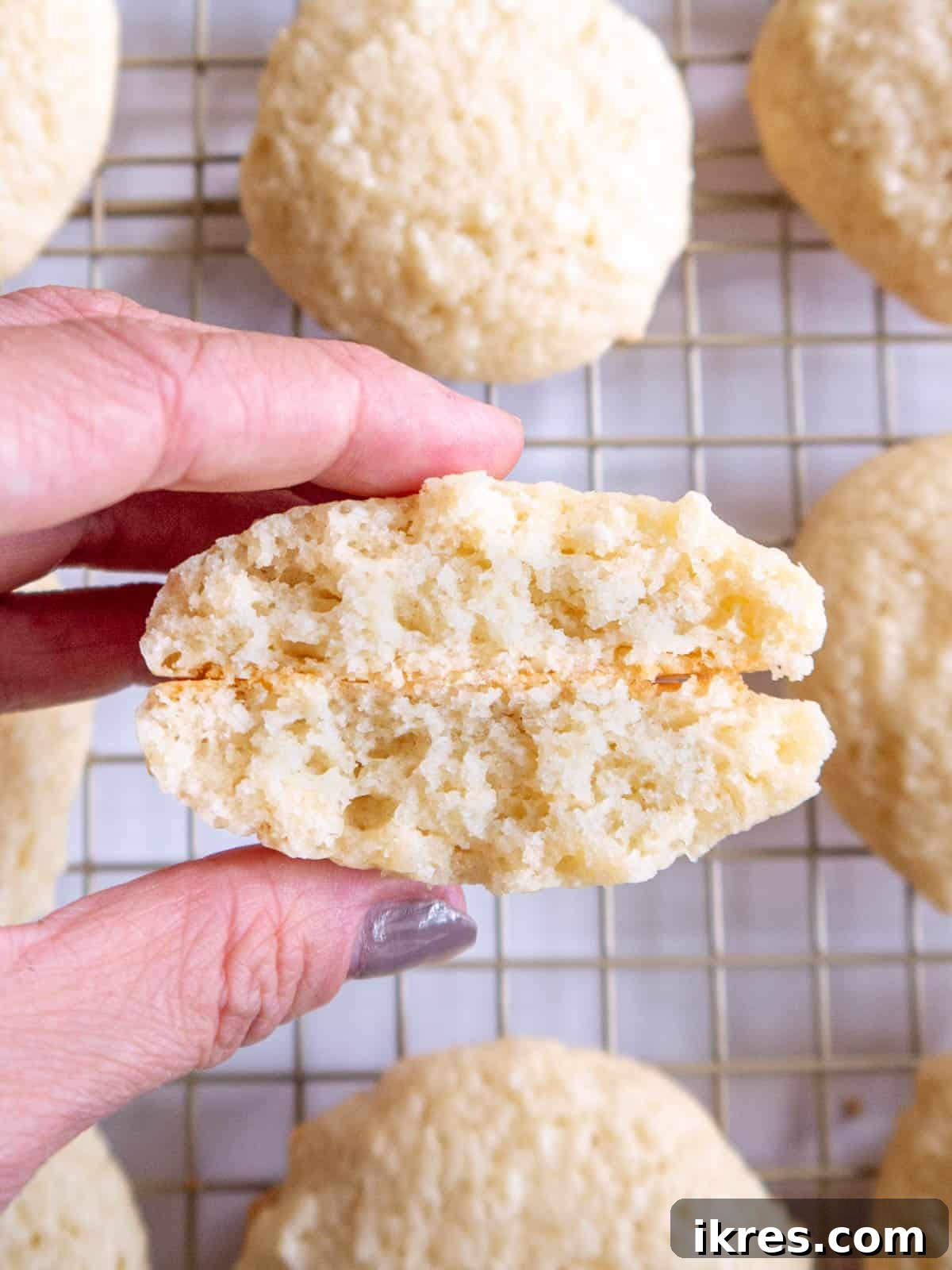
Indulge in these remarkably fluffy, soft, and utterly delicious sugar cookies, uniquely crafted with cottage cheese and olive oil instead of traditional butter. Each bite offers a melt-in-your-mouth sensation and an almost cake-like texture that will surprise and delight your taste buds. This recipe redefines the classic sugar cookie, introducing a healthier twist without compromising on flavor or decadence.
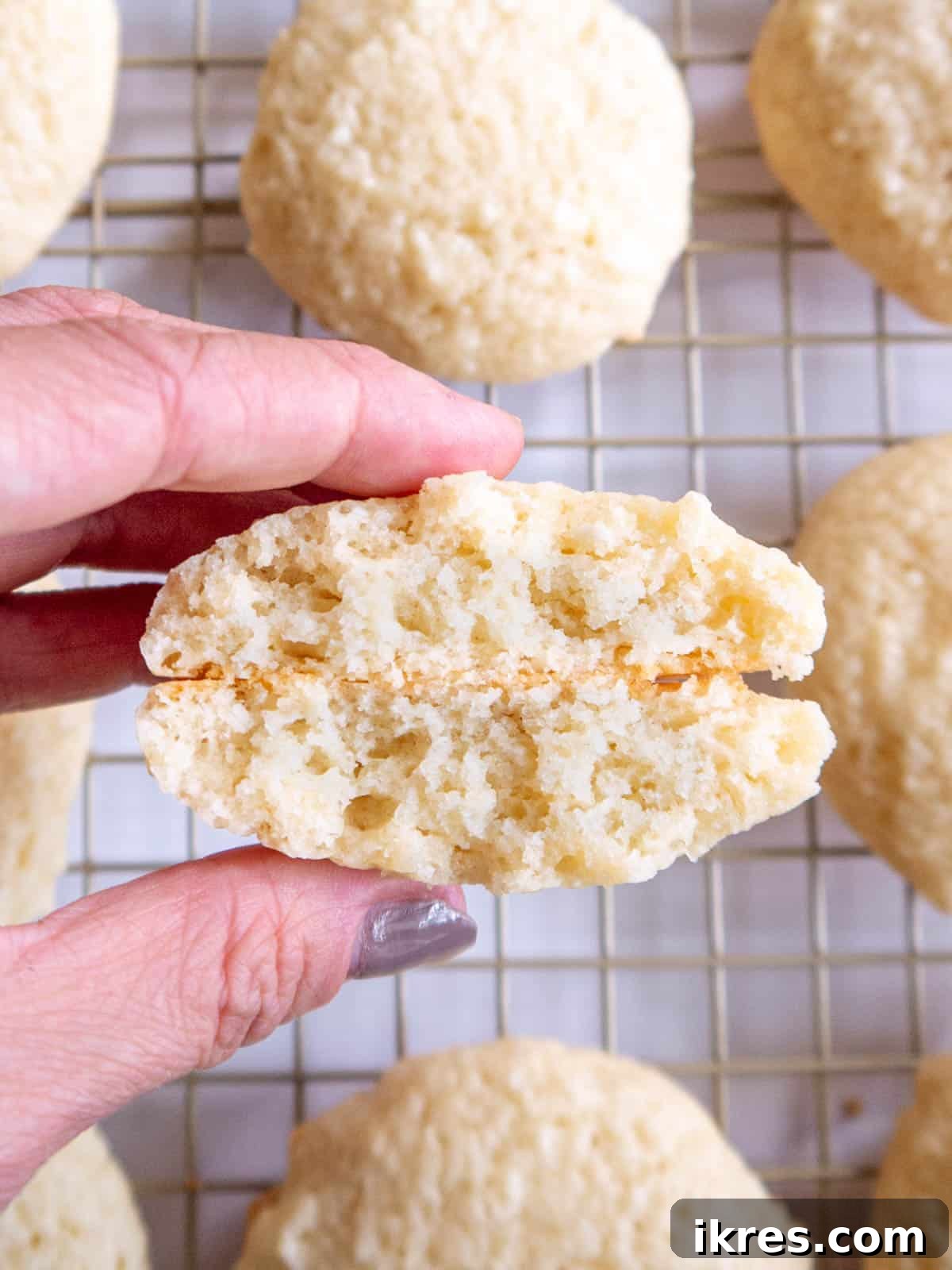
These versatile cottage cheese cookies are a perfect treat for virtually any occasion. Whether you’re celebrating a holiday, hosting a birthday party, or simply craving a comforting homemade dessert, they fit right in. They are also an excellent choice for those spontaneous baking moments when you desire something sweet but prefer to incorporate a few healthier ingredients into your creations. Enjoy them plain, as their delicate flavor truly shines, or get creative by frosting and decorating them to match any theme or festivity.
Worried about the cottage cheese flavor? Don’t be! One of the most remarkable aspects of this recipe is that you absolutely cannot taste the cottage cheese. This mild, creamy ingredient simply contributes to the cookies’ incredible texture and moisture. Lately, I’ve been incorporating cottage cheese into my diet in various ways, often in savory dishes like these creamy cottage cheese mashed potatoes or this hearty high-protein butternut squash soup. However, it proves to be an equally fantastic addition to sweet and dessert recipes, lending its magic to these irresistible cottage cheese sugar cookies.
Table of Contents
- Why This Recipe Is Great
- Essential Recipe Ingredients
- Easy Step-by-Step Instructions
- Expert Baking Tips for Perfection
- More Delicious Cookie Recipes You’ll Love
- Cottage Cheese Cookies Recipe Card
Why This Cottage Cheese Cookie Recipe Is Absolutely Great
These cottage cheese cookies stand out from your average sugar cookie, offering a unique blend of texture, flavor, and a healthier profile. Here’s why you’ll fall in love with them:
- A Delightful Way to Incorporate Cottage Cheese: If you’re looking for innovative and enjoyable ways to boost your protein intake or simply get more cottage cheese into your diet, this recipe is a game-changer. It cleverly transforms a typically savory ingredient into a sweet treat, making healthy eating more exciting. The cottage cheese melts away during baking, leaving no distinct flavor but contributing immensely to the cookie’s structure and moisture.
- Butter-Free Baking with Olive Oil: Unlike most sugar cookie recipes that rely heavily on butter, this version uses olive oil. This not only offers a distinctive, subtle fruitiness that complements the sweetness but also makes these cookies a fantastic option for those seeking dairy-free alternatives or simply looking to reduce saturated fats in their baking. The olive oil ensures a wonderfully tender crumb.
- Unbeatable Fluffy and Chewy Texture: Prepare for cookies that are both incredibly fluffy and satisfyingly chewy. They don’t just “hit the spot”; they redefine what a sugar cookie can be. The unique combination of cottage cheese and olive oil creates an airy yet substantial bite that you won’t find in traditional butter-based cookies.
- A Taste Reminiscent of Old-Fashioned Sour Cream Cookies: Many who try these cookies are reminded of the beloved, comforting taste and texture of old-fashioned sour cream cookies. This familiar and nostalgic flavor profile, combined with the innovative ingredients, makes these cookies truly special and incredibly delicious. They offer a rich, slightly tangy undertone that makes them irresistible.
- Versatile Finishing Options: These cookies are incredibly adaptable. You can bake them as is for a simple, elegant treat, or for an extra touch of sweetness and sparkle, roll the dough balls in sugar before baking. For a truly celebratory touch, once cooled, they serve as an excellent canvas for your favorite frosting, sprinkles, or glazes, making them perfect for any festive occasion.
Essential Recipe Ingredients for Perfect Cottage Cheese Cookies
Crafting these delectable cottage cheese cookies requires a few simple, high-quality ingredients. Each plays a crucial role in achieving their signature fluffy, cake-like texture and delightful flavor. Here’s a closer look at what you’ll need and why:
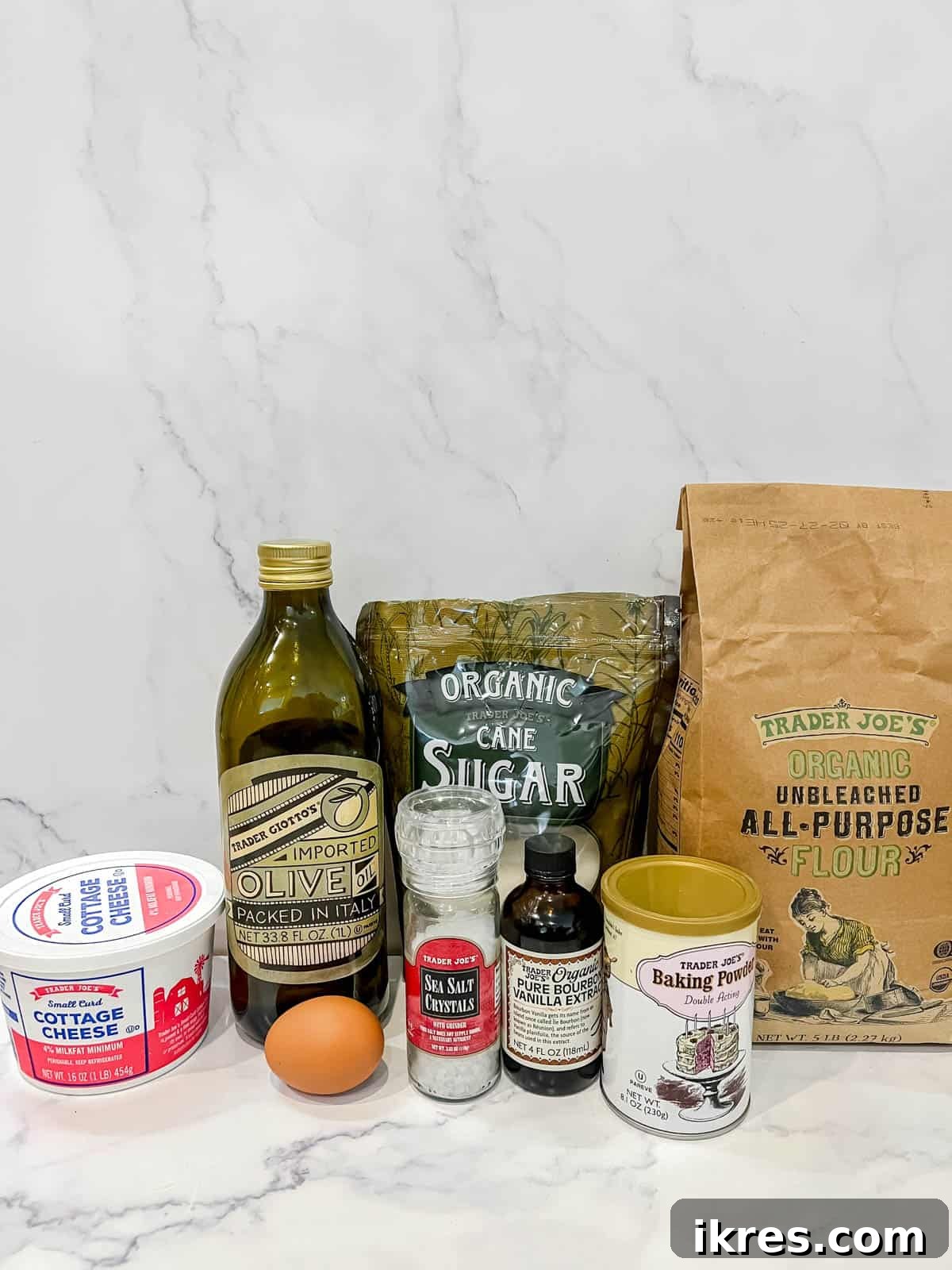
- Small Curd Cottage Cheese: This is the star ingredient! Opt for small curd cottage cheese with a minimum of 4% milkfat. The higher fat content contributes to the cookie’s moisture and richness, while the small curds blend more easily into a smooth consistency, ensuring no chunky bits remain in your cookies.
- Olive Oil: Replacing butter, olive oil is key to the unique texture and subtle flavor of these cookies. Any good quality olive oil will work here. It keeps the cookies incredibly soft and tender, and while you might expect a strong olive oil taste, it subtly complements the sweetness, making the cookies taste light and flavorful.
- Egg: A single egg acts as a vital binder, helping to hold the cookie batter together and contributing to its structure and rise. It also adds a touch of richness and moisture, resulting in a perfectly balanced cookie.
- Organic Cane Sugar: This provides the essential sweetness for these sugar cookies. Organic cane sugar is preferred for its fine texture and pure flavor, but granulated sugar can be used as a direct substitute if that’s what you have on hand. It dissolves beautifully into the batter, ensuring uniform sweetness.
- Vanilla Extract: A splash of vanilla extract is crucial for enhancing the overall flavor profile of the cookies. It adds warmth, depth, and a classic sweet aroma that makes these cookies even more irresistible. Use pure vanilla extract for the best results.
- Baking Powder: This leavening agent is responsible for the cookies’ signature fluffy rise. Baking powder reacts with moisture and heat to create air bubbles, giving the cookies their light, cake-like texture. Ensure your baking powder is fresh for optimal results.
- All-Purpose Flour: Forming the bulk of the dry ingredients, all-purpose flour provides the necessary structure for these cookies. It’s the ideal choice for achieving that perfect soft and chewy consistency that defines these delightful treats.
- Salt: A small amount of salt is essential for balancing the sweetness and enhancing all the other flavors in the cookie. It brings out the subtle nuances of the vanilla and cottage cheese, making the cookies taste more complex and satisfying.
For a complete list of precise measurements and quantities, please refer to the detailed recipe card provided further below.
Easy Step-by-Step Instructions for Fluffy Cottage Cheese Cookies
Creating these delightful cottage cheese cookies is a straightforward process. Follow these simple steps to ensure perfect, fluffy results every time. Precision in preparation will lead to the most delicious outcome.
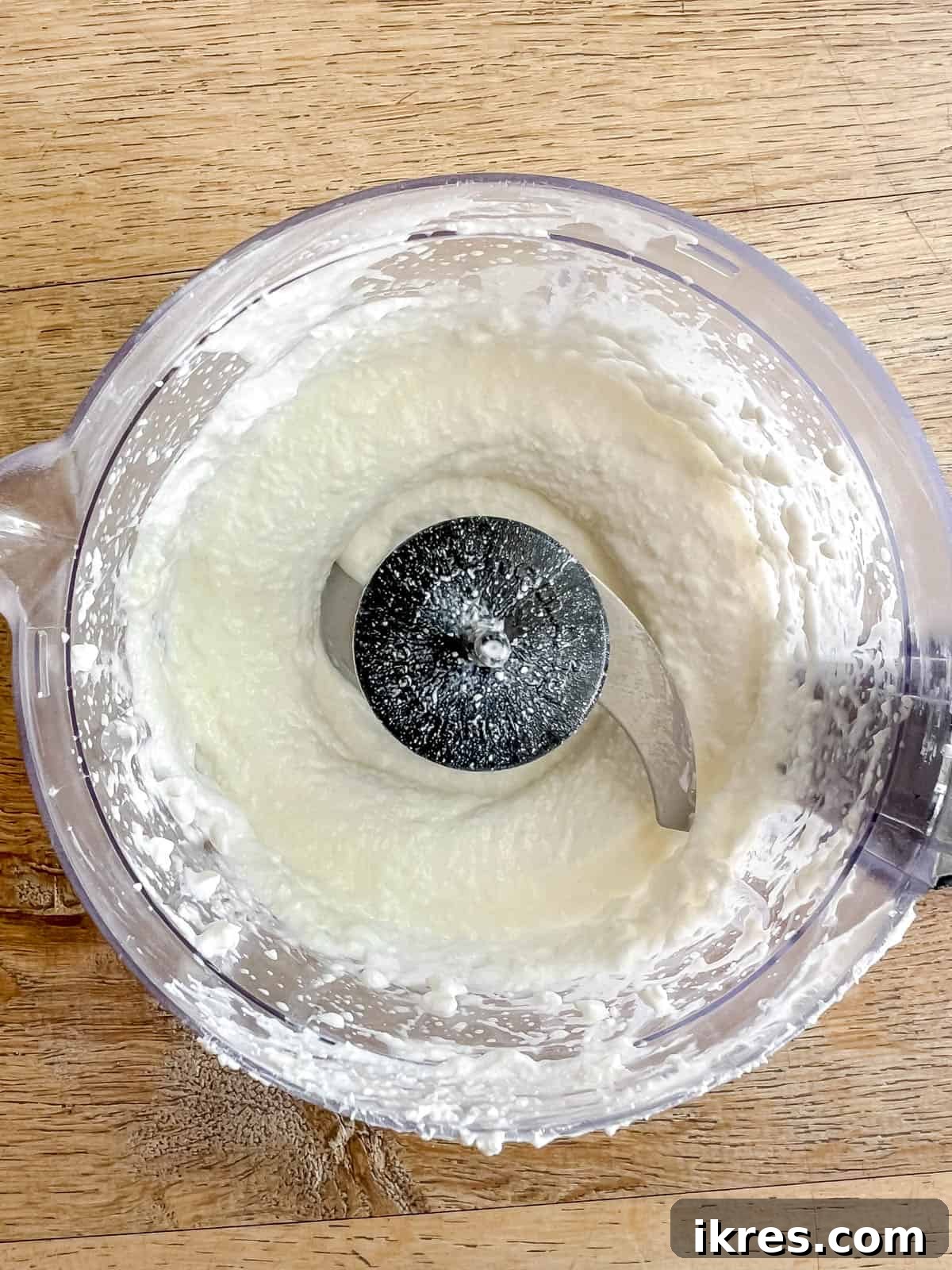
Step 1: Prepare Your Oven and Cottage Cheese. Begin by preheating your oven to 350 degrees F (175 degrees C). Line a baking sheet with parchment paper or a silicone baking mat to prevent sticking. Now, take your small curd cottage cheese and transfer it to a food processor. Blend it on high until it becomes completely smooth and creamy, with no visible curds remaining. This step is crucial for the cookies’ texture.
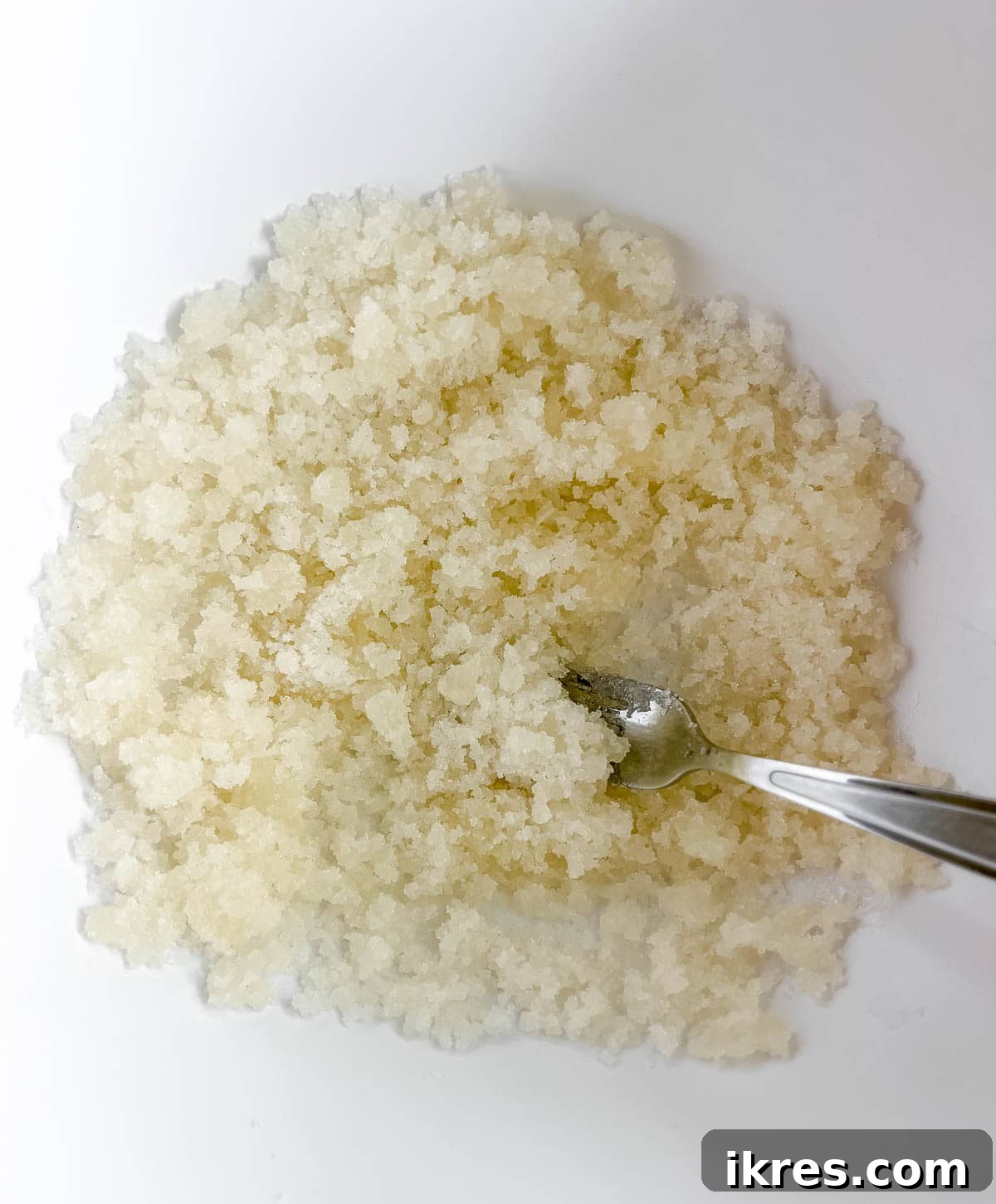
Step 2: Combine Sugar and Olive Oil. In a large mixing bowl, pour in the organic cane sugar (or granulated sugar) and olive oil. Using a fork or a whisk, mix these two ingredients together thoroughly until they are well combined and the mixture appears uniform. This forms the foundation of your wet ingredients.
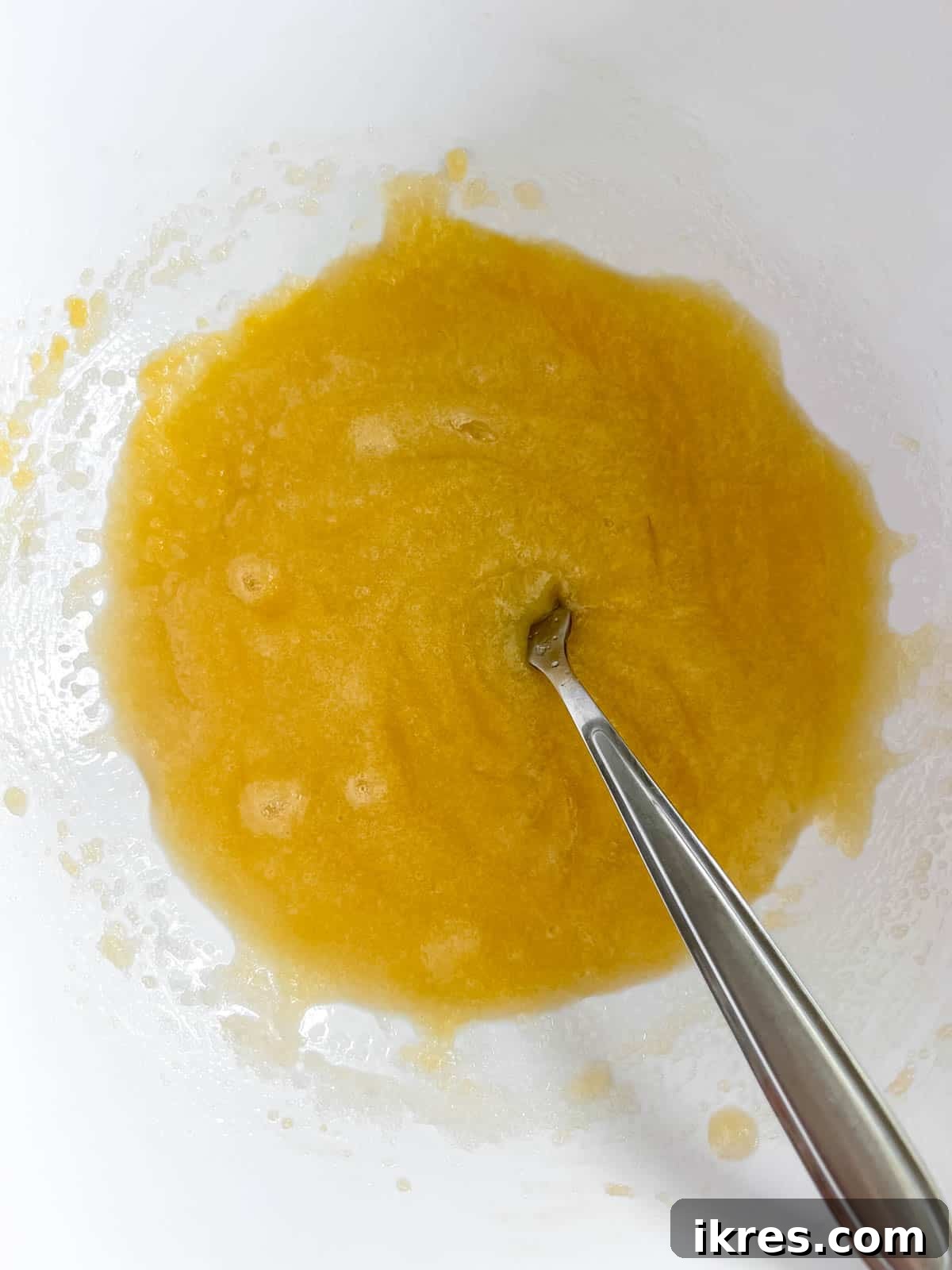
Step 3: Add Egg and Vanilla. To the sugar and olive oil mixture, crack in the egg and add the vanilla extract. Mix these ingredients thoroughly until everything is fully incorporated and the mixture is smooth and cohesive. The egg helps bind everything, while vanilla adds depth of flavor.
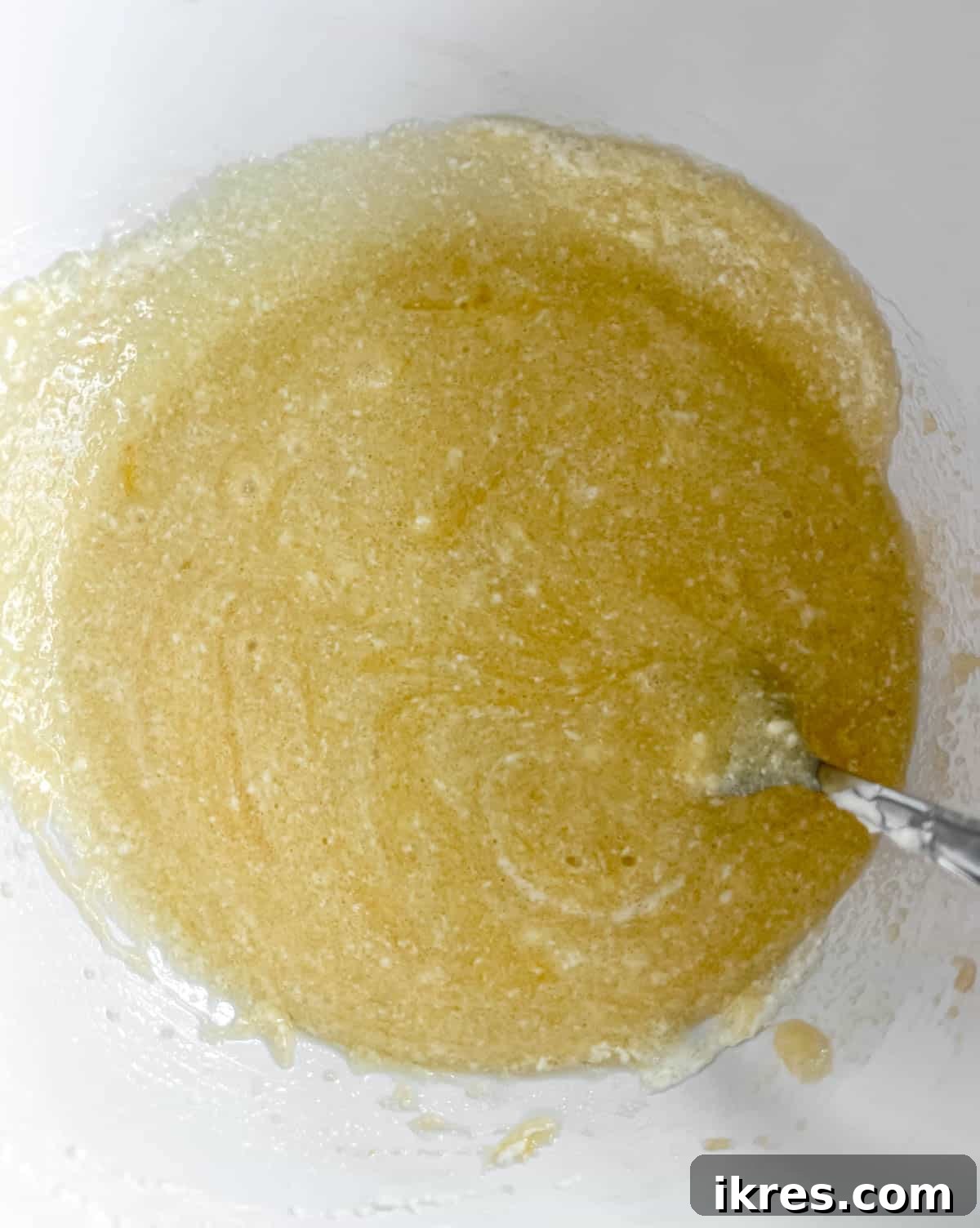
Step 4: Incorporate Blended Cottage Cheese. Now, add the previously blended, smooth cottage cheese to your wet mixture. Mix well until the cottage cheese is completely incorporated and the batter is smooth and uniform. This ensures the cottage cheese evenly distributes throughout the cookies, contributing to their unique texture without any noticeable taste.
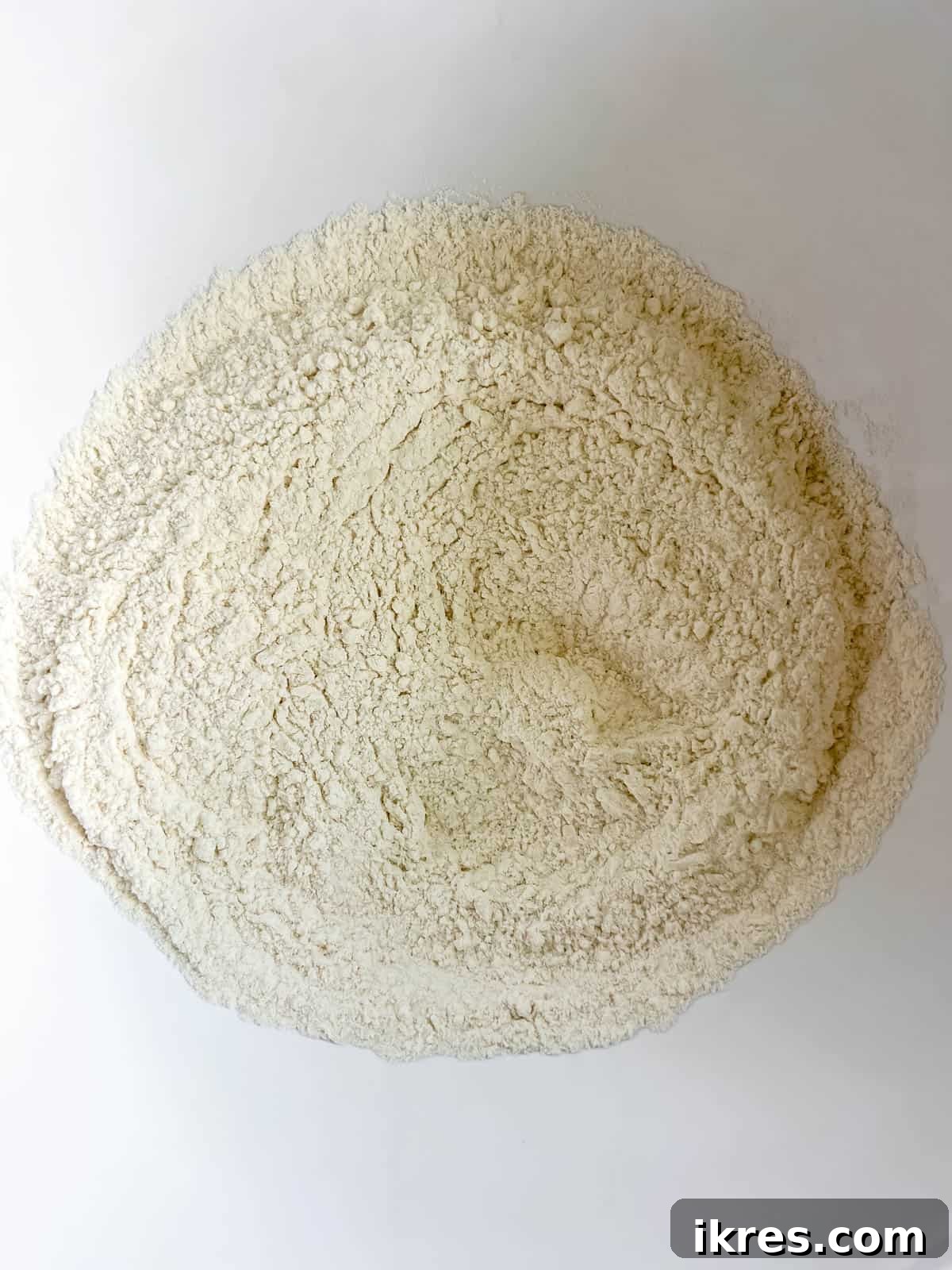
Step 5: Mix Dry Ingredients. In a separate, medium-sized bowl, combine the all-purpose flour, baking powder, and salt. Use a whisk to mix these dry ingredients together thoroughly. This step is important to ensure the baking powder and salt are evenly distributed, leading to a consistent rise and flavor in every cookie.
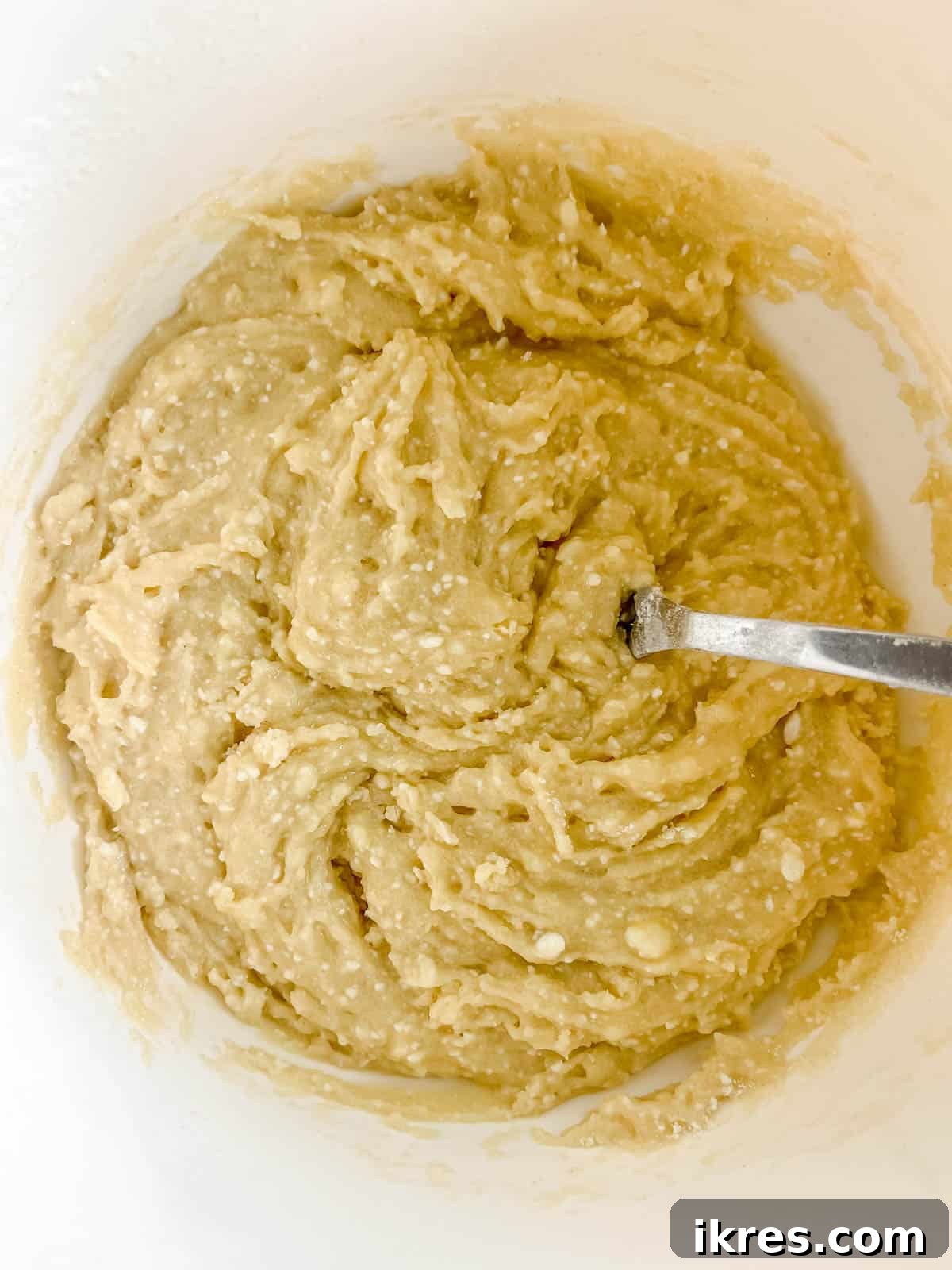
Step 6: Combine Wet and Dry Ingredients. Gradually pour the dry ingredient mixture into the bowl containing your wet ingredients. Mix carefully, either with a spoon or a low-speed mixer, until a soft, cohesive cookie dough forms. Be careful not to overmix, as this can lead to tough cookies. Mix just until the flour streaks disappear.
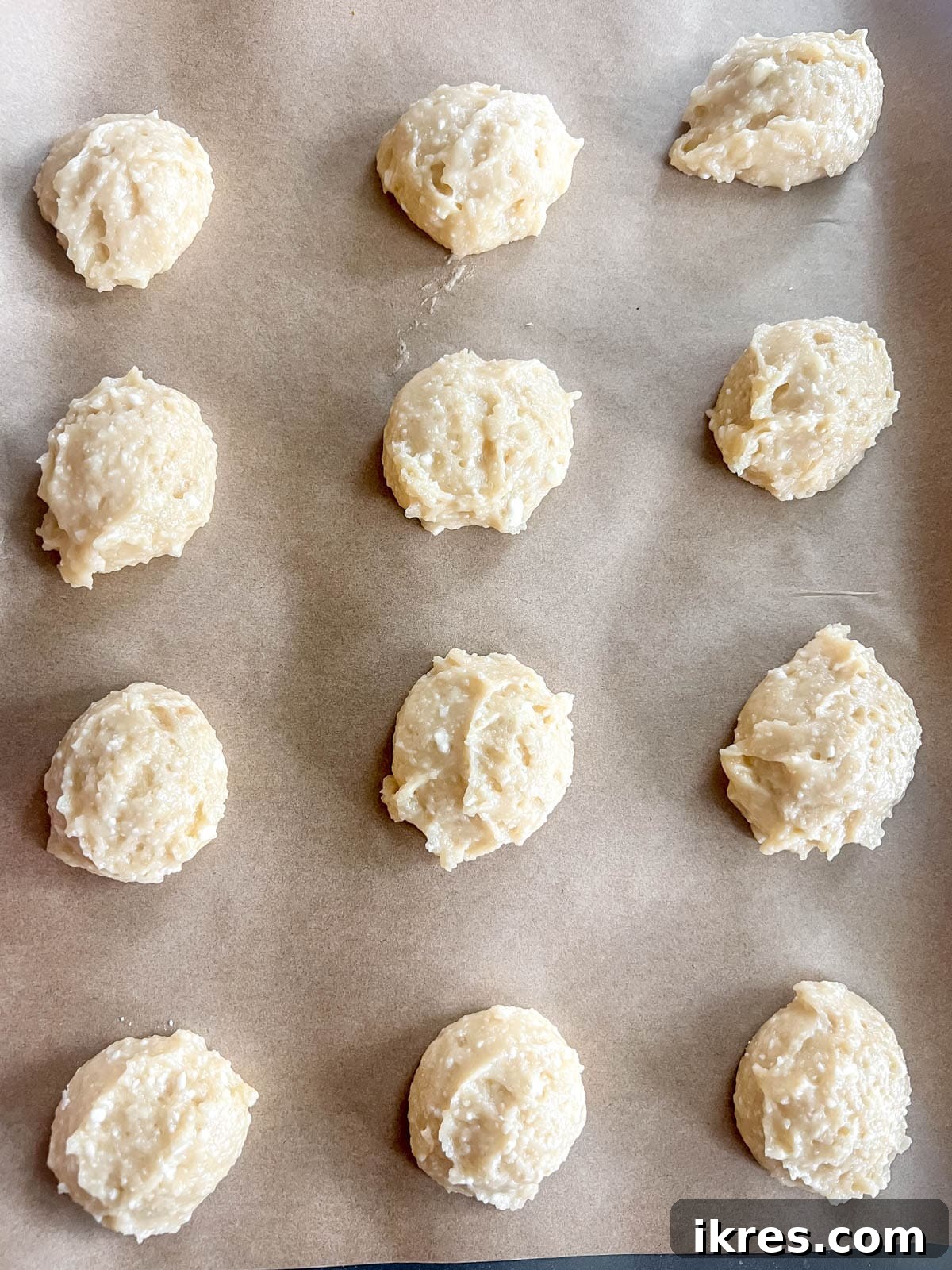
Step 7: Scoop and Prepare for Baking. Using a small cookie scoop (about 1 tablespoon in size) or simply rolling tablespoon-sized portions between your palms, scoop the cookie dough onto your prepared baking sheet. Leave adequate space between each cookie, as they will spread slightly during baking. For extra sparkle, you can roll each dough ball in granulated sugar before placing it on the sheet.
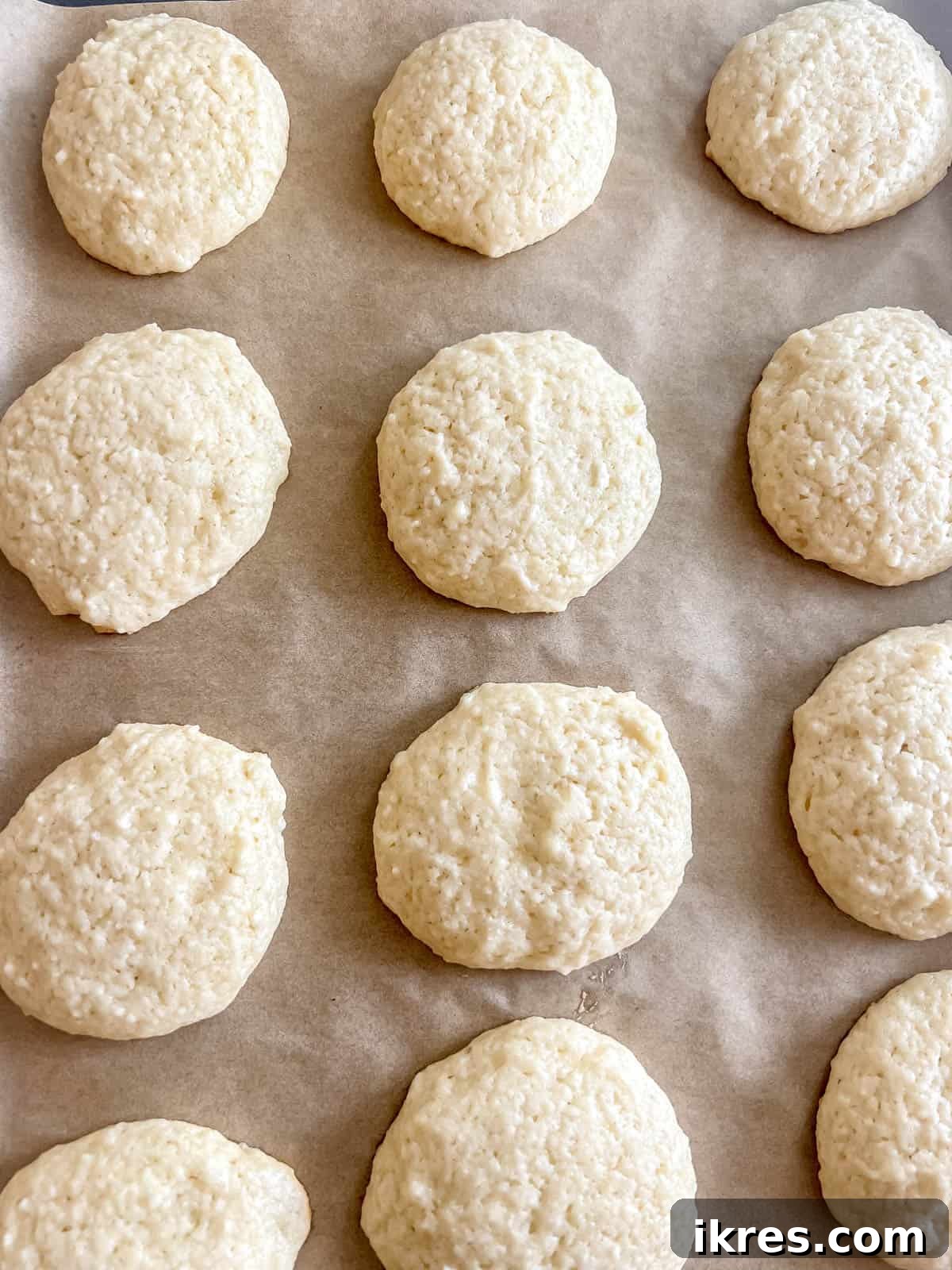
Step 8: Bake to Perfection. Place the baking sheet in the preheated oven and bake for 12-14 minutes. The exact baking time may vary depending on your oven, so keep a close eye on them. The cookies are done when their bottoms are lightly golden brown and set, but the tops still appear pale and soft. Remove from the oven and let them cool on the baking sheet for a few minutes before transferring them to a wire rack to cool completely.
Expert Baking Tips for Perfect Cottage Cheese Cookies Every Time
Achieving the ideal fluffy, tender texture for these cottage cheese cookies is easier with a few insider tricks. Pay attention to these expert tips to ensure your cookies turn out perfectly delicious:
- Crucial Leavening Agent Choice: Baking Powder ONLY! This is perhaps the most critical tip for this recipe. Do not use baking soda in these cookies! Baking powder is specifically chosen for its double-acting properties and the gentle, airy lift it provides. If you substitute baking soda, your cookies will spread excessively and could “explode” or become overly thin and crispy during baking, losing that desirable fluffy, cake-like texture. Stick strictly to baking powder.
- Accurate Flour Measurement: Use the Spoon and Level Method. Baking is a science, and precise measurements, especially for flour, are key to consistent results. Instead of scooping flour directly from the bag (which can compact it and lead to too much flour), use the spoon and level method. Gently spoon flour into your measuring cup until it overflows, then use the back of a knife or a straight edge to level off the excess. This ensures you’re adding the correct amount of flour, which directly impacts the cookie’s texture and spread.
- Measure Cottage Cheese AFTER Blending for Optimal Texture. For the best results and the perfect cookie texture, it is essential to measure the cottage cheese after it has been fully blended until smooth. If you measure it before blending, you’ll likely have less actual cottage cheese volume in your cookies because the air pockets between the curds will be gone after processing. This can subtly alter the moisture content and density, affecting the final texture of your cookies. Blend, then measure!
- Proper Storage for Lasting Freshness. To maintain their soft and chewy texture, store your baked cottage cheese cookies in an airtight container at room temperature. They will remain fresh and delicious for 3-4 days. For longer storage, you can freeze the baked cookies in a freezer-safe bag or container for up to 3 months. Thaw at room temperature or gently warm them for a fresh-baked feel.
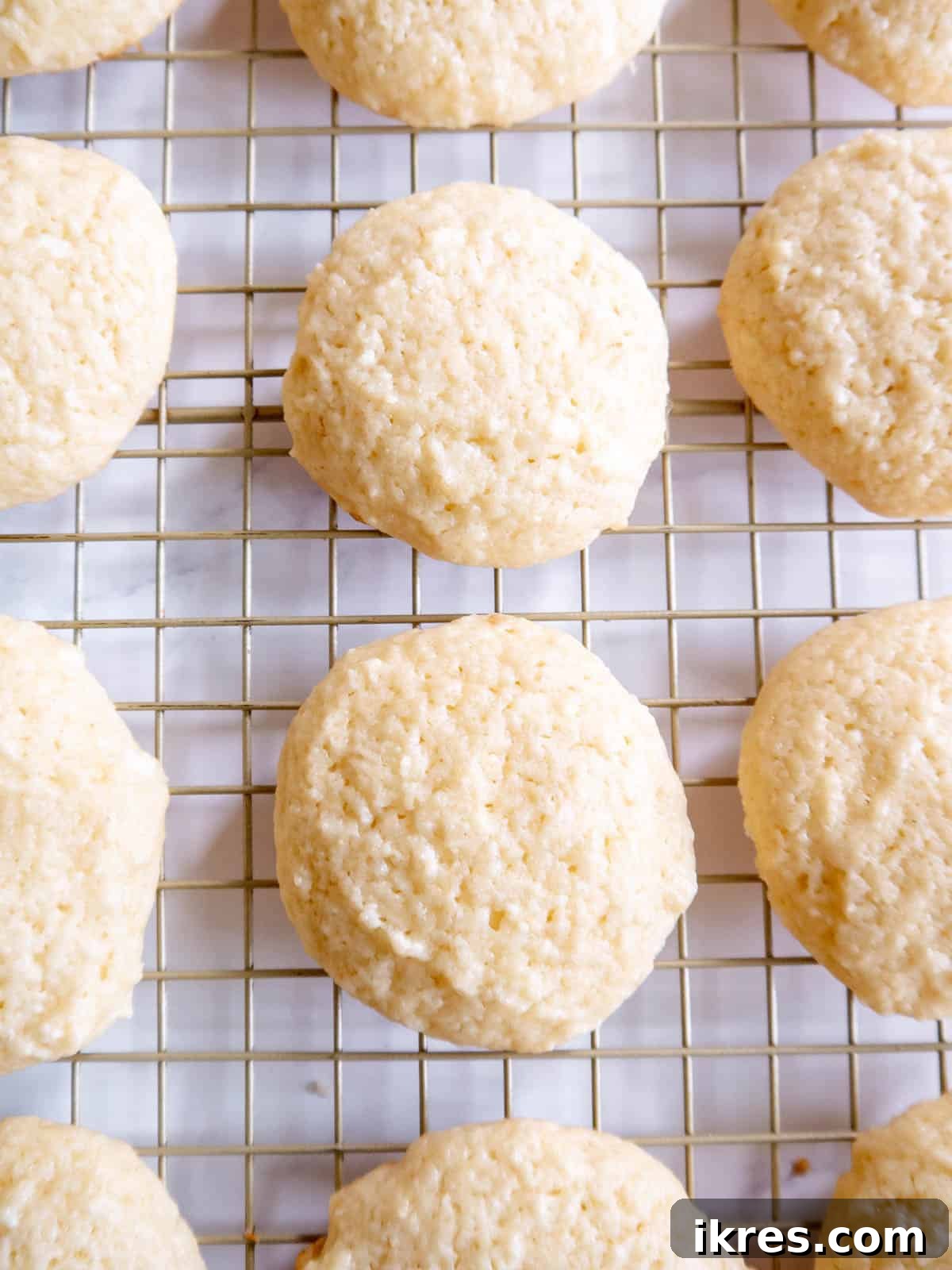
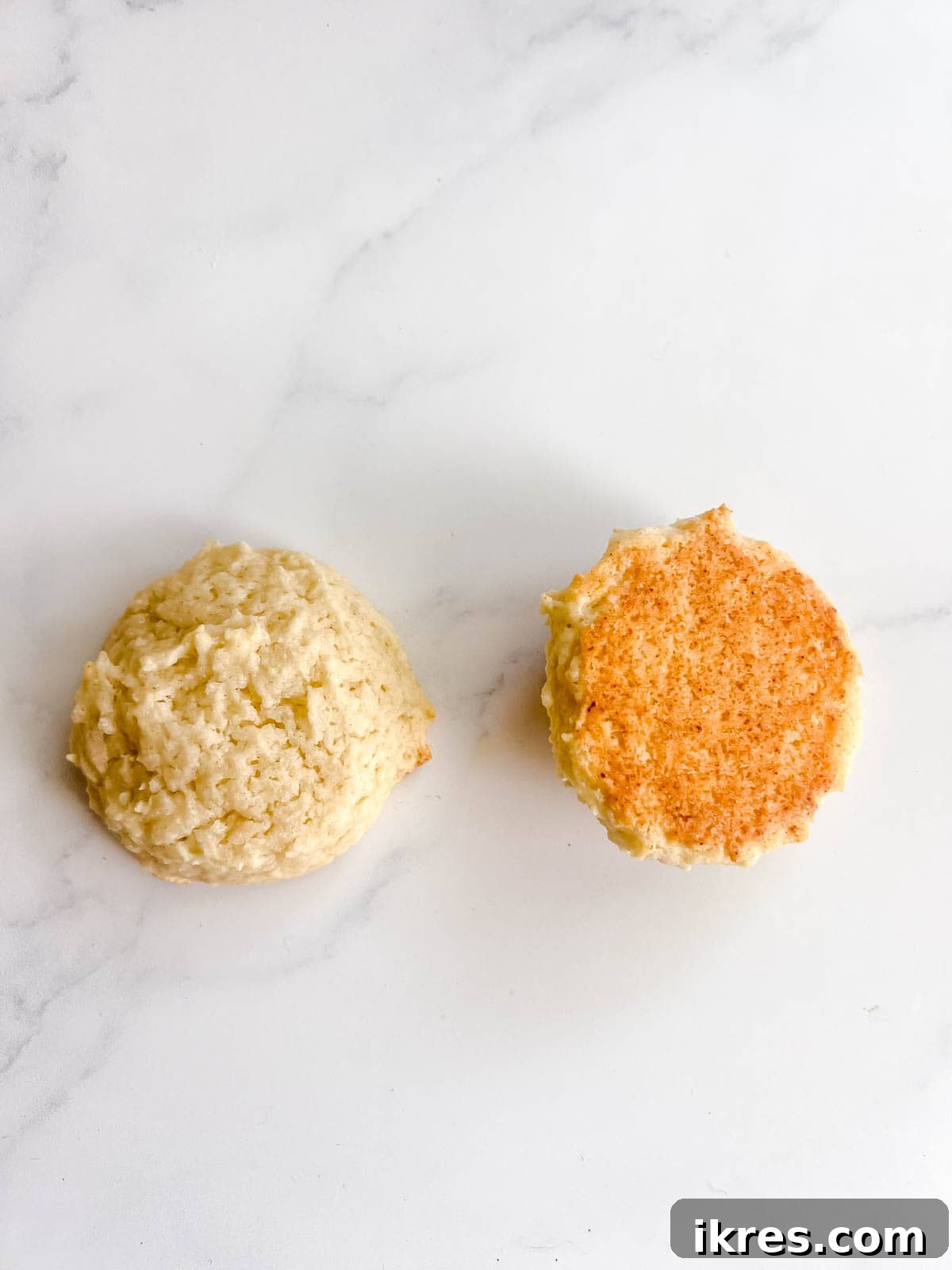
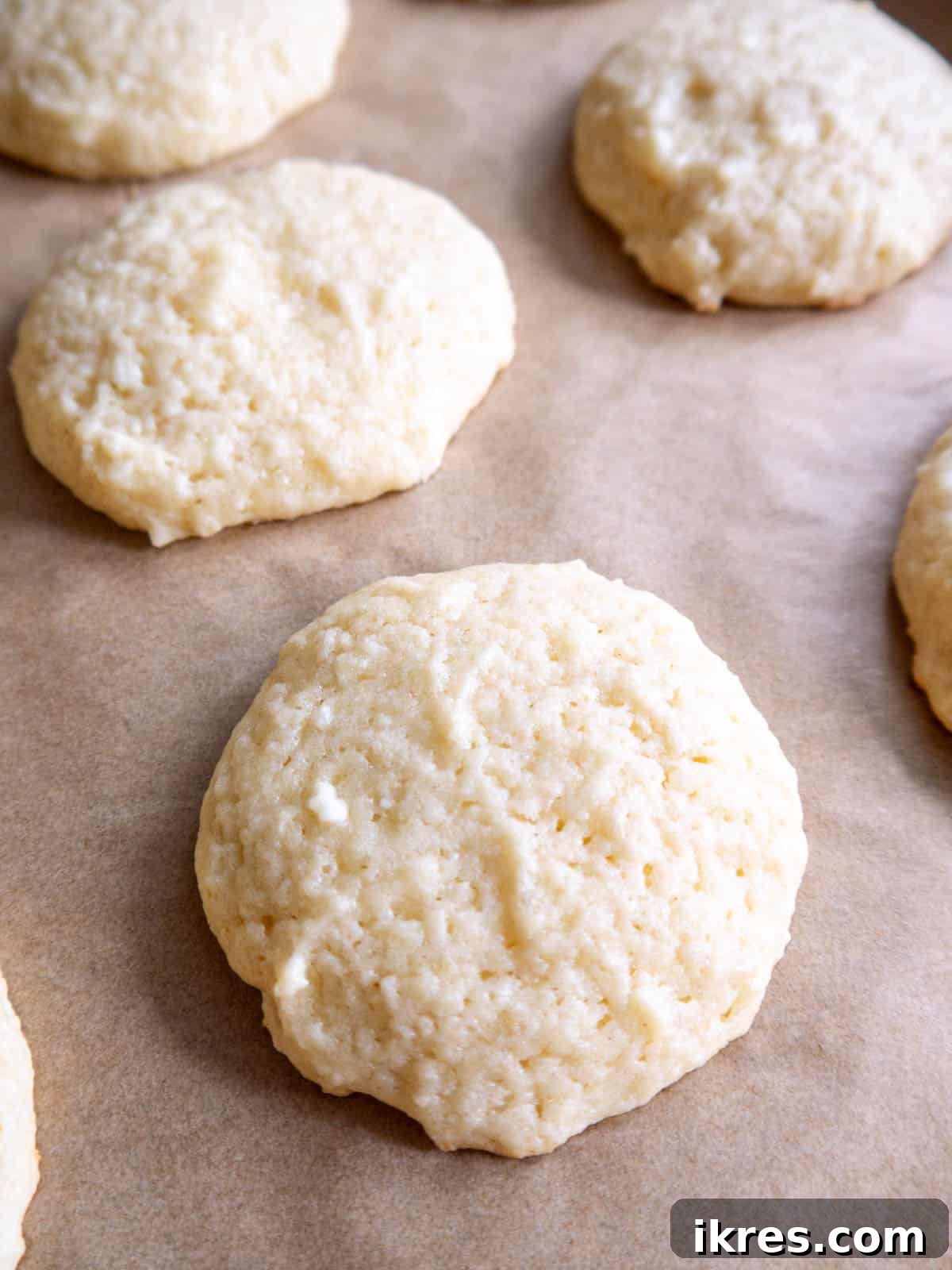
- Knowing When Your Cookies Are Perfectly Done. It can be tricky to tell when light-colored cookies are fully baked. For these cottage cheese cookies, look for specific cues: the tops of the cookies will still appear pale and soft to the touch, but the bottoms will be lightly golden brown and set. This indicates they are cooked through but still retain their signature fluffy interior. Overbaking will lead to dry cookies, so keep a watchful eye! Check out the photo below for a visual guide.
- Chilling the Dough (Optional but Recommended): While not strictly necessary, chilling the cookie dough for 30 minutes to an hour can improve the cookie’s texture and prevent excessive spreading. The cold dough will hold its shape better, resulting in slightly thicker cookies.
- Don’t Overmix the Dough: After combining the wet and dry ingredients, mix only until the flour is just incorporated. Overmixing develops the gluten in the flour, which can lead to tough, dense cookies instead of the desired fluffy, tender ones.
More Delicious Cookie Recipes You’ll Love
If you’ve enjoyed the unique twist of these cottage cheese cookies, you’ll surely love exploring other creative and classic cookie recipes. Expand your baking repertoire with these fantastic options, each offering its own special charm and flavor profile.
Did you try this recipe? Please leave me a ⭐ review below! Your feedback helps me improve and share more delicious recipes.
Cottage Cheese Cookies
Dominique
18
cookies
15 minutes
12 minutes
27 minutes
Share by Email
Print Recipe
Ingredients
- 1/3 cup olive oil
- 1 cup cane sugar, ( or granulated sugar)
- 1 teaspoon vanilla extract
- 1 large egg
- 1/2 cup blended small curd cottage cheese (4% milk fat), (measure after blending in a food processor)
- 1 1/2 cups all-purpose flour, (measure using spoon and level method)
- 1 teaspoon baking powder
- 1/4 teaspoon salt
Instructions
-
Preheat your oven to 350°F (175°C). Prepare your baking sheets by lining them with parchment paper or silicone baking mats. Ensure your oven rack is positioned in the upper third of the oven for optimal baking.
-
Place the small curd cottage cheese into a food processor. Blend until the cottage cheese is completely smooth and creamy, with no curds visible. Measure out 1/2 cup of this blended, smooth cottage cheese and set it aside.
-
In a large mixing bowl, combine the cane sugar and olive oil. Mix them thoroughly with a fork or whisk until well combined. Next, add the egg and vanilla extract to this mixture and mix again until fully incorporated. Finally, add the measured blended cottage cheese and stir until the wet ingredients are smooth and homogeneous.
-
In a separate medium bowl, whisk together the all-purpose flour, baking powder, and salt. Ensure these dry ingredients are thoroughly mixed to guarantee even distribution in your cookies.
-
Pour the dry ingredients into the bowl of wet ingredients. Mix gently until a cohesive cookie dough forms. Be careful not to over-mix the dough; stop as soon as the flour streaks disappear to keep the cookies tender.
-
Using a small cookie scoop (approximately 1 tablespoon in size) or by hand, scoop out tablespoon-sized portions of dough and roll them into uniform balls. Place these dough balls onto your prepared cookie sheets, leaving about 2 inches between each to allow for spreading during baking.
-
Bake for 12-14 minutes, or until the bottoms of the cookies are lightly golden brown and set, but the tops remain pale and soft. Baking time may vary by oven; watch closely. This recipe yields 18-20 cookies, so you will likely need to bake them in two batches on separate cookie sheets.
Notes and Essential Tips
To ensure the best possible experience and outcome with your cottage cheese cookies, please keep these important notes and tips in mind:
- Absolutely NO Baking Soda: This is a crucial instruction! Only use baking powder as specified in this recipe. Baking soda reacts differently and can cause your cookies to spread too much and “explode” in size, resulting in a thin, crispy, and undesirable texture. Stick to baking powder for the perfect fluffy, cake-like cookies.
- Precision in Flour Measurement: Always measure your flour using the spoon and level method. This prevents over-packing the measuring cup, which can lead to too much flour and result in dense, dry cookies. Lightly spoon flour into the cup, then level off with a straight edge.
- Cottage Cheese Measurement is Key: It’s vital to measure the cottage cheese AFTER it has been thoroughly blended until smooth. Measuring it before blending will give you an inaccurate volume, as the curds contain air. This difference in volume will affect the overall moisture content and texture of your cookies, so blend first, then measure the required 1/2 cup.
- Storage Guidelines: For optimal freshness and softness, store your baked cottage cheese cookies in an airtight container at room temperature. They will stay fresh and delicious for 3 to 4 days. If you wish to keep them longer, they freeze beautifully in a freezer-safe bag for up to 3 months.
- How to Determine Doneness: Knowing when these cookies are baked to perfection is important. They will still appear pale on top, which is exactly what you want for a soft interior. However, their bottoms should be a light golden color and feel set. Refer to the photos in the expert tips section above for a visual example of perfectly baked cookies.
- Avoid Overmixing: Once you add the dry ingredients to the wet, mix only until just combined and no streaks of flour remain. Overmixing develops gluten, which can make your cookies tough instead of wonderfully soft and tender.
- Ingredient Temperature: For best results, ensure your egg and cottage cheese are at room temperature. This helps them incorporate more smoothly into the batter, creating a more uniform dough and a better final texture.
Nutrition Information (per cookie)
Calories:
126kcal
Carbohydrates:
19g
Protein:
2g
Fat:
5g
Saturated Fat:
1g
Polyunsaturated Fat:
1g
Monounsaturated Fat:
3g
Trans Fat:
0.001g
Cholesterol:
10mg
Sodium:
78mg
Potassium:
21mg
Fiber:
0.3g
Sugar:
11g
Vitamin A:
21IU
Calcium:
21mg
Iron:
1mg
Please note: Nutrition information is automatically calculated and should only be used as an approximation. Actual values may vary based on specific ingredients and preparation methods.
Additional Recipe Information
Dessert
American
Tried this recipe?
Mention @perchancetocook or tag #perchancetocook on social media!