
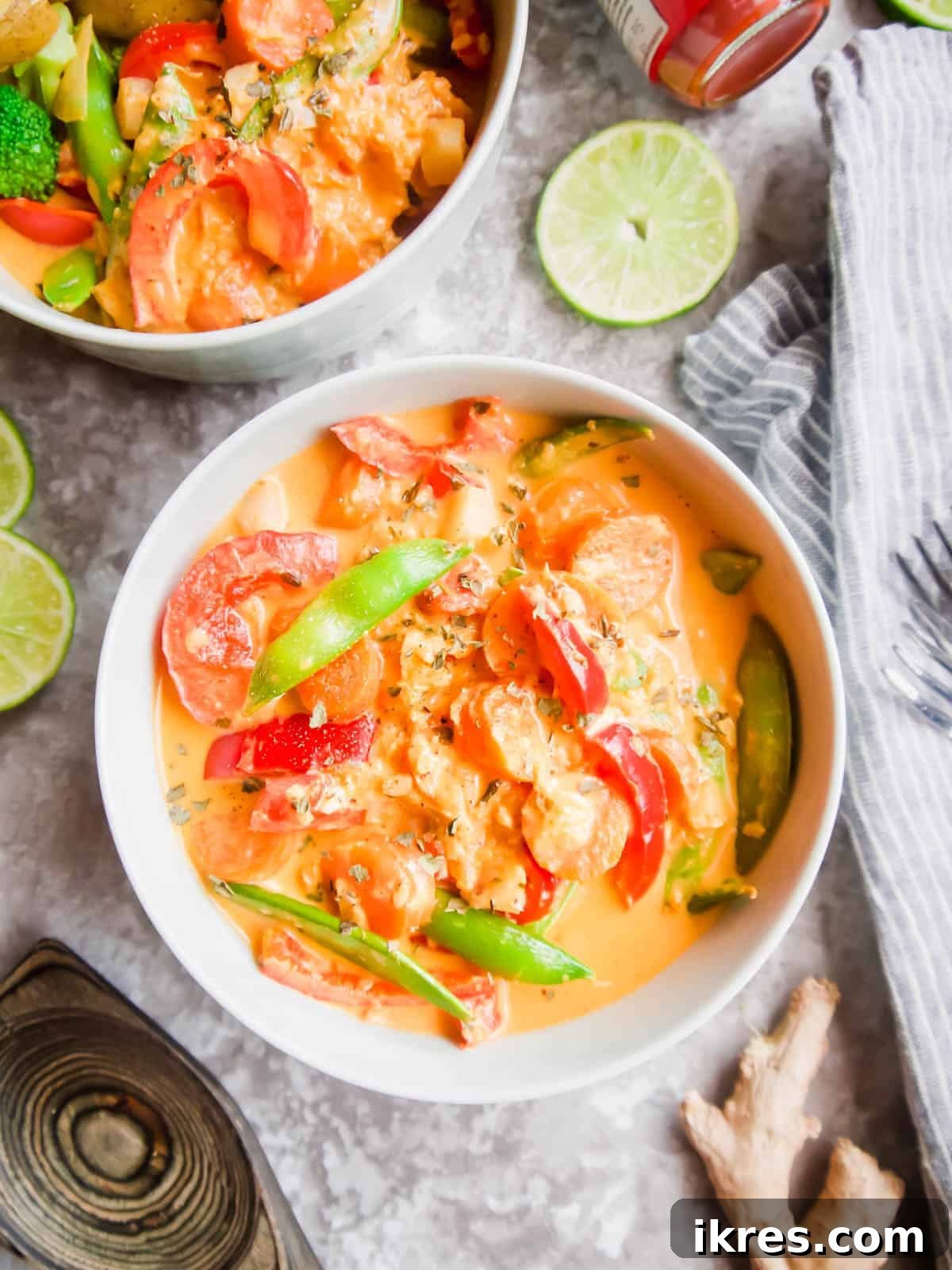
This easy Vegan Thai Red Curry is a healthy, vegetable-filled recipe featuring the most amazing creamy, savory, sweet, yet perfectly spicy coconut cream red curry sauce. This delightful dish is naturally vegetarian, Paleo-friendly, dairy-free, grain-free, and gluten-free, making it an excellent choice for a variety of dietary preferences.
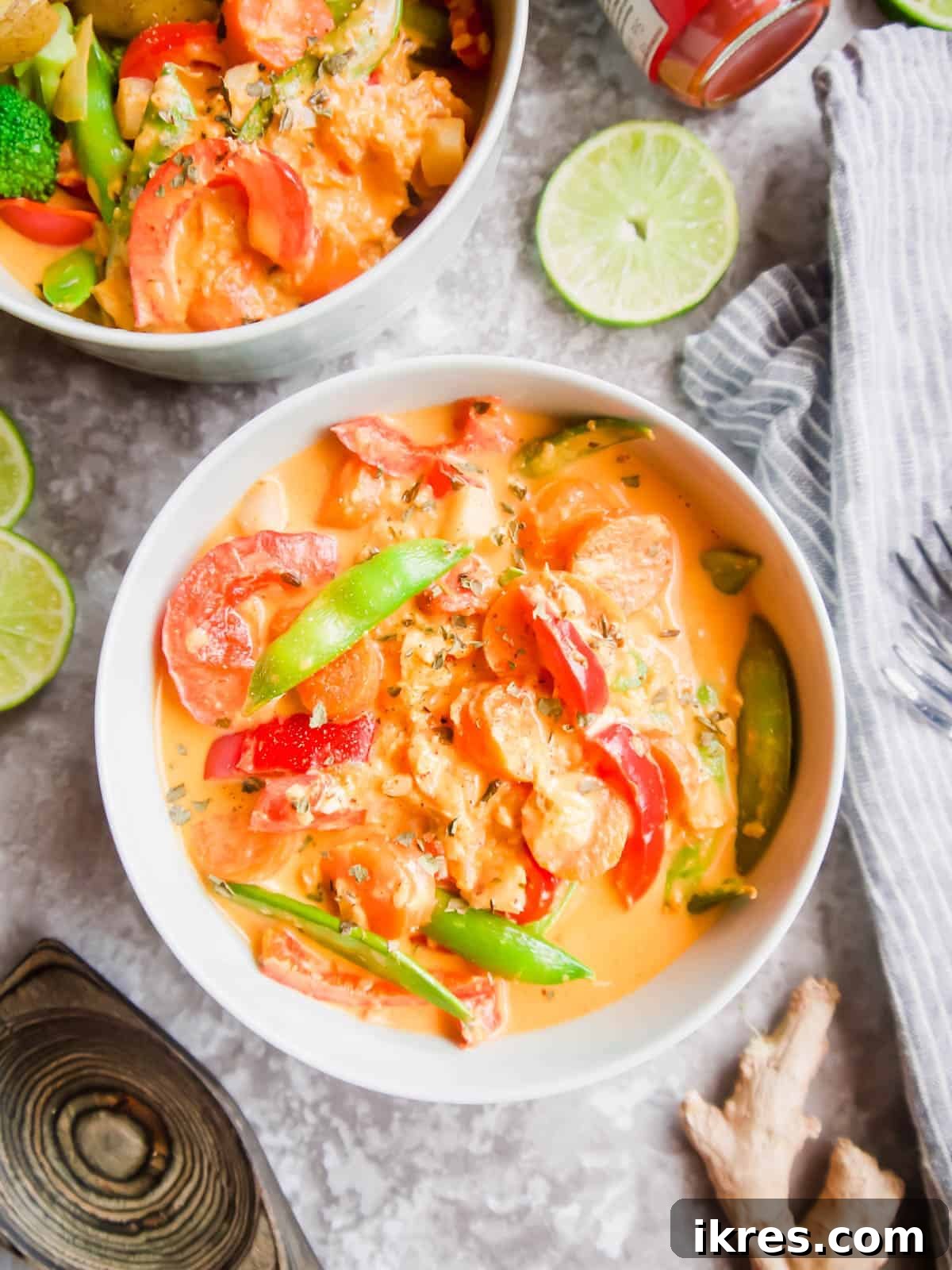
There’s an undeniable allure to authentic Thai red curry that captures hearts and taste buds from the very first spoonful. My deep appreciation for this exquisite cuisine began the day I first tried it, and my love for it has only grown stronger since I discovered how effortlessly it can be prepared in a home kitchen. This particular red curry recipe has quickly become my go-to for its exceptional flavor profile and its remarkable flexibility. It’s incredibly easy to adapt based on the fresh vegetables you have on hand, ensuring a consistently delicious meal every time.
The star of this dish, without a doubt, is its rich and captivating sauce. It’s so good that I often find myself wanting to savor every last drop. If you, like me, have a profound appreciation for sauces that truly make a dish sing, you might also enjoy my Creamy Brussels Sprouts Casserole or my Tastiest Paleo Paprika Garlic Shrimp. Both of these recipes feature truly outstanding sauces that are guaranteed to impress.
Table of Contents
- Why This Vegan Thai Red Curry is a Must-Try
- Key Ingredients for an Authentic Thai Flavor
- Customizing Your Thai Red Curry: Additions and Substitutions
- Whipping Up Your Perfect Thai Red Curry: A Step-by-Step Guide
- Expert Tips for the Ultimate Vegan Thai Red Curry
- Other Creamy Coconut Sauce Recipes You’ll Love
- Vegan Thai Red Curry (Paleo) Recipe Card
Why This Vegan Thai Red Curry is a Must-Try
In a world bustling with activity, finding a meal that is both incredibly delicious and genuinely healthy can often feel like a monumental task. This Vegan Thai Red Curry recipe effortlessly bridges that gap, bringing a gourmet, restaurant-quality experience right into your home kitchen. Here’s why this particular recipe is poised to become a staple in your meal rotation:
- A Healthier, More Flavorful Alternative to Takeout: Say goodbye to the common pitfalls of store-bought or restaurant takeout, which can often be loaded with excessive sodium, unhealthy oils, and hidden sugars. Our homemade version gives you complete control over every ingredient. By using fresh, wholesome produce and premium spices, you ensure a meal that is not only nutritionally superior but also boasts a vibrant, authentic flavor profile that often surpasses its commercial counterparts. You’ll truly taste the difference that quality ingredients and mindful preparation make.
- Unmatched Versatility for Any Palate: This recipe is a culinary chameleon, readily adapting to whatever fresh vegetables you have on hand or whatever protein you desire. While it’s deliciously packed with a colorful array of vegetables, don’t hesitate to experiment with additions like zucchini, mushrooms, spinach, or broccoli. For those seeking to add protein, it seamlessly accommodates pan-fried tofu, tempeh, or even chickpeas for a fully plant-based meal. If your dietary needs extend beyond veganism, chicken or shrimp can also be easily incorporated, making it a truly customizable dish for every single diner. This adaptability also makes it an excellent choice for efficient meal planning and minimizing food waste.
- A Truly Allergy-Friendly Delight: Navigating dietary restrictions and food allergies can often complicate meal preparation. This recipe simplifies that challenge beautifully. It is inherently dairy-free, gluten-free, soy-free (when using coconut aminos), and nut-free (depending on your choice of curry paste). This makes it a wonderfully inclusive option, ensuring that virtually everyone at your table can safely and joyfully partake in this flavorful experience, without concerns about common allergens.
- Quick, Easy, and Perfect for Weeknight Meals: Despite its rich, complex, and sophisticated flavor profile, this Thai red curry comes together with impressive speed. Requiring approximately just 10 minutes of active preparation and a mere 30 minutes of cooking time, you can have a hearty, satisfying, and exotic meal ready to serve in less than an hour. It’s the ultimate solution for those busy weeknights when you crave something deeply comforting and flavorful but simply don’t have hours to spend in the kitchen.
Key Ingredients for an Authentic Thai Flavor
The secret behind a truly exceptional Thai red curry lies in the careful selection and harmonious balance of its core ingredients. Each component plays a crucial role in building the rich, nuanced, and utterly delicious flavor profile that defines this dish. Here’s a closer look at what you’ll need to create this culinary masterpiece:
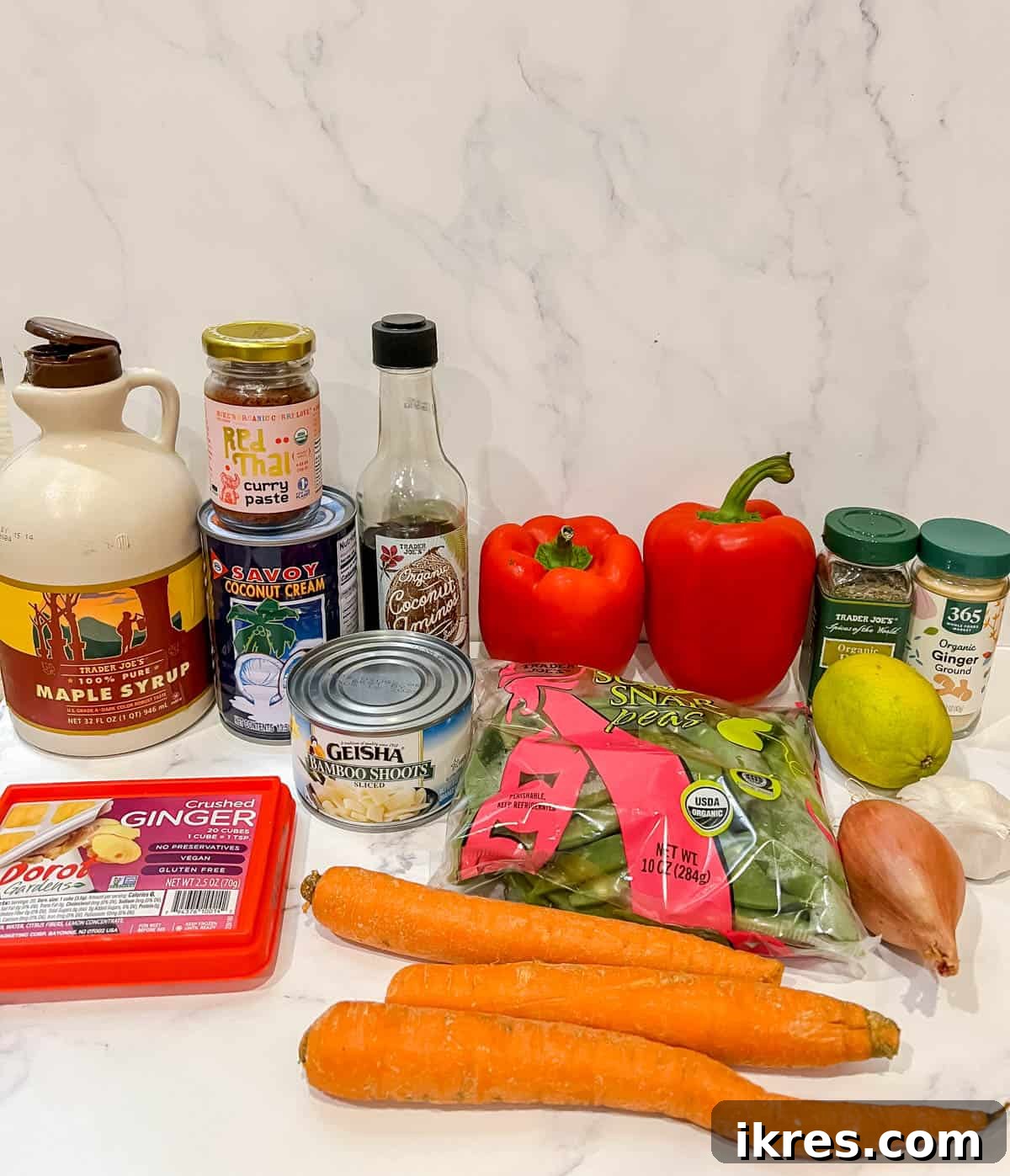
- Garlic and Onion (or Shallots): These foundational aromatics are indispensable. Sautéing them until they’re soft and fragrant creates a savory base, unlocking a depth of flavor that sets the stage for the entire curry. Shallots can be used for a slightly milder, sweeter essence.
- Carrots: Adding more than just a pop of vibrant orange, carrots contribute a subtle natural sweetness that balances the spice and offers a delightful, tender-crisp texture. Slicing them uniformly ensures they cook perfectly alongside other vegetables.
- Bell Peppers: I highly recommend using red bell peppers for their inherent sweetness, which wonderfully complements the savory and spicy elements of the curry. Yellow or orange peppers are also excellent choices. While green bell peppers can be used, their slightly more bitter and earthy notes can alter the curry’s overall taste profile.
- Red Curry Paste: This is the undeniable heart and soul of your Thai red curry. It provides the dish’s signature warmth, heat, and complex aromatic spices. Investing in a good quality curry paste is paramount. Ensure it’s vegan-friendly (check for shrimp paste) and free from undesirable additives. Thai Kitchen red curry paste is a commonly available brand that meets Paleo, Vegan, Gluten-free, and non-GMO criteria.
- Fresh Ginger: Essential for its bright, zesty, and slightly pungent flavor, fresh ginger adds a layer of depth that cannot be replicated. While grating fresh ginger is ideal, frozen crushed ginger can be a convenient time-saver, offering comparable flavor and aroma.
- Coconut Cream: Crucial for achieving the luxurious, thick, and velvety texture of an authentic Thai curry sauce. Coconut cream is thicker and richer than coconut milk, yielding a more indulgent result. Always opt for a high-quality canned coconut cream without unnecessary preservatives. Savoy coconut cream is often a preferred choice for its purity and quality.
- Lime Juice: Freshly squeezed lime juice is a non-negotiable ingredient, providing a critical burst of bright acidity. This acidity cuts through the richness of the coconut cream and perfectly balances the sweet and spicy notes, elevating the entire flavor profile.
- Maple Syrup: To harmonize the heat from the curry paste and the tanginess of the lime, a touch of natural sweetness is vital. Maple syrup offers this balance beautifully while keeping the recipe strictly vegan. Always select pure maple syrup, free from high-fructose corn syrup or artificial additives.
- Dried Basil: This aromatic herb contributes a subtly peppery, slightly sweet, and fragrant undertone that integrates seamlessly with the other traditional Thai flavors. While fresh basil is excellent for garnishing, dried basil delivers consistent flavor when cooked into the sauce.
- Ground Ginger: Used in conjunction with fresh ginger, ground ginger intensifies the warm, spicy notes and adds an extra layer of complexity to the sauce, contributing to its overall “oomph.”
- Coconut Aminos: This fantastic soy-free alternative to traditional soy sauce imparts a rich, savory umami depth without the gluten or soy, making it perfect for Paleo and whole food diets. If soy is not a concern, tamari or a high-quality soy sauce can be used.
- Bamboo Shoots: Canned bamboo shoots are a wonderful addition, bringing a unique, slightly earthy flavor and a satisfyingly crisp texture that contrasts beautifully with the creamy sauce and softer vegetables.
- Snap Peas: Added towards the end of the cooking process, fresh snap peas retain their vibrant green color and crisp-sweet texture, providing a delightful burst of freshness and a pleasant crunch with every bite.
Customizing Your Thai Red Curry: Additions and Substitutions
One of the most appealing aspects of this Vegan Thai Red Curry is its incredible versatility. The recipe provides a solid framework, but it truly invites you to unleash your culinary creativity. Feel free to adapt it to your preferences, dietary needs, or simply to utilize ingredients you already have on hand. Here are some fantastic ways to customize your curry:
- Coconut Cream versus Coconut Milk: While coconut cream is recommended for its luxurious, thick consistency, full-fat coconut milk can be an excellent substitute. Your sauce will be slightly thinner, but still wonderfully flavorful. If you’re conscious of calories, light coconut milk is also an option, though it will yield an even lighter sauce.
- Sweetener Alternatives: Maple syrup provides a delicate, natural sweetness and keeps the dish strictly vegan. For those who do not require a vegan meal, an equal amount of honey can be used, offering a slightly different but equally pleasant sweet note. Always prioritize pure, unprocessed sweeteners for the best flavor and health benefits.
- Power-Up with Your Favorite Protein: To make this curry even more satisfying and substantial, consider incorporating your preferred protein source:
- For Vegan Options: Firm or extra-firm tofu, pressed and cubed, can be pan-fried separately until golden brown and then gently folded into the sauce. Chickpeas or tempeh are also superb plant-based choices, readily absorbing the rich curry flavors.
- For Non-Vegan Options: Cubed chicken breast or tender shrimp can be cooked directly in the simmering sauce until done. Alternatively, you can cook your protein separately and add it to individual bowls upon serving, which helps maintain its texture. Just remember, adding non-plant-based proteins will mean the recipe is no longer vegan.
- Expand Your Vegetable Medley: This curry is incredibly welcoming to a wide variety of vegetables. Incorporate them during the cooking process based on their density, adding harder vegetables earlier and softer ones later:
- Crunchy Additions: Baby corn or water chestnuts can add a unique texture and subtle sweetness.
- Leafy Greens: Stir in fresh spinach, kale, or bok choy at the very end until just wilted for a boost of nutrients.
- Hardier Vegetables: Broccoli florets, chopped cabbage, or green beans can be added with the carrots and bell peppers.
- Earthy Notes: Sliced mushrooms (cremini or shiitake) add a wonderful umami depth.
- Diverse Serving Suggestions: While undeniably delicious on its own, this curry truly shines when served with a complementary base:
- Traditional Rice: Fluffy jasmine or brown rice is a classic pairing, perfect for soaking up every drop of the luscious sauce.
- Low-Carb Options: For a Paleo or lower-carb meal, consider serving it over perfectly steamed cauliflower rice or even spiralized zucchini noodles.
- Hearty Sides: Roasted sweet potatoes or regular potatoes can add a comforting and filling dimension to your meal.
- Noodle Bowls: Thin rice vermicelli noodles or flat rice noodles offer a delightful alternative to rice, transforming your curry into a Thai-inspired noodle bowl.
Whipping Up Your Perfect Thai Red Curry: A Step-by-Step Guide
Crafting this flavorful Vegan Thai Red Curry is a straightforward and rewarding process. The key lies in layering your aromatics and spices to build a rich, harmonious sauce. Follow these detailed steps to create a truly perfect and satisfying meal:
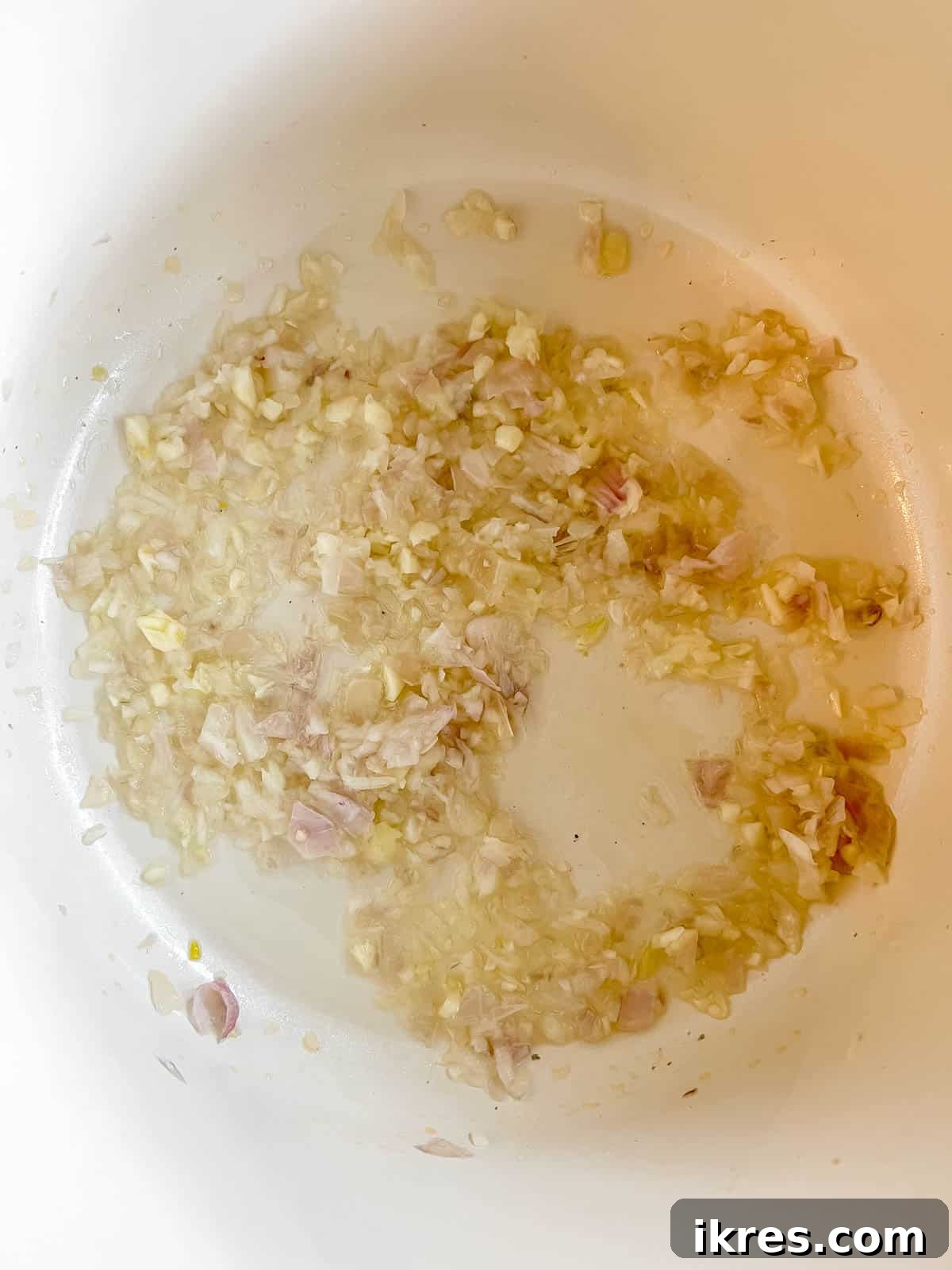
Step 1: Build Your Aromatic Base. Begin by heating 1 tablespoon of olive oil in a large saucepan or a Dutch oven over medium-high heat. Add the minced garlic and chopped onion (or shallot) to the hot oil. Sauté, stirring frequently, for about 2-3 minutes until they become wonderfully fragrant and have softened slightly. This initial step is crucial for establishing a deep flavor foundation for your curry. Once fragrant, reduce the heat to medium to prepare for the next additions.
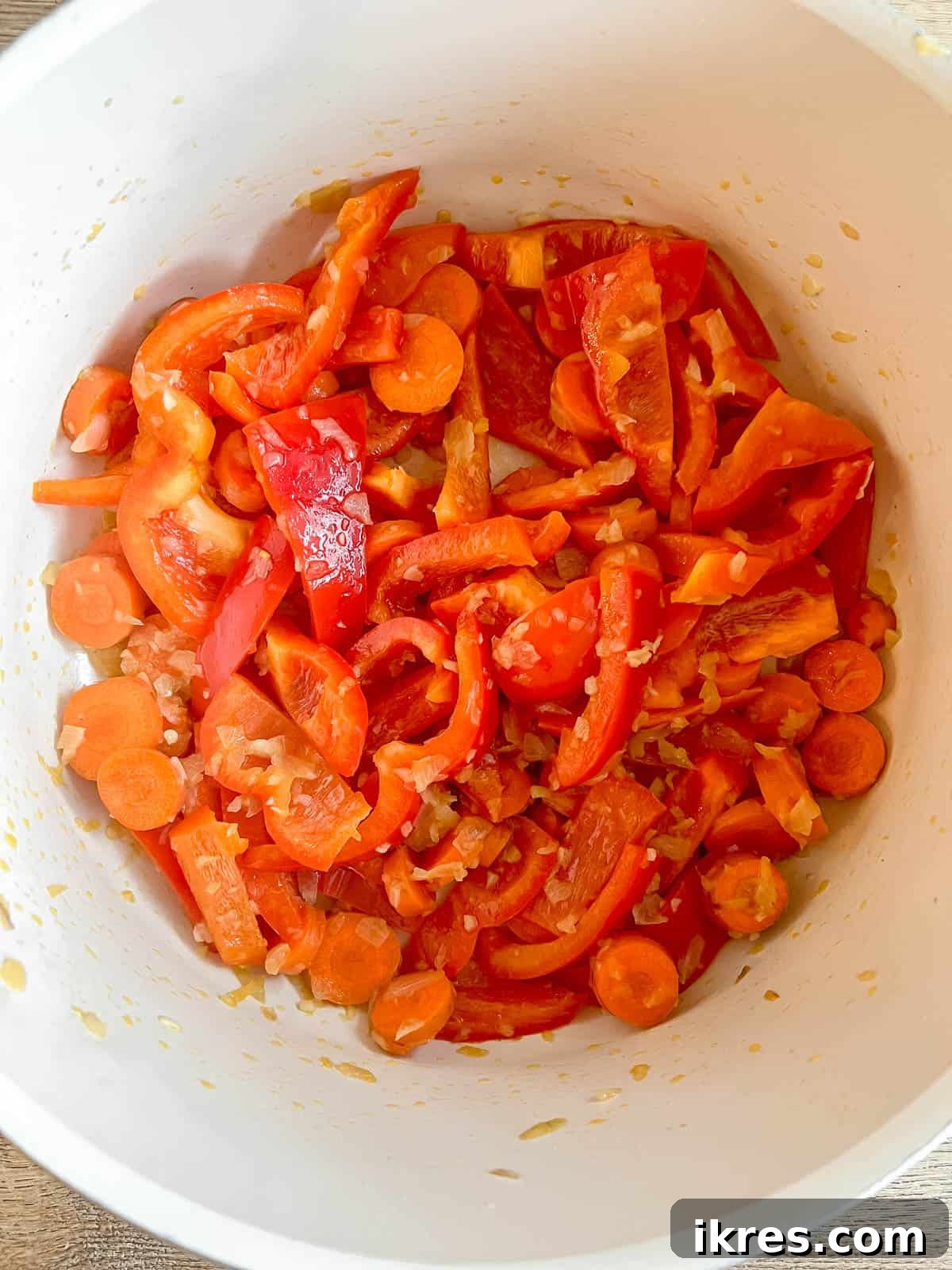
Step 2: Introduce the Hearty Vegetables. With the heat now at medium, add the sliced carrots and red bell peppers to the pan with the softened aromatics. Continue to cook for approximately 5-6 minutes, stirring occasionally. The goal here is to allow the vegetables to begin softening, but still retain a pleasant tender-crisp texture, ensuring they aren’t overcooked in the final dish.
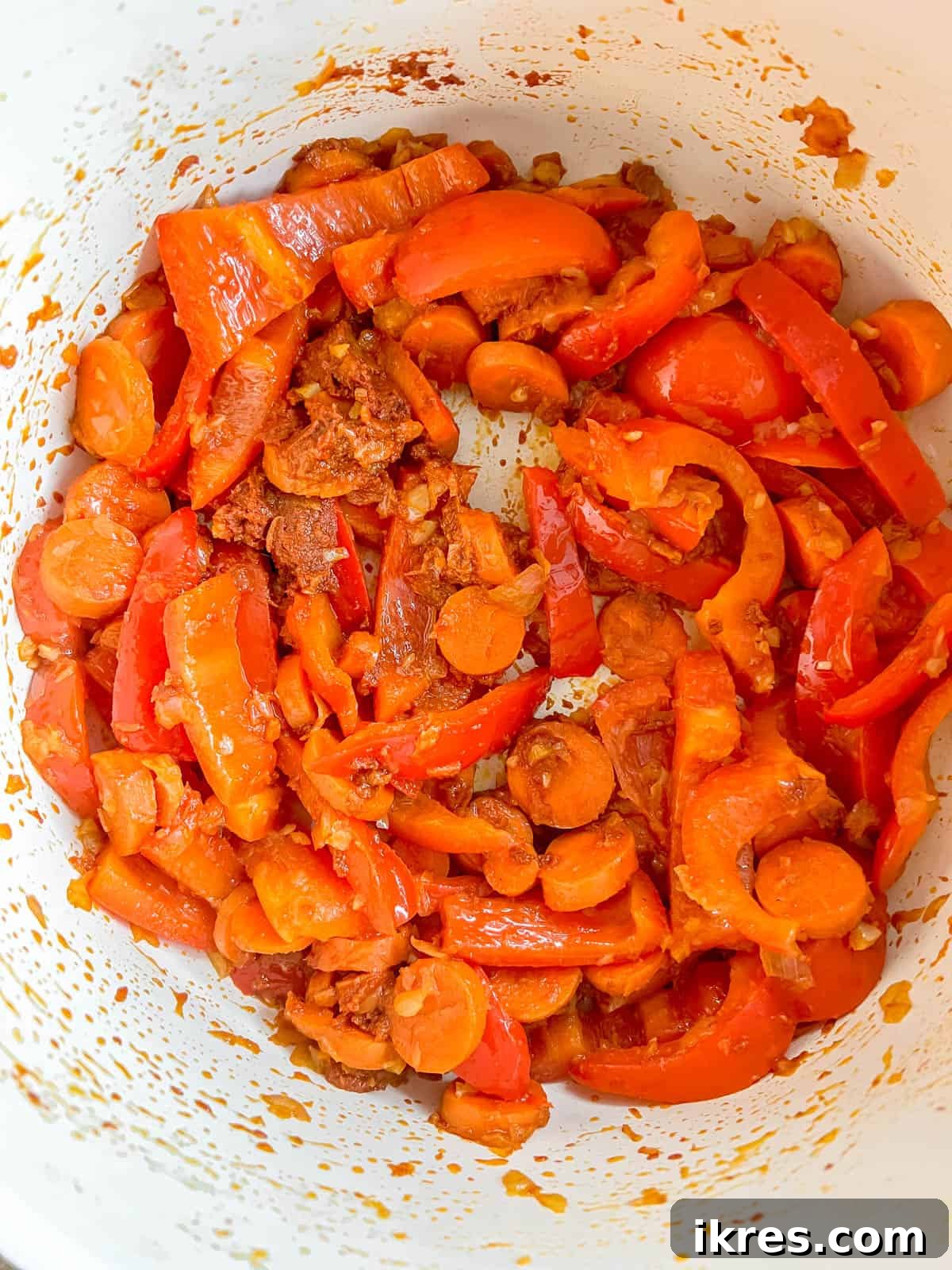
Step 3: Infuse with Curry Paste and Ginger. Add the red curry paste and the freshly grated ginger to the pan with the vegetables. Stir continuously for about 1 minute, allowing the curry paste to lightly toast and release its full spectrum of aromatic spices. This step is crucial for deepening the curry’s overall flavor profile. Afterwards, pour in the entire can of coconut cream and stir until the curry paste is fully dissolved, forming a smooth and creamy base.
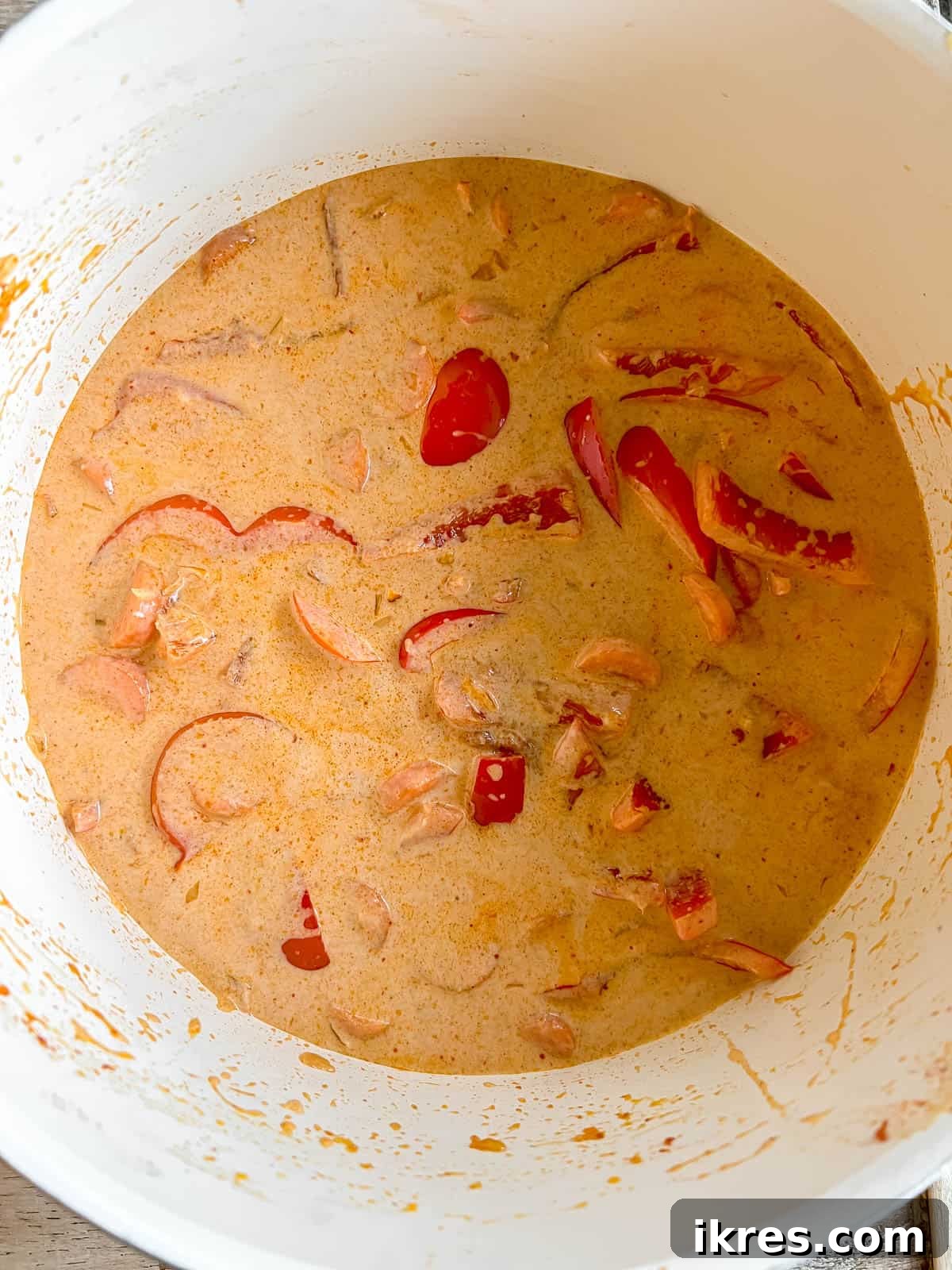
Step 4: Create the Creamy Sauce Base. Once the curry paste and ginger are fragrant, pour in the entire can of rich coconut cream. Stir thoroughly and continuously, ensuring that the vibrant red curry paste is completely dissolved and smoothly incorporated into the coconut cream. This creates the wonderfully creamy and luxurious base that is characteristic of an authentic Thai red curry.
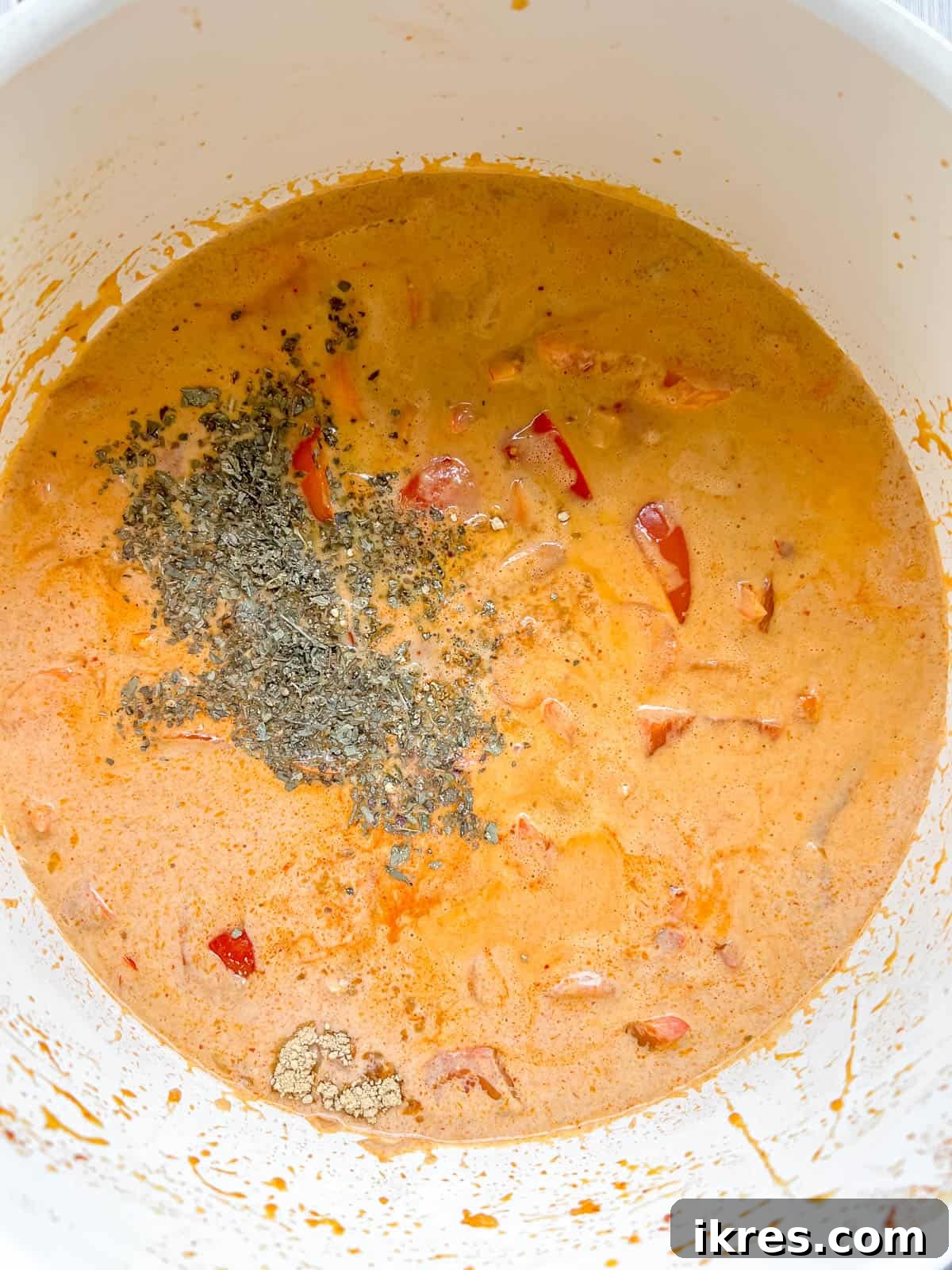
Step 5: Season and Simmer for Depth. Now it’s time to fine-tune the flavor profile. Add the freshly squeezed lime juice, maple syrup, water, salt, dried basil, ground ginger, and coconut aminos to the pan. Stir all the ingredients together exceptionally well to ensure every flavor is thoroughly combined. Bring the entire mixture to a gentle simmer, allowing the liquid to slowly bubble and infuse all the ingredients with its rich aroma.
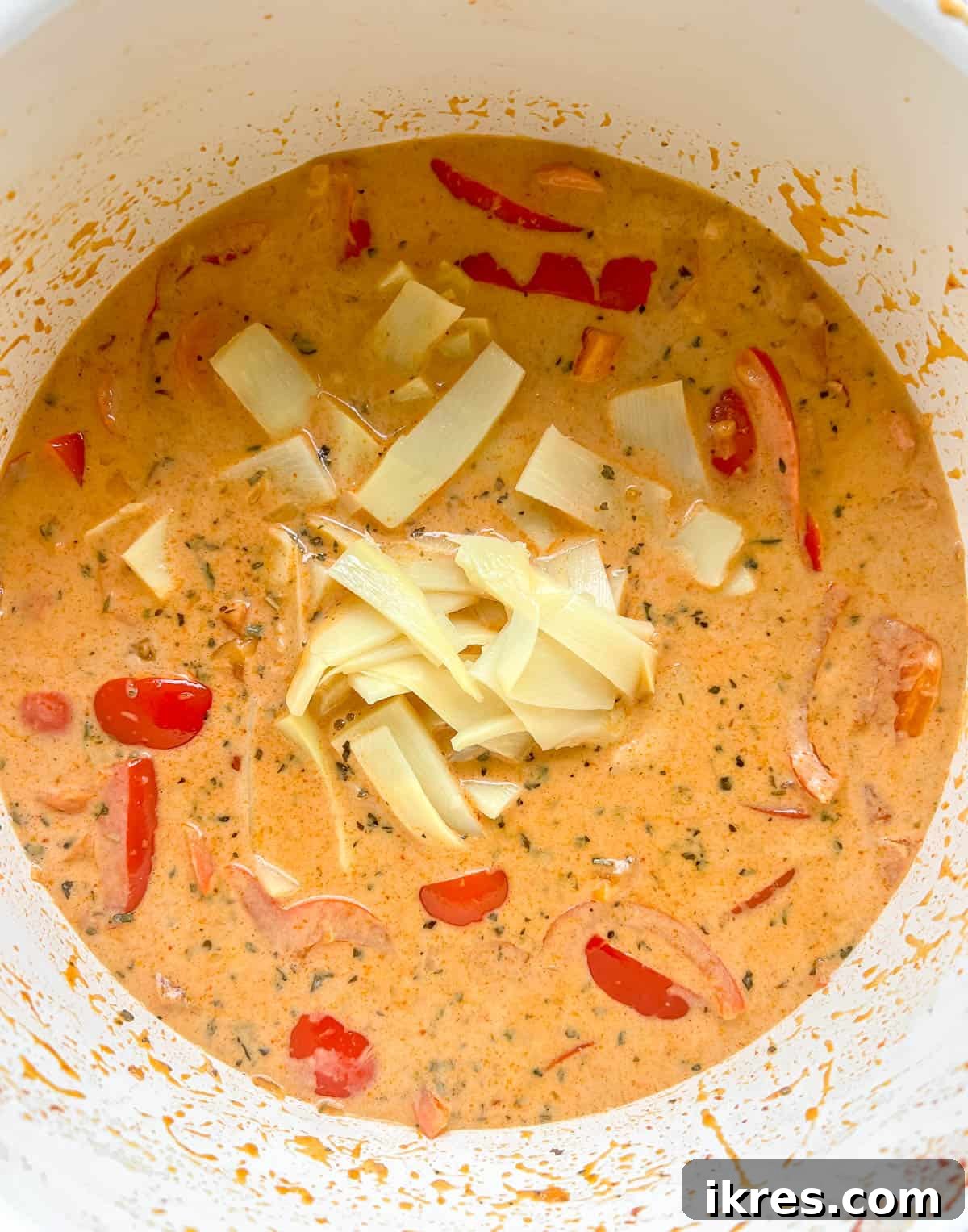
Step 6: Incorporate Bamboo Shoots and Continue Simmering. Add the canned bamboo shoots to the gently simmering curry. Continue to cook for another 10 minutes, maintaining a soft bubble. This dedicated simmering time is crucial, as it allows all the intricate flavors to meld beautifully, deepen, and enables the sauce to thicken slightly to a perfect consistency, while the bamboo shoots absorb the rich curry essence.
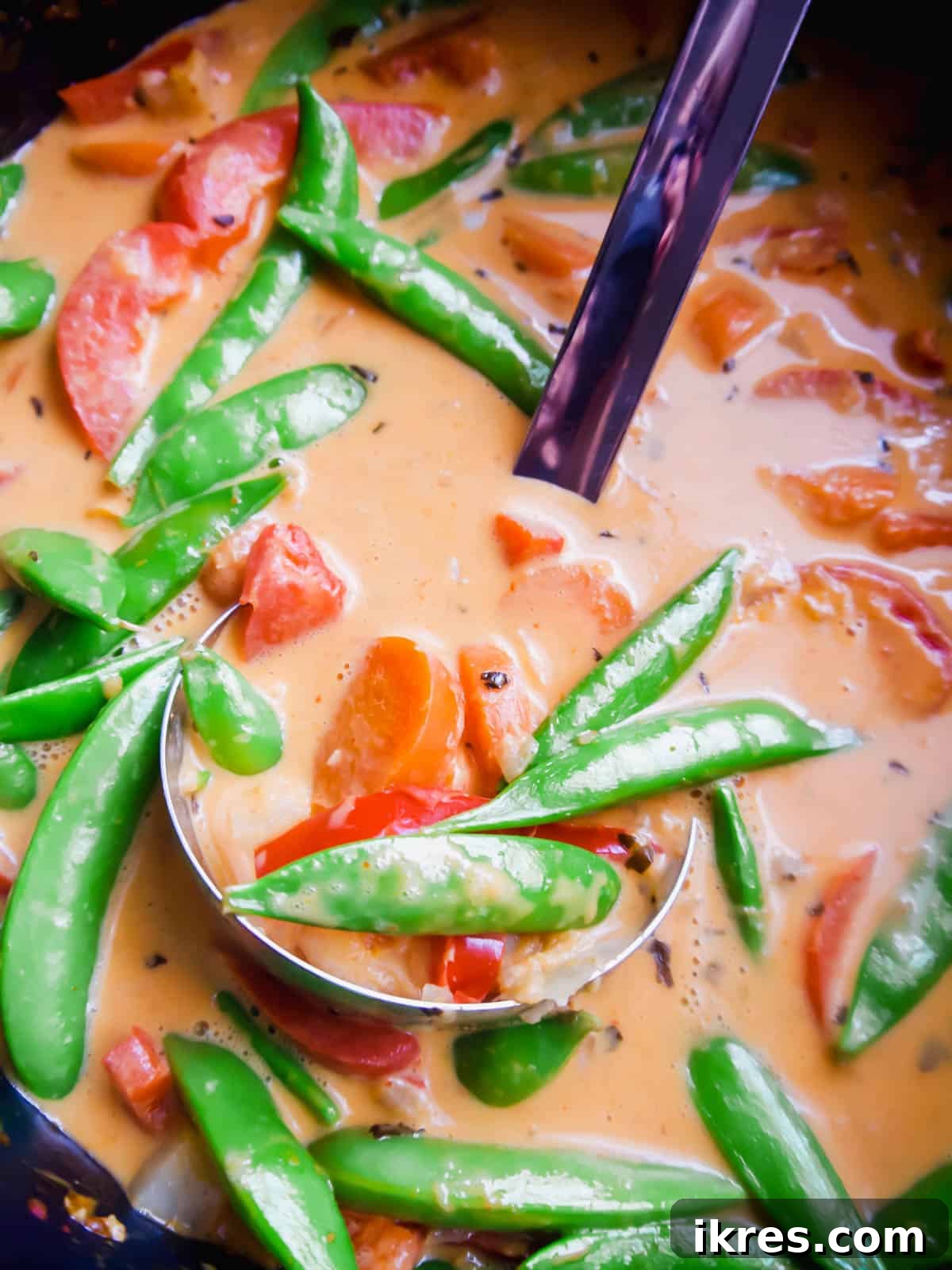
Step 7: Finish with Freshness and Serve. As the curry approaches completion, add the fresh snap peas to the pan. Cook for an additional 5-10 minutes, or until the snap peas are tender-crisp and display a vibrant green color. This short cooking time ensures they retain their delightful texture and freshness. Taste the curry and adjust any seasonings as necessary – perhaps a little more lime, salt, or maple syrup to achieve your perfect balance. Serve hot and enjoy!
Expert Tips for the Ultimate Vegan Thai Red Curry
Transform your homemade Vegan Thai Red Curry from simply delicious to truly extraordinary with these expert tips and tricks:
- Mastering the Spice Level: Thai red curry is known for its invigorating heat. If you adore a fiery kick, feel free to add a pinch of red pepper flakes along with the other spices in Step 5. Start with about ¼ teaspoon and gradually increase to match your preferred intensity. Conversely, for a milder curry, simply reduce the amount of red curry paste you use initially. Remember, it’s always easier to add more heat than to take it away!
- Perfect Serving Suggestions for a Complete Meal:
- Classic Bases: This rich and flavorful curry pairs perfectly with fluffy jasmine rice or wholesome brown rice, which expertly soak up every drop of the delectable sauce.
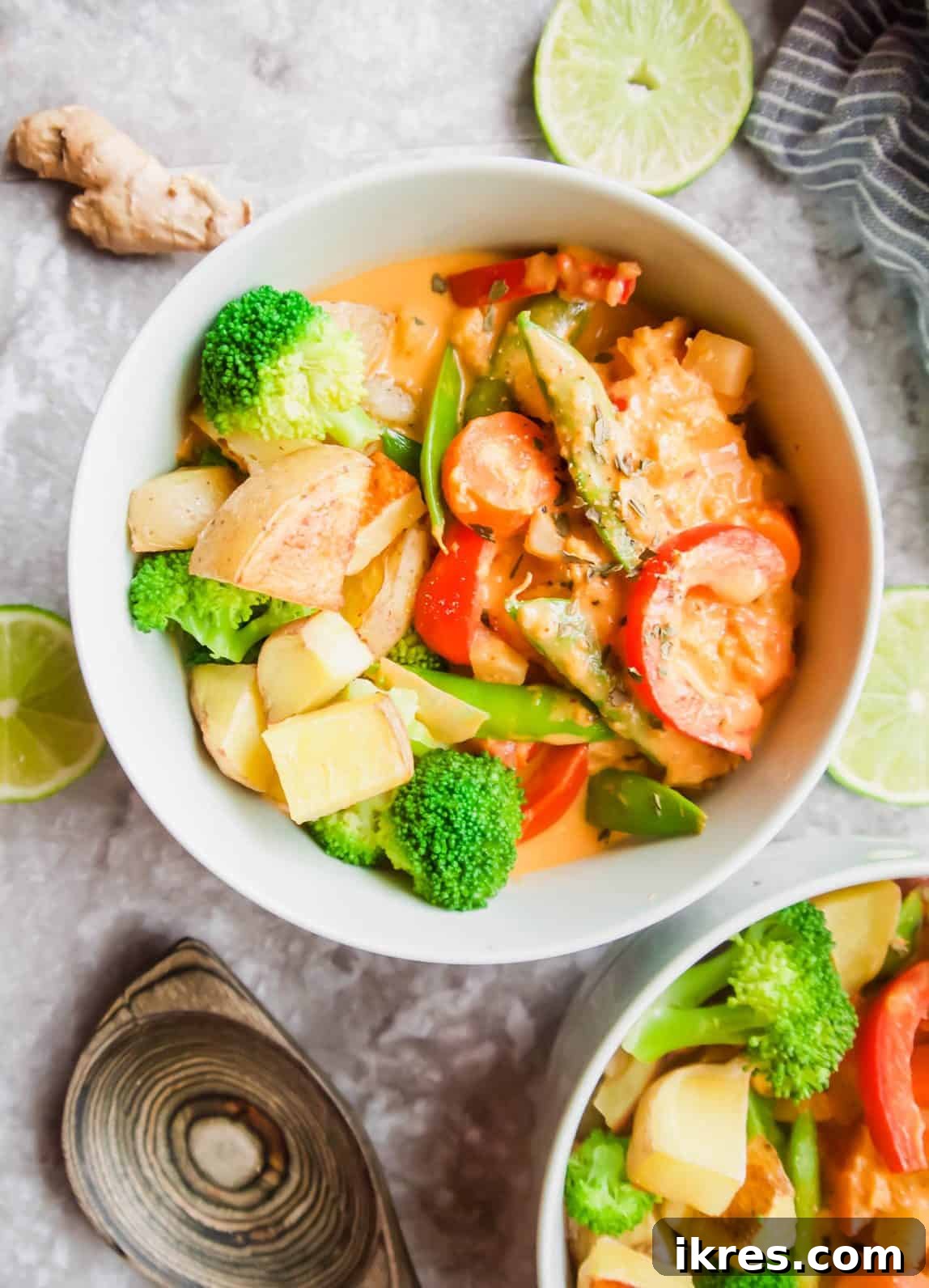
- Dietary Alternatives: For a Paleo-friendly or lower-carb option, serving it over a bed of cauliflower rice is an excellent choice. Roasted sweet potatoes or regular potatoes also make a comforting and hearty accompaniment, adding a satisfying earthiness.
- Protein Integration: If you’ve chosen to include a protein like pan-fried tofu, grilled chicken (for non-vegans), or sautéed shrimp, consider cooking it separately. Then, add it to individual serving bowls just before serving. This method helps maintain the protein’s optimal texture and prevents it from overcooking.
- Garnishes for Flavor and Flair: Elevate your presentation and flavor with simple garnishes. A generous sprinkle of fresh cilantro, a wedge of lime for an extra squeeze of brightness, or a scattering of crushed roasted peanuts (ensure to omit for nut-free diets) can add both visual appeal and a wonderful layer of contrasting texture and aroma.
- Storage and Effortless Reheating:
- Refrigeration: Any leftover curry can be stored in an airtight container and refrigerated for up to 4-5 days. Often, the flavors of the curry deepen and meld even further overnight, making it taste even more delicious the next day!
- Freezing: This curry freezes exceptionally well, making it ideal for meal prep. Allow the curry to cool completely to room temperature before transferring it to a freezer-safe container. It can be safely frozen for up to 2-3 months. When ready to enjoy, thaw it overnight in the refrigerator before gently reheating on the stovetop. You may need to add a splash of water or additional coconut milk to restore its perfect consistency.
- Reheating Best Practices: For reheating, gently warm the curry on the stovetop over medium-low heat, stirring occasionally, until it’s heated through. Avoid boiling vigorously, as this can sometimes cause coconut milk or cream to separate, affecting the sauce’s smooth texture.
- Achieving the Ideal Sauce Consistency: The perfect curry sauce is a balance of richness and pourability. If you find your curry sauce to be too thick after simmering, simply thin it out to your desired consistency by stirring in a little vegetable broth, water, or additional coconut milk. Conversely, if the sauce appears too thin, allow it to simmer uncovered for an additional few minutes, enabling it to reduce and thicken naturally.
Other Creamy Coconut Sauce Recipes You’ll Love
If the rich, dairy-free lusciousness of coconut cream sauce has captured your heart with this Thai Red Curry, then you’re in for a treat with these other delightful recipes! They brilliantly showcase the incredible versatility and velvety texture that coconut cream brings to a wide array of dishes, extending far beyond the realm of curries. Explore these other mouth-watering creations that celebrate the magic of creamy coconut goodness:
Did you try this recipe? Please leave me a ⭐ review below!
⭐
⭐
⭐
⭐
Vegan Thai Red Curry (Paleo)
Dominique
4
people
10
30
40
Share by Email
Print Recipe

Ingredients
- 1 Tbs olive oil
- 3/4 cup chopped onion (approx. ½ of an onion)
- 4 cloves garlic, minced
- 3 large carrots, peeled and sliced
- 2 red bell peppers, sliced into thin 2-inch long strips
- 3 Tbs red curry paste (“Thai Kitchen” brand is Paleo, Vegan and Gluten-free)
- 1 Tbs freshly grated ginger
- 1 (14 ounce) can of coconut cream (without preservatives, Savoy brand is great)
- 2 Tbs lime juice
- 3 Tbs maple syrup
- ½ cup water
- 1 tsp salt
- 1 tsp dried basil
- ¼ tsp ground ginger
- 1 Tbs coconut aminos
- 1 (8 ounce) can of bamboo shoots
- 1 ½ cups snap peas
Instructions
-
Heat 1 tablespoon of olive oil in a large saucepan over medium-high heat. Add the minced garlic and chopped onion and cook for 2-3 minutes until fragrant. Reduce heat to medium.
-
Add the sliced carrots and red bell peppers to the pan and cook for 5-6 minutes until slightly tender-crisp.
-
Stir in the red curry paste and freshly grated ginger, mixing well for about 1 minute. Then, add the coconut cream and mix until smooth.
-
Next, add the lime juice, maple syrup, water, salt, dried basil, ground ginger, and coconut aminos. Mix thoroughly. Add the bamboo shoots and allow the mixture to gently bubble for 10 minutes, letting the flavors meld.
-
Finally, add the 1 ½ cups of snap peas and cook for another 5-10 minutes, or until the snap peas are tender-crisp. Serve hot and enjoy!
Notes
- Coconut Cream Substitute: You can use full-fat coconut milk instead of coconut cream for a slightly thinner sauce.
- Sweetener Substitute: For a non-vegan option, honey can be used in place of maple syrup.
- Add Protein: Chicken, tofu, tempeh, or chickpeas can be added. Cook chicken separately or directly in the sauce. Note that adding chicken makes the recipe non-vegan.
- More Vegetables: Feel free to include baby corn, water chestnuts, broccoli, cabbage, mushrooms, or spinach while the curry is cooking.
- Serving Options: Serve with a side of steamed rice, cauliflower rice, or roasted potatoes for a complete meal.
Nutrition
Carbohydrates: 27g
Protein: 3g
Fat: 5g
Saturated Fat: 1g
Polyunsaturated Fat: 1g
Monounsaturated Fat: 3g
Sodium: 603mg
Potassium: 472mg
Fiber: 5g
Sugar: 17g
Vitamin A: 11691IU
Vitamin C: 107mg
Calcium: 102mg
Iron: 3mg
Nutrition information is automatically calculated, so should only be used as an approximation.
Additional Info
Main Course
Asian, Thai
Tried this recipe?
Mention @perchancetocook or tag #perchancetocook!