
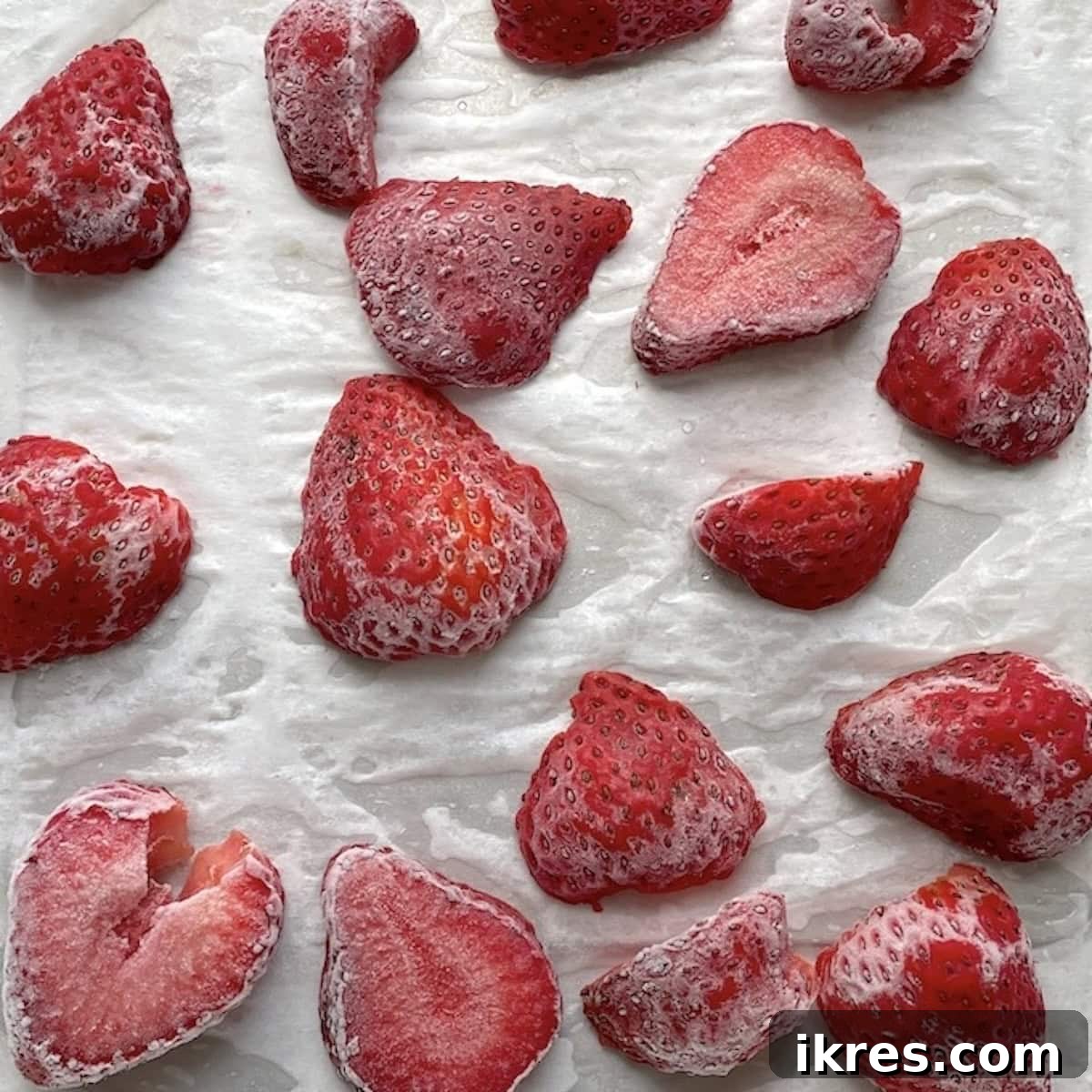
Fresh fruit smoothies and homemade jam are among life’s simplest pleasures, and with a convenient stash of frozen strawberries, you can savor the vibrant taste of summer any time of the year. This guide empowers you to capture peak seasonality and enjoy these versatile berries in countless culinary creations.
Just like other essential frozen fruits such as frozen bananas, frozen blueberries, and frozen raspberries, strawberries are an incredibly adaptable ingredient. Whether you’re blending them into a refreshing morning smoothie, simmering them into a luscious homemade jam to spread on a warm biscuit, or incorporating them into a delightful dessert, knowing how to freeze strawberries properly is a game-changer for any home cook.
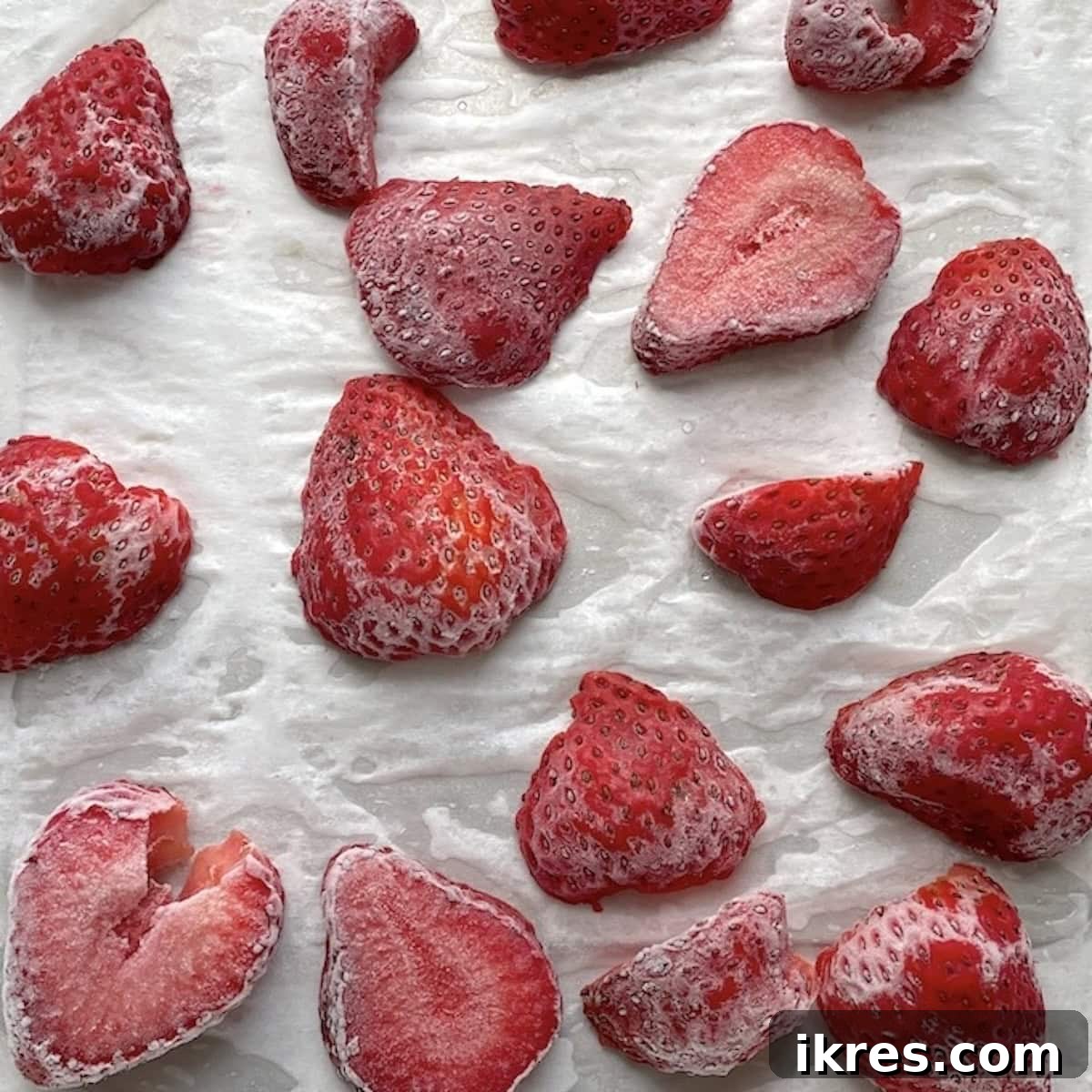
This comprehensive guide will walk you through every step of freezing strawberries, ensuring they maintain their flavor and texture, making them perfect for both smoothies and jam. Say goodbye to sad, out-of-season berries and hello to delicious, frozen strawberry goodness!
Why Freeze Strawberries? Unlocking Year-Round Flavor and Convenience
Freezing strawberries isn’t just about extending their shelf life; it’s about harnessing a host of benefits that make them a pantry staple:
- Seasonal Availability & Cost Savings: Strawberries are at their peak sweetness and most affordable during their growing season. Freezing them when they’re plentiful allows you to enjoy that peak flavor and nutrition year-round, often at a fraction of the cost of buying them fresh in winter.
- Nutrition Preservation: Freezing locks in the vitamins, antioxidants, and fiber found in fresh strawberries. They retain much of their nutritional value, making them a healthy addition to your diet even months after harvest.
- Convenience for Quick Meals & Snacks: Having pre-prepped frozen strawberries ready to go simplifies meal preparation. Toss them directly into a blender for instant smoothies, or add them to oatmeal, yogurt, or desserts without needing to wash and chop fresh berries.
- Versatility in Recipes: Frozen strawberries are incredibly versatile. They are perfect for smoothies, desserts, sauces, pie fillings, and, of course, homemade jams. Their slightly softened texture after thawing can even be an advantage in certain cooked applications.
- Reducing Food Waste: If you find yourself with an abundance of fresh strawberries nearing their prime, freezing them is an excellent way to prevent them from going bad, ensuring no delicious berry goes to waste.
Selecting the Perfect Strawberries for Freezing
The quality of your frozen strawberries starts with the quality of your fresh ones. Choosing the right berries is crucial for optimal flavor and texture once frozen.
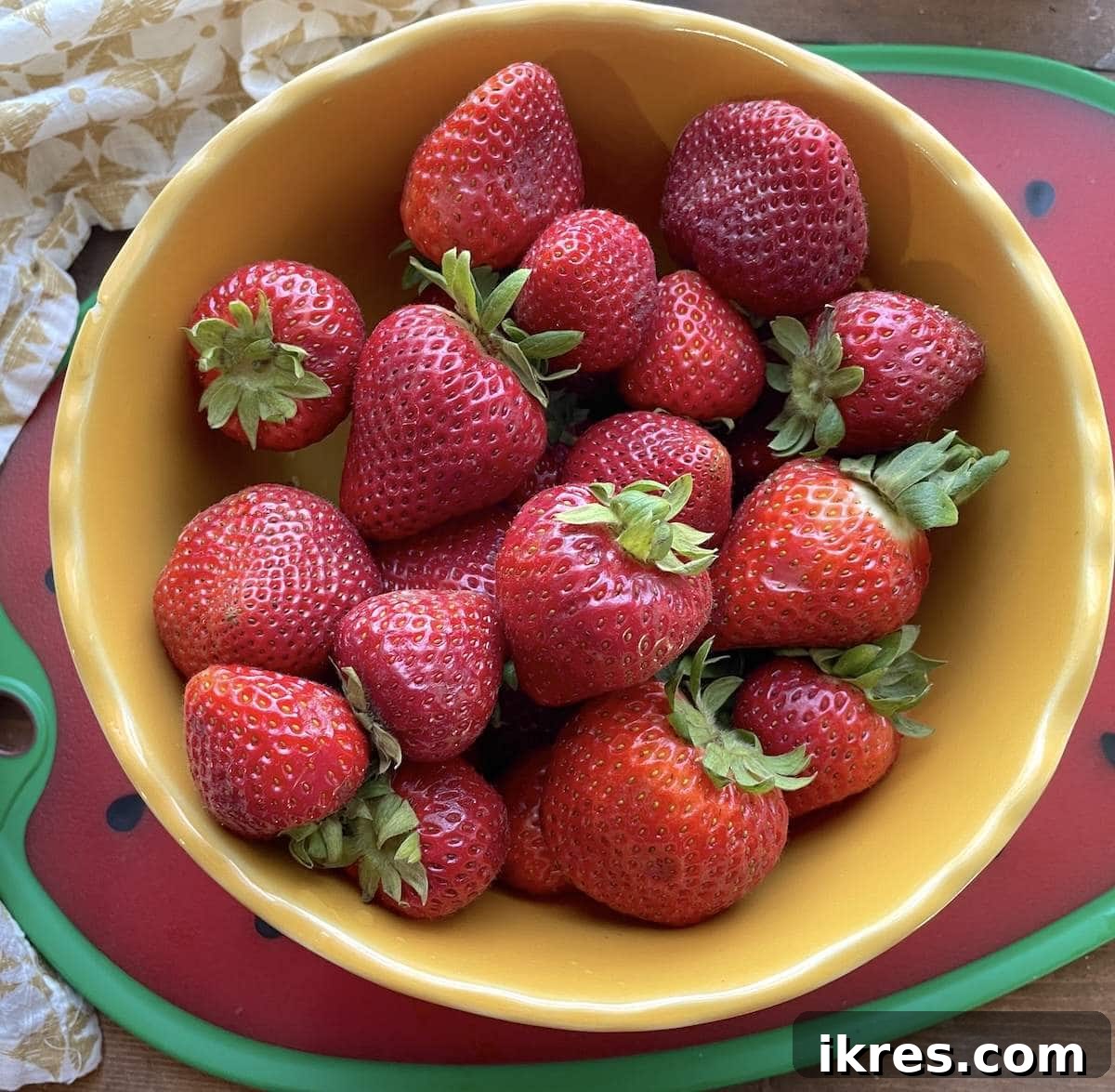
Ripe for Success: What to Look For
When selecting strawberries for freezing, prioritize ripeness and freshness. Look for berries that are:
- Firm and Plump: They should feel firm to the touch, indicating good moisture content and ripeness.
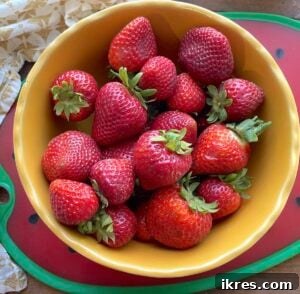
- Fully Red: A vibrant, uniform red color across the entire berry signifies full ripeness and maximum sweetness. Avoid berries with pale or white spots, as they may not ripen further once picked.
- Fragrant: Ripe strawberries have a distinct, sweet aroma. A strong, pleasant smell is often a good indicator of excellent flavor.
- Intact Green Caps: The small green leaves (calyx) should be fresh, green, and attached, indicating recent harvest.
What to Avoid
Steer clear of strawberries that show any of these signs:
- Mushy or Soft Spots: These are indicators of overripeness or damage, which can lead to poor texture and flavor after freezing.
- Mold or Discoloration: Any signs of mold, bruising, or dark spots mean the berries are past their prime and should not be frozen.
- Dull Appearance: Berries lacking a natural sheen may be old or dehydrated.
- Green or White Patches: These indicate underripe berries, which will not develop full sweetness or flavor in the freezer.
The best time to freeze strawberries is shortly after purchasing them from a farmer’s market or grocery store, or immediately after harvesting them from your garden, to capture their peak freshness and flavor.
Essential Preparation Steps for Freezing Strawberries
Proper preparation is key to ensuring your frozen strawberries are delicious and ready for use. These steps help maintain hygiene and prevent ice crystals and freezer burn.
Thorough Washing and Cleaning
Before freezing, it’s essential to clean your strawberries thoroughly to remove any dirt, pesticides, or lingering debris.
- Gentle Rinse: Start by gently rinsing the strawberries under cool, running water. Avoid soaking them for too long initially, as they can absorb water and become mushy.
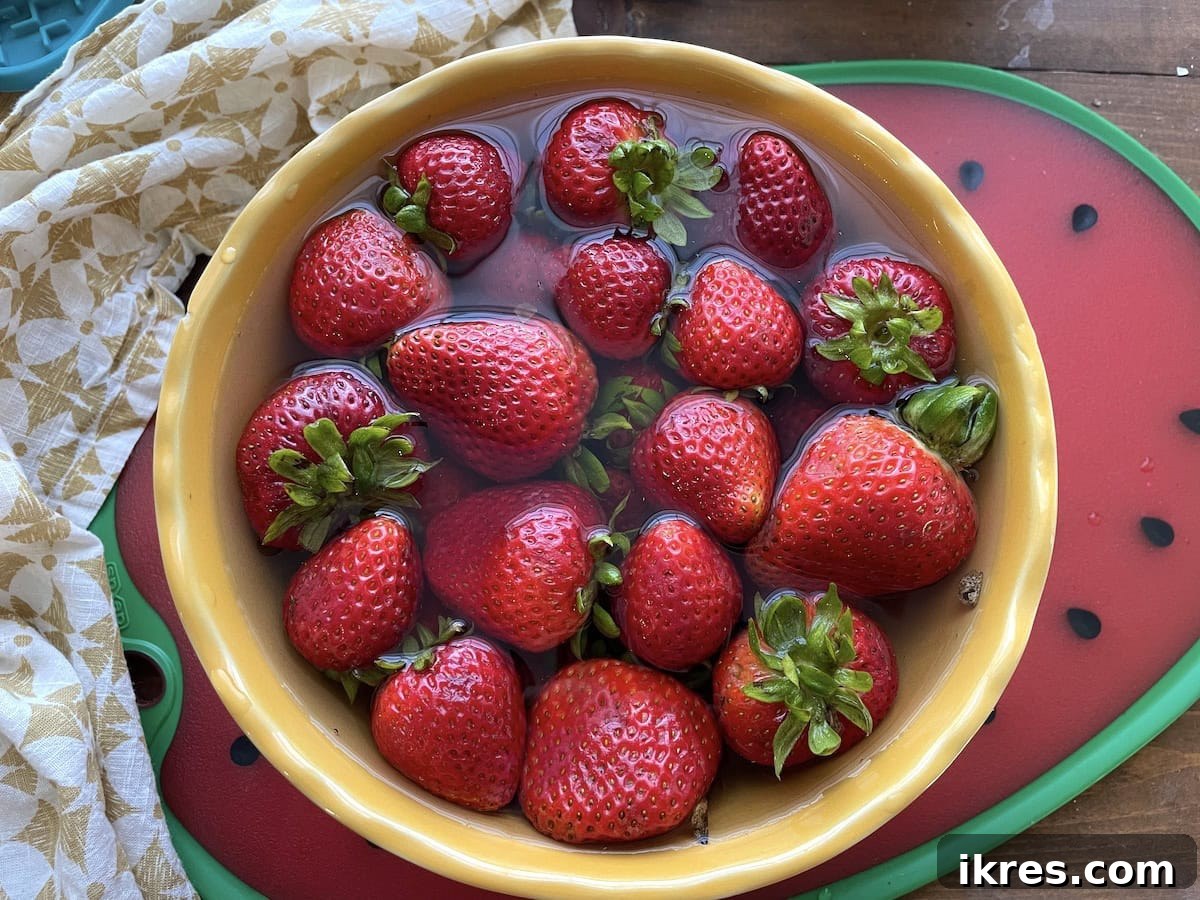
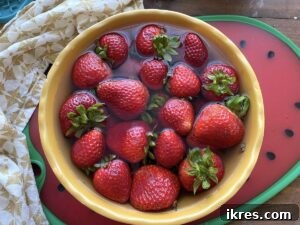
- Vinegar Bath for Deeper Clean: For a more thorough cleaning, especially if you’re concerned about pesticides, prepare a vinegar bath. Fill a large bowl with about 4 cups of water and add a splash (about 1/4 cup) of distilled white vinegar. Submerge the strawberries in this solution for 5-10 minutes. The vinegar helps to kill bacteria and loosen dirt without leaving a noticeable taste.
- Final Rinse & Dry: After the vinegar bath, drain the strawberries in a colander and give them one last quick rinse under cold water to wash away any residual vinegar.
- Crucial Drying Step: Pat the strawberries completely dry with paper towels or a clean kitchen cloth. This step is critical; any excess moisture can lead to ice crystals forming during freezing, which can degrade the berry’s texture and contribute to freezer burn. Ensure they are as dry as possible before moving to the next step.
Hulling the Strawberries
Hulling refers to removing the green leafy cap and the tough white core from the top of the strawberry. While not strictly necessary for all uses, it’s generally recommended for a better eating experience and easier blending.
- Paring Knife Method: The most common method involves using a small paring knife. Carefully insert the tip of the knife at an angle around the stem, then twist and pull out the core and cap in one motion.
- Strawberry Huller: A specialized strawberry huller tool makes this task quick and easy, especially if you’re processing a large batch.
- Straw Method: For a fun and quick technique, push a straw through the bottom of the strawberry until it pushes out the green cap. This is great for maintaining the berry’s shape.
Whole vs. Sliced: Choosing Your Freezing Method
Deciding whether to freeze your strawberries whole or sliced depends largely on how you plan to use them. There are benefits to both approaches:
- Freezing Whole Strawberries:
- Pros: Ideal for recipes where presentation matters, like garnishes, or when you want a chunkier texture. They retain slightly more structural integrity.
- Cons: Takes up more freezer space and can be harder to blend in smoothies without a powerful blender.
- Freezing Sliced or Halved Strawberries:
- Pros: Sliced strawberries are perfect for smoothies as they blend more easily and create a smoother consistency. They also cook down faster when making jam or sauces, reducing overall cooking time. They are easier to portion out and take up less space in storage.
- Cons: More surface area is exposed, which can make them slightly more susceptible to freezer burn if not stored properly, and they may become softer upon thawing compared to whole berries.
For most uses, particularly smoothies and jams, slicing or halving the strawberries is often the more practical choice. Aim for uniform slices if you want them to thaw or cook evenly.
Step-by-Step Guide: How to Freeze Fresh Strawberries
Now that your strawberries are perfectly prepped, it’s time for the crucial freezing process. This method, often called “flash freezing” or “single layer freezing,” prevents the berries from clumping together, allowing you to easily grab just the amount you need.
The Importance of Flash Freezing (Single Layer Method)
Flash freezing is the secret to perfectly frozen, individual strawberries. By freezing them in a single layer first, you prevent them from sticking together in a large, unmanageable block. This means you can scoop out a handful for a smoothie or a precise amount for jam without having to chip away at a solid mass.
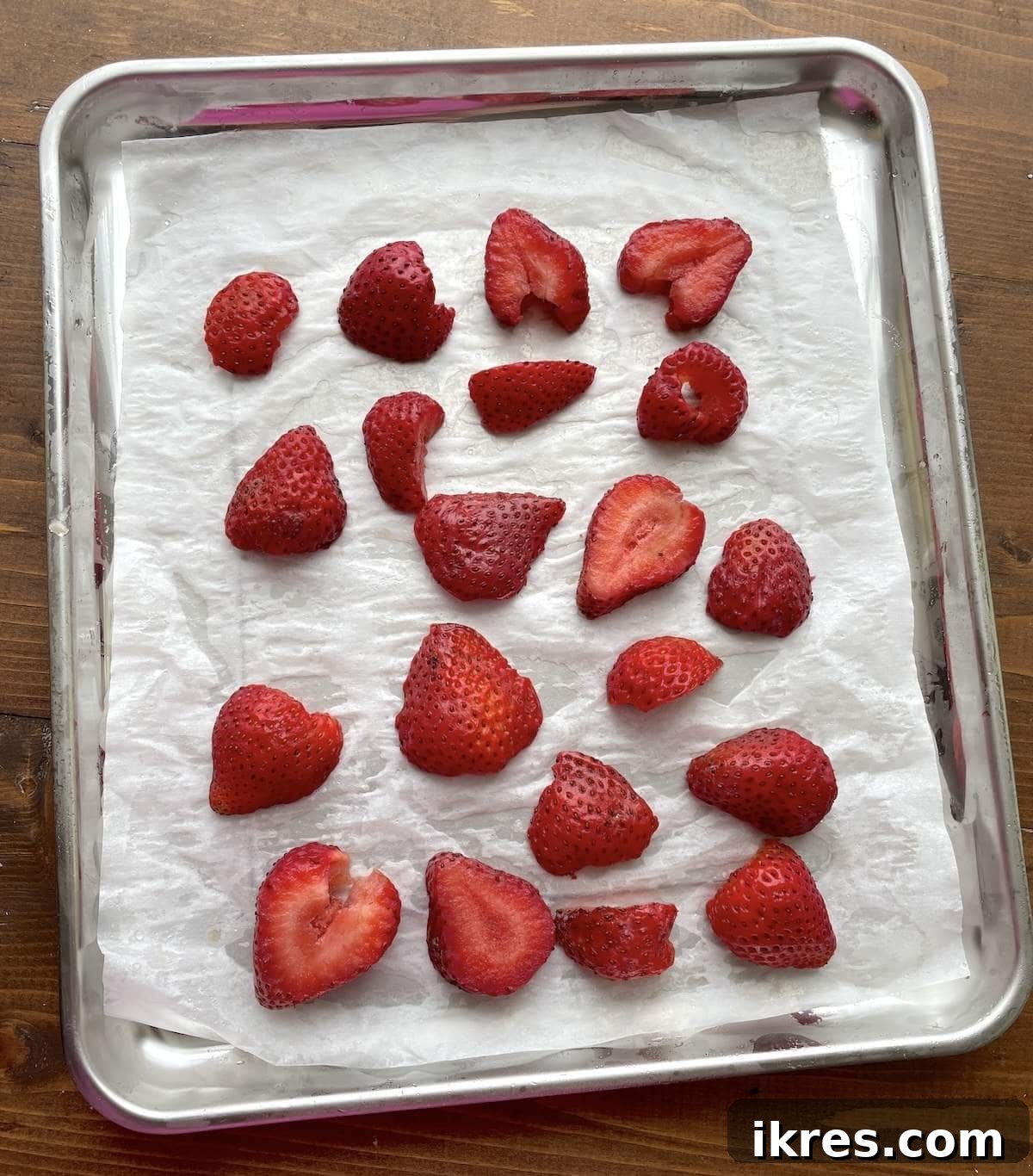
- Prepare Your Tray: Line a large baking sheet or tray with parchment paper or a silicone baking mat. This prevents the strawberries from sticking to the tray and makes them easy to remove once frozen. Ensure the tray is flat and will fit comfortably in your freezer.
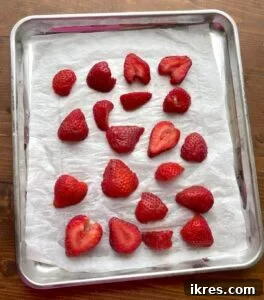
- Arrange the Strawberries: Spread the prepared strawberries (whole or sliced) in a single layer on the lined baking sheet. Make sure they are not touching each other. Ample space between berries is vital for proper flash freezing. If they touch, they will freeze together.
The Flash Freeze Process
Once arranged, the berries are ready for their initial freeze.
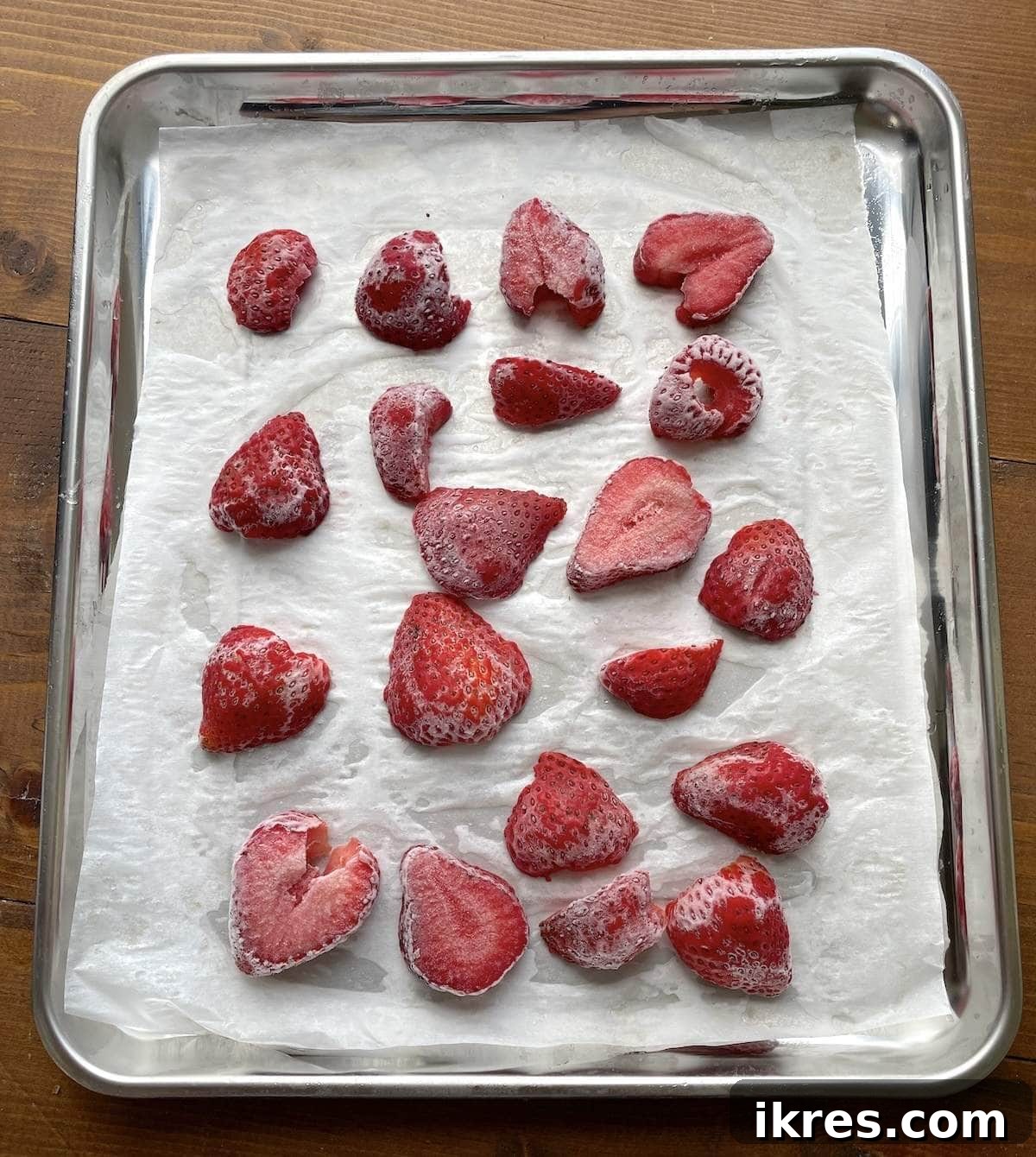
- Place in Freezer: Carefully transfer the baking sheet of strawberries to your freezer. Ensure it lies flat so the berries don’t roll into each other.
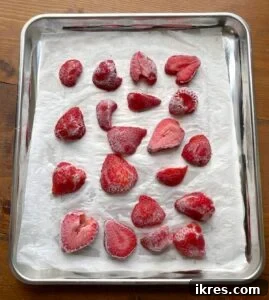
- Freeze Until Solid: Let the strawberries freeze for approximately 2 to 3 hours, or until they are completely firm to the touch and frozen solid. The exact time may vary depending on the size of your berries and the temperature of your freezer.
Transferring for Long-Term Storage
Once flash-frozen, the strawberries are ready for their final packaging.
- Remove from Tray: Carefully remove the frozen strawberries from the baking sheet. They should lift off easily from the parchment paper.
- Choose Storage Containers: Transfer the frozen berries into airtight, freezer-safe containers or heavy-duty resealable plastic freezer bags.
- Prevent Freezer Burn:
- For bags: Squeeze out as much air as possible before sealing. Air is the enemy of frozen food, causing freezer burn, which leads to dry, discolored spots and flavor degradation. A vacuum sealer is ideal for this, but manually pressing out air works well too.
- For containers: Ensure the container is filled to minimize air pockets, and that the lid creates an airtight seal.
Labeling and Dating for Optimal Freshness
Don’t skip this crucial step!
- Label Clearly: Use a permanent marker to clearly label each container or bag with the contents (“Frozen Strawberries”) and the date of freezing.
- Track Freshness: This helps you keep track of their freshness and ensures you use them within their optimal time frame, preventing waste and ensuring the best quality.
Storage and Shelf Life
Properly stored frozen strawberries can last a long time, but for the best culinary experience, there’s a recommended window.
- Optimal Storage Duration: Frozen strawberries can generally be stored in a conventional freezer for up to 8-12 months without significant loss of quality in terms of taste or texture.
- Peak Quality: For the absolute best flavor and texture, it’s recommended to use your frozen strawberries within 6 months of freezing. Beyond this, while still safe to eat, their quality might slowly diminish.
- Freezer Temperature: Ensure your freezer maintains a consistent temperature of 0°F (-18°C) or lower for optimal long-term storage. Fluctuations can lead to freezer burn.
I would love it if you would follow me on Instagram and Pinterest for all of my recipes.
Sugar Packing Strawberries with Sugar
While most fruits freeze well without added sugar, “sugar packing” is a traditional method that offers specific benefits, especially if you intend to use your frozen strawberries for jam or preserves. The sugar helps to draw out moisture, improve the texture, and preserve the vibrant color and fresh flavor of the berries.
- Prepare Berries: Start with cleaned and hulled sliced strawberries.
- Combine with Sugar: Measure out your sliced berries (typically about 1 quart) and sprinkle them with sugar. A common ratio is about 3/4 cup of sugar per quart of berries, but you can adjust this slightly to your preference.
- Toss and Dissolve: Gently toss the strawberries with the sugar. Allow them to sit for a while, perhaps 15-30 minutes, until the sugar begins to dissolve and the berries start to release their natural juices. This creates a syrup around the berries.
- Package and Freeze: Transfer the sugar-packed strawberry mixture into airtight freezer bags or containers. Again, press out as much air as possible from bags to prevent freezer burn.
- Label for Jam: Clearly label these containers or bags as “Sugar-Packed Strawberries for Jam” along with the date. These berries will be perfectly prepped for making delicious jam or preserves later in the year when fresh berries are out of season. The sugar-packed berries tend to yield a jam with better texture and color.
You can also pack lightly crushed berries without any sweetener in small containers. These are excellent for making jam, pie fillings, or sauces where you want full control over the added sugar content during cooking.
Maximizing Your Frozen Strawberry Stash: Delicious Uses
Once you have a freezer full of perfectly frozen strawberries, the culinary possibilities are endless!
Supercharge Your Smoothies
Frozen strawberries are a smoothie enthusiast’s best friend. They add a delightful chill, natural sweetness, and creamy texture without the need for ice cubes, which can dilute the flavor.
- Direct to Blender: When you’re ready to make a smoothie, simply take the desired amount of frozen strawberries directly from the freezer and add them to your blender with other ingredients.
- Recipe Ideas: Experiment with your favorite combinations! Try a classic Strawberry Pineapple Smoothie for a tropical twist, a Strawberry Banana Smoothie Bowl for a thick, satisfying breakfast, or a vibrant Mixed Berry Smoothie. Don’t be afraid to add a healthy boost with spinach in a Grinchy Green Smoothie!
Crafting Homemade Jams and Sauces
Frozen strawberries are ideal for making homemade jams and sauces, offering a taste of summer even in the depths of winter.
- Cook from Frozen: To make strawberry jam, you can transfer the frozen strawberries (especially if sugar-packed) directly to a saucepan. Cook them over low to medium heat with your desired amount of sugar and a squeeze of lemon juice (lemon juice helps with pectin activation and brightens the flavor). The berries will break down as they thaw and cook, eventually thickening into a beautiful jam-like consistency.
- Versatile Sauces: Beyond jam, use them to create delicious fruit sauces for pancakes, waffles, ice cream, or yogurt. Simmer with a touch of sugar and a splash of water, then mash or blend for your desired consistency.
Beyond Smoothies & Jams: Creative Culinary Applications
Don’t limit yourself to just smoothies and jams! Frozen strawberries can elevate a variety of dishes:
- Dessert Toppings: Briefly thaw and sweeten them slightly to create a quick topping for cheesecake, yogurt parfaits, or ice cream sundaes.
- Baking: Incorporate them into muffins, scones, or quick breads. For best results in baking, you might want to toss lightly thawed berries with a tablespoon of flour to prevent them from sinking to the bottom of the batter.
- Strawberry Simple Syrup: Simmer frozen strawberries with sugar and water to create a flavorful simple syrup for cocktails, lemonades, or as a glaze for desserts, like this Homemade Strawberry Simple Syrup.
- Compotes & Fillings: Cook them down into a compote for a warm breakfast side or use them as a filling for pies and tarts.
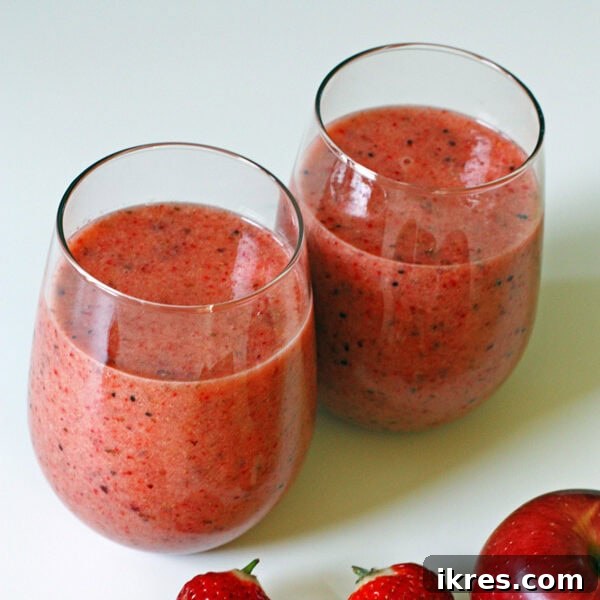
Strawberry Kiwi Smoothie
Essential Tips for Using Frozen Strawberries
Understanding how frozen strawberries behave will help you get the best results in your cooking and baking.
- The “Mushy Thaw” Phenomenon: It’s important to remember that frozen strawberries, due to their high water content, will become significantly softer and mushier in texture when they thaw compared to fresh berries. This is a natural consequence of ice crystals forming and disrupting the cell walls.
- Use Them Cooked or Frozen: Because of this texture change, frozen strawberries are best used in recipes where they will be cooked down (like jams, sauces, pie fillings) or consumed in their frozen state (like smoothies, smoothie bowls, or frozen desserts).
- When to Thaw (and How):
- For Jams/Sauces: You can often add frozen strawberries directly to a saucepan and cook them down. The slow heating will help them release their juices.
- For Baking: If a recipe calls for fresh strawberries in baking (like muffins), you might want to thaw them slightly and drain any excess liquid to prevent a soggy outcome. Toss them with a little flour before adding to batter to help prevent them from sinking.
- Quick Thaw: If you need to thaw them quickly for a topping, spread them in a single layer on a plate and let them sit at room temperature for 15-30 minutes, or microwave for short bursts until slightly softened.
- No Need to Defrost for Smoothies: This is where frozen berries truly shine. Their icy temperature eliminates the need for extra ice, giving you a richer, undiluted smoothie.
Freezing strawberries is a wonderfully simple and incredibly effective way to preserve their freshness and enjoy them throughout the entire year. Whether you’re blending them into a nutritious, frosty smoothie to kickstart your day or simmering them into a heartwarming homemade jam for your morning toast, frozen strawberries are a versatile ingredient that promises to infuse vibrant flavor into all your culinary creations.
By following this easy and detailed guide, you can confidently stock your freezer with these delicious berries. Elevate your breakfasts, enhance your snacks, and transform your desserts with the delightful, fruity goodness of perfectly preserved strawberries. Enjoy the taste of summer, no matter the season!
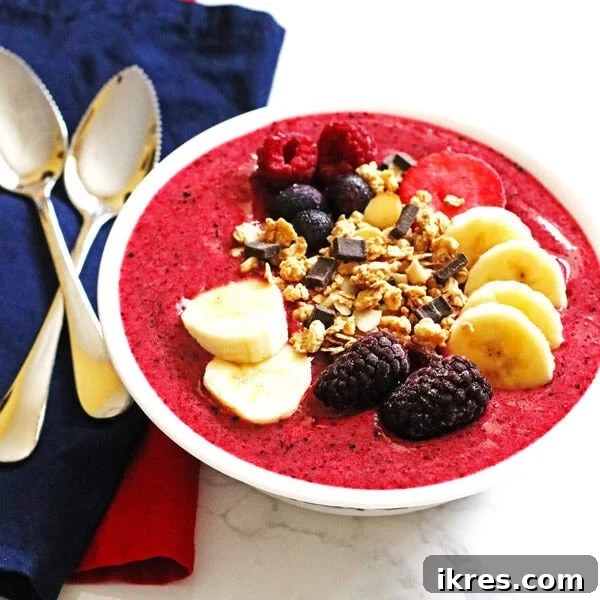
Strawberry Banana Smoothie Bowl
Did you make this recipe? If so, please leave a comment and rating below. I love hearing from you.
How to Freeze Strawberries for Smoothies and Jam
Learn how to freeze strawberries at home to enjoy fresh berry smoothies all year long! Preserve your fresh strawberries for smoothies, desserts, jams, and more.
Author: Kari A
Servings: 12
Prep time: 5 mins
Freezing Time: 2 hrs
Total Time: 2 hrs 5 mins
Ingredients
- 6 cups ripe strawberries
Instructions
-
Choose ripe strawberries. Line a baking sheet that will fit in your freezer with parchment paper.

-
Rinse the strawberries under cold water to get off any loose debris, then soak them in a large bowl of water with a splash of distilled vinegar for 5-10 minutes.
-
Either leave the strawberries whole or slice them into halves or quarters. Sliced strawberries tend to blend more easily in smoothies and cook down faster when making jam.
-
Spread the strawberries out in a single layer on the prepared baking sheet.
-
Freeze for 2-3 hours, then transfer the strawberry slices to a freezer bag or container and freeze overnight.
-
When you’re ready to make a smoothie, remove the strawberry slices from the freezer a few minutes before using them to let them soften a bit at room temperature.
-
For best results, use strawberries within 3-6 months.
Notes
- About half a cup of sliced strawberries is about 3-4 strawberries.
Special Equipment Needed
- parchment paper
- baking sheet
Nutrition
Serving: 0.5 cup | Calories: 23 kcal | Carbohydrates: 6g | Protein: 0.5g | Fat: 0.2g | Saturated Fat: 0.01g | Sodium: 1mg | Potassium: 110mg | Fiber: 1g | Sugar: 4g | Calcium: 12mg | Iron: 0.3mg
Nutrition information is approximate and is automatically calculated, so should only be used as a guide.
Course: Breakfast, Snack
Cuisine: American
Keyword: how to freeze strawberries, how to freeze strawberries for smoothies