
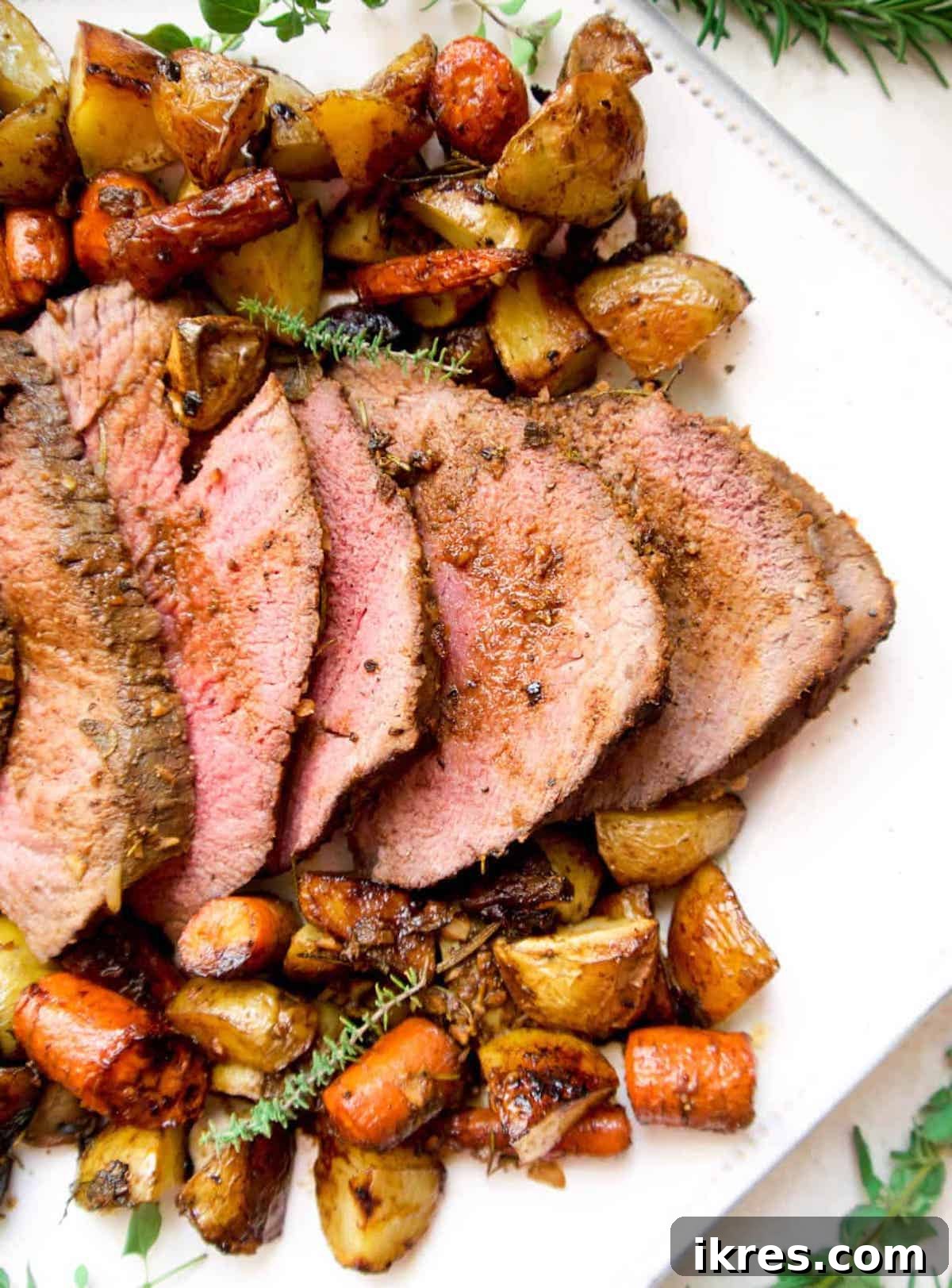
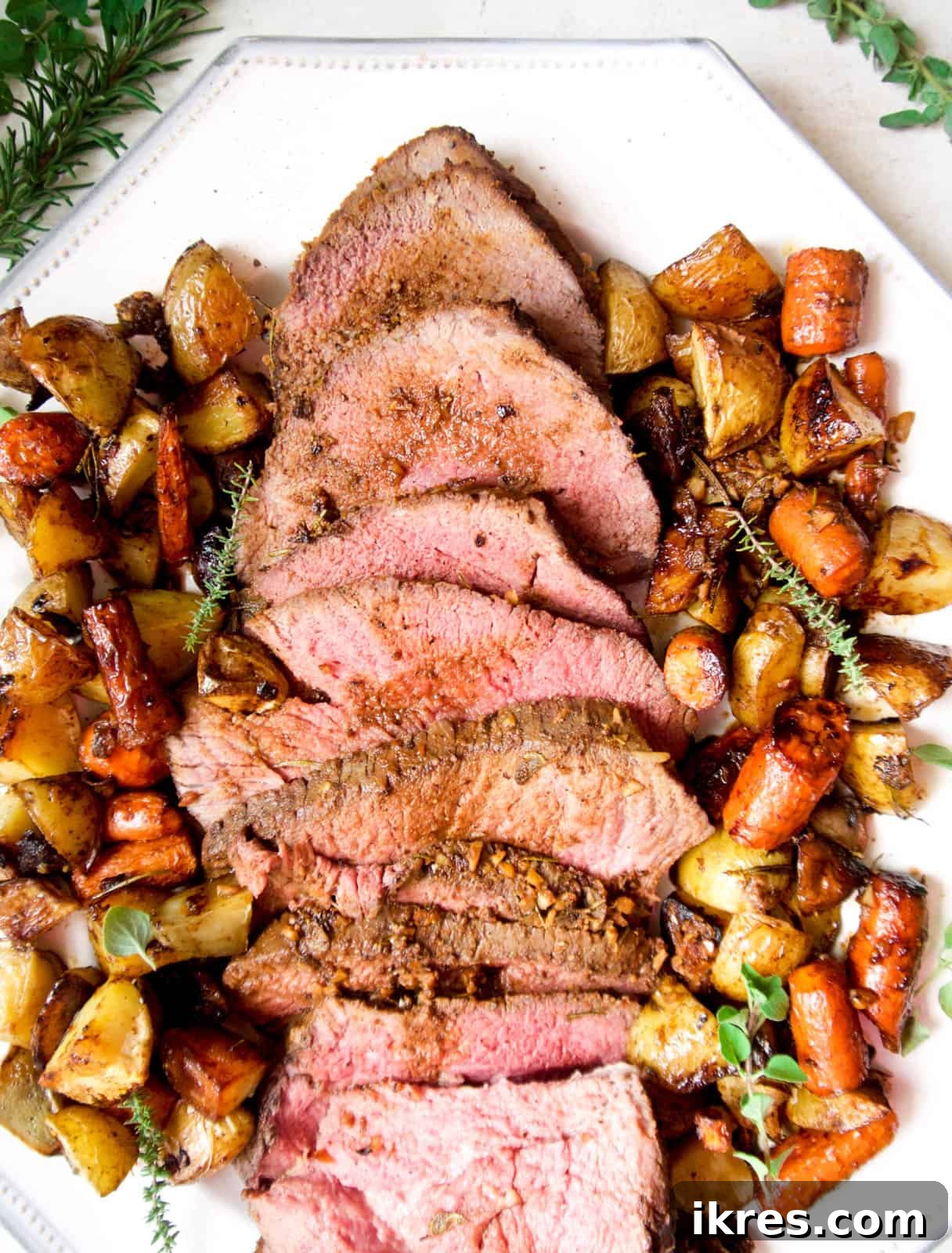
This Garlic and Fresh Herb Beef Clod Heart of Shoulder Roast is a truly delicious and surprisingly simple recipe featuring a robust shoulder clod roast generously coated in a vibrant mixture of fresh garlic, oregano, thyme, rosemary, and paprika. When cooked to perfection, it transforms into a beautifully tender, aromatic, and deeply flavorful centerpiece for any meal, promising an unforgettable dining experience!
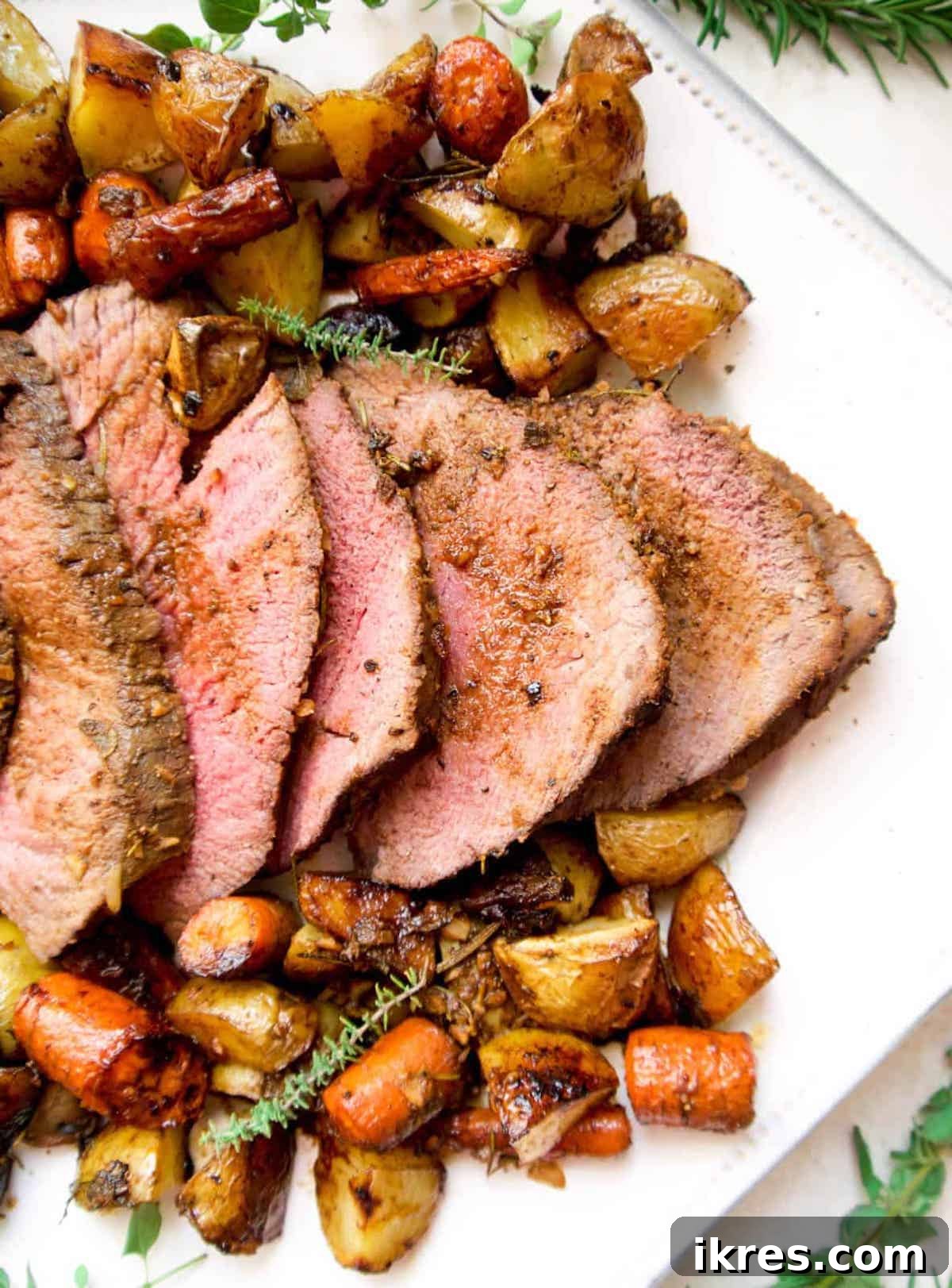
Embark on a culinary adventure with this incredible recipe for a heart of shoulder roast, also known as heart of clod. Before trying this particular cut, I honestly didn’t know what I was missing. It’s truly exceptional and has quickly become a favorite for its rich flavor and surprising tenderness.
For this recipe, I took a generously sized 5.75 lb heart of shoulder roast and lavishly covered it with a fragrant paste made from fresh minced garlic, aromatic oregano, earthy thyme, pungent rosemary, smoky paprika, and essential salt and pepper. The roast was then cooked for approximately an hour and a half, a process that slowly coaxed out its natural richness, resulting in meat that was not only beautifully tender but also incredibly flavorful. The simple preparation belies the impressive outcome, making it perfect for both special occasions and memorable family dinners.
Table of Contents
- Why this recipe works
- Recipe Ingredients
- Recipe Notes
- Step by step instructions
- Expert Tips
- Other meat recipes you’ll love
- Other beef recipes you’ll love
- Garlic and Fresh Herb Beef Clod Heart of Shoulder Roast Recipe
Why this recipe works
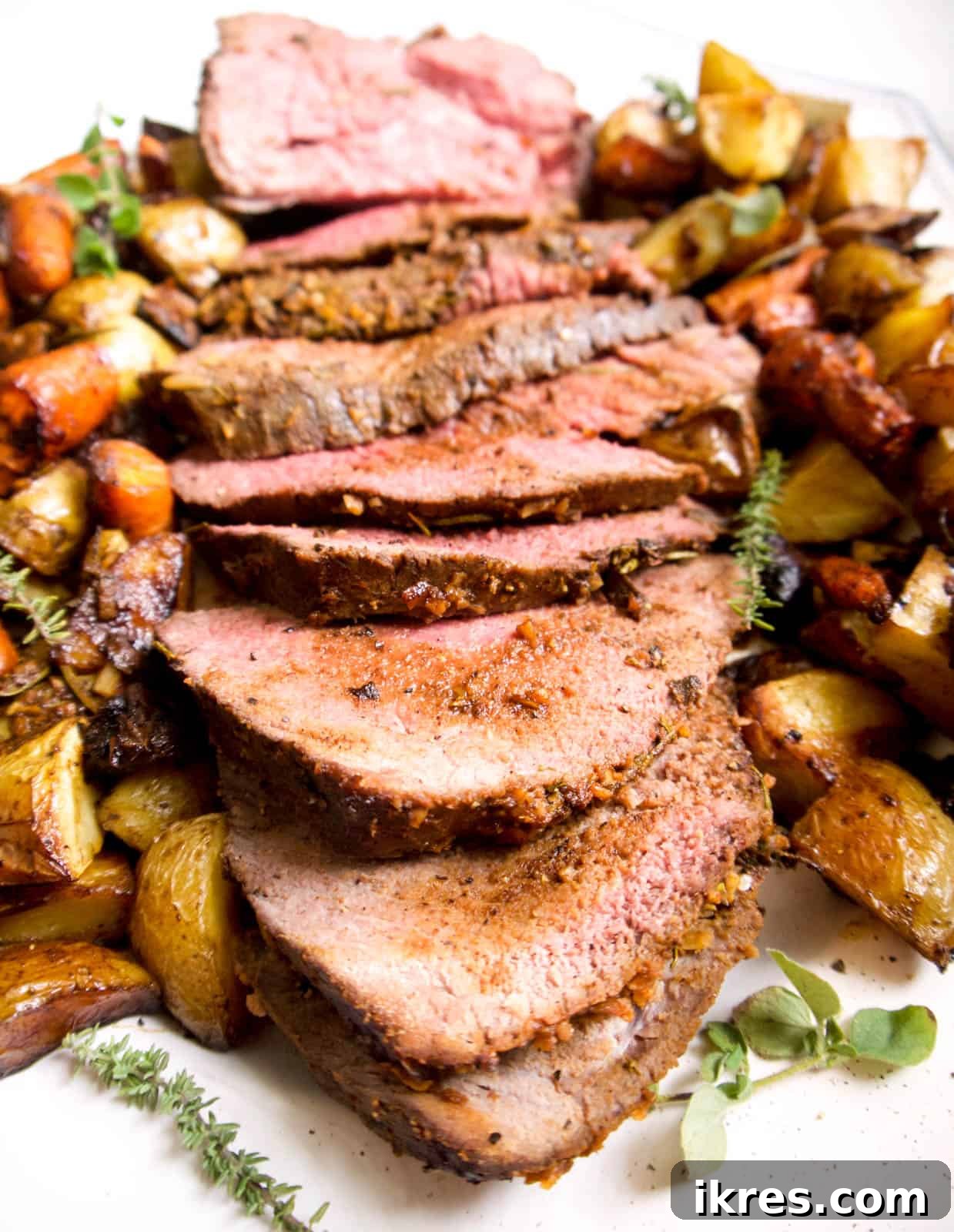
- This recipe stands out for its remarkable ease of preparation, requiring minimal hands-on time despite yielding a meal that feels truly luxurious. It’s perfect for elevating a regular dinner into a special occasion meal without the stress typically associated with elaborate roasts. The simple steps ensure even novice cooks can achieve impressive results, making it an ideal choice when you want to impress with flavor, not complexity.
- Packed with complete protein, this beef clod heart of shoulder roast is an excellent choice for a nutritious and satisfying meal. Beef is a superb source of essential amino acids, vital for muscle repair, growth, and overall body function. Paired with hearty root vegetables, it becomes a balanced and energy-rich dish that keeps you feeling full and satisfied, contributing significantly to your daily protein intake.
- For those adhering to specific dietary guidelines, this recipe is a true gem. It is naturally Paleo, Whole30 Compliant, and completely Gluten-free, aligning with a clean eating lifestyle. Free from grains, legumes, dairy, and refined sugars, it offers a wholesome and unprocessed meal option that doesn’t compromise on flavor or satisfaction. This makes it an inclusive choice that everyone at your table can enjoy.
- Cooking this beef roast is an experience for all senses. The rich aroma that fills your home as the garlic and fresh herbs mingle with the slow-roasting beef is simply intoxicating. Beyond the delightful scent, the flavor profile is deep and complex, with the herbs infusing every bite of the tender meat. It’s a delicious way to cook beef, guaranteeing a flavorful outcome that will have everyone eagerly awaiting dinner.
- Perhaps the most coveted characteristic of a perfectly cooked roast is its tenderness, and this recipe absolutely delivers. The specific cooking method, combining initial high heat with a longer, slower roast and a crucial resting period, breaks down the connective tissues in the heart of shoulder cut. This results in incredibly tender meat that practically melts in your mouth, making every slice a pure delight and ensuring a succulent texture throughout.
Recipe Ingredients
- Heart of Shoulder Roast – This recipe calls for a large, high-quality heart of clod shoulder roast, ideally around 5.75 lbs. The heart of shoulder, also known as the clod heart, is a specific muscle cut from the chuck primal of the cow. It’s known for being lean yet incredibly flavorful, and when cooked properly, it becomes surprisingly tender. Its robust beefy flavor makes it ideal for roasting, absorbing the herb and garlic flavors beautifully. You can find excellent quality cuts from reputable butchers or suppliers specializing in grass-fed beef.
- Balsamic Vinegar – A touch of balsamic vinegar is crucial not just for adding a layer of tangy depth to the flavor profile, but also for its tenderizing properties. The acidity in the vinegar helps to break down muscle fibers, contributing to the overall tenderness of the roast. It also creates a wonderful caramelized crust during the initial high-heat cooking phase.
- Fresh Garlic – Forget the pre-minced jarred stuff; fresh garlic is non-negotiable for this recipe. Minced finely, it forms the aromatic backbone of our herb paste, infusing the beef with its pungent and savory essence. The fresh cloves release their potent oils, creating a more vibrant and intense flavor compared to dried or processed garlic.
- Fresh Thyme, Fresh Rosemary, Fresh Oregano – The combination of these fresh herbs creates a classic, aromatic crust that is both fragrant and flavorful. Fresh herbs are paramount here, as their essential oils are far more potent and vibrant than their dried counterparts. Thyme offers a subtle, earthy note; rosemary adds a piney, peppery essence; and oregano contributes a bold, slightly bitter undertone. Ensure the leaves are stripped from their stems for the best texture and release of flavor.
- Paprika – More than just for color, paprika adds a mild, smoky sweetness that complements the savory herbs and beef. It contributes to a beautiful, reddish-brown crust on the roast, enhancing its visual appeal while adding another subtle layer of flavor complexity.
- Potatoes – Quartered potatoes roast alongside the meat, soaking up all the delicious pan juices and becoming wonderfully tender and flavorful. Russet or Yukon Gold potatoes are excellent choices for their ability to become fluffy inside while crisping nicely on the exterior.
- Carrots – Sweet and earthy carrots, cut into hearty chunks, roast with the beef and potatoes. They caramelize beautifully in the pan juices, adding natural sweetness and vibrant color to the finished dish. They also provide essential vitamins and fiber.
- Mushrooms – Sliced mushrooms are a fantastic addition, adding an umami-rich, savory depth to the vegetable medley. They absorb the beef juices and balsamic vinegar, transforming into succulent, flavorful bites that perfectly complement the roast. Any cremini or button mushrooms will work wonderfully here.
- Olive Oil, Salt, and Pepper – These foundational ingredients tie everything together. Good quality olive oil helps create the herb paste and encourages browning. Fine sea salt enhances all the flavors, while freshly ground black pepper adds a subtle kick.
See the full recipe card below for precise measurements and detailed instructions.
Recipe Notes
I was incredibly fortunate to receive this particular heart of shoulder roast from US Wellness Meats, and I am absolutely thrilled to be collaborating with them once again. My positive experience with their products dates back several years, during which I created some of my blog’s most beloved recipes using their premium meats. Their commitment to quality is evident in every cut, and it truly makes a difference in the final dish.
For instance, this vibrant Paleo Pumpkin Meat Sauce Ragu was crafted using a delightful blend of their beef, bison, and pork, showcasing the versatility and depth of flavor their meats provide.
My comforting Butternut Squash & Chicken Soup also benefited immensely from their high-quality chicken, rich bacon, and flavorful chicken stock, proving that premium ingredients elevate even the simplest dishes.
And for a truly festive dish, this Paleo Sausage, Apple, And Chestnut Stuffing was made spectacular with their exceptional sausage and chicken stock, creating a harmonious blend of flavors.
There’s an undeniable pleasure in cooking with high-quality products, and the difference is palpable, particularly with beef. The beef from US Wellness Meats is not just grass-fed; it’s raised without any added hormones or GMOs, and crucially, it’s never fed any grains. This commitment to natural rearing practices directly translates into superior flavor and nutritional benefits. Grass-fed beef is known for its richer, more complex taste and healthier fat profile, including higher levels of Omega-3 fatty acids. You can genuinely taste the quality and care that goes into their products, making this roast not just a meal, but an experience in wholesome, delicious eating.
Step by step instructions
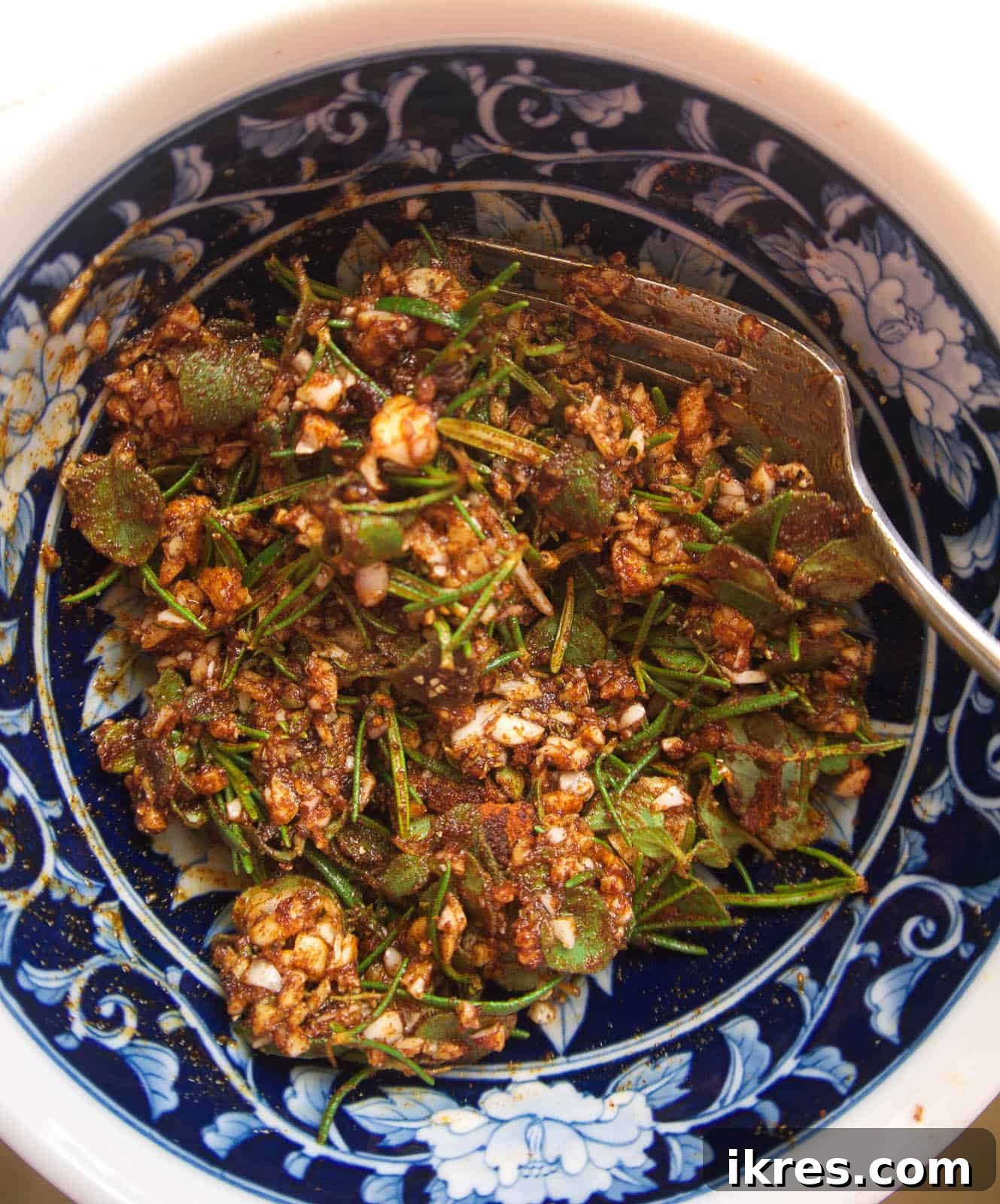
Step 1: Prepare your aromatic garlic and herb paste. Begin by finely mincing the fresh garlic cloves, ensuring they release their maximum flavor. Strip the fresh thyme, rosemary, and oregano leaves from their stems. In a small bowl, combine the minced garlic with the fresh herb leaves, salt, pepper, three tablespoons of olive oil, and the paprika. Mix these ingredients thoroughly until they form a thick, fragrant paste. The olive oil helps to bind the herbs and spices, ensuring they adhere well to the meat and distribute their flavors evenly during cooking.
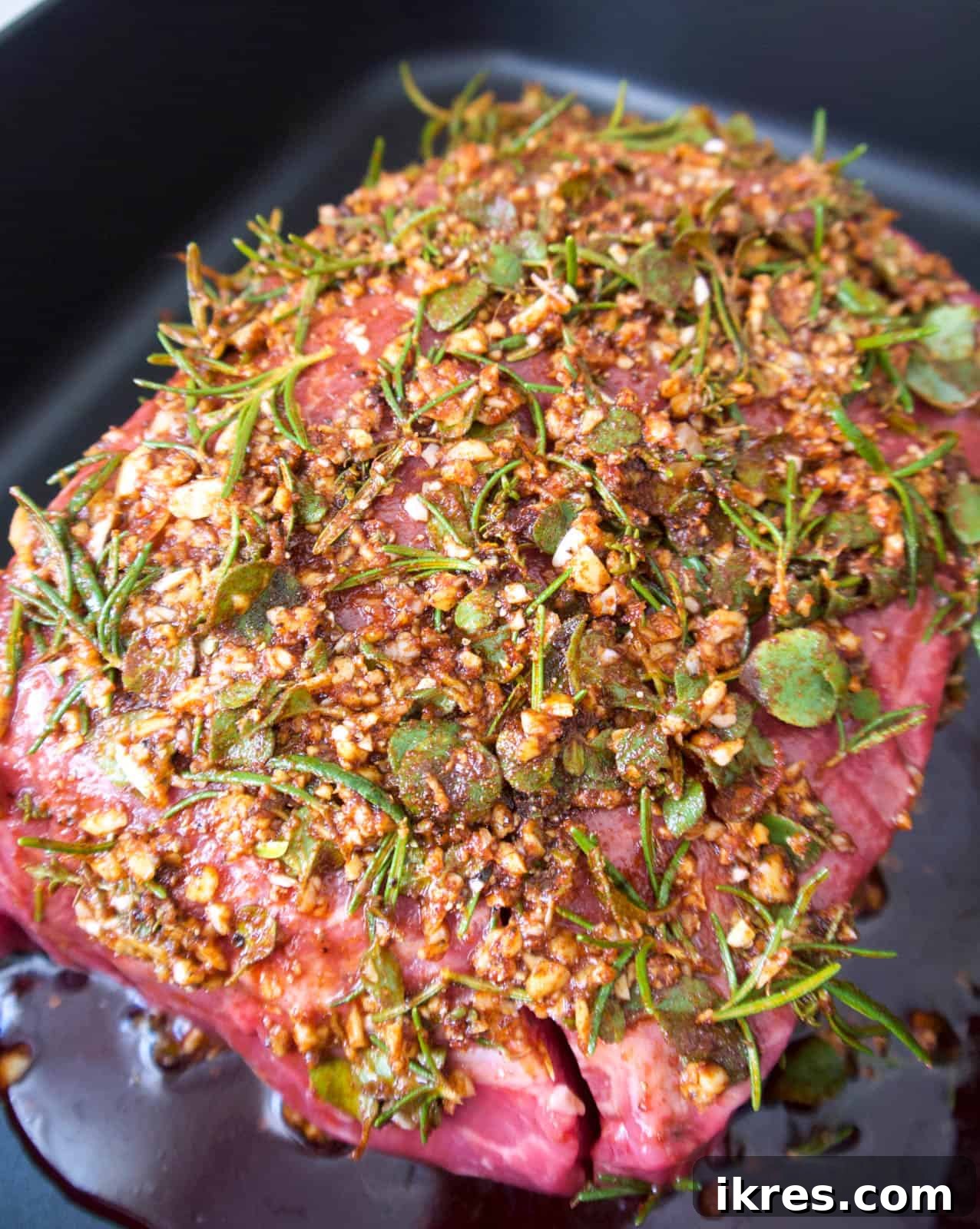
Step 2: Season the roast and initiate high-heat searing. Place your heart of shoulder roast into a sturdy roasting pan, ideally one measuring 12×16 inches to allow ample space for the vegetables later. Pour any liquid from the meat’s packaging into the pan, then drizzle the balsamic vinegar over the roast. Next, take your freshly made garlic and herb paste and generously lather it all over the entire surface of the beef. Ensure every part of the roast is well-coated for maximum flavor infusion. Transfer the pan to a preheated oven set at 450 degrees F (230 degrees C) and cook for precisely 10 minutes. This initial burst of high heat is crucial for searing the exterior, locking in juices and developing a beautiful, flavorful crust.
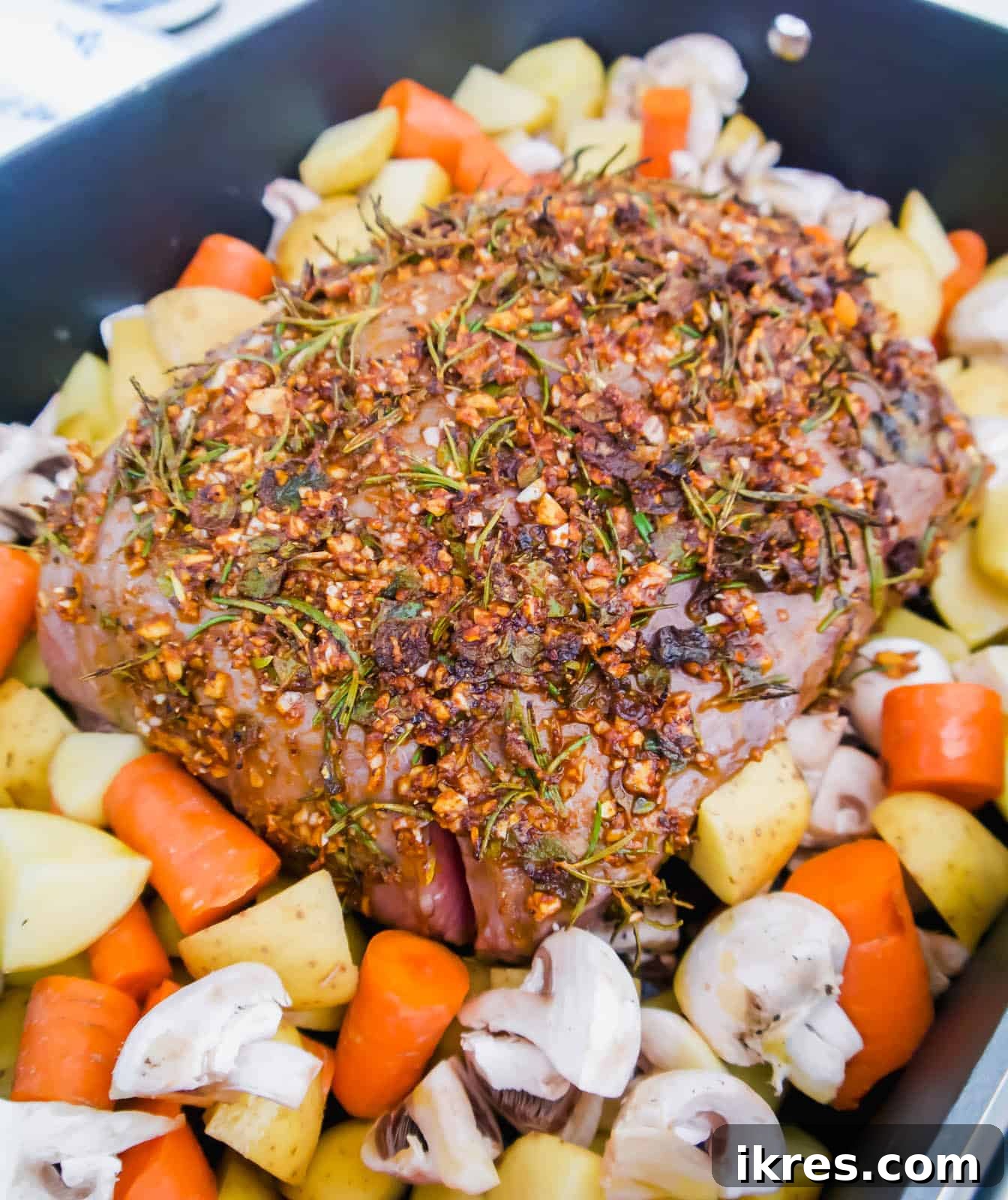
Step 3: Introduce the vegetables and continue roasting at a lower temperature. After the initial 10-minute high-heat sear, carefully remove the pan from the oven. Reduce the oven temperature to 375 degrees F (190 degrees C). While the oven cools slightly, prepare your vegetables. In a separate bowl, toss the quartered potatoes, sliced mushrooms, and sliced carrots with the remaining four tablespoons of olive oil, ensuring they are evenly coated. Arrange these seasoned vegetables around the beef roast in the roasting pan. Return the pan to the oven and continue cooking for 60 minutes. Midway through this period, at the 30-minute mark, gently toss the vegetables in the flavorful pan juices and flip the pan to ensure even cooking and browning. This step allows the vegetables to absorb the rich flavors from the beef and herbs as they roast to tender perfection.
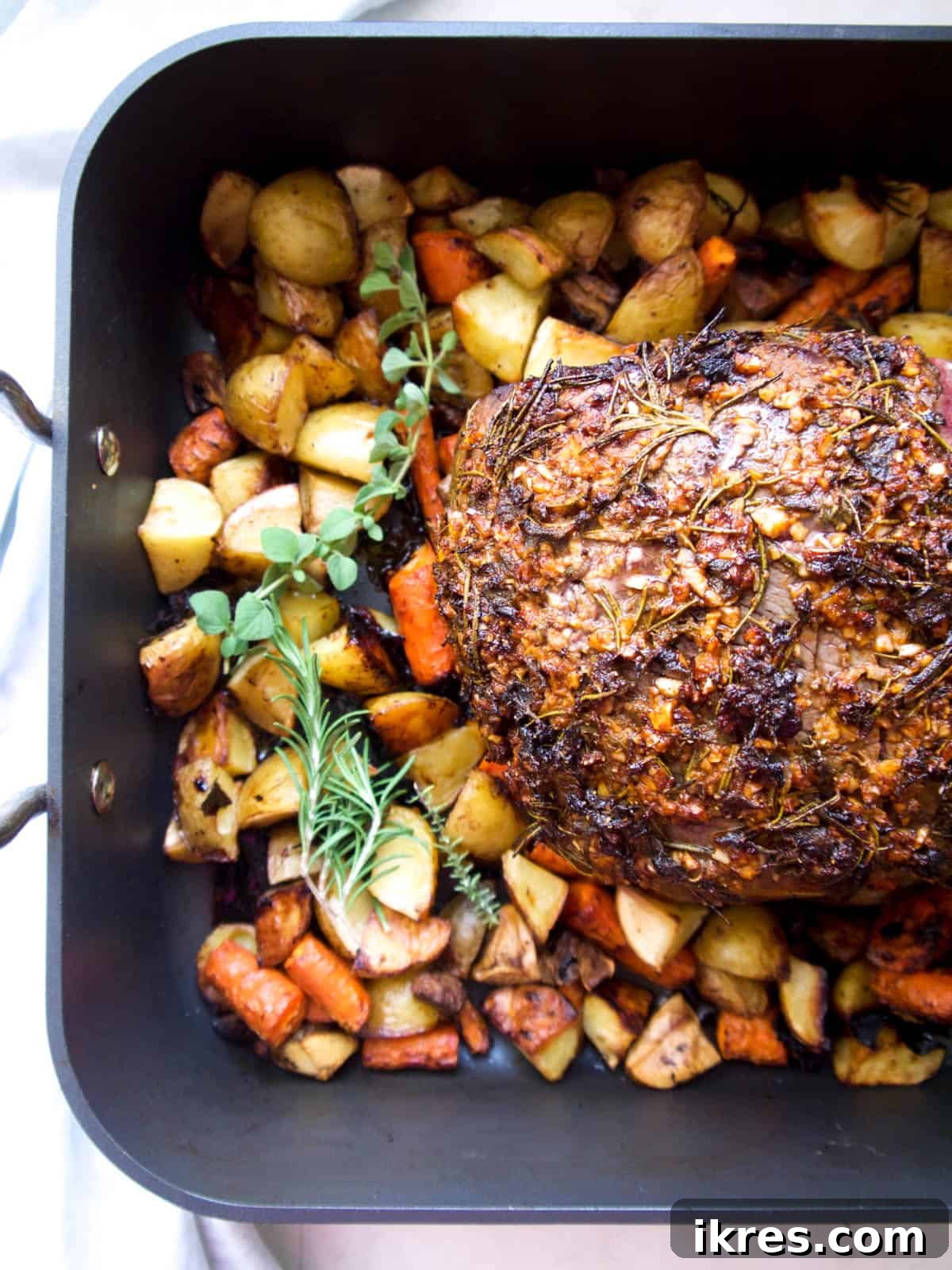
Step 4: Achieve final tenderness and crucial resting. Once the roast has cooked for one hour with the vegetables, carefully remove it from the oven. Stir the potatoes once more. Loosely cover the entire roasting pan with aluminum foil. Return it to the oven and cook for an additional 20 minutes at 375 degrees F (190 degrees C). At this point, the internal temperature of the roast should reach approximately 110-115 degrees F (43-46 degrees C) for a rare to medium-rare result. After this, turn the oven off completely, but keep the covered roast inside for another 15-20 minutes. This crucial resting period allows the meat’s juices to redistribute throughout, ensuring a moist and incredibly tender final product. In total, your roast will have cooked for approximately 110 minutes, plus the resting time. The residual heat in the oven will continue to gently cook the meat to your desired doneness while relaxing its fibers.
Expert Tips
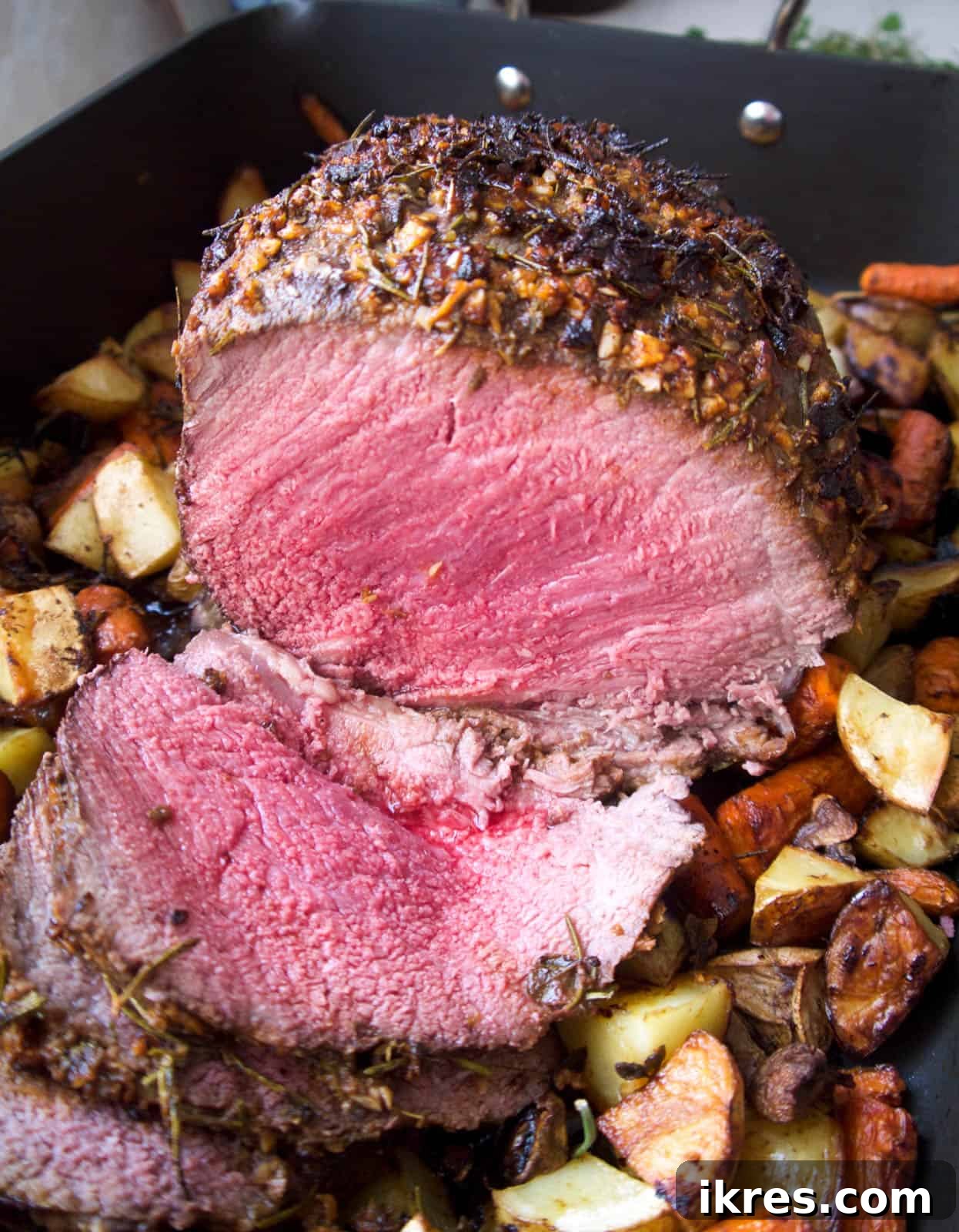
- Achieving Desired Doneness: The recipe’s specified cooking times are designed to produce a rare to medium-rare roast, which will typically appear red or pink in the middle. For those who prefer their beef more well-done, simply extend the cooking time during the final covered resting phase in the oven. Use a reliable meat thermometer inserted into the thickest part of the roast, avoiding bone, to gauge doneness accurately. Aim for internal temperatures of 125-130°F (52-54°C) for rare, 130-135°F (54-57°C) for medium-rare, 135-140°F (57-60°C) for medium, and 145°F (63°C) or higher for well-done. Remember that the temperature will rise a few degrees during resting.
- Basting for Enhanced Flavor: To ensure your carrots and potatoes are incredibly flavorful and moist, make a point to regularly spoon the rich beef juices from the bottom of the pan over them. This basting technique not only infuses the vegetables with the savory essence of the roast but also helps them caramelize beautifully and prevents them from drying out, adding another layer of deliciousness to your side dish.
- Understanding Your Oven: Every oven has its quirks. Some run hotter, some cooler, and some have uneven heating. It’s crucial to “know your oven” and adjust cooking times accordingly. If your oven tends to run hot, you might need to shorten the cooking duration slightly or lower the temperature by 10-15 degrees. Conversely, if your oven is less powerful, you may need to add extra time. Using an oven thermometer can help you calibrate and ensure consistent results, preventing over or undercooking.
- The Importance of Resting: After the final cooking stage, resisting the urge to slice into your roast immediately is vital. Allowing the meat to rest, covered in foil, for at least 15-20 minutes (or even longer for larger roasts) is a non-negotiable step for a truly juicy outcome. During cooking, the muscle fibers contract and push juices to the center. Resting allows these juices to redistribute throughout the meat, ensuring every slice is moist and tender. Skipping this step often results in dry meat as all the juices escape when you cut into it too soon.
- Carving Against the Grain: For maximum tenderness, always carve your beef roast against the grain. Look for the lines of muscle fibers running through the meat; you’ll want to cut perpendicular to these lines. This shortens the fibers, making each bite easier to chew and more tender. A sharp carving knife is essential for clean, even slices.
- Storing and Reheating Leftovers: If you have any glorious leftovers, store them in an airtight container in the refrigerator for up to 3-4 days. To reheat, gently warm slices in a pan with a splash of beef broth or water to prevent drying out, or briefly in the oven at a low temperature (around 250°F / 120°C) until just warmed through. Avoid high heat, which can toughen the meat.
Other meat recipes you’ll love
If you enjoyed the hearty and tender flavors of this beef clod roast, you’re in for a treat with these other fantastic meat recipes. Each one offers a unique and delicious way to prepare various cuts, perfect for expanding your culinary repertoire.
This Eye of Round Roast by iFoodReal looks incredibly juicy and tender, promising another satisfying beef experience. YUM.
My personal favorite, this roast chicken with root vegetables is a comforting classic. It also cooks beautifully with root veggies and always hits the spot, offering a delicious alternative to beef.
For lamb lovers, this leg of lamb steak looks perfectly grilled and utterly delicious, a wonderful option for a flavorful and elegant meal!
Other beef recipes you’ll love
Craving more delicious beef dishes? These recipes explore different preparations and flavor profiles, ensuring there’s always something new and exciting to try for any occasion.
These vibrant Korean Beef Bowls are both tasty and incredibly delicious, coming together in just 20 minutes for a quick and flavorful weeknight meal!
This hearty Hungarian Beef Stew is an amazing slow cooker beef stew recipe, rich with the warmth of paprika and perfect for a comforting meal on a cold day.
For an all-in-one meal solution, these Healthy Stuffed Peppers are fantastic and satisfying, packing great flavors into a convenient package.
This London Broil by Seasonal Cravings is bursting with flavor and is naturally Paleo and Whole30 compliant, offering a healthy and delicious option.
Finally, this Beef Roulade recipe is incredibly flavorful, stuffed with savory bacon and sweet onion, infused with aromatic thyme – a truly delicious and impressive dish!
Did you try this recipe? Please leave me a ⭐ review below!
Garlic and Fresh Herb Beef Clod Heart of Shoulder Roast
Dominique
8
people
20 minutes
1 hour
50 minutes
2 hours
10 minutes
✉️Share by Email
🖨️Print Recipe
Ingredients
- 5.75 lb heart of shoulder roast
- 2 Tbs balsamic vinegar
- 3 Tbs minced garlic, (approx. 1 small head of garlic)
- 1 Tbs fresh thyme, (leaves taken off the stem)
- 3 Tbs fresh rosemary, (leaves taken off the stem)
- 4 Tbs fresh oregano, (leaves taken off the stem)
- 1 tsp salt
- 1/2 tsp pepper
- 7 Tbs olive oil, divided
- 3 tsp paprika
- 3 lbs potatoes, halved and quartered
- 1 lb carrots, sliced 2 inches long
- 8 ounces mushrooms, sliced
Instructions
-
Preheat your oven to a high temperature of 450 degrees F (230 degrees C).
-
Place the heart of shoulder roast into a sturdy 12 x 16 inch roasting pan. Pour any liquid that came with the meat packaging into the pan to add moisture and flavor to the base.
-
Generously pour the balsamic vinegar over the entire surface of the meat. This will aid in tenderization and add a tangy depth.
-
In a small bowl, combine the minced garlic, fresh thyme, fresh rosemary, fresh oregano, salt, pepper, 3 tablespoons of olive oil, and paprika. Mix thoroughly to create a thick, aromatic paste. Carefully apply this herb paste all over the top and sides of the roast, ensuring an even and generous coating for maximum flavor.
-
Place the prepared roast into the preheated oven and cook at 450 degrees F (230 degrees C) for 10 minutes. This initial high heat sears the exterior, locking in juices and creating a beautiful crust. After 10 minutes, reduce the oven heat to 375 degrees F (190 degrees C).
-
While the roast is in its initial sear, prepare your vegetables. In a separate large bowl, combine the mushrooms, carrots, and potatoes. Drizzle with the remaining 4 tablespoons of olive oil and toss well to ensure all vegetables are lightly coated.
-
After the initial searing, carefully remove the pan from the oven. Arrange the seasoned carrots, mushrooms, and potatoes around the meat in the roasting pan. Return the pan to the oven and continue to cook for 60 minutes at 375 degrees F (190 degrees C). Halfway through this period (at the 30-minute mark), carefully mix the potatoes and other vegetables with the flavorful juices in the pan and rotate the pan for even cooking.
-
After the roast and vegetables have cooked for one hour (totaling 70 minutes of oven time for the roast), stir the vegetables once more. Loosely cover the entire roasting pan with aluminum foil. Continue cooking for another 20 minutes at 375 degrees F (190 degrees C), or until the internal temperature of the roast reaches at least 110 F (43 C) for rare doneness.
-
Turn off the oven and, without opening the door, allow the covered roast to stand in the heated oven for an additional 15-20 minutes. This critical resting period allows the juices to redistribute throughout the meat, ensuring maximum tenderness and flavor. The residual heat will continue to gently cook the roast.
-
Remove the roast from the oven, slice against the grain, and serve immediately with the roasted vegetables. This recipe proudly serves 8 people.
Notes
- The cooking times provided are designed to achieve a rare to medium-rare roast, resulting in a beautifully red or pink center. If your preference is for meat that is more well-done, simply extend the final resting period in the oven. Always use a reliable meat thermometer to ensure your desired level of doneness.
- To enhance the flavor and moisture of your roasted carrots and potatoes, make it a point to regularly spoon the savory beef juices from the bottom of the pan over them. This basting technique ensures they absorb all the delicious flavors.
- Oven temperatures can vary significantly. It’s important to understand your oven’s tendencies – if it runs hot or is less powerful, adjust the timing and temperature accordingly to achieve optimal results. An oven thermometer can be a valuable tool for consistent cooking.
Nutrition
Carbohydrates: 40g
Protein: 99g
Fat: 33g
Saturated Fat: 11g
Polyunsaturated Fat: 3g
Monounsaturated Fat: 20g
Trans Fat: 1g
Cholesterol: 264mg
Sodium: 566mg
Potassium: 2278mg
Fiber: 7g
Sugar: 5g
Vitamin A: 9965IU
Vitamin C: 40mg
Calcium: 134mg
Iron: 13mg
Nutrition information is automatically calculated, so should only be used as an approximation.
Additional Info
Main Course
Meat
Tried this recipe?
Mention @perchancetocook or tag #perchancetocook!