

Embarking on my inaugural Whole30 program, followed by its crucial reintroduction phase, has been an utterly transformative and profoundly fascinating journey. It was a true reset, illuminating everything from my ingrained sugar and emotional cravings to observing their gradual dissipation, ultimately culminating in a revitalized perspective on health and wellness. This intensive experience served as a much-needed life refresher, prompting deep introspection and a significant shift in my approach to nourishment.
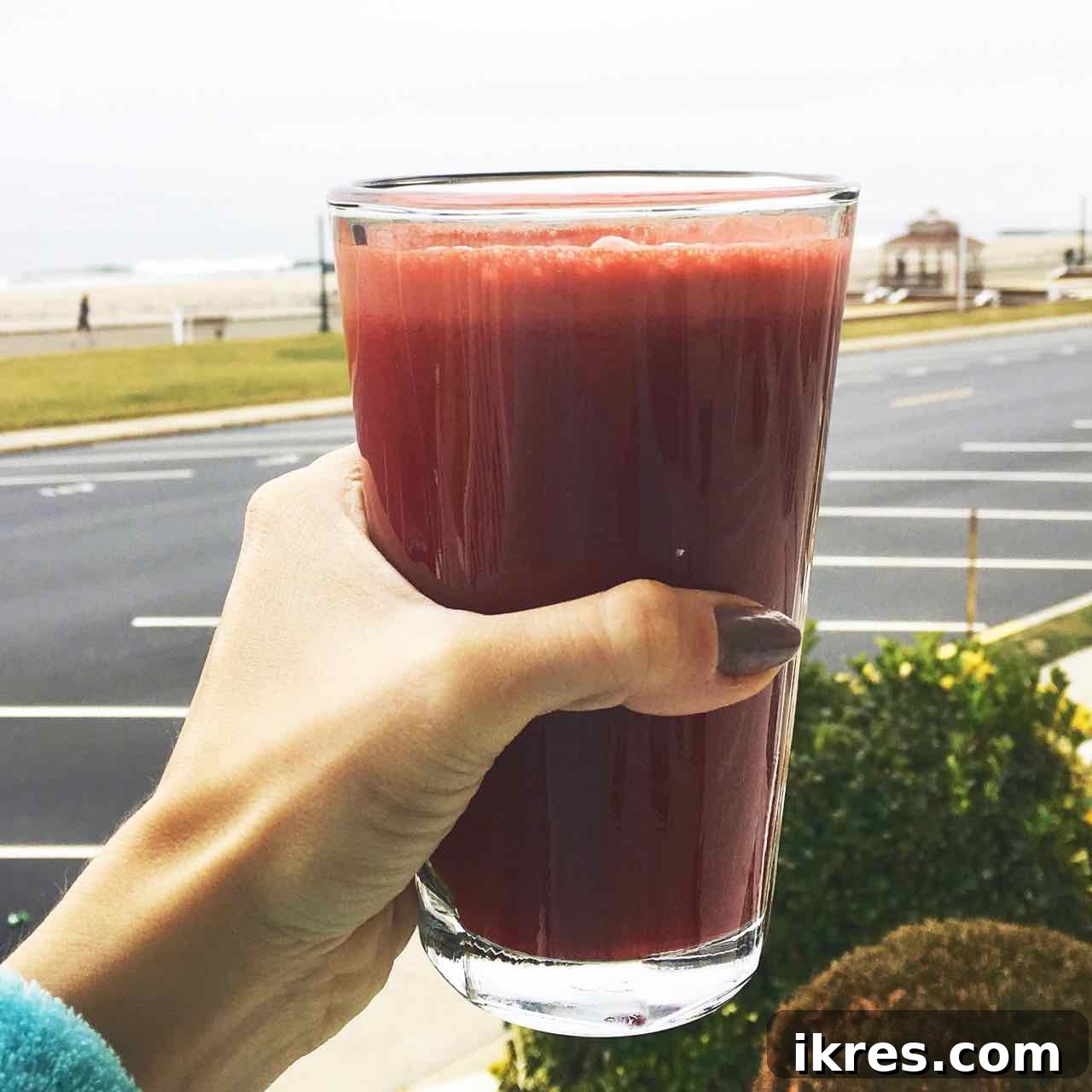
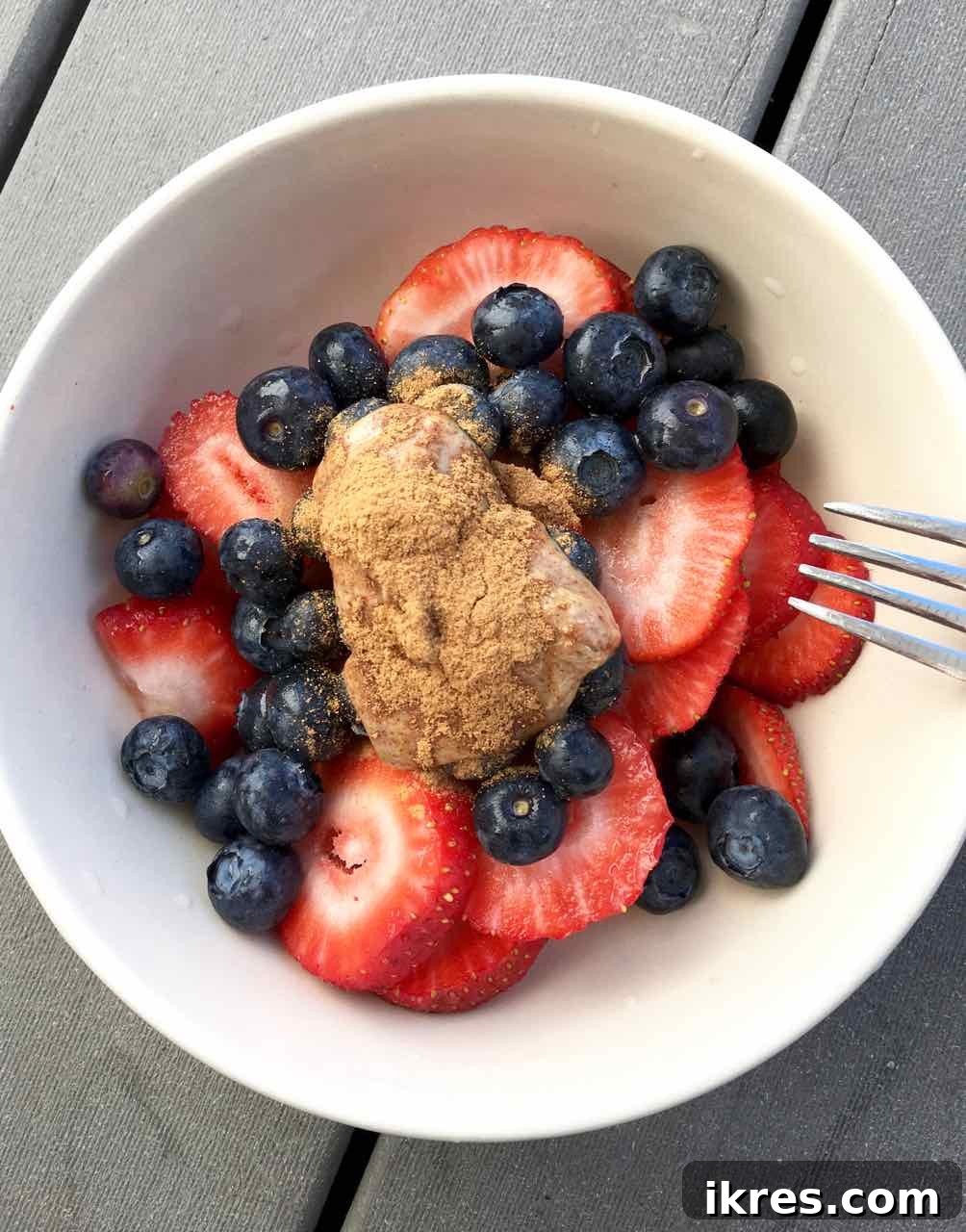
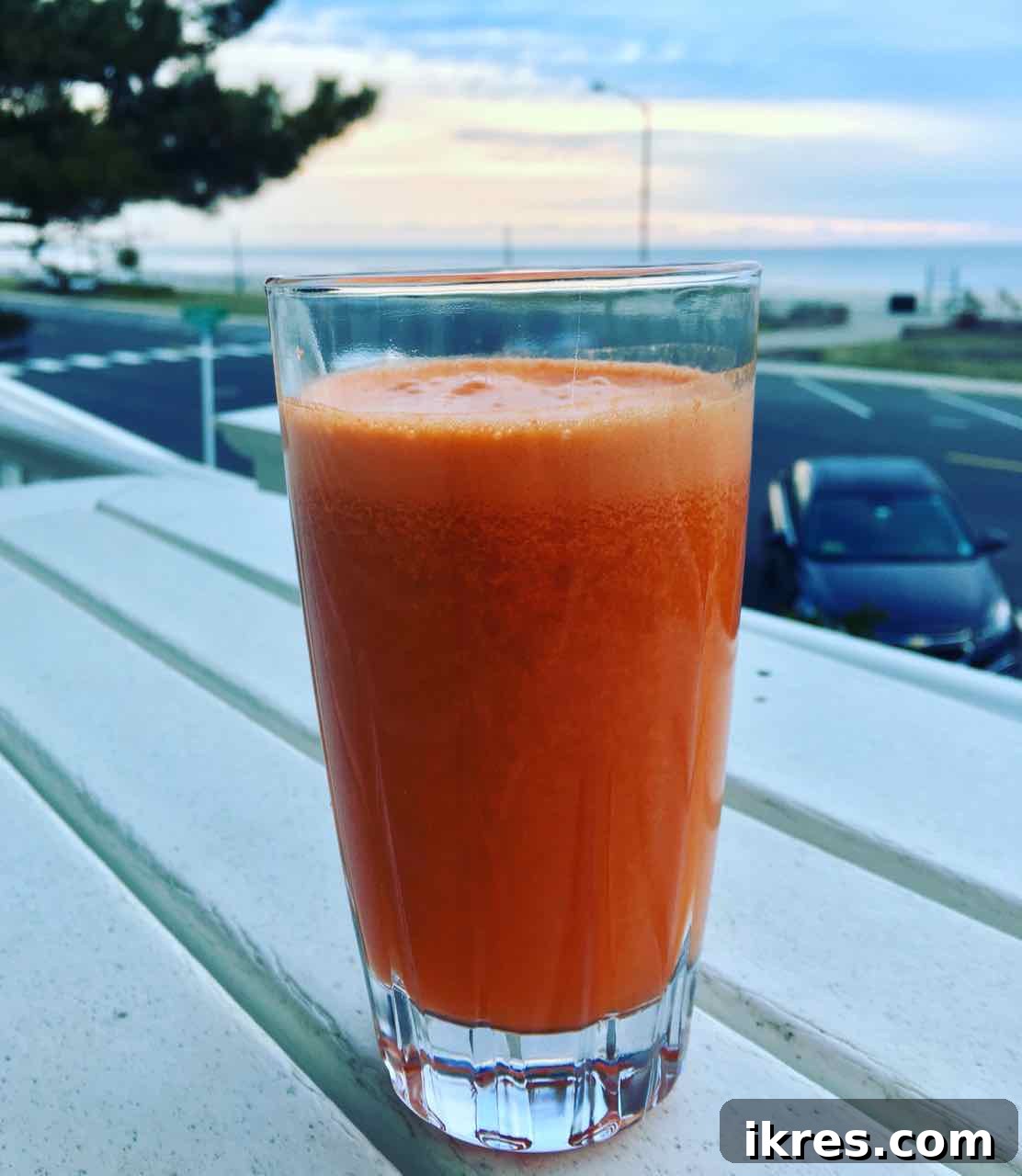
This period of giving my body a vital break – from processed foods, excessive sugar, alcohol, preservatives, and other common culprits – naturally led to extensive self-reflection. I meticulously documented my progress, taking numerous notes and photographs, which are now shared within this comprehensive post. Every image featured here showcases the wholesome foods I consumed throughout the program, alongside a few compelling before-and-after snapshots that illustrate the visible changes I experienced. This visual diary aims to provide an authentic glimpse into the Whole30 lifestyle and its impactful results.

Candidly, I approached the Whole30 with modest expectations, not anticipating a dramatic overhaul. I’ve always considered myself someone who prioritized healthy eating and maintained relatively good habits, typically navigating minor weight fluctuations of five to ten pounds. My perception of “healthy” felt established.
However, the Whole30 experience unveiled a profound distinction I hadn’t fully grasped: the difference between merely “wanting to be healthy,” “needing to be healthy,” and truly “deserving to be healthy.” Previously, my motivation often hovered between the “want” or “need” categories. This program, however, solidified a crucial understanding: I intrinsically DESERVE optimal health and well-being.
This realization ignited a fundamental shift in my self-perception. I deserve to experience incredible vitality through the food I consume, to consistently choose the most nourishing options for my unique body, and to treat my physical self with profound respect and care. This transformative mindset has unequivocally been a game-changer, influencing every subsequent decision regarding my health.
Understanding the Whole30 Program: A Comprehensive Guide
At its core, the Whole30 is a 30-day nutritional reset designed to eliminate potentially inflammatory or problematic foods from your diet. The philosophy centers around consuming only whole, unprocessed foods for an entire month. This means strictly cutting out grains, legumes, dairy, added sugars (both natural and artificial), alcohol, and any form of processed ingredients, baked goods, or junk food – regardless of whether they might be considered “Paleo-friendly.”
I won’t sugarcoat it; adhering to these guidelines presented challenges at various points during the 30 days. There were moments that tested my resolve and commitment.
Yet, by consciously shifting focus from what was restricted to the abundance of foods I could enjoy, a powerful perspective emerged. This positive mindset revealed just how many incredibly delicious and nutritious options are available. The program generously allows for a wide array of meats, seafood, eggs, fresh fruits, all types of vegetables (including both regular and sweet potatoes, a welcome surprise for many), nuts, seeds, and healthy oils. This breadth of choice makes the journey far more manageable and enjoyable than one might initially imagine, proving the immense power of a positive outlook.
For those eager to delve deeper into the precise dietary guidelines, the official Whole30 website offers invaluable resources. I highly recommend consulting their detailed articles, such as Whole30 Step Two: The Food Rules and The Official Can I Have Guide To The Whole30, which meticulously outline what is and isn’t permitted.
A distinctive aspect of the Whole30, and one that deeply resonated with me, is the strict prohibition against weighing or measuring oneself throughout the 30-day period. This rule underscores a vital truth: true health extends far beyond a number on a scale. Our bodies are complex, and factors like muscle mass can significantly influence weight, even for individuals who appear slender. This profound insight is something I embraced years ago, leading me to abandon routine weighing for good, long before my Whole30 journey. The program reinforces that genuine health is measured by how you feel, your energy levels, and overall well-being, rather than a fluctuating digit.

My Personal Motivation: Why I Embarked on a Whole30 Journey
My decision to undertake the Whole30 program stemmed from two primary, yet interconnected, motivations that felt incredibly timely and personal:
1) My first compelling reason was a strong desire to realign my eating habits and regain control over my dietary choices. In the eight months following my wedding, I found myself gradually slipping from my established routine of healthy eating. My husband and I had previously adhered to a strict 80/20 Paleo diet, a lifestyle that had brought us significant benefits. However, the holiday season proved particularly challenging, seeing our adherence dwindle to a 60/40 ratio. This decline culminated in a complete two-week indulgence over Christmas, during which I fell ill for the entire month of December and felt consistently unwell. I recognized the urgent need for a reset, to shed the lingering effects of unhealthy choices and re-establish a foundation of wellness.
2) The second, equally important, reason was a deep curiosity to observe and understand how my body truly reacts to various foods. I initially adopted a Paleo lifestyle due to my husband’s health concerns, and I genuinely love how it makes me feel, which is why I’ve maintained it. However, I had never before engaged in a structured elimination diet that specifically incorporated a reintroduction phase. This crucial phase allows for the systematic reintroduction of food groups, one at a time, to meticulously identify specific sensitivities or adverse reactions. This was an opportunity I eagerly sought, aiming to gain invaluable insights into my body’s unique responses and optimize my long-term dietary approach.



Essential Whole30 Starter Tips for a Successful Journey
Navigating the Whole30 can feel daunting at first, but with a few strategic tips, you can set yourself up for success and even enjoy the process. Here’s what I learned:
1) Smart Grocery Shopping Can Save You Money: Contrary to popular belief, Whole30 grocery shopping doesn’t have to be prohibitively expensive. My husband and I typically spent around $200-$220 per week. A significant benefit is the elimination of dining out and alcohol expenses, which often leads to overall savings. Plus, grocery shopping actually becomes more efficient – you can confidently bypass entire aisles, simplifying your trip and focusing solely on approved, nourishing ingredients.
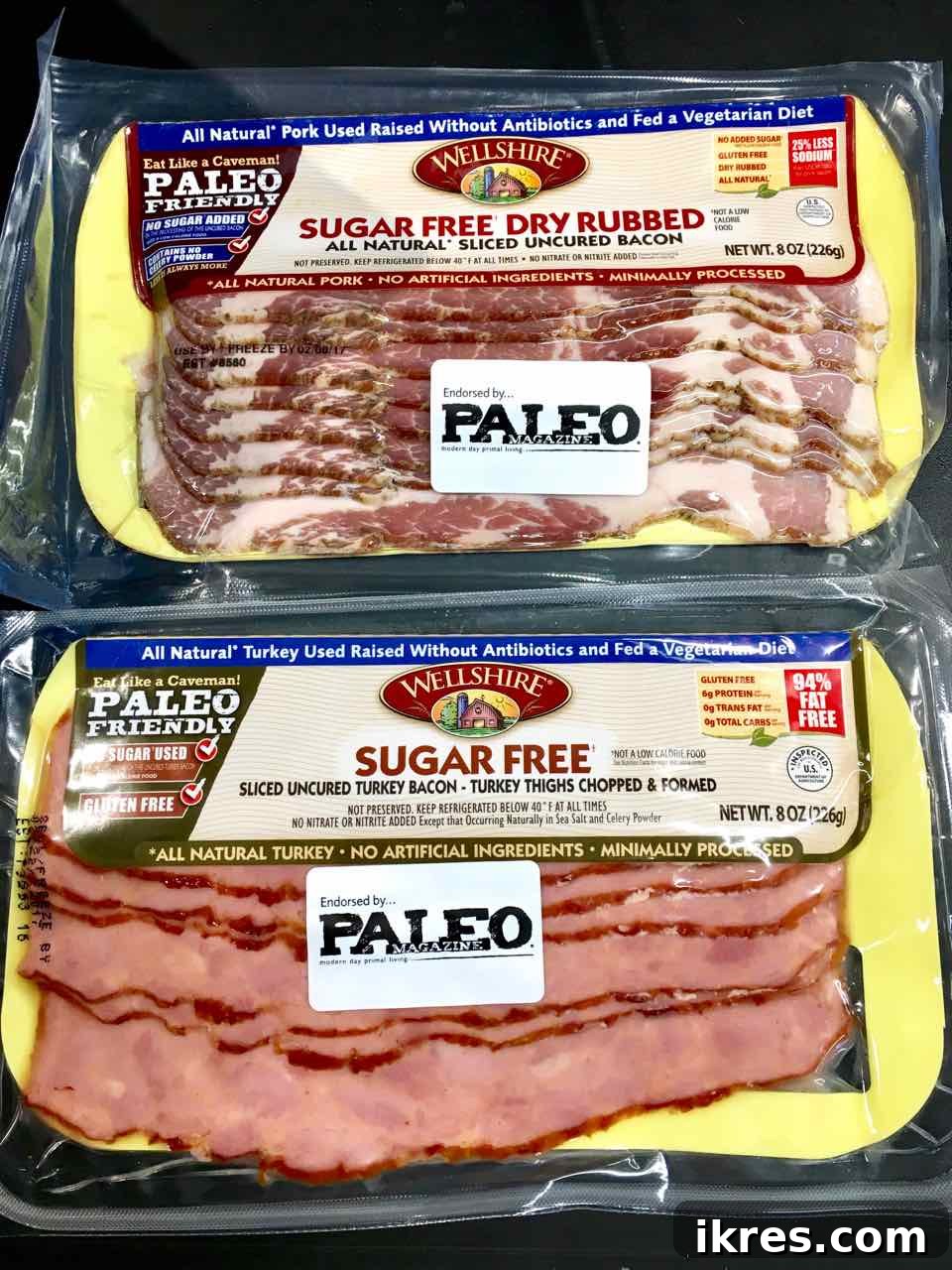
2) Become a Label-Reading Expert: This is perhaps one of the most crucial habits to develop. Many seemingly “natural” products, like bacon, often contain hidden added sugars or other non-compliant ingredients. It’s surprisingly challenging to find bacon without added sugar, for instance. Always scrutinize ingredient lists. We found Pederson’s Natural Farms and Wellshire Farms to be reliable sources for Whole30 compliant bacon. Additionally, US Wellness Meats offers an extensive selection of Whole30 approved meats.
3) Stock Up on Fruits and Veggies in Bulk: These are your best friends for snacking. Keep a vibrant assortment on hand to curb hunger between meals. For a truly satisfying and naturally sweet treat, try pairing dates with almond butter – it’s a delicious and surprisingly creamy combination that feels indulgent yet remains fully compliant.
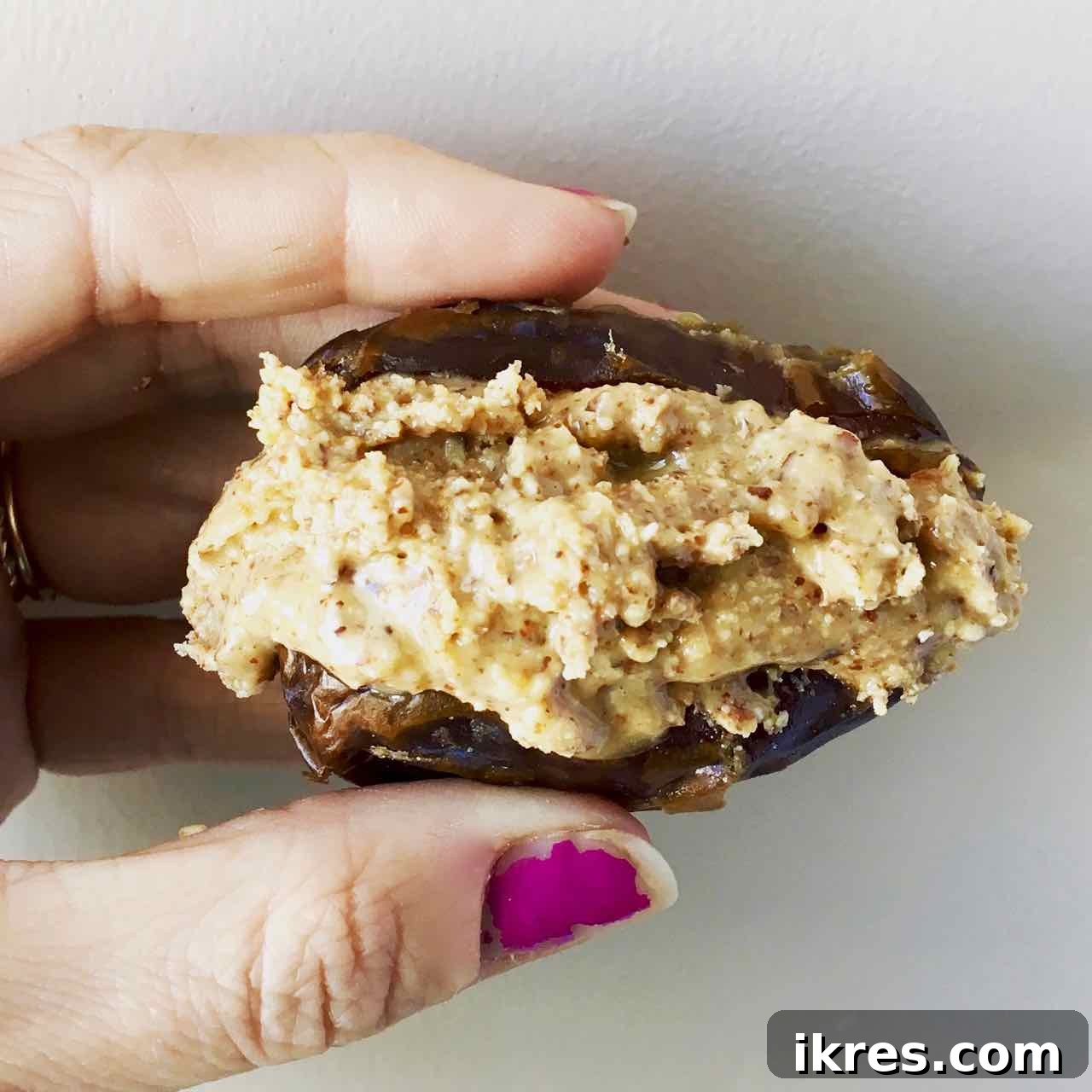

4) Prioritize Strategic Meal Prep: While some prefer extensive Sunday meal prepping, I found a different rhythm worked best for me. My most effective strategy was to simply double the portion of my dinner each night. This ensured I had a delicious, ready-made, and compliant lunch packed for the following day, significantly reducing decision fatigue and the temptation to grab something non-compliant when hunger struck.
5) Embrace the Power of Spices: Flavor is paramount to feeling satisfied and preventing boredom on the Whole30. Don’t shy away from your spice rack! Stock up on essentials like cinnamon, fennel seeds, paprika, chili powder, and black pepper. Experimenting with different spice blends will elevate your dishes and make your Whole30 experience far more interesting and enjoyable. A personal revelation was adding dried minced garlic and fresh parsley to my scrambled eggs – it’s an absolutely amazing combination that completely transforms a simple breakfast.
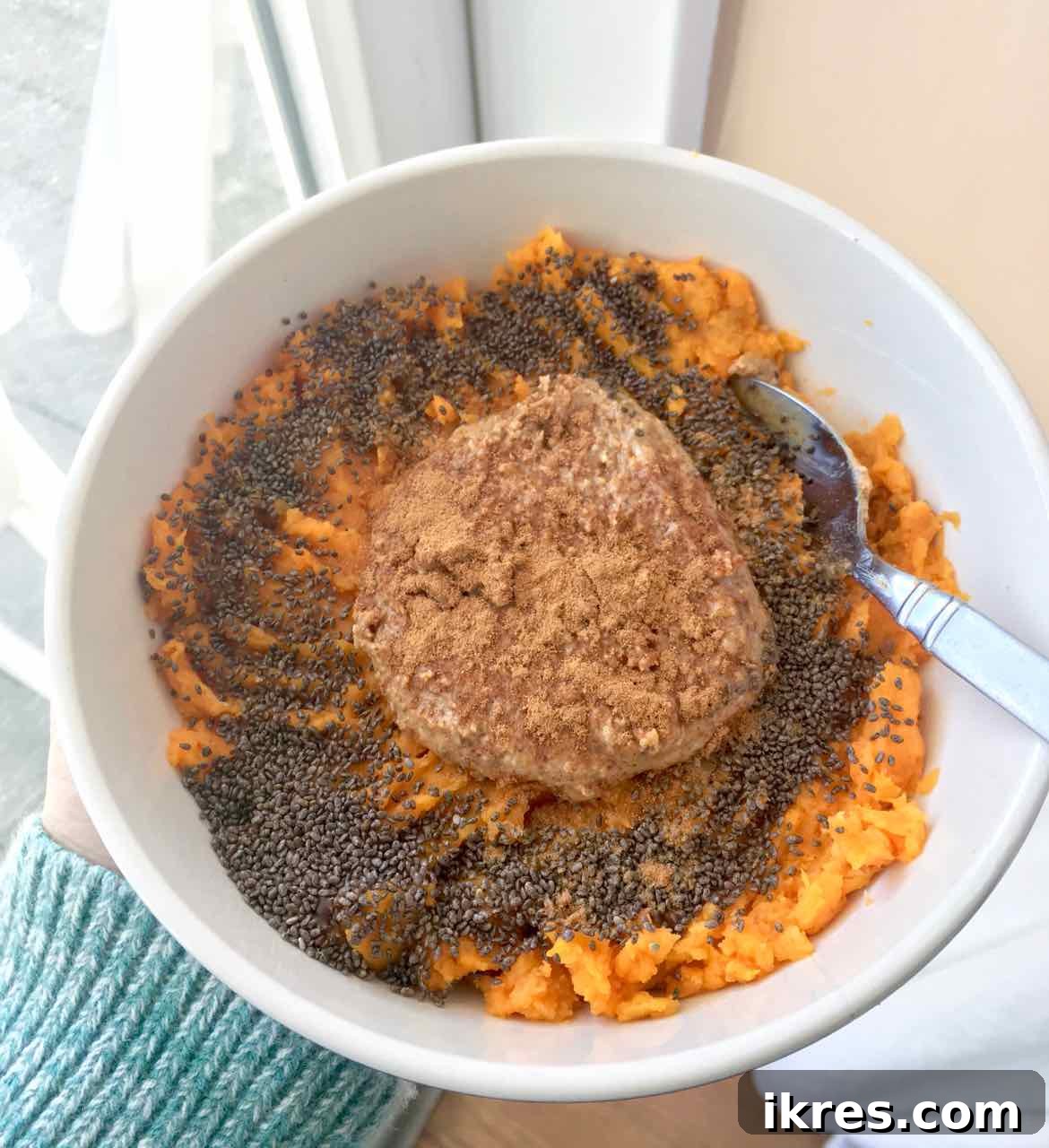
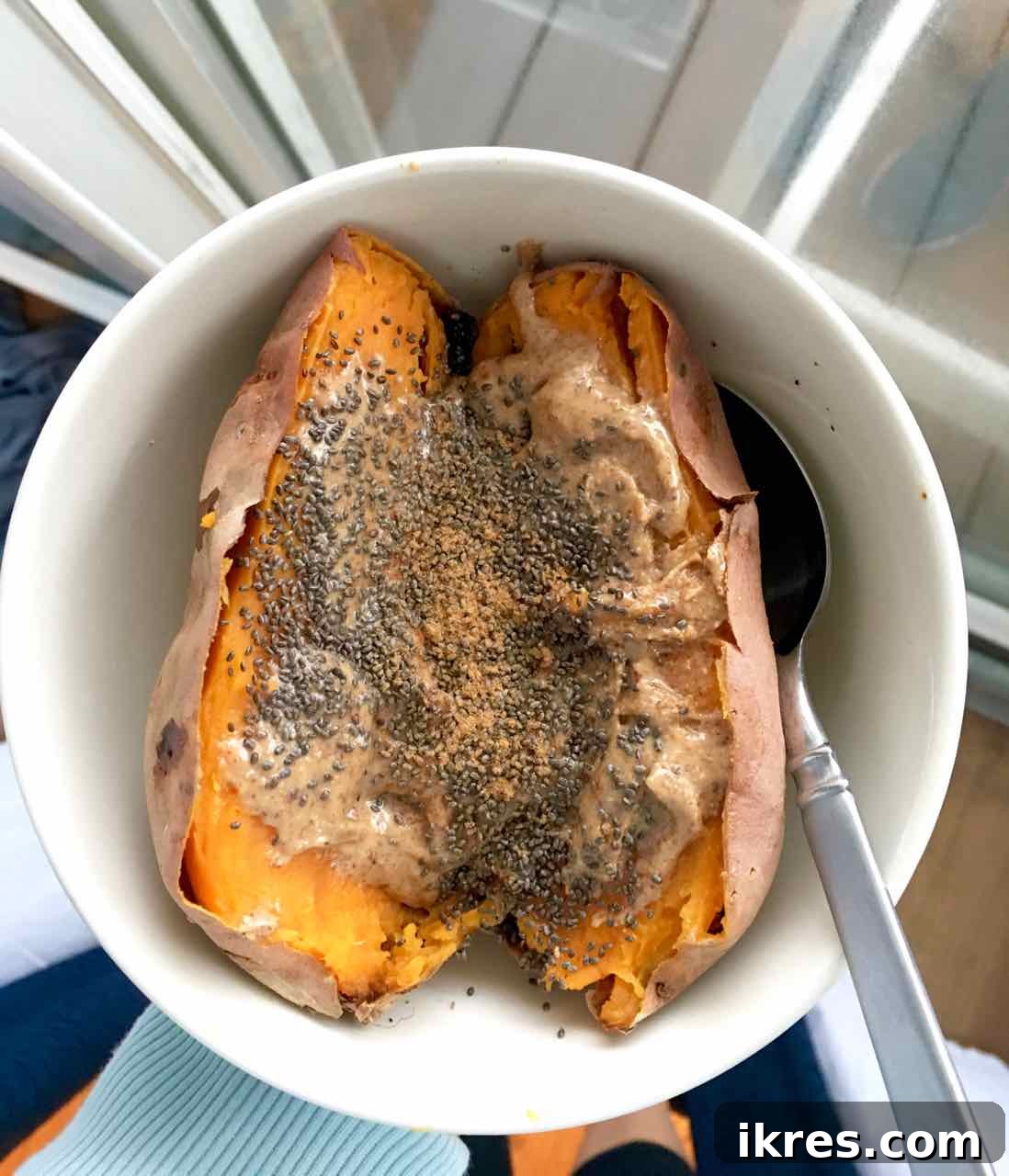
6) Creative Breakfast Solutions are Key: Breakfast can indeed be one of the trickier meals on Whole30, especially if you, like me, aren’t keen on eating eggs every single day or prefer not to have a lunch/dinner type meal first thing in the morning. To add variety and make it more appealing, try incorporating a side of fruit, bacon, or compliant sausage. Baking sweet potatoes until soft and topping them with almond butter and chia seeds offers a surprisingly creamy and satisfying alternative. For a truly delicious and compliant sausage option, Texanerin’s Homemade Paleo Breakfast Sausage recipe is incredibly flavorful.
7) Discover Exciting New Recipes and Foods: One of the best ways to avoid feeling deprived on Whole30 is to actively seek out and try new, interesting recipes. Having a curated list of delicious, compliant meals ready to go ensures that you’re always looking forward to your next meal. I often found myself completely forgetting I was on Whole30 while savoring dishes like this incredible Whole30 Shepherd’s Pie or this indulgent Paleo 7 Layer Dip. A fun discovery was baking prosciutto until crispy to create homemade bacon bits – they are absolutely delightful sprinkled over eggs or salads, adding a burst of salty flavor.



Profound Insights: My Discoveries About Food and Habits During Whole30
The Whole30 program wasn’t just about changing what I ate; it was a deeply introspective period that revealed significant truths about my eating habits, preferences, and even unknown food sensitivities. Here are some of the most striking realizations:
1) Aversion to Coconut Oil in Cooking: I discovered that I genuinely dislike cooking with coconut oil, a sentiment my husband unexpectedly shared. He found it bothered him, and I echoed the feeling. This realization was a clear directive: olive oil it is for my primary cooking fat, a preference that now feels firmly established.
2) Unmasking Hidden Cravings: I was astonished to realize the sheer volume of cravings I harbored, far more than I had ever acknowledged. Almost all of them manifested as late-night desires for sweets or chocolate. The first week was undoubtedly the most challenging, a relentless battle against these urges. However, with consistent adherence, I experienced the remarkable phenomenon of these cravings gradually diminishing and eventually disappearing altogether. It was a powerful demonstration of the body’s ability to rebalance.
3) Embracing the Wisdom of Delayed Gratification: Around week three, a profound lesson about cravings truly sank in: you can’t, and perhaps shouldn’t, always get what you want, especially when it comes to fleeting food desires. I learned that by simply taking a moment to pause, sit with the craving, and make a conscious decision, or by opting for a piece of fruit, the intensity of the craving often dissipates. For instance, after mindfully eating half a grapefruit, my powerful desire for chocolate completely vanished. This was an empowering realization about self-control and mindful eating.
4) Rediscovering Fruits and Vegetables: The program highlighted a significant deficit in my prior diet: I was not incorporating nearly enough fruits and vegetables into my daily life. The Whole30’s emphasis on abundant produce forced a delicious re-engagement with these foundational foods, and I felt the difference profoundly.
5) Identifying a Specific Food Intolerance: A notable and unexpected discovery was that neither my husband nor I could properly digest ground pork. Consuming it led to considerable discomfort, making it a clear elimination from our diet going forward. This illustrated the power of the Whole30 as a diagnostic tool for individual food sensitivities.


Physical Transformation: How My Body Responded to Whole30
The physical changes I experienced during Whole30 were both profound and surprising, extending far beyond superficial appearance. While I initially hesitated to share “before and after” photos, the visual evidence of my body’s transformation, particularly from the back, was truly remarkable. It illustrated a significant change in my overall shape, underscoring the deep impact of the program.
- Although I don’t own a scale, I estimate a modest weight loss of around 5 pounds, while my husband, who weighed himself at the gym, lost a notable 10 pounds. However, the most significant changes were internal, manifesting as improvements in how I felt day-to-day.
2) Exceptional Hydration: One of the most immediate and noticeable benefits was an incredible sense of hydration. My body felt quenched and balanced, a feeling that translated into increased comfort and vitality almost instantly.
3) Sustained Energy Levels: I experienced a dramatic increase in energy, which fueled both my workouts and sustained me throughout the entire day. This was a familiar, welcome feeling, akin to the surge of well-being I first felt when transitioning to a Paleo diet. It prompts a reflective question: why wouldn’t one always choose to eat in a way that generates such profound vitality?
4) Altered Hunger Cues: My perception of hunger fundamentally changed. I was less “hungry” in the desperate, urgent sense. Instead, my body communicated its need for energy in a much calmer, more rational way. There was no intense craving or “hangry” feeling, just a clear signal that it was time to refuel.
- Important Note: This reduced hunger can be a double-edged sword. During Week 2, for three consecutive days, I found myself feeling lightheaded and nauseous, only to realize I hadn’t eaten in five hours. It was a stark reminder to listen carefully to my body’s subtle cues and ensure consistent nourishment.
5) Intense Emotional Fluctuations: Week 2 brought an unexpected surge of intense emotionality. For about four days, I felt on the verge of tears at the slightest provocation, even when not experiencing sadness. This was entirely separate from any premenstrual syndrome. I theorize that the extremely clean eating profoundly impacted my hormones. Given my existing hormone sensitivities, this was a particularly intriguing and somewhat unsettling experience, leaving me curious about the exact physiological mechanisms at play.
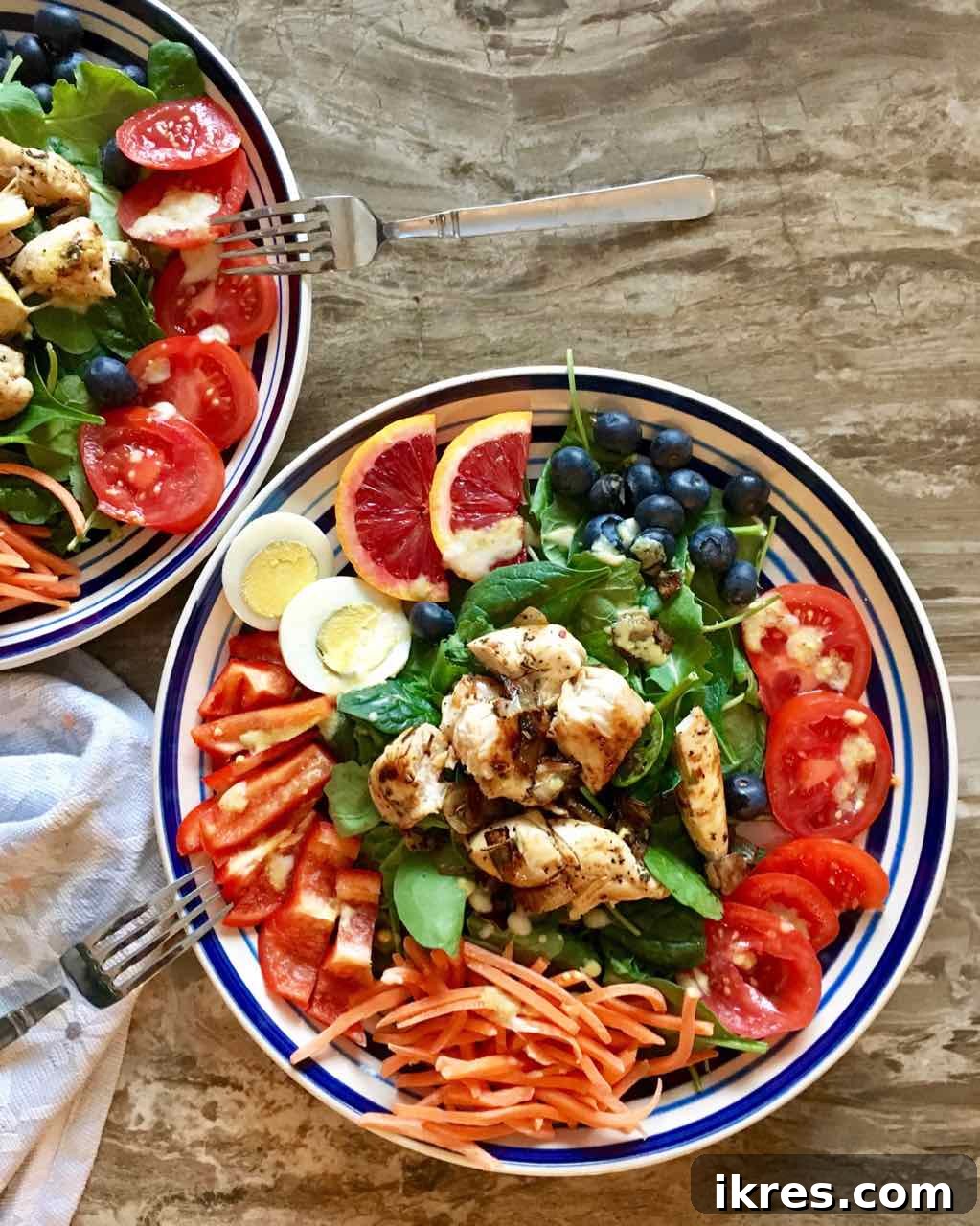


6) Remarkably Softer Skin: Around day 10, I noticed an astonishing improvement in my skin’s texture; it was significantly softer than usual. Having often envied the naturally soft skin of my mother and sister, and having invested considerable effort and money into various lotions and salicylic acid treatments to achieve smoother skin, this was a revelation. It became unequivocally clear that the key to truly soft, supple skin lay not in topical applications, but profoundly within my diet. By the fourth week, my face, in particular, was ridiculously soft, a quality no lotion or expense could ever replicate.
7) Reduced Dental Plaque: Another astounding observation, occurring around Week 2, was the almost complete absence of plaque on my teeth. This was particularly significant for me, as dental hygienists, during my biannual cleanings, consistently inquire about my flossing habits, never quite believing my affirmative response. The dramatic reduction in plaque was compelling evidence of how powerfully my diet was impacting even my oral health, a testament to the comprehensive benefits of clean eating.
8) Husband’s Inflammation Melted Away: By Week 3, my husband experienced a remarkable transformation: all his excess weight and inflammation seemingly “melted” off. Given his autoimmune disease, he is highly susceptible to dietary inflammation, making this outcome profoundly impactful for him. While this dramatic “melting” effect wasn’t as pronounced for me, I observed the most visual changes to my body around Week 4, a testament to the gradual, yet significant, physical reshaping.
9) Feeling Amazing Despite Hidden Illness: Perhaps the most bewildering and educational physical change was the feeling of being absolutely fantastic, even while unknowingly battling an illness. As mentioned, I was unwell for the entire month of December, enduring a head cold, stomach bug, and persistent cough with chest pain. Yet, throughout January, during my Whole30, I felt an extraordinary sense of well-being. Despite persistent chest pain, when I finally saw a doctor, I confidently stated, “No, I feel amazing!” It was only then that I discovered I had a fever, a red throat, swollen glands, and tracheobronchitis – conditions I had absolutely no idea I was experiencing, purely because the Whole30 diet had made me feel so incredibly good, masking the typical symptoms of illness. This highlighted the incredible anti-inflammatory and supportive power of the Whole30, even in the face of underlying health challenges.




Mindset Evolution: A Transformed Perspective During Whole30
Beyond the undeniable physical changes, the most profound impact of my Whole30 experience was the radical shift in my mindset, particularly concerning my relationship with my body and overall health. This transformation began subtly and steadily deepened throughout the 30 days:
1) Whole30 as a Gift of Self-Care: By the third week, my perception of the Whole30 evolved dramatically. It ceased to be merely a set of rules to follow or a restrictive diet. Instead, I began to view it as a profound gift I was actively giving myself. This realization that I am inherently worthy of such dedicated self-care – that my body intrinsically deserves to be nourished correctly and to experience optimal health – was incredibly empowering. This fundamental understanding is a universal truth: everyone deserves this level of self-respect and well-being.
2) Redefined Motivation for Exercise: This newfound belief in my deservingness of health naturally extended to my approach to physical activity. My motivation for working out transitioned from an obligation (“I have to go to the gym” or “I need to hit my goal of three times a week”) to an act of self-love and respect. I was now engaging in exercise because my body deserves to be strong, capable, and fit. This internal shift made physical activity feel less like a chore and more like an integral part of my well-being journey. It even motivated me to attend a yoga class for the first time in months. There, I consciously listened to my breath, reconnected with my body, and felt a genuine sense of alignment with my spirit. It wasn’t just a physical workout; it was a deeply spiritual and grounding experience that fostered a connection to myself I hadn’t felt in a long time.
3) Food as an Expression of Love and Respect: The Whole30 fundamentally reshaped my relationship with food, transforming it into a conscious act of showing my body love and respect. My former cravings no longer held dominion over my thoughts or decisions. I found myself pondering how truly careless it can be to indiscriminately put certain foods into my body, recognizing that such choices don’t align with a loving gesture towards oneself. While balance remains undeniably important for long-term sustainability and enjoyment, this period instilled a foundational principle of mindful eating and self-regard that continues to guide my dietary choices.

Navigating the Challenges: The Hardest Aspects of Whole30
While the Whole30 journey yielded immense benefits, it was not without its distinct challenges. Understanding these hurdles is crucial for anyone considering the program:
1) The Social Isolation of Whole30 Weekends: Weekends proved to be particularly rough and, at times, isolating. The simple pleasure of enjoying a glass of red wine on a Friday night, spontaneous dinners with friends, or indulging in a treat from a new local bakery were all off-limits. I even missed the relaxing ritual of baking some Paleo banana bread with leftover bananas, a clear indicator of how deeply ingrained certain comforts were. This strict adherence profoundly highlighted and amplified my appreciation for the meaning of balance in life.
2) The Breakfast Dilemma: Breakfast presented a consistent struggle. As I mentioned, consuming eggs almost every day isn’t my favorite, and the idea of a lunch/dinner-style meal first thing in the morning didn’t always appeal. However, a shift in perspective helped immensely. When I began to view meals, especially breakfast, primarily as essential fuel to kickstart my day, it became more manageable. Moreover, understanding how long certain Whole30 compliant foods kept me feeling energized and satisfied eventually fostered a newfound appreciation for these breakfast options.
3) Missing the Therapeutic Act of Baking: I genuinely missed baking, particularly Paleo baking. For me, the process of mixing, stirring, measuring, and pouring ingredients is deeply relaxing, almost a form of meditation. The Whole30 brought a sharp realization that I had likely been indulging in this hobby a bit too frequently before, even if much of it was for “blogging purposes” (a playful self-admission!). This break allowed me to reassess my relationship with baking and treats, highlighting where excess might have crept in.



The Unveiling: Whole30 Reintroduction Phase and Food Sensitivities
The reintroduction phase of Whole30 was, in many ways, even more revelatory than the elimination period itself. I had always assumed certain foods were perfectly fine for me, often cutting them out simply because my husband, due to his health, needed to. This phase proved me utterly mistaken about my own body’s reactions.
My husband and I followed a structured reintroduction, integrating one new food group for a day, followed by one or two days of strict Whole30 eating before introducing the next, adhering to the following sequence:
1) Gluten-Free Grains:
GF Oats– Personally, I felt no adverse effects from oats; they seemed to agree with me. My husband, however, reacted dramatically, akin to a child given a sugar rush. He experienced a burst of energy followed by a pronounced crash, even without any added sweetener in our oats.
White Rice– My reaction to white rice was immediate and profound, feeling as though I’d been hit by a ton of bricks. I became uncomfortably full very quickly and felt an overwhelming wave of fatigue, rendering me couch-bound for two hours. During this period, I also experienced intense cravings for sweets. After the two hours passed, I suddenly returned to my normal, energetic self. Surprisingly, my husband reported no discernible difference after consuming rice.
2) Legumes:
Chickpeas- To our great surprise, neither my husband nor I experienced any negative reactions after reintroducing hummus. We had both anticipated that chickpeas might be an issue for at least one of us, making this a pleasant discovery.
Beans- Reintroducing kidney beans and black beans resulted in significant bloating and a noticeable, though mild, stomach discomfort for both of us. While the acute discomfort subsided relatively quickly, the bloating lingered for an extended period. We also both felt a subtle, feverish sensation, indicating a systemic reaction.
Quick side note: By this point in the reintroduction process, I observed that the incredible softness my skin had achieved during the strict Whole30 period had regrettably begun to diminish. This was a striking indicator of the impact of reintroducing certain food groups. 🙁
3) Goat and Sheep Dairy:
Goat Cheese– I personally felt no negative impact from goat’s cheese; in fact, I experienced a pleasant boost of energy after consuming it. My husband, however, developed a “red face,” a tell-tale sign for him that his body is struggling to process certain foods, a common reaction given his autoimmune disease. It’s worth noting that I accidentally purchased a honey goat cheese with additional ingredients, which I suspect may have been the true culprits behind his reaction.
Sheep’s Cheese– I experienced a slight stomach ache after eating sheep’s cheese, but no other significant physical changes. My husband, on the other hand, felt his body was able to tolerate it. Over the following day or two, I did notice the onset of cramps, leading me to suspect I might have some form of dairy malabsorption issue, a sentiment my husband echoed about himself.
4) Gluten Grains– I fully anticipated this category to provoke the most severe reactions during the reintroduction phase.
Wheat Flour– Surprisingly, neither my husband nor I felt any immediate, overt physical differences after consuming wheat flour. However, we both experienced intense hunger very quickly afterward, indicating a lack of sustained satiety.
Bread- We consumed bread made from a blend of wheat, barley, millet, and spelt. I felt a distinct discomfort, an oppressive sense of fullness, even though I had eaten only a small amount. My body reacted strongly to even a modest portion.
Beer- I didn’t notice any particular change or reaction after consuming beer, which was a mild surprise.
Overall Observations on Gluten: As a general outcome, eating gluten made me feel considerably hungrier than usual. I also experienced a pervasive “blah” feeling – not necessarily extreme tiredness, but a noticeable dip in the sustained energy I had become accustomed to on Whole30. Both my husband and I found it more difficult to fall asleep, and our sleep quality was demonstrably poorer. My husband also endured bloating for approximately two days following gluten reintroduction.
Quick note: At this advanced stage of reintroduction, my under-eye circles had returned and were noticeably darker. The incredible softness of my face had completely disappeared, and the skin on my body felt even less soft than before the Whole30. These were powerful visual markers of dietary impact.
5) Cow’s Dairy
Cheddar, Mozzarella, and Cream– To our astonishment, neither my husband nor I experienced immediate physical pains or dramatic changes right after consuming these cow’s dairy products. However, we both felt an overarching sense of discomfort that lasted for about two days. Critically, we both observed a noticeable negative impact on our digestion during this period.
Important Note on Reintroduction Order: I am left to wonder if my sensitivity levels were higher at the beginning of the reintroduction phase compared to the end. For instance, if I had reversed the order of reintroduction, would my reactions have been the same? It seemed as though the reactions became progressively less intense with each subsequent reintroduction, which might suggest a desensitization or a cumulative effect. This is a fascinating area for future personal exploration.



Final Reflections: Enduring Wisdom from My Whole30 Journey
Reflecting on my complete Whole30 experience, encompassing both the restrictive 30 days and the insightful reintroduction period, I can assert with absolute confidence that I would wholeheartedly embark on this journey again. I foresee incorporating sporadic, week-long intervals of Whole30 into my lifestyle because I genuinely believe my body thrives on this way of eating and profoundly benefits from regular resets. It’s an effective strategy for maintaining peak performance and well-being.
Overall, the program has granted me a much greater sense of control over my cravings and a significantly diminished sweet tooth – a resounding victory I enthusiastically celebrate! This newfound mastery over dietary urges is perhaps one of the most practical and sustainable benefits.
Ultimately, the single most transformative lesson I gleaned from the Whole30 is the profound understanding that I fundamentally deserve to be healthy. Internalizing this mindset has been truly liberating. Applying this principle to my food choices, my commitment to working out, and the daily habits I cultivate has fostered a far more realistic, compassionate, and ultimately more effective approach to my health. This empowering perspective serves as an incredibly powerful and enduring motivator.
I am always eager to connect with others who have explored or are considering the Whole30. Please feel welcome to share your experiences, compare notes, or ask any questions you might have about my process. Feel free to comment below, send an email, or reach out to me on social media!